EN
EN

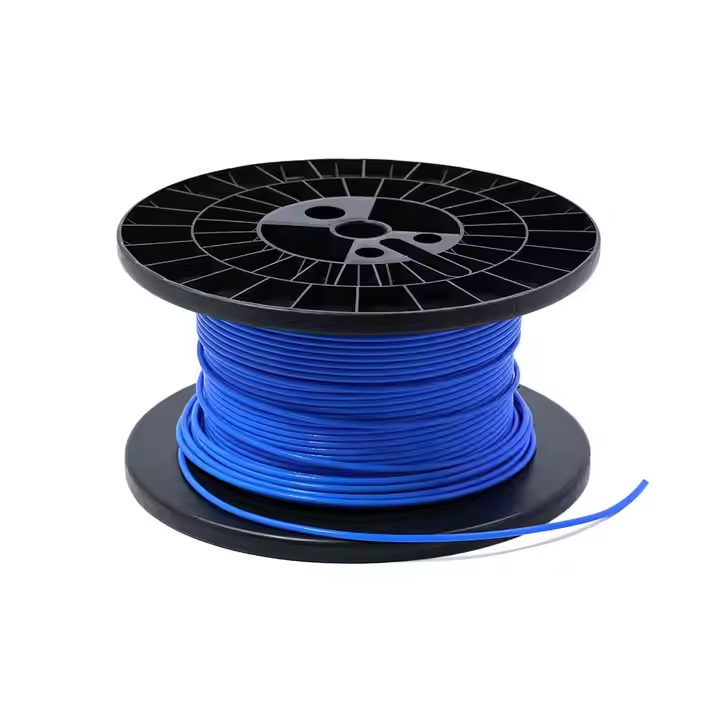
When building out a television distribution grid, outdoor CATV drop, or professional broadcast video studio, maintaining a strict coax 75 ohm line is much more than a routine specification on a wiring schematic. Cable, connectors, splitters, wall plates, and receiving equipment ports all work together to guide high-frequency signals from source to screen.
In real-world field installations, preserving signal integrity starts with a straightforward rule: protect the 75-ohm transmission path from end to end, then choose cable construction, shielding, and interface hardware that match the physical environment and operational demands.
Why Impedance Continuity Matters in Video Transmission
Characteristic impedance defines how voltage and current interact as high-frequency signals travel down a transmission line. In a 75-ohm system, using dedicated 75 ohm coax bulk cable along with correctly rated equipment ports preserves maximum power transfer while keeping signal reflection to a minimum.
A sudden shift in impedance along the line acts like a wall in the signal path, reflecting RF energy back toward the transmitter. Depending on the video format, these reflections lead to ghosting, digital packet drops, elevated bit error rates, or signal degradation that becomes extremely difficult to diagnose after walls are sealed.
That is why professional broadcast systems, satellite receivers, digital signage setups, and residential CATV networks universally mandate 75-ohm components rather than 50-ohm wireless interconnects.
Evaluating the Complete Signal Path Before Installation
A reliable coax 75 ohm deployment starts by sketching out every hardware junction along the route. Mapping signal flow from primary transmitters or headends through distribution taps, patch panels, wall plates, and receiving monitors helps engineers select the right hardware before pulling spools.
Different installation environments demand distinct cable attributes:
-
Television and Antenna Leads: Require heavy outdoor jacketing, UV resistance, solid grounding hardware, and weatherproofing seals at external connection points.
-
CATV Distribution Networks: Depend on multi-shielded 75 ohm coax lines to block external ingress interference from cellular towers and local radio signals.
-
Professional Studio Routing: Calls for highly flexible patch leads, high-braid copper shielding, and precision interconnects capable of handling uncompressed serial digital video (SDI).
Taking a complete system view prevents the mistake of replacing damaged infrastructure with whatever bulk cable happens to be left over in the warehouse.
Matching Cable Construction to Physical Environments
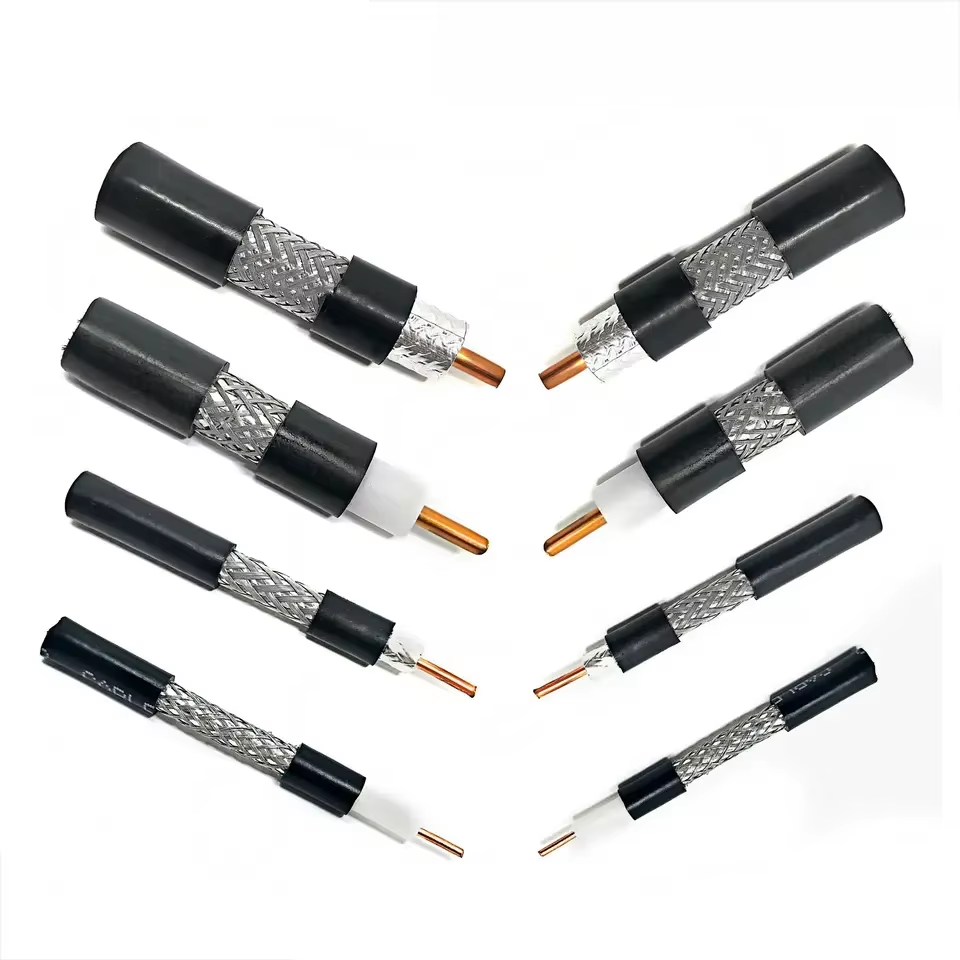
Impedance ratings establish electrical behavior, but physical construction determines how well cable holds up under real installation stress. Outer diameter impacts bend radius and trunking capacity, while shield design governs performance near heavy electrical noise sources.
Flexibility is crucial for patch panels and mobile camera rigs that experience constant handling. Conversely, fixed building risers and plenum runs prioritize flame-retardant outer jackets, high tensile strength for long vertical drops, and low signal loss across extended distances.
Always cross-reference physical requirements with official manufacturer datasheets rather than judging cable capabilities by outer jacket appearance alone.
Choosing the Right Hardware Interfaces
Professional BNC Configurations
A 75 ohm bnc connector represents the standard interface choice across professional broadcast monitors, production switchers, and test equipment. Its quick-turn bayonet coupling provides secure mechanical locking that resists accidental disconnection under motion.
However, mechanical compatibility alone does not guarantee electrical alignment. A standard 50-ohm BNC physically mates with a 75-ohm jack, but the internal dimensional mismatch creates a localized impedance spike. Always verify that center pins, dielectrics, and internal dimensions match true 75-ohm standards.
Specialized Threaded Interface Options
Compact video processors, specialized telemetry units, and high-density microwave equipment often feature a 75 ohm sma connector interface where threaded locking is preferred over bayonet mechanics.
Just like BNC hardware, 75-ohm versions of SMA interconnects utilize modified internal insulators to maintain proper impedance across high frequencies. If an interface transition cannot be avoided, select purpose-built adapters designed specifically for 75-ohm impedance performance.
Best Installation Practices for Peak Signal Integrity
-
Respect Bend Radius Limits: Avoid sharp kinks, crushing cable ties, or over-tensioning during pulls, which can deform internal dielectrics and alter line impedance.
-
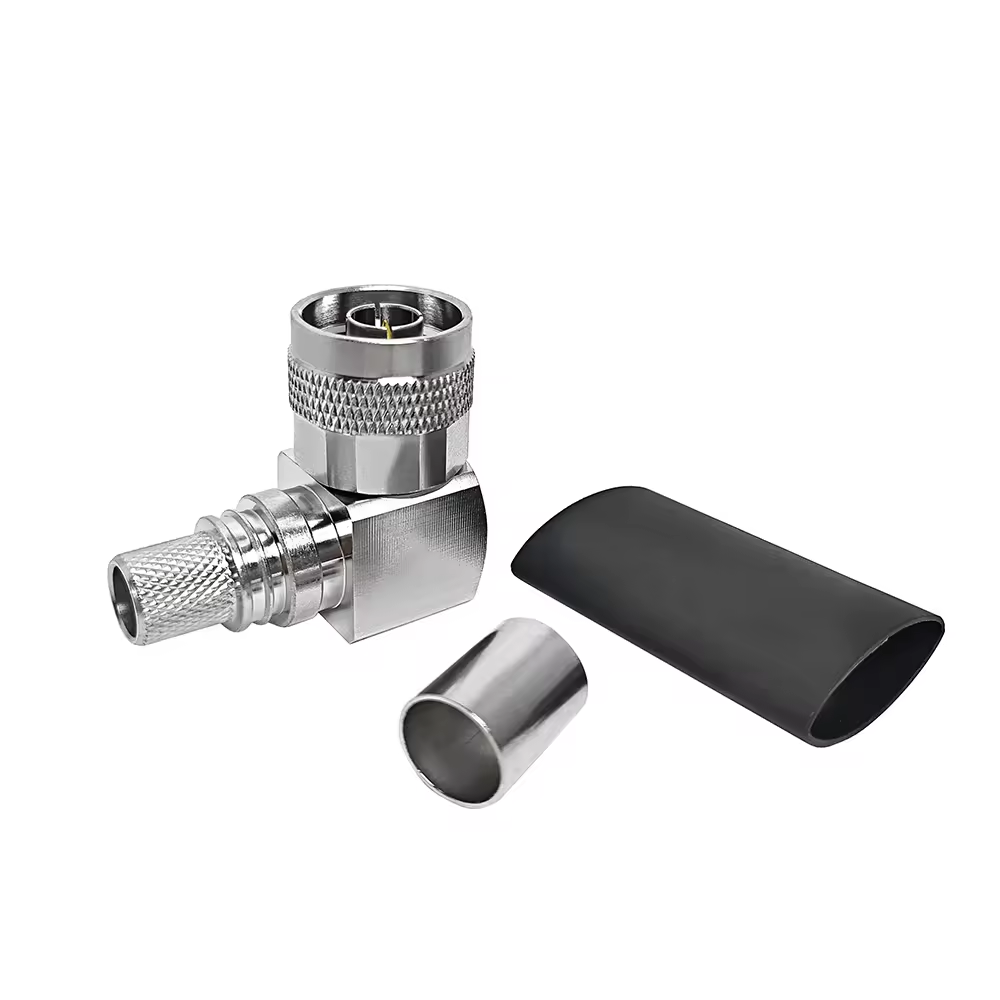
Use Matched Termination Tools: Pair bulk cable with matching compression or crimp connectors, stripping tools, and manufacturer dies to ensure clean, repeatable assembly.
-
Control Adapters and Unused Taps: Keep adapter chains as short as possible, and cap open distribution ports with 75-ohm termination loads to absorb reflections.
-
Label Every Cable Run: Mark cable ends with clear destination tags, service types, and impedance ratings to prevent technicians from inserting 50-ohm test leads into 75-ohm routes during future maintenance.
Essential Procurement Checklist
Before releasing purchase orders for custom assemblies or bulk reels, confirm the following technical details:
-
Defined Video Service: Verify whether the installation carries baseband analog, high-definition digital video, broadband CATV signals, or precision measurement data.
-
Target Impedance Verification: Confirm that all patch bays, splitters, amplifiers, and equipment ports share a matching 75-ohm rating.
-
Interface Hardware Selection: Choose between a 75 ohm bnc connector, a 75 ohm sma connector, or F-type compression hardware based on target device ports.
-
Environmental Ratings: Verify plenum ratings, outdoor UV resistance, direct burial capability, or high-flex requirements for active patch leads.
Streamlining Video Supply Chains with Precision Manufacturing
Building dependable video distribution networks requires sourcing hardware from partners who maintain tight tolerances across center contacts, dielectric insulators, and outer shielding. Inconsistent pin dimensions or poor plating quality lead to signal reflections that degrade image quality and increase installation downtime.
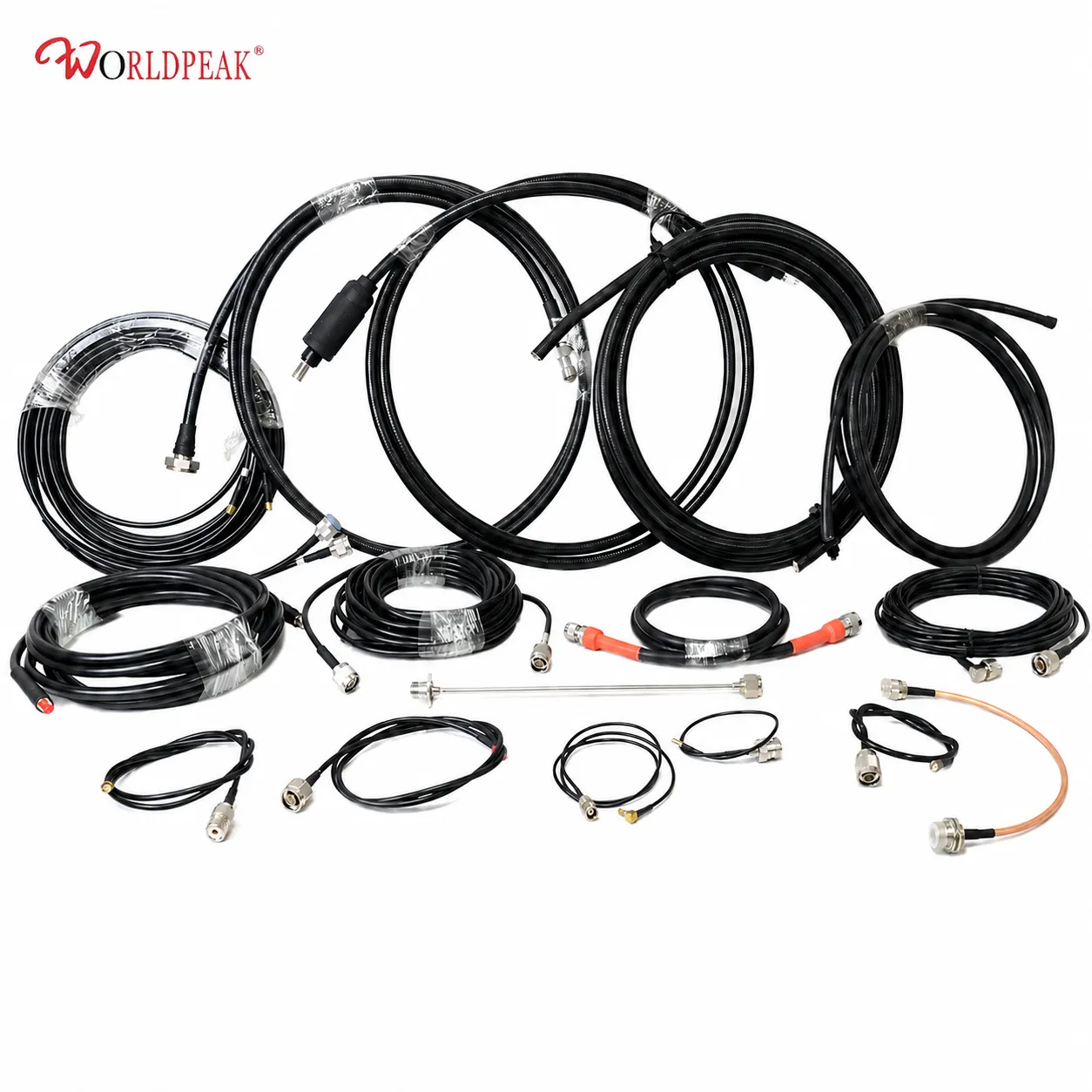
Worldpeak delivers precision-engineered RF interconnects, bulk coaxial cables, specialized adapters, and custom cable assemblies for commercial video, telecom, and broadcast applications worldwide. Backed by automated manufacturing facilities and comprehensive quality control testing, Worldpeak provides robust coax 75 ohm solutions that meet demanding global standards.
Whether your next build requires bulk 75 ohm coax spools, high-density 75 ohm bnc connector assemblies, or specialized 75 ohm sma connector interfaces, partnering with Worldpeak keeps network infrastructure projects moving forward on schedule.
Frequently Asked Questions
What happens if a 50-ohm cable is used in a 75-ohm video line?
Mixing impedance ratings creates an impedance mismatch at the junction point. This mismatch reflects a portion of the RF signal back toward the source, causing signal loss, digital packet errors, or visible ghosting in video feeds.
How can a 75-ohm BNC interface be distinguished from a 50-ohm version?
A 75 ohm bnc connector typically features reduced or absent dielectric material around the center pin interface, whereas a 50-ohm BNC contains a full white PTFE insulator surrounding the center pin.
What is the maximum distance for 75-ohm coaxial video runs?
Maximum transmission distance depends on signal frequency, video resolution, and cable attenuation ratings. Standard-definition video signals travel further over thicker coax lines, while high-frequency uncompressed digital video formats require specialized low-loss cables for long runs.