EN
EN

Adapter Coax: Connector Interface Guide
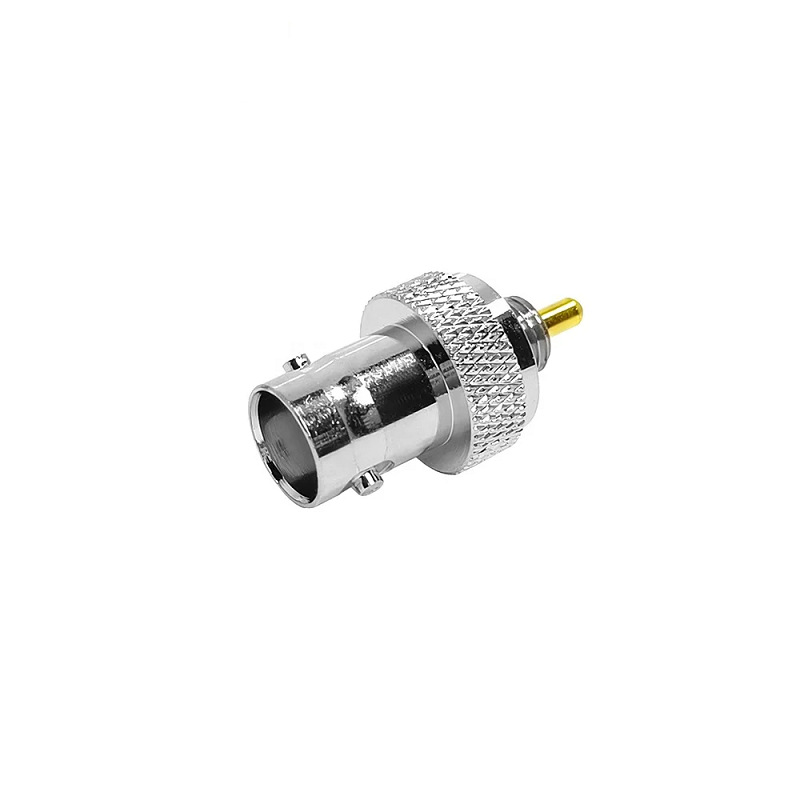
When a radio, test instrument, camera path, or antenna feed needs to cross connector families, an adapter coax component looks simple but makes an important electrical decision. The threaded or bayonet faces must mate, yet the signal path also has to preserve the impedance, frequency margin, and mechanical routing that the system expects. For system integrators and repair engineers, treating every adapter as a purely mechanical gender changer is a reliable way to create intermittent faults or difficult-to-explain RF loss.
This guide starts with the interface question, then moves to mounting form and verification. It also separates RF coaxial adaptation from a coax to ethernet adapter or an hdmi to coax adapter: those products may convert signal formats, whereas a conventional coax adapter joins or redirects compatible coaxial connector interfaces.
Start with the signal path, not the connector shell
Before choosing an adapter coax, write down the two endpoint interfaces, their gender, the cable impedance, the operating frequency, and whether the equipment moves after installation. A connector that mates mechanically can still be the wrong choice if it changes a 50-ohm RF path into a 75-ohm video-style path without an intentional matching network. In general practice, 50-ohm systems are common in RF and wireless work, while 75-ohm systems are common in video and CATV paths. This is why the label on the cable and equipment port matters as much as the visible connector family.
The same caution applies to BNC. Both 50-ohm and 75-ohm BNC variants exist, so a bayonet connection alone does not establish electrical compatibility. At higher frequencies, a mismatch can add reflections and make a measurement, link budget, or video signal less predictable. An adapter coax should therefore be specified as an interface-and-impedance assembly rather than as a generic converter.
Compare N, SMA, BNC, and F interfaces
| Interface | Typical integration role | Selection question |
|---|---|---|
| N type | Threaded, robust outdoor or higher-power RF interconnects | Does the cable and enclosure need a durable threaded coupling and 50-ohm continuity? |
| SMA | Compact RF modules, instruments, and dense assemblies | Can the small threaded interface be supported without stressing the cable or board connection? |
| BNC | Quick-connect test, video, and legacy instrument paths | Is the required BNC version 50 ohm or 75 ohm, and is repeated quick disconnect useful? |
| F type | 75-ohm TV, CATV, and distribution connections | Is this a video/distribution path, or does the system require a deliberate RF impedance transition? |
For example, an N-to-SMA adapter coax can be sensible when an outdoor-sized feed must enter a compact RF device, provided the specified adapter supports the system’s impedance and frequency range. A BNC-to-F transition deserves more scrutiny because it often sits at the boundary between 50-ohm test/RF work and 75-ohm video distribution. Do not infer performance from shape alone; use the supplier’s actual part specification for the needed interface combination.
Choose the mounting form for the physical route
Straight adapters: the cleanest choice for aligned ports
A straight adapter coax is usually the easiest option when two ports face one another and cable bend space is available. It keeps the path visually simple, which helps during service checks. However, a straight stack can become long when several transitions are chained. Avoid building a tower of couplers merely to solve a routing issue; every extra interface adds another place to inspect for torque, contamination, and electrical discontinuity.
Right-angle adapters: protect the cable exit
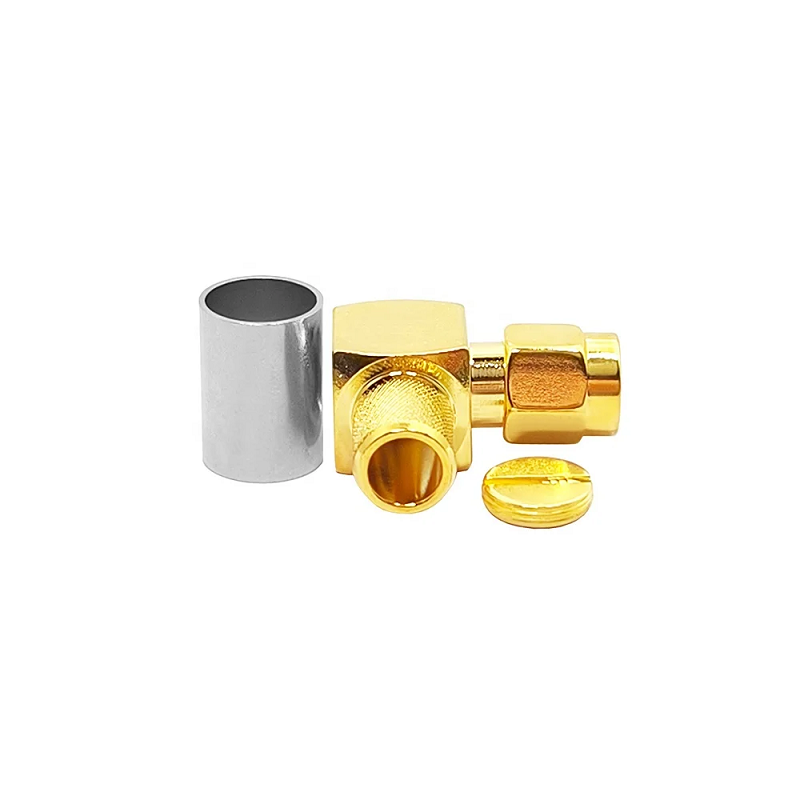
A right-angle form is useful at a panel edge, close to a rack wall, or where a stiff cable would otherwise be forced into a tight bend. Its purpose is mechanical routing, not a license to ignore electrical requirements. Check clearance for the coupling nut, the cable’s minimum bend practice, and the orientation needed for future access. In crowded instrument bays, choosing the correct angle can prevent the connector body from carrying cable weight.
Panel-mount interfaces: make service boundaries deliberate
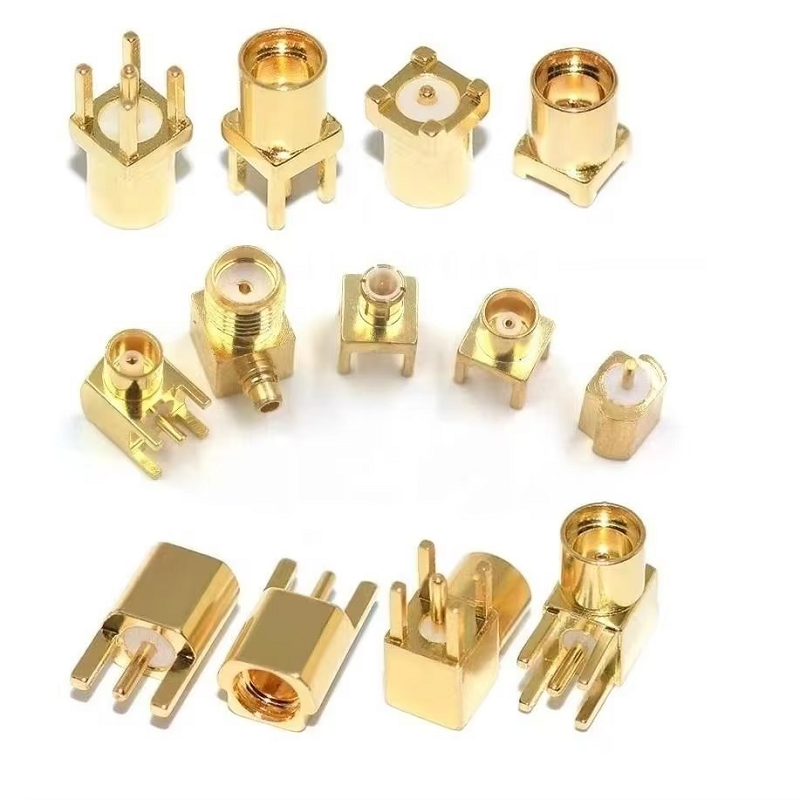
Panel-mount adapters or bulkhead-style transitions are useful when a cable must pass through an enclosure while keeping external service separate from internal wiring. They create a defined interface for maintenance and can reduce repeated handling of an internal assembly. Confirm panel thickness, hole pattern, sealing requirements, and whether the internal side needs a cable connector or a board-level termination. A panel mount should support the enclosure strategy as well as the signal path.
Impedance and high-frequency performance: what to verify
Use this short review before releasing an adapter coax into a build:
- Match nominal impedance: keep a 50-ohm path with 50-ohm components unless the design intentionally manages a conversion; do the same for a 75-ohm path.
- Check frequency rating: the adapter’s specified operating range must cover the highest frequency of the actual signal, not just the connector family’s reputation.
- Confirm gender and interface direction: record plug/jack sides in the bill of materials to prevent a correct-family but non-mating part.
- Control installation stress: use the required coupling method and avoid twisting the cable while tightening the connector body.
- Inspect after service: look for damaged threads, loose bayonets, crushed dielectric, contamination, or a cable route that loads the interface.
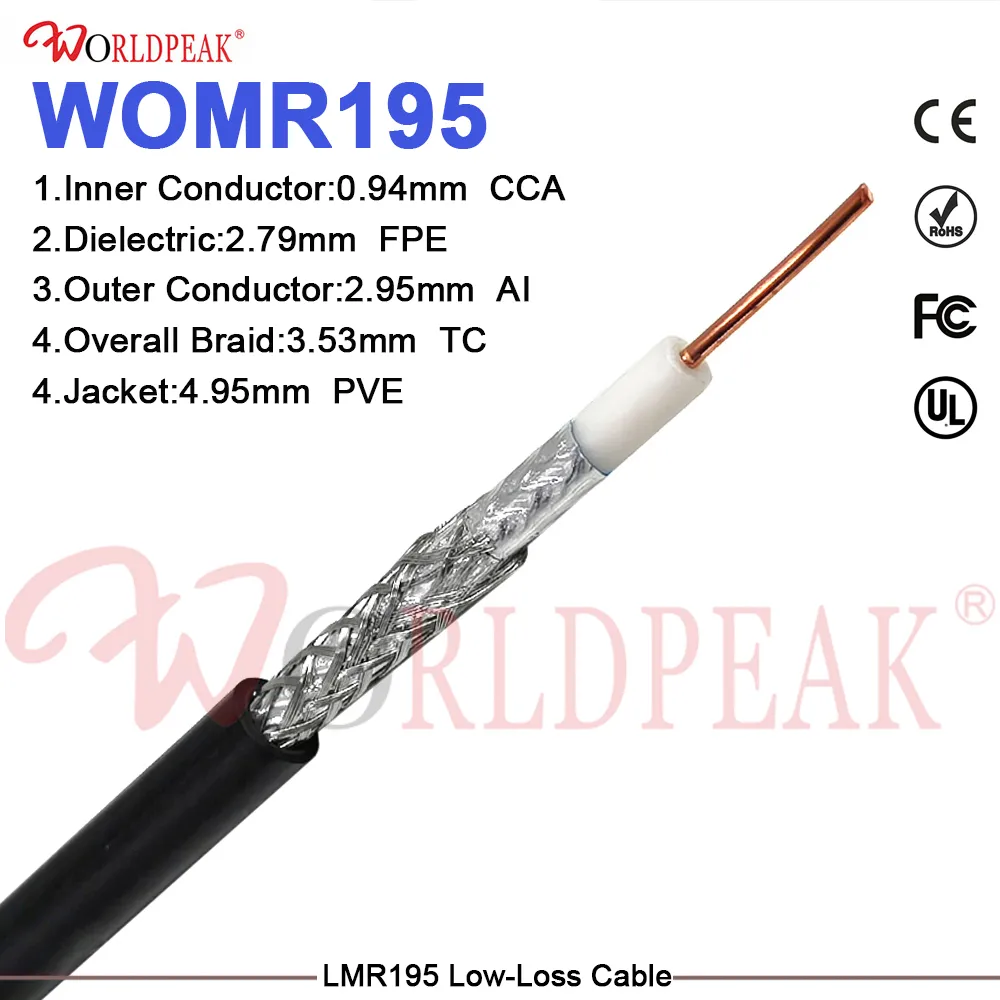
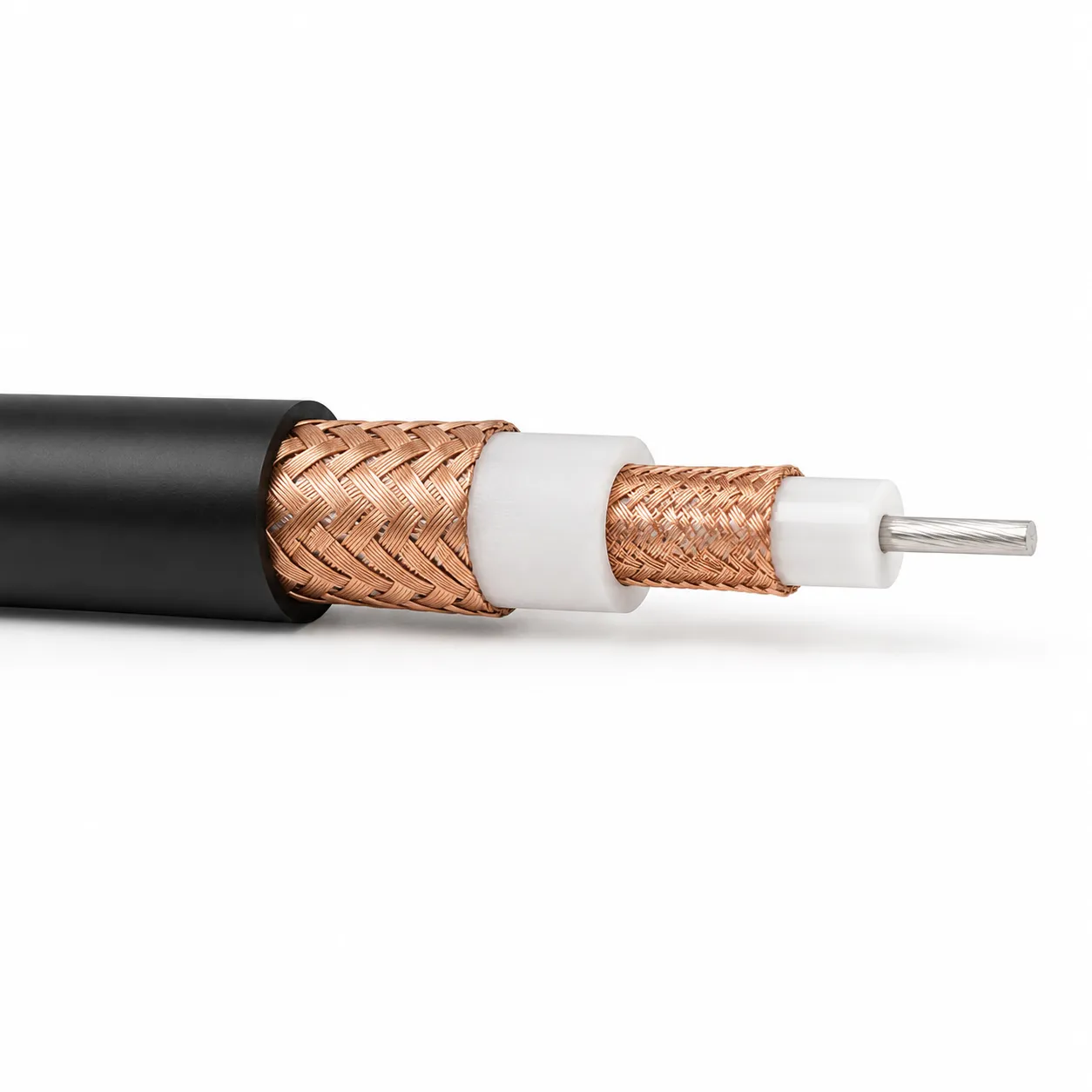
For cable-side planning, the verified product catalog includes LMR400 Low-Loss 50 Ohm Coaxial Cable, Worldpeak RG316 TriCoax Pre-Terminated Cable Assembly, and the Worldpeak RG196 50-Ohm Coaxial Cable: Engineering Data & Selection Guide. Select an assembly or cable only after confirming its published construction and connector configuration against the design—not from its title alone.
Do HDMI and Ethernet requests need a different solution?
An hdmi to coax adapter commonly refers to an active or system-level transport solution, rather than a passive RF adapter coax. Likewise, a coax to ethernet adapter may describe networking equipment that carries data over a coaxial infrastructure. An hdmi to coax cable adapter should be evaluated for its signal-format compatibility, transmitter/receiver requirements, and endpoint equipment. Do not substitute a passive connector adapter for an active format-conversion task.
A fast selection checklist
- Identify both connector families and genders.
- Verify whether the full path is 50 ohm, 75 ohm, or an intentionally engineered transition.
- Set the highest operating frequency and required environmental conditions.
- Choose straight, right-angle, or panel-mount geometry from the real cable route.
- Use confirmed product documentation for the part’s interface, rating, and assembly details.
- Inspect the installed connection before commissioning or returning equipment to service.
A well-chosen adapter coax preserves a planned signal path while giving installers a practical route and technicians a serviceable interface. The quickest selection method is also the safest: verify interface, impedance, frequency, and mounting form as one decision.