EN
EN

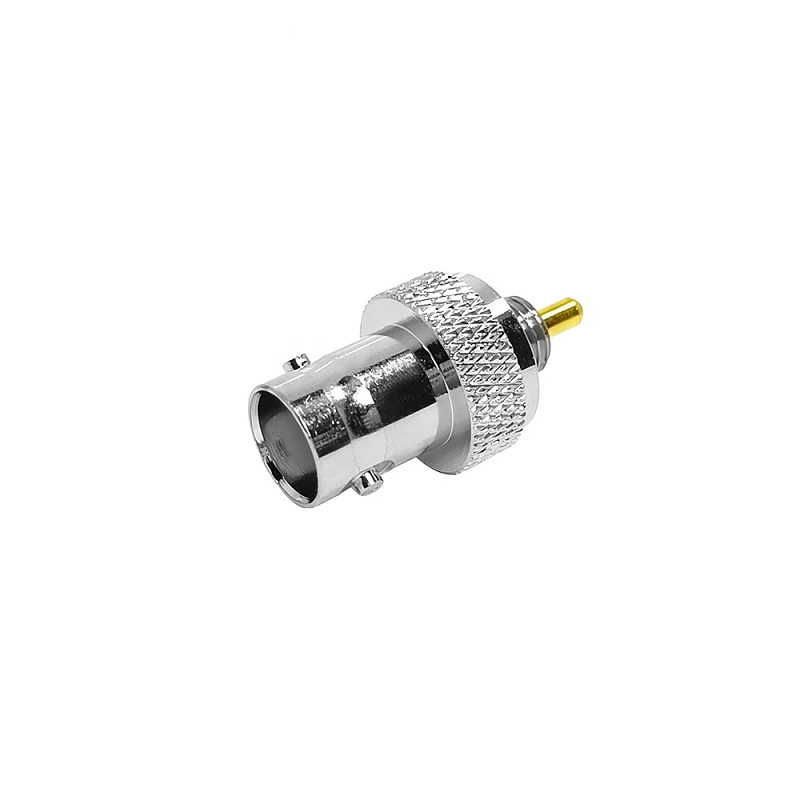
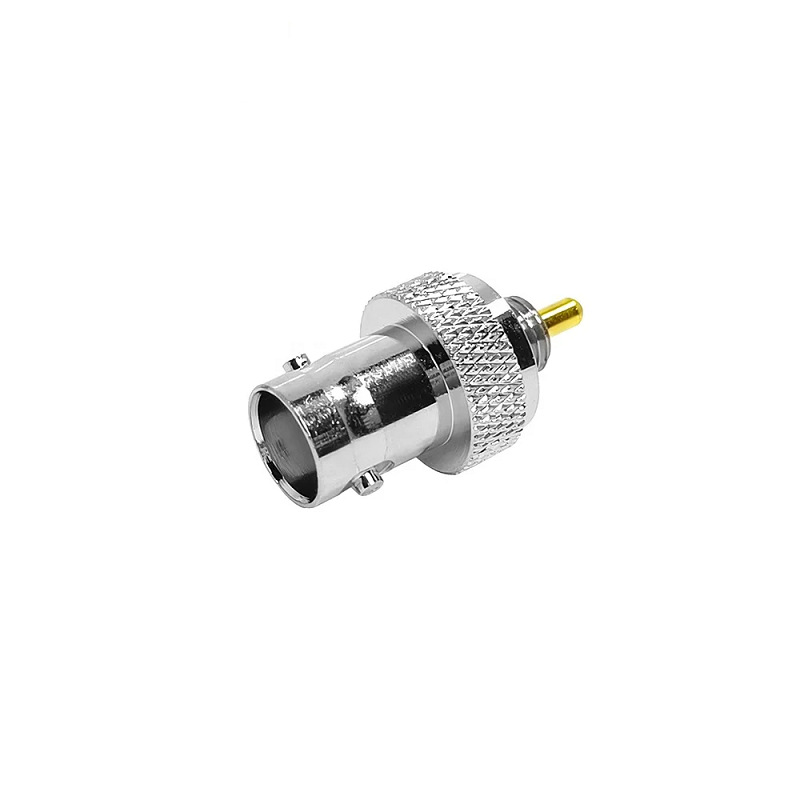
Field testing environments and instrument racks require interconnects that balance quick mating convenience with electrical integrity. While threaded connectors deliver superior mechanical locking under severe vibration, rotating threaded nuts becomes impractical on dense patch panels or during rapid device swaps. A precision bnc male connector solves this operational challenge through a dual-lug bayonet coupling mechanism. With an ergonomic quarter-turn twist, internal spiral ramps pull the connector into positive engagement against an internal wave spring, maintaining steady axial ground contact without demanding dedicated hand tools.
In daily laboratory workflows, an engineer frequently pairs a bnc male cable assembly with a benchtop oscilloscope, signal generator, or function generator. However, assuming that every bnc male interface is interchangeable leads to costly signal degradation. Mismatched characteristic impedance, damaged socket contacts, and poorly shielded male to male coax connector adapters can introduce reflections that corrupt sensitive high-frequency measurements. Selecting an industrial-grade bnc male plug requires evaluating dielectric material stability, contact pin diameter, center conductor plating, and cable clamping techniques to safeguard overall signal fidelity.
Physical and Electrical Discontinuities in Fifty Ohm and Seventy-Five Ohm Systems
A frequent failure mode in video broadcast and telecommunications distribution stems from confusing 50-ohm RF components with 75-ohm transmission lines. Although both configurations utilize identical bayonet outer locking rings, their internal geometries are fundamentally different. A 50-ohm bnc male plug incorporates a full polytetrafluoroethylene dielectric surrounding the center contact pin to achieve a 50-ohm characteristic impedance. In contrast, a 75-ohm bnc male plug eliminates or steps down the solid dielectric, relying on an air-gap insulation layer to meet 75-ohm transmission criteria up to 3 GHz or 12 GHz under SMPTE ST 2082 broadcast standards.
Interface Specification
Fifty Ohm BNC Male Configuration
Seventy-Five Ohm BNC Male Configuration
Engineering Impact of Mismating
Nominal Center Pin Diameter
Approximately 1.32 mm to 1.37 mm
Approximately 1.30 mm to 1.32 mm
Oversized pin spreads and damages female contacts
Internal Dielectric Construction
Full Solid PTFE Dielectric Core
Reduced Dielectric with Air Cushion
Impedance step triggers severe return loss spikes
Frequency Coverage Ceiling
Standard DC to 4 GHz Bandwidth
Extended DC to 3 GHz / 12 GHz (12G-SDI)
Phase cancellation and high VSWR above 1 GHz
Primary Equipment Match
RF Oscilloscopes, Signal Generators, N-Type Bridges
CCTV Monitoring, SDI Video Switchers, CATV Routers
Signal reflections create ghosting and packet drops
| Interface Specification | Fifty Ohm BNC Male Configuration | Seventy-Five Ohm BNC Male Configuration | Engineering Impact of Mismating |
|---|---|---|---|
| Nominal Center Pin Diameter | Approximately 1.32 mm to 1.37 mm | Approximately 1.30 mm to 1.32 mm | Oversized pin spreads and damages female contacts |
| Internal Dielectric Construction | Full Solid PTFE Dielectric Core | Reduced Dielectric with Air Cushion | Impedance step triggers severe return loss spikes |
| Frequency Coverage Ceiling | Standard DC to 4 GHz Bandwidth | Extended DC to 3 GHz / 12 GHz (12G-SDI) | Phase cancellation and high VSWR above 1 GHz |
| Primary Equipment Match | RF Oscilloscopes, Signal Generators, N-Type Bridges | CCTV Monitoring, SDI Video Switchers, CATV Routers | Signal reflections create ghosting and packet drops |
Plugging a standard 50-ohm bnc male into a precision 75-ohm bnc female connector represents a catastrophic mechanical error. The larger center pin of the 50-ohm bnc male permanently splays the slotted spring contact fingers of the delicate 75-ohm bnc female connector. Once deformed, that bnc female connector will never again maintain reliable electrical contact with a proper 75-ohm pin, generating intermittent signal drops and unpredictable insertion loss across the transmission path.
Interconnect Topologies and In-Line Adapter Integration
Complex signal distribution architectures rely on passive hardware to bridge chassis panels, extend feeder lines, and reconfigure test setups. When extending coaxial jumpers across a service rack, technicians deploy a high-grade bnc to bnc connector barrel adapter. A precision bnc to bnc connector housing contains dual back-to-back female receptacles, allowing two separate cables terminated with a bnc male plug to join securely.
Conversely, when two instruments or patch panels present female ports, a dedicated male to male coax connector provides the necessary gender inversion. Utilizing a low-grade male to male coax connector often introduces high contact resistance and impedance bumps. System designers must treat every male to male coax connector and inline bnc to bnc connector as an active source of potential reflection, verifying return loss performance prior to final installation.
Component Identity
Physical Mechanical Architecture
Typical Port Configuration
System Application Example
Standard BNC Male Cable Assembly
Bayonet outer sleeve with solid male center pin
Cable-end male termination
Patching signal generators into front-panel test ports
Bulkhead BNC Female Connector
Threaded outer barrel with D-flat chassis mount
Panel-mount female receptacle
Housing input feedthroughs on shielded metal enclosures
Dual-Female BNC to BNC Connector
Dual-sided bayonet receiver with internal gold socket
Inline female-to-female adapter
Splicing two flexible coaxial cables without soldering
Precision Male to Male Coax Connector
Dual-sided bayonet plug with dual male center pins
Inline male-to-male adapter
Direct coupling between adjacent female monitor ports
| Component Identity | Physical Mechanical Architecture | Typical Port Configuration | System Application Example |
|---|---|---|---|
| Standard BNC Male Cable Assembly | Bayonet outer sleeve with solid male center pin | Cable-end male termination | Patching signal generators into front-panel test ports |
| Bulkhead BNC Female Connector | Threaded outer barrel with D-flat chassis mount | Panel-mount female receptacle | Housing input feedthroughs on shielded metal enclosures |
| Dual-Female BNC to BNC Connector | Dual-sided bayonet receiver with internal gold socket | Inline female-to-female adapter | Splicing two flexible coaxial cables without soldering |
| Precision Male to Male Coax Connector | Dual-sided bayonet plug with dual male center pins | Inline male-to-male adapter | Direct coupling between adjacent female monitor ports |
When designing rack enclosures, mounting a sturdy bnc female connector directly to the enclosure bulkhead provides an isolated ground transition. Integrating an insulated bnc female connector prevents ground loops between internal printed circuit boards and noisy external metal frames. From that bulkhead point, internal wiring transitions seamlessly to semi-rigid lines, while external operators connect a flexible bnc male patch lead without opening the protective cabinet.
Assembly Discipline, Tooling Tolerances, and Crimp Quality
Reliable RF performance depends directly on assembly discipline. While field-serviceable solder-type connectors remain common for ad-hoc repairs, high-volume production demands precision crimp terminations. Terminating a bnc male or bnc female connector requires calibrated multi-cavity hex crimp tools to secure the outer ferrule and center pin to specific cable types such as RG-58, RG-59, or RG-179.
Assembly Operation
Required Inspection Metric
Failure Mechanism
Corrective Engineering Action
Cable Strip Dimensions
Target tolerance within ± 0.15 mm
Exposed braid wires cause electrical shorts
Utilize automated rotary wire-stripping equipment
Center Pin Crimping
Pin indentation height and pull force (> 70 N)
Loose pin pushes back into dielectric
Use calibrated micro-crimp dies matching pin gauge
Outer Ferrule Hex Crimp
Hex flat-to-flat dimensional tolerance
Loose braid slips out; over-crimp cuts core
Verify hex die dimensions with go/no-go pin gauges
Mating Engagement Check
Bayonet stud engagement and spring tension
Intermittent ground contact under vibration
Ensure spring washer exerts continuous axial load
| Assembly Operation | Required Inspection Metric | Failure Mechanism | Corrective Engineering Action |
|---|---|---|---|
| Cable Strip Dimensions | Target tolerance within ± 0.15 mm | Exposed braid wires cause electrical shorts | Utilize automated rotary wire-stripping equipment |
| Center Pin Crimping | Pin indentation height and pull force (> 70 N) | Loose pin pushes back into dielectric | Use calibrated micro-crimp dies matching pin gauge |
| Outer Ferrule Hex Crimp | Hex flat-to-flat dimensional tolerance | Loose braid slips out; over-crimp cuts core | Verify hex die dimensions with go/no-go pin gauges |
| Mating Engagement Check | Bayonet stud engagement and spring tension | Intermittent ground contact under vibration | Ensure spring washer exerts continuous axial load |
Improper stripping allows stray copper shield strands to bridge the dielectric gap, introducing intermittent short circuits when a bnc male mates with a bnc female connector. Furthermore, under-crimping the outer ferrule permits the cable jacket to slide backward under tensile load, breaking internal solder joints or displacing the center pin. Following assembly, every custom bnc to bnc connector patch cord and male to male coax connector lead must undergo automated continuous-sweep vector network analysis to ensure return loss remains superior to 20 dB across the entire operational band.
Manufacturing Precision and Worldpeak Supply Chain Capabilities
Demanding communication, industrial automation, and test environments demand interconnects built to uncompromising standards. Sourcing coaxial connectors requires partners capable of maintaining microscopic tolerances, consistent gold plating chemistry, and complete material traceability. Worldpeak provides comprehensive manufacturing, engineering customization, and international supply chain support for high-frequency coaxial systems.
Worldpeak manufactures premium bnc male plugs, robust bnc female connector bulkhead receptacles, low-loss bnc to bnc connector adapters, and precision male to male coax connector couplers. Utilizing high-precision multi-axis Swiss CNC turning centers, Worldpeak machines connector shells from certified premium brass and stainless steel, paired with slotted beryllium copper spring contacts. Contact pins receive durable electrolytic gold plating over dense nickel underplates, guaranteeing stable electrical conductivity over 500 mating cycles.
Operating under ISO 9001 quality management systems, Worldpeak conducts comprehensive lot inspections, including automated optical profile checks, continuous salt-spray corrosion chambers, and vector network analyzer frequency sweeping up to 18 GHz. Whether fulfilling high-volume OEM orders for custom coaxial cable assemblies, specialized male to male coax connector bridges, or harsh-environment bnc female connector assemblies, Worldpeak delivers dependable engineering solutions and scalable manufacturing to support advanced communications worldwide.