 EN
EN

7/16 DIN Connector Guide: High-Power RF Standard
2026/09/24
Choose a 7 16 connector for high-power RF: compare DIN and Type N, protect PIM margin, and apply field installation checks.
2026/09/01
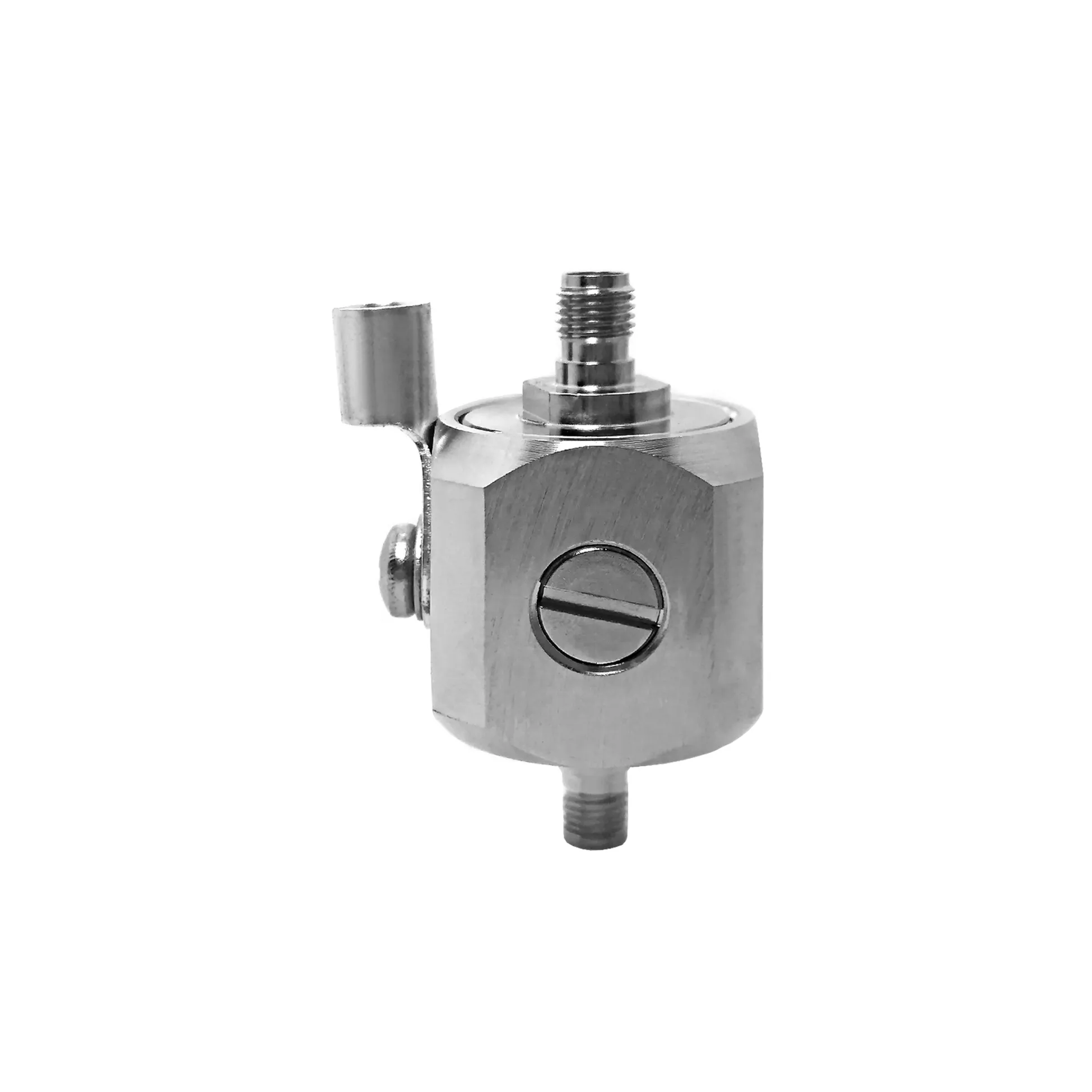
Bridging high-end professional broadcast equipment with everyday consumer displays often turns into a real headache during field installations. On one end, sturdy bayonet-locking interfaces handle critical video feeds; on the other, classic push-on phono jacks handle basic audio and video signals. Having a reliable connector bnc to rca nearby solves this hardware mismatch instantly without cutting cables or soldering new ends on site.
Whether setting up commercial security monitors, retrofitting legacy surveillance systems, or routing bench test equipment to external audio units, mastering these quick-turn interface tools is essential. Understanding how signal impedance, mechanical tolerance, and contact plating interact helps build cleaner, drift-free AV runs. Here is a practical look into bridging these two distinct signal worlds, focusing on everyday installation scenarios, wiring physics, and selecting the right bnc male to rca female hardware.
To understand why an adapter is needed in the first place, looking closer at how each connector family handles electrical signals reveals key engineering differences.
The Bayonet Neill-Concelman design features a positive quarter-turn twist-lock mechanical housing. This bayonet channel prevents accidental disconnections caused by cable strain or equipment rack vibration. Engineered for constant impedance matching—typically 75 ohms for broadcast video and 50 ohms for RF communications—a quality BNC connection operates cleanly at frequencies running past several gigahertz. It remains the baseline standard for CCTV cameras, SDI video routers, oscilloscopes, and studio patch bays.
Originally introduced by the Radio Corporation of America back in the 1930s, the humble RCA or phono connector relies entirely on friction fit. A center pin carries the main signal while an outer metallic ring completes the ground shield path. Because RCA interfaces do not enforce strict, continuous characteristic impedance, high-frequency transmission loss increases rapidly. This limits their use to analog audio, composite video, and low-frequency consumer video devices.
Using a well-machined BNC RCA adapter creates a bridge between these two physical standards, letting solid professional cables plug straight into accessible consumer ports.
Field technicians routinely keep a handful of compact adapters in their toolkit. Converting signal paths on the fly saves hours of rewiring time across several common industry scenarios.
Upgrading commercial surveillance setups frequently creates hardware conflicts. An existing camera network might feature heavy RG59 coaxial cabling terminated with standard BNC twist locks, while a replacement digital recorder or secondary monitor only provides RCA line inputs. Placing a compact bnc male to rca female unit at the back of the recording deck bridges the gap instantly. The physical connection locks tight onto the camera cable, passing clear analog 1080p feeds into the DVR without signal ghosting.
In live broadcast environments or production control rooms, video engineers frequently need to pull a quick feed from a main patch panel to verify camera color or signal timing. Routing a video feed from a SDI or composite BNC output through a simple video adapter allows quick hookups to portable consumer displays or diagnostic monitors.
Test equipment like signal generators and oscilloscopes naturally default to BNC port standards for low noise floor characteristics. When routing lower-frequency test signals or audio sweeps into consumer-grade amplifiers and line receivers, deploying a dedicated BNC RCA adapter keeps bench testing simple and flexible.
Inserting an adapter into a signal path alters physical geometry. To protect video clarity and avoid annoying visual glitches, keeping basic electrical rules in mind pays off.
Composite and component video signals rely strictly on 75-ohm transmission lines to prevent signal reflections. Standard audio lines and general RF gear often run on 50 ohms.
Video Applications: Always select a true 75-ohm rated connector bnc to rca. Using an incorrect 50-ohm variant for high-resolution video causes impedance mismatches, showing up as visual double images, ghosting, or edge blurring across the screen.
Audio and Low-Frequency Runs: Line-level analog audio is much less sensitive to minor impedance variations, making basic adapter hardware completely fine for short cable distances.
Not every signal running through a BNC line translates directly to an RCA socket. Understanding physical limits saves troubleshooting time:
Composite Video (Analog): Fully supported with excellent visual clarity.
Analog Audio Lines: Fully supported over short to medium cable runs.
SDI Digital Video (High Bitrate): Not compatible; digital SDI requires active signal conversion boxes rather than simple mechanical pass-through adapters.
High-Frequency RF Signals: Not recommended due to impedance changes and loss of shield continuity at higher frequencies.
Even simple passive hardware requires proper handling to keep signal noise at a minimum over years of continuous use.
Stacking multiple adapters end-to-end creates cumulative resistance points and loose mechanical joints. Avoid stringing a bnc male to rca female into another gender changer or splitter. Every extra connection interface introduces signal loss and potential noise points. For permanent equipment racks, replacing long adapter runs with a dedicated custom cable is always the best move.
Oxidation is the enemy of low-voltage video feeds. Look for internal contact pins featuring gold plating over nickel. Gold resists corrosion from humidity, maintaining low contact resistance across thousands of insertion cycles. Secure every bayonet twist lock firmly to ensure the ground shield stays completely sealed against ambient electromagnetic interference.
When deploying hundreds of physical connections across large-scale commercial installations, consistent manufacturing tolerances make all the difference between an easy job and endless troubleshooting. Sourcing reliable hardware requires selecting manufacturing partners who understand precision machining and strict quality control.
Suppliers such as Worldpeak focus on high-grade connector engineering, manufacturing every bnc male to rca female interface with low-loss dielectrics, durable metallic shells, and corrosion-resistant contact plating. By enforcing 100% signal transmission sweep tests and strict mechanical inspections across production runs, Worldpeak delivers dependable pass-through components for security integrators, broadcast facilities, and commercial AV installers worldwide.
Integrating the right CCTV connector solution ensures clean video pass-through, robust physical lockups, and steady performance across every system build.
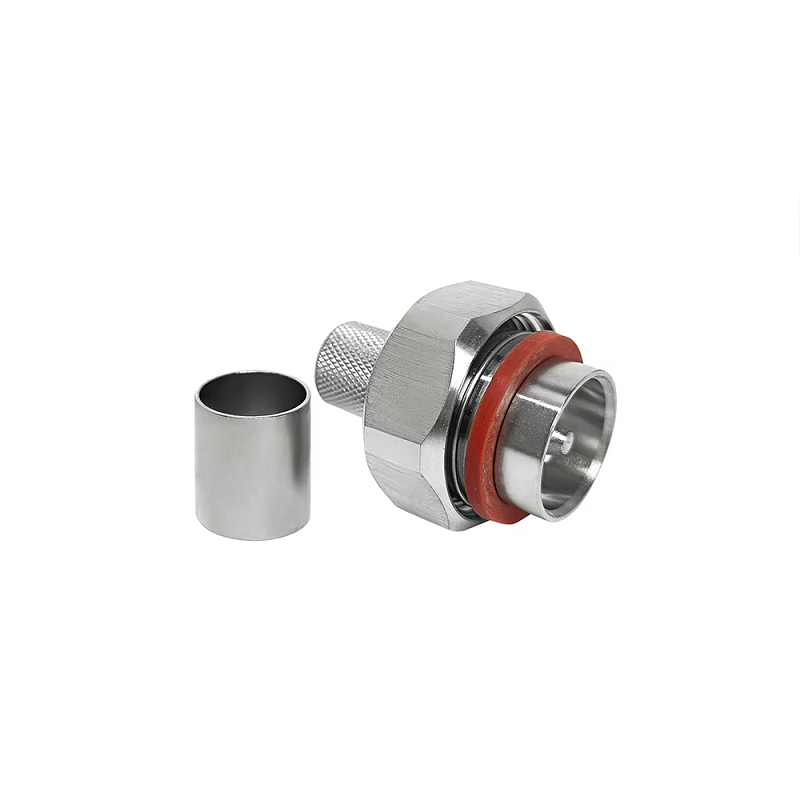
2026/09/24
Choose a 7 16 connector for high-power RF: compare DIN and Type N, protect PIM margin, and apply field installation checks.
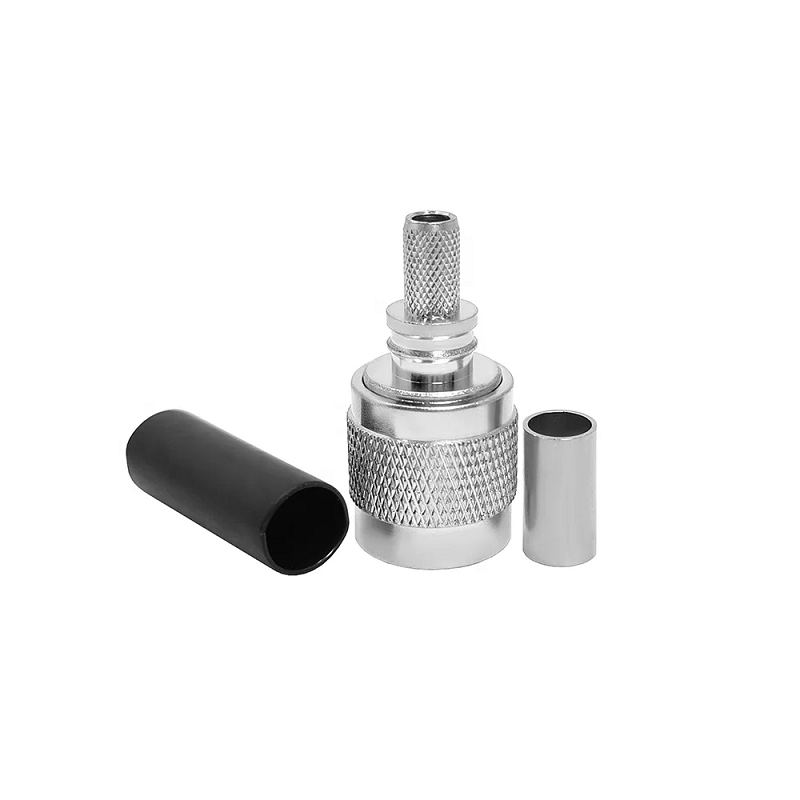
2026/09/24
Compare TNC connector types, specs and applications, including RP-TNC, bulkhead options, vibration performance and adapter selection.
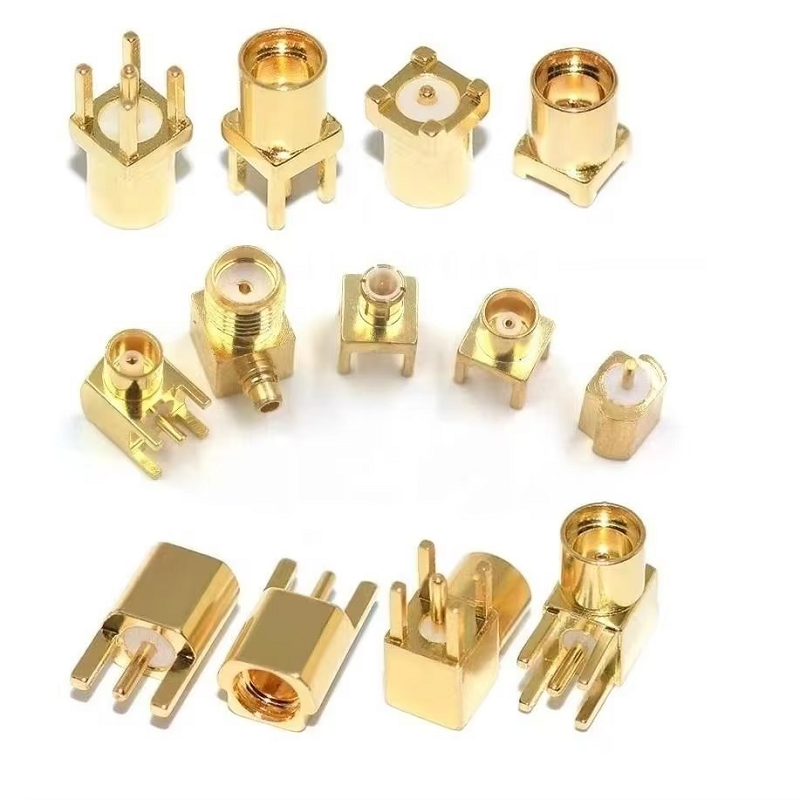
2026/09/24
Understand MMCX connector basics, RF limits, and how to choose the right coaxial interface for compact systems.
2026/09/24
Understand RP-SMA connector polarity, mating rules, frequency checks, and OEM termination options for reliable RF builds.
2026/09/24
Choose the right bnc male connector for RF, CCTV and test systems with clear 50Ω vs 75Ω, type and installation guidance.
2026/09/24
Compare LMR400 specs, cable loss, uses, connectors and RG8/RG213 alternatives with a practical RF loss-budget method.