EN
EN

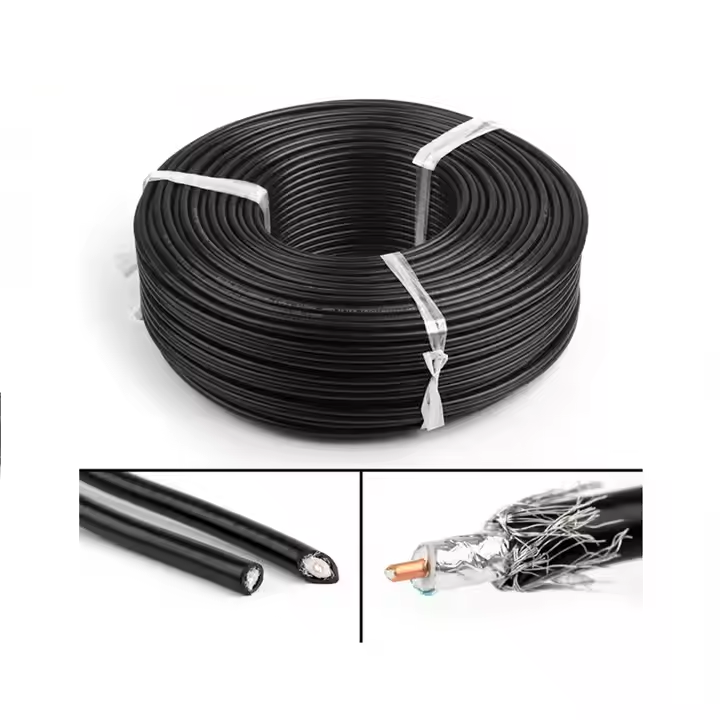
A high-performance coaxial jumper serves as a vital bridge closing short gaps between RF transmitters, base station remote radio units, surge protectors, test fixtures, and primary antenna feeders. Although structurally compact, this short cable assembly directly dictates system reflection coefficients, environmental resistance, and long-term signal stability. System designers must treat every coaxial jumper as a precision transmission path rather than a simple connection lead.
Matching impedance, specifying appropriate cable dielectric geometries, and selecting precision coaxial cable connectors ensures that high-frequency paths maintain peak efficiency without creating dangerous thermal bottlenecks or signal reflections.
Core Electrical Metrics of Coaxial Signal Paths
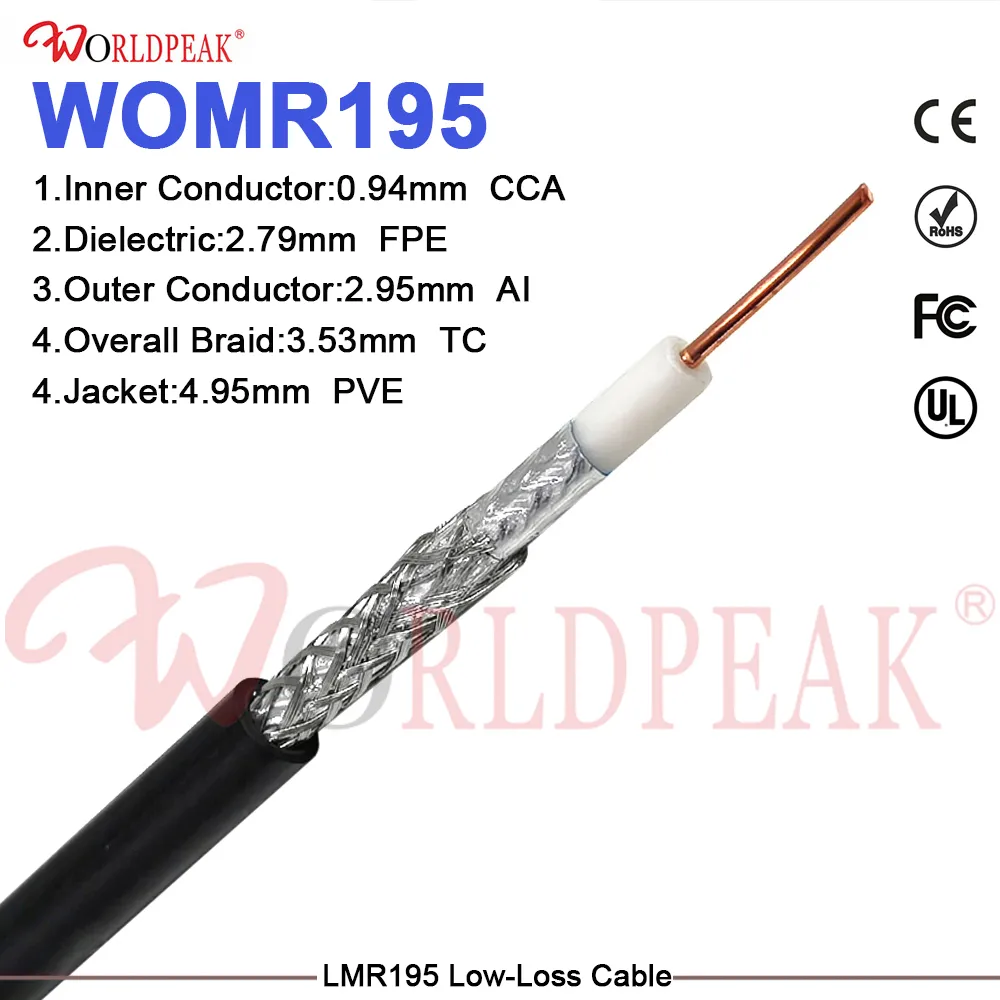
The main function of any coaxial line is delivering high-frequency energy with minimal insertion loss while shielding signal currents from external electromagnetic interference. The center conductor carries the high-frequency signal, while dielectric spacing and outer braid shielding form a controlled return path that defines characteristic impedance.
Most radio, cellular, radar, and lab instrumentation architectures operate strictly on a 50-ohm standard. Deploying an incorrect cable standard—such as a 75-ohm rg 6 coaxial cable intended for broadband TV distribution—into a 50-ohm radio setup causes severe impedance mismatch. This mismatch spikes the Voltage Standing Wave Ratio (VSWR), reflecting power back into the output amplifier and degrading the entire link budget.
Selecting Cable Families for Specific RF Applications
Different operational environments call for distinct coaxial cable configurations. Selecting the optimal cable family requires balancing physical flexibility against signal attenuation.
| Cable Family | Impedance | Primary Application Strengths | Engineering Trade-offs |
| RG58 | 50 Ω | Flexible bench leads and short equipment jumpers | Higher attenuation at frequencies above 2.4 GHz |
| RG8X | 50 Ω | Mobile radio jumpers and amateur radio connections | Intermediate loss profile; requires careful routing |
| LMR400 Class | 50 Ω | Low-loss outdoor antenna feeders and jumpers | Larger bend radius; requires rigid strain relief |
| RG196 / Ultra-Mini | 50 Ω | Dense internal enclosure jumpers and PCB test interfaces | High flexibility; lower power handling capability |
| RG6 | 75 Ω | Broadband CATV, satellite TV, and video distribution | Unsuitable for 50-ohm communication networks |
While a 75-ohm rg 6 coaxial cable excels in broadband video networks, 50-ohm communications rely on dedicated assemblies like RG58 or LMR400. In tight space applications, small-diameter jumpers offer easy routing but exhibit higher attenuation per meter. Conversely, lower-loss cables feature larger outer diameters that demand generous bend clearance during installation.
Selecting Interface Interfaces and Mounting Styles
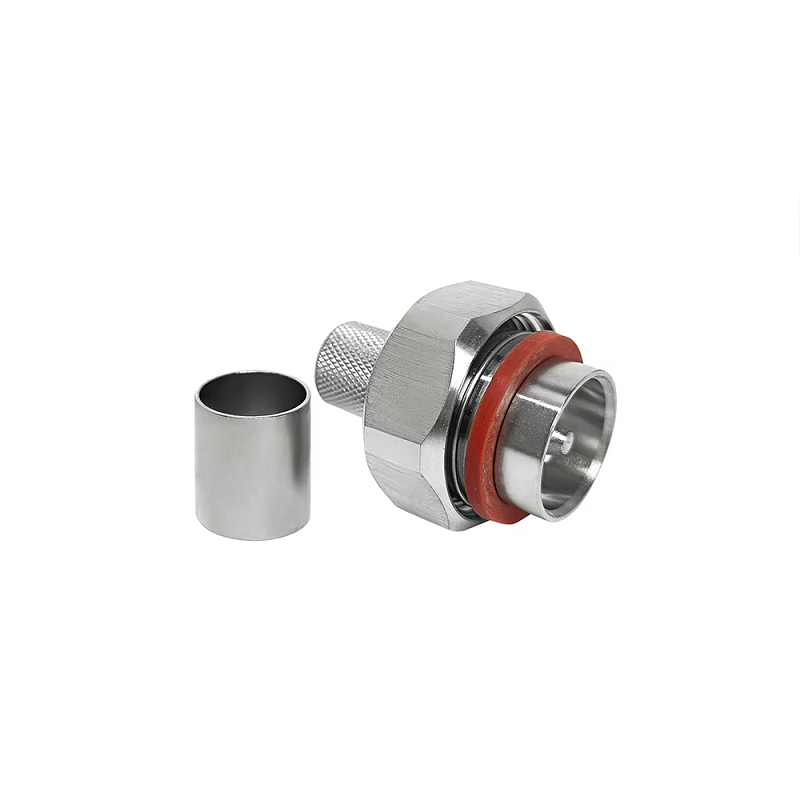
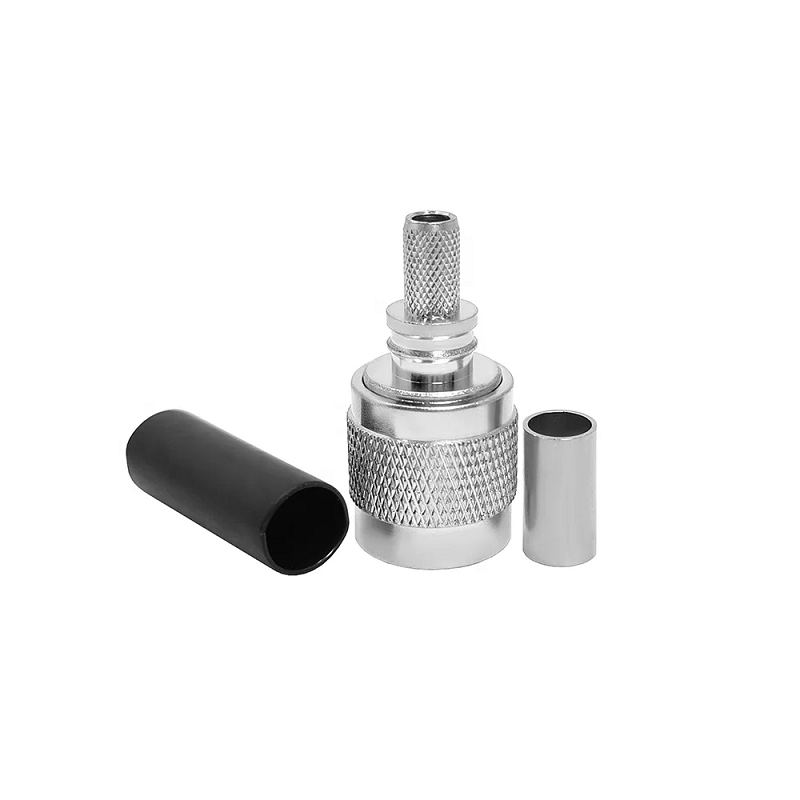
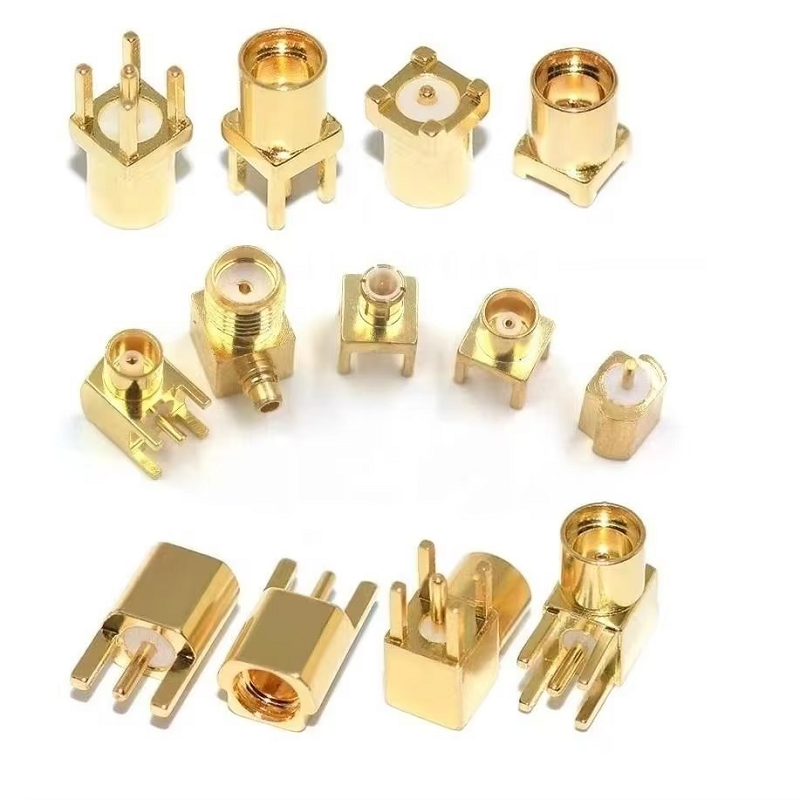
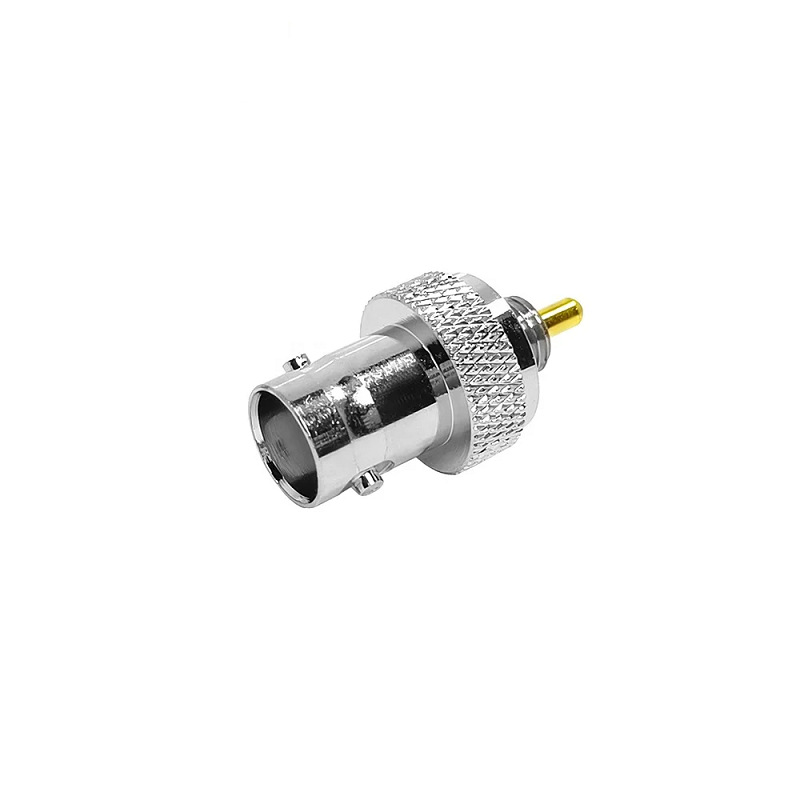
Connector interfaces form the critical contact points of every coaxial jumper. High-quality coaxial cable connectors must match the outer jacket diameter, conductor plating, and cable dielectric to prevent internal air gaps that generate return loss spikes.
When specifying custom assemblies, engineers must define exact interface standards at both ends:
-
Standard Interface Types: SMA, N-Type, BNC, TNC, 4.3-10, or 7/16 DIN interfaces depending on power and frequency requirements.
-
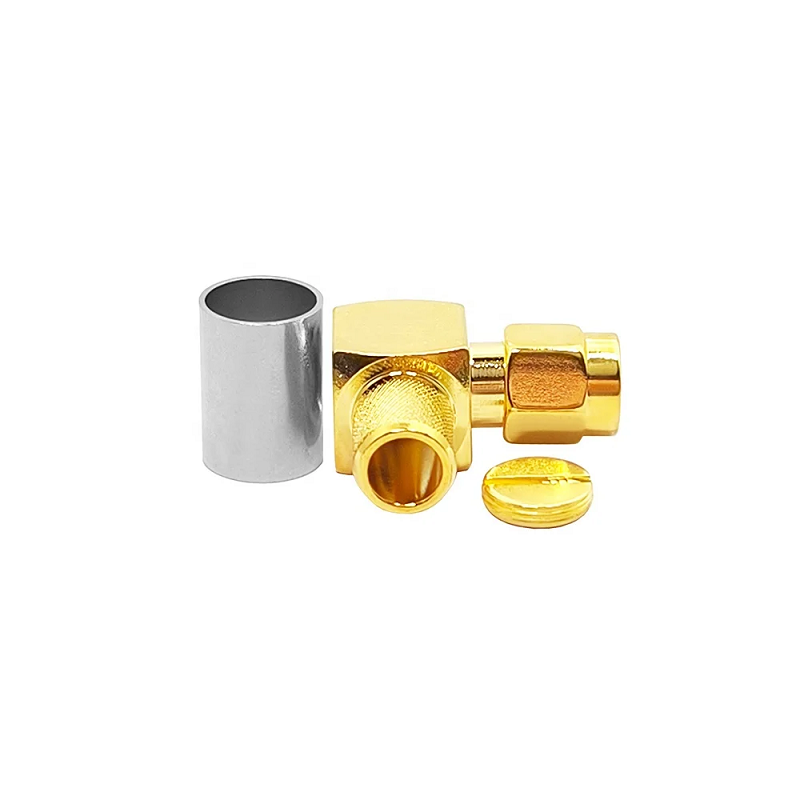
Gender and Geometry: Male or female pins paired with straight or right-angle backshells to optimize routing.
-
Plating and Contact Materials: Gold-plated center pins and tri-metal (white bronze) outer body plating to minimize corrosion and intermodulation.
-
Mechanical Attachment Method: Crimp, solder, or clamp backshells engineered specifically for the target cable dimensions.
Critical Mechanical and Environmental Installation Guidelines
Field failures in high-frequency jumpers rarely stem from raw cable defects; improper mechanical handling during installation causes most issues. Sharp bends forced directly behind coaxial cable connectors distort the internal dielectric core, altering the center-to-braid spacing and degrading VSWR performance.
A general rule for dynamic or static routing is maintaining a minimum bend radius equal to at least ten times the cable's outer diameter. Where space is tightly constrained, utilizing right-angle coaxial cable connectors prevents physical strain on the cable-to-connector junction. Furthermore, outdoor installations demand comprehensive weatherproofing. Applying cold-shrink boots or multi-layer butyl sealing tape over clean, fully torqued connections keeps moisture out of the outer braid, preventing conductor oxidation and signal fade.
Procurement Checklist for OEM System Assemblies
To ensure manufacturing repeatability and avoid integration delays, technical procurement requests for a coaxial jumper should clearly document:
-
System operating frequency, power levels, and target VSWR limits.
-
Nominal impedance requirement (strictly 50-ohm vs 75-ohm).
-
Exact finished assembly length and mechanical length tolerances.
-
Connector series, gender, body orientation, and plating requirements for both ends.
-
Environmental considerations such as UV protection, low-smoke zero-halogen (LSZH) jacketing, or IP67/IP68 waterproofing.
-
Required factory acceptance testing, such as swept VSWR, insertion loss, or Passive Intermodulation (PIM) certification.
Precision Manufacturing and Global Supply Infrastructure
Delivering reliable high-frequency interconnects requires tight manufacturing tolerances, automated processing equipment, and rigorous RF sweep testing. Worldpeak is a premier manufacturer of high-precision RF connectors, adapters, and custom cable assemblies engineered for telecommunications, test and measurement, and industrial infrastructure.
Utilizing automated stripping machinery, calibrated crimping tools, and advanced vector network analyzers (VNAs), Worldpeak produces high-performance coaxial jumper assemblies tailored to exacting OEM specifications. Through strict raw material selection, comprehensive lot traceability, and flexible B2B manufacturing workflows, Worldpeak supports global customers with scalable, highly dependable interconnect solutions built for long-term service.