EN
EN

Custom Coax Cables: Specifications, MOQ and OEM Options
Sourcing custom coax cables for a B2B project is not the same as ordering off-the-shelf assemblies. When I work with procurement teams evaluating coaxial cable suppliers for the first time, the conversation typically starts in the same place: they have a part number, a rough quantity, and a deadline—but no structured process for confirming whether a custom manufacturer can actually deliver to spec. The gap between "we can make that" and "we can make that to your drawing, pass your acceptance criteria, and repeat it at production volume" is where most sourcing problems originate.
This guide covers what B2B buyers need to know about specifying, sampling, and qualifying custom coax cables—from RFQ documentation through MOQ planning and OEM labeling options.
Step 1: Locking Down the Technical Specification
Before approaching any manufacturer for custom coax cables, you need a complete specification document. Incomplete RFQs are one of the most common pain points in coaxial cable procurement: buyers specify cable type and length, but omit connector gender, impedance, or the termination standard. The result is a first article that looks correct but fails system integration.
A complete specification for custom coax cables needs to cover:
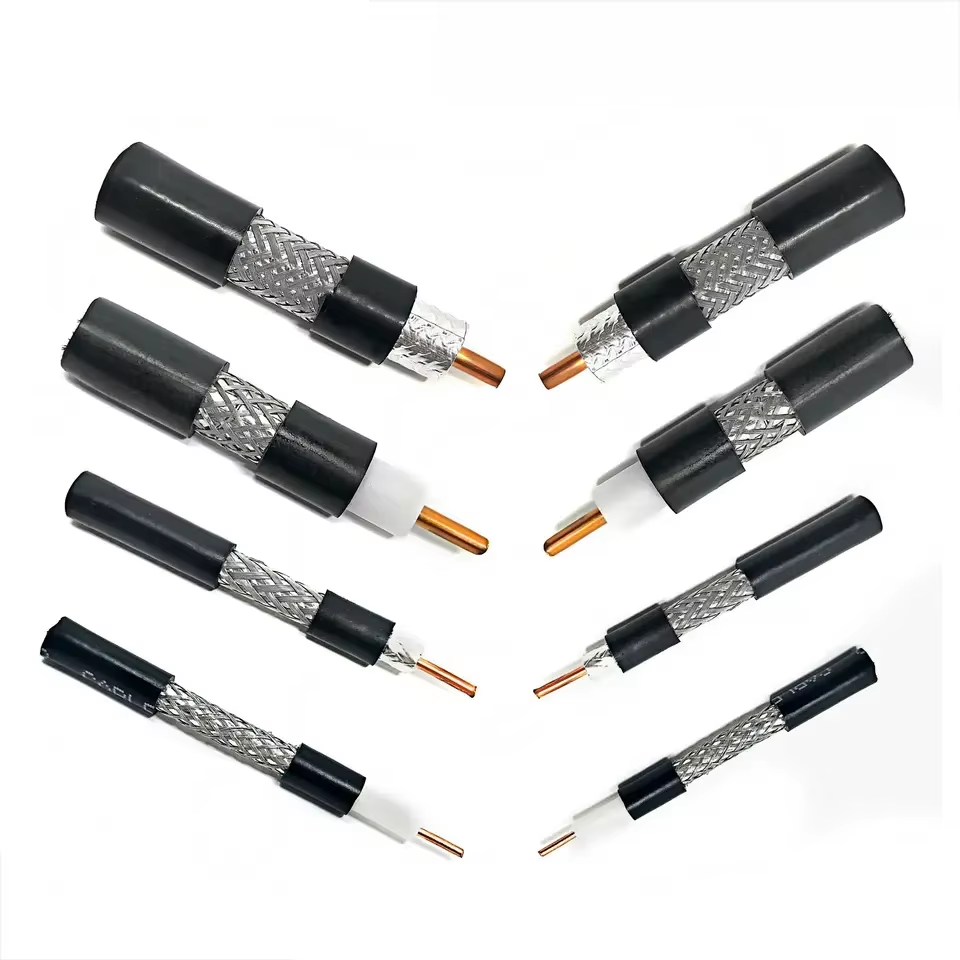
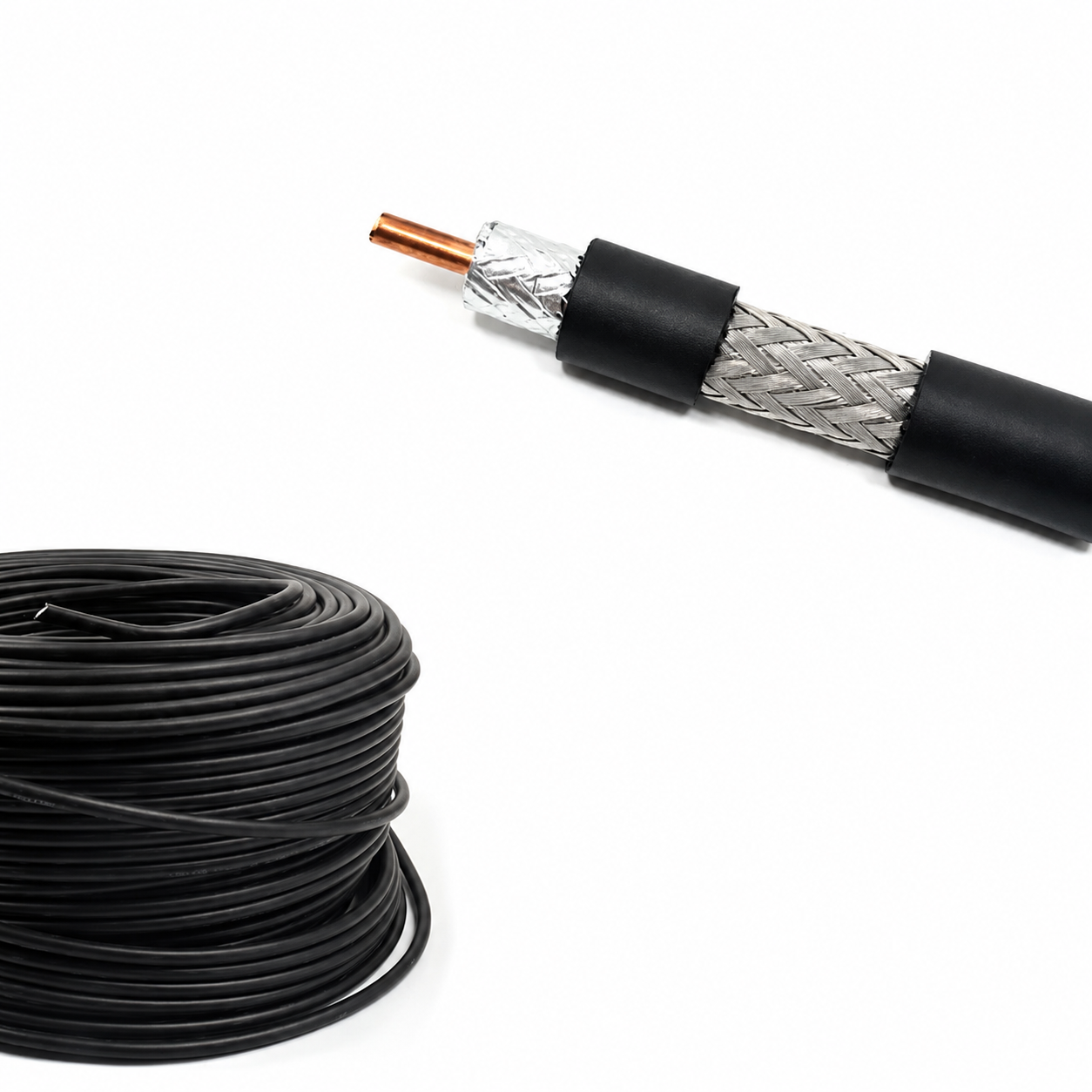
- Cable type and standard: Specify the cable series (e.g., RG316, RG196, RG6) and whether it must conform to a recognized standard such as MIL-DTL-17. RG316, for example, corresponds to M17/113 under MIL-DTL-17, with a silver-plated stranded copper center conductor, PTFE dielectric, and 50-ohm characteristic impedance. If your application requires compliance to that specific standard, say so explicitly—not all manufacturers producing "RG316-style" cable hold the same material traceability.
- Impedance: 50-ohm for RF and telecom applications; 75-ohm for video, CATV, and satellite distribution (which is what RG6 coax cable connectors are designed around). Mixing these in the same system is a wiring error that usually shows up at commissioning rather than incoming inspection.
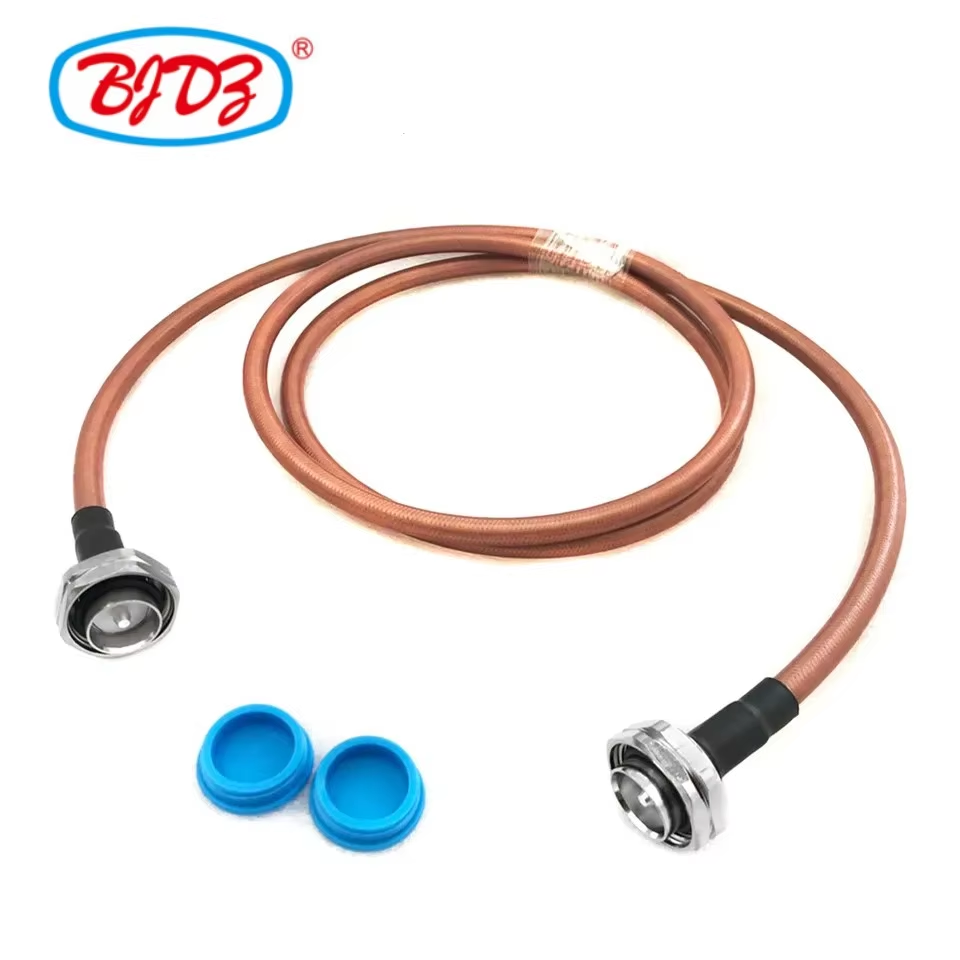
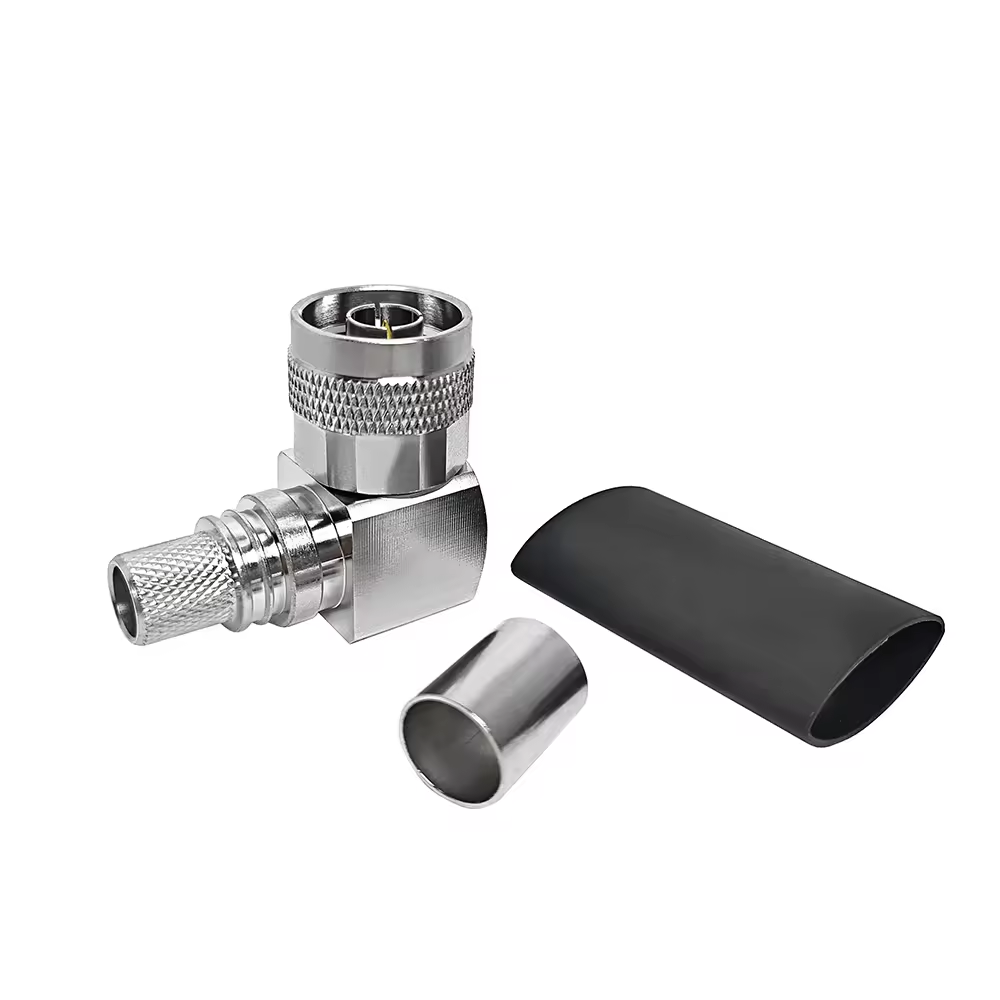
- Connector type and coax cable ends: Specify interface (SMA, N-type, BNC, TNC, 7/16 DIN), gender, polarity (standard vs. reverse polarity), and coupling mechanism (threaded vs. push-pull). Include a call-out for plating material if your application has corrosion or galvanic requirements.
- Length and tolerance: Specify nominal length and the acceptable tolerance band. Phase-matched assemblies require tighter length tolerances and must be called out separately.
- Frequency range and electrical performance: State the maximum operating frequency and any insertion loss limit per meter or per assembly at a defined frequency. This is the criterion your acceptance testing will verify.
- Environmental and mechanical requirements: Operating temperature range, bend radius, IP rating (if the connector interface must be weatherproofed), and any vibration or shock requirements for industrial or defense applications.
For ham radio coax cable applications, the specification is often simpler—typically 50-ohm impedance, PL-259 or SO-239 coax cable ends, and a defined cable series—but the same discipline of documenting specs before the RFQ applies to small antenna feed line orders and large telecom OEM runs alike.
Step 2: Evaluating Manufacturer Capability and Quality System
Once the specification is documented, the next question is whether a given manufacturer can meet it consistently. There is a difference between a manufacturer that can produce a conforming sample and one that can hold those parameters across a production run of 500 or 5,000 assemblies.
For general commercial procurement, ISO 9001 certification is the baseline quality management indicator. It tells you that the manufacturer has a documented process for production control, incoming material inspection, and corrective action—not a guarantee of zero defects, but a system to catch and respond to variation.
For military-specification projects, MIL-DTL-17 compliance is a starting requirement, and the documentation package—material certs, lot traceability records, first-article inspection reports—is substantially more demanding than commercial telecom procurement.
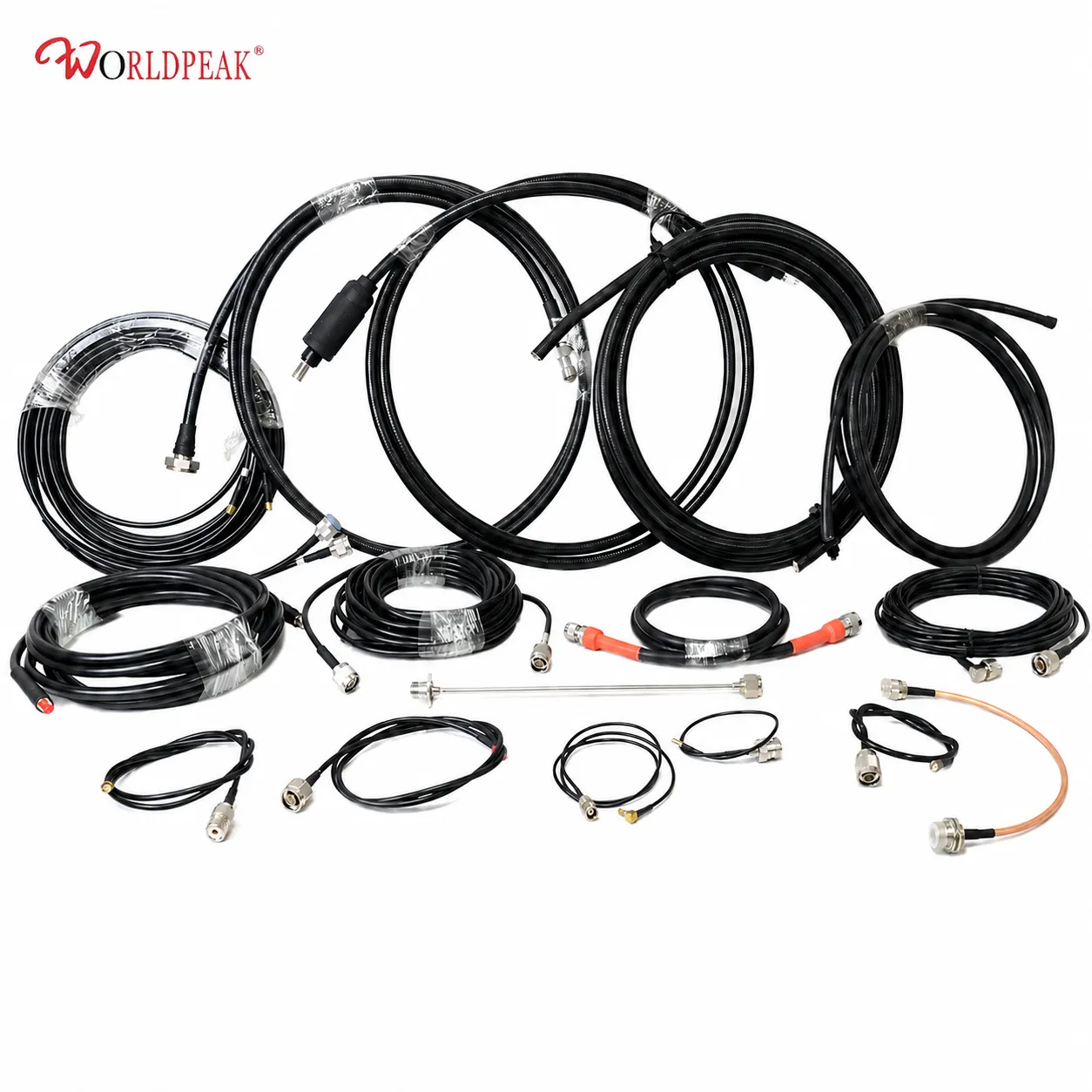
Worldpeak specializes in RF connectors and coaxial cable assemblies with export experience across Europe, North America, and Asia. For OEM buyers, focused specialization typically means deeper cable-connector interface knowledge and the ability to support application-level technical review during the RFQ stage.
When evaluating a manufacturer's capacity for custom production, ask specifically about:
- Pre-shipment electrical testing: does the manufacturer perform insertion loss and VSWR sweeps per assembly, and do they include test data in the shipment documentation?
- Batch-to-batch consistency controls: how is incoming cable and connector material inspected?
- Assembly tooling: what termination and crimping equipment is used, and is torque spec controlled?
Step 3: MOQ Planning and Prototype Runs
MOQ for custom coax cables depends on the configuration. Standard configurations—common cable types, standard connector interfaces, fixed lengths—can typically be ordered in smaller batches than fully custom designs that require unique connector combinations or specialized jacketing. As a general orientation for B2B procurement planning:
- Prototype or sample runs: Usually 10–50 assemblies, intended for first-article inspection and system integration testing. Pricing per unit is higher at this stage. The key purpose is to verify that the manufacturer's production process matches your specification before committing to volume.
- Initial production orders: Typically starting at 100–500 units for standard configurations, depending on cable type and connector complexity.
- OEM production volume: Larger runs with custom labeling, OEM packaging, or branded documentation generally involve higher MOQs and longer lead times due to tooling and setup requirements.
I recommend defining acceptance criteria before placing the production order—not after. Specify the electrical tests, dimensional checkpoints, and documentation package required, then use the prototype stage to verify that the manufacturer can meet each criterion. Accepting a longer lead time for this verification consistently outweighs discovering yield problems in a 2,000-unit production run.
Step 4: OEM Options by Industry Segment
Custom coax cable OEM programs vary significantly by end-use sector:
Telecom and wireless infrastructure: High-volume cable assemblies for base station equipment, small cell deployments, and antenna feed systems. Typical requirements include outdoor-rated weatherproofing, standardized connector interfaces (N-type, 7/16 DIN), and low insertion loss optimized for the feeder cable length. The Worldpeak RG316 TriCoax Pre-Terminated Cable Assembly is an example of a specialized pre-terminated solution for RF signal distribution applications requiring consistent electrical performance across multiple coaxial paths in a single cable.
Industrial and test equipment: Custom cable assemblies for instrumentation, automated test equipment, and industrial RF systems. These applications often involve semi-rigid or low-loss flexible cables with tight impedance and phase tolerances. For 50-ohm coaxial cable in instrumentation and laboratory environments, the Worldpeak RG196 50-Ohm Coaxial Cable provides engineering data and selection guidance relevant to specifying performance-matched assemblies for measurement-critical links.
Defense and military: MIL-DTL-17 cable stock with full traceability documentation, first-article inspection reports, and acceptance testing against defined pass/fail criteria. Lead times are typically longer due to documentation requirements, and MOQs may be set to accommodate lot-controlled manufacturing.
Step 5: Acceptance Testing and Delivery Verification
A production shipment of custom coax cables should be accompanied by verifiable test data. At minimum, ask for:
- Insertion loss sweep at the specified frequency range (typically from DC to the rated maximum frequency)
- VSWR measurement confirming the assembly meets the specified return loss target
- Continuity and isolation verification confirming correct termination on both coax cable ends
- Dimensional check on length (particularly for phase-matched assemblies)
The most common gap I see is buyers who verify electrical performance on a sample basis only, then discover batch-level inconsistency after production integration. Per-assembly test records eliminate this risk for quality-critical OEM applications. Manufacturers who include test data as a standard deliverable—not an add-on—typically have the quality management process to support consistent OEM supply.
Summary Checklist for B2B Custom Coax Cable Procurement
- Complete specification document before RFQ: cable type, impedance, connector interfaces, length tolerance, frequency range, environmental requirements
- Verify manufacturer quality system: ISO 9001 for commercial, MIL-DTL-17 material compliance for defense
- Define acceptance criteria before production order: electrical tests, dimensional checks, documentation package
- Plan prototype run for first-article verification: 10–50 assemblies at OEM-equivalent quality level
- Confirm MOQ and lead time for production volume: account for any custom labeling or OEM packaging requirements
- Require per-assembly or per-lot test data with shipment
The total cost of a custom coax cable procurement decision includes specification rework, first-article failures, and batch rejects—not just unit price. Choosing a manufacturer with the quality system to hold your specification consistently is the lower-cost path over a project lifecycle.