 EN
EN

7/16 DIN Connector Guide: High-Power RF Standard
2026/09/24
Choose a 7 16 connector for high-power RF: compare DIN and Type N, protect PIM margin, and apply field installation checks.
2026/08/25
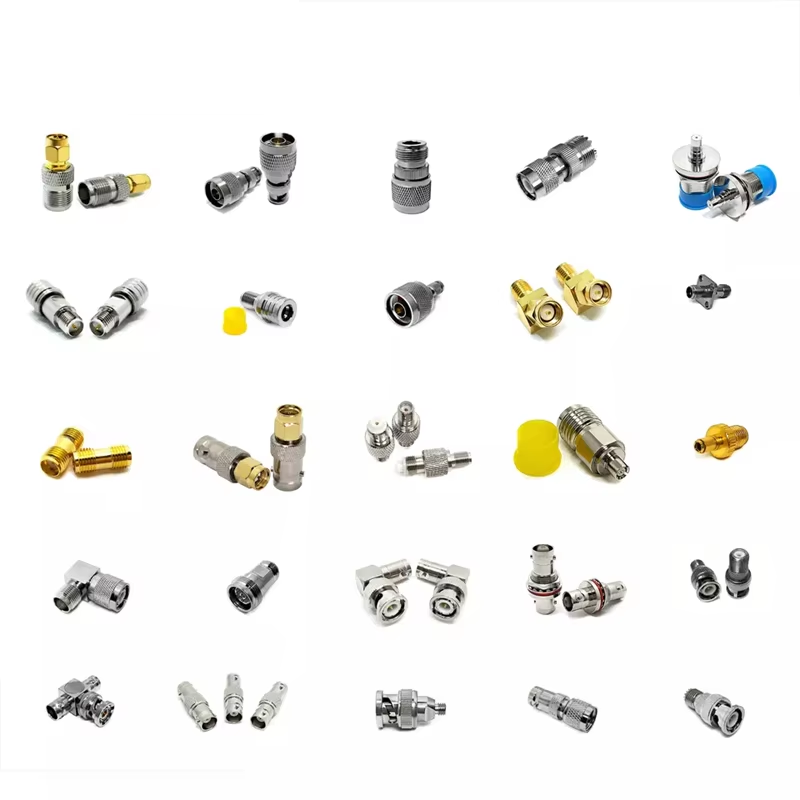
Every radio frequency laboratory eventually faces a classic connectivity puzzle: two coaxial cables, both terminating in female ends, with no direct way to join them together. The standard solution is a reliable female to female coax cable connector, commonly known as a barrel adapter or coupler, and referenced under various catalogs as a coax coupler female to female or a barrel connector coax depending on the supplier. Over years of building, maintaining, and repairing RF test setups, engineers utilize these compact components constantly because they solve immediate structural challenges: extending a short run, joining a cable pigtail to a primary line, or adapting a fixed device port into a more convenient connection interface. This comprehensive guide compares the top female to female coax cable connector options available today, analyzes essential technical parameters, and explains when to deploy each specific variant.
When technicians need to extend a coaxial run involving two female ends, two primary methodologies exist. A standard barrel adapter, often cataloged as a female to female coax cable connector, features a short, rigid metal body that couples two matching cables directly together. This approach adds almost zero physical length and introduces minimal signal loss.
Alternatively, an extension cable consists of a flexible length of coax featuring female connectors on both ends, serving as the ideal choice when the physical gap between two components spans more than a few centimeters. As a general rule of thumb, technicians utilize a rigid barrel adapter for neat organization inside equipment racks or patch panels, while deploying a premade female to female coax cable extension when distance or physical flexibility is strictly required. Choosing the incorrect component often leads to a rigid, stress-prone joint or an unnecessary tangle of excess cabling. Keeping a versatile female to female coax cable connector in every mobile field toolkit ensures readiness for sudden gender-flip emergencies.
The broader female to female coax cable connector family encompasses all major radio frequency interfaces utilized in modern engineering. For example, BNC barrels remain standard for general test equipment and video broadcasting, heavy-duty N type barrels handle higher power levels and outdoor communication runs, and TNC barrels incorporate threaded coupling mechanisms to maximize vibration resistance.
Each specific variant must precisely match the system's characteristic impedance, whether configured for 50 ohm or 75 ohm environments. High-quality manufacturers sweep every individual coax coupler female to female component before factory release, as an adapter with a flawed voltage standing wave ratio curve can severely disrupt an otherwise clean transmission path. Matching the correct interface dimensions to the operational application ensures optimal signal transfer without reflections.
One of the most valuable additions to any laboratory inventory is the specialized sma female to coax adapter, which enables technicians to easily convert an instrument's SMA-female device port into a standard cable interface or join two separate SMA-female pigtails seamlessly. Because SMA connectors dominate modern module-level radio frequency applications up to 18 GHz, an sma female to coax adapter configured as a bulkhead coupler serves as a standard fixture on test benches, IoT development boards, and instrument front panels.
Similarly, an sma female to sma female adapter provides direct port-to-port joining capabilities when building complex testing arrays. When procuring these components, buyers should verify three core factors: surface plating quality, where gold is heavily preferred for corrosion prevention; the verified frequency rating stamped onto the metal body; and exact system impedance matching. A high-grade sma female to coax adapter maintains consistent performance with minimal insertion loss across the entire frequency band, which is vital when characterizing sensitive filters, oscillators, or amplifiers.
Every female to female coax cable connector introduces a minor amount of insertion loss and a negligible reflection coefficient. A subpar barrel connector coax featuring a poor voltage standing wave ratio curve will negatively impact the overall return loss budget of a transmission line. A premium barrel component contributes less than 0.1 dB of insertion loss and maintains a low standing wave ratio across its rated operating frequency band.
Engineers must always confirm system impedance before installation; introducing a 75 ohm barrel into a 50 ohm transmission path creates an immediate impedance mismatch that degrades signal integrity. Furthermore, verifying frequency ratings is essential, as components designed for 4 GHz behave entirely differently when subjected to 18 GHz microwave environments. For harsh outdoor installations, technicians should select a weather-sealed female to female coax cable connector equipped with internal rubber gaskets to prevent moisture ingress.
Properly installing a female to female coax cable connector requires careful attention to detail and adherence to proper torque specifications. First, verify both impedance ratings and connector genders before mating, as mismatched components create immediate signal reflections. Second, hand-tighten the coupling nuts securely, then apply a gentle quarter-turn using a calibrated torque wrench, taking care never to force an sma female to coax adapter past its mechanical limits.
Third, perform a network analyzer sweep to confirm that the coax coupler female to female behaves precisely like a straight section of coaxial cable. Fourth, label every installed female to female coax cable connector clearly within patch bays so maintenance personnel can easily identify connection points. Fifth, maintain adequate stock of spare sma female to sma female adapter units and weatherproof barrel connector coax options for outdoor field deployments.
When purchasing female to female coax cable connectors in high production volumes, engineering procurement teams must evaluate material composition, plating durability, certified frequency limits, batch test reports, and custom OEM packaging support. Partnering with a specialized manufacturer that produces its own components ensures strict control over mechanical tolerances and guarantees consistent product quality.
Worldpeak stands out as an established industry leader, delivering comprehensive adapters and couplers across BNC, SMA, N, and TNC interfaces. Backed by over 17 years of specialized RF manufacturing experience, extensive inventory featuring over 638 stocked SKUs, and rigorous network analyzer testing on every production batch, Worldpeak provides reliable supply chain solutions. For commercial buyers and system integrators, sourcing dependable female to female coax cable connector solutions ensures long-term operational stability and flawless signal performance across demanding global projects.
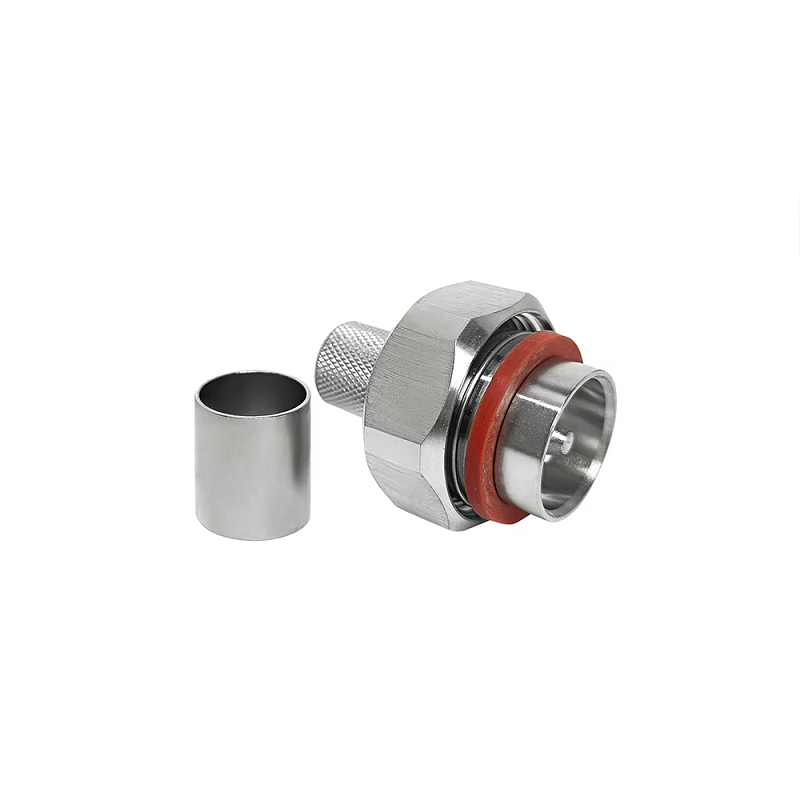
2026/09/24
Choose a 7 16 connector for high-power RF: compare DIN and Type N, protect PIM margin, and apply field installation checks.
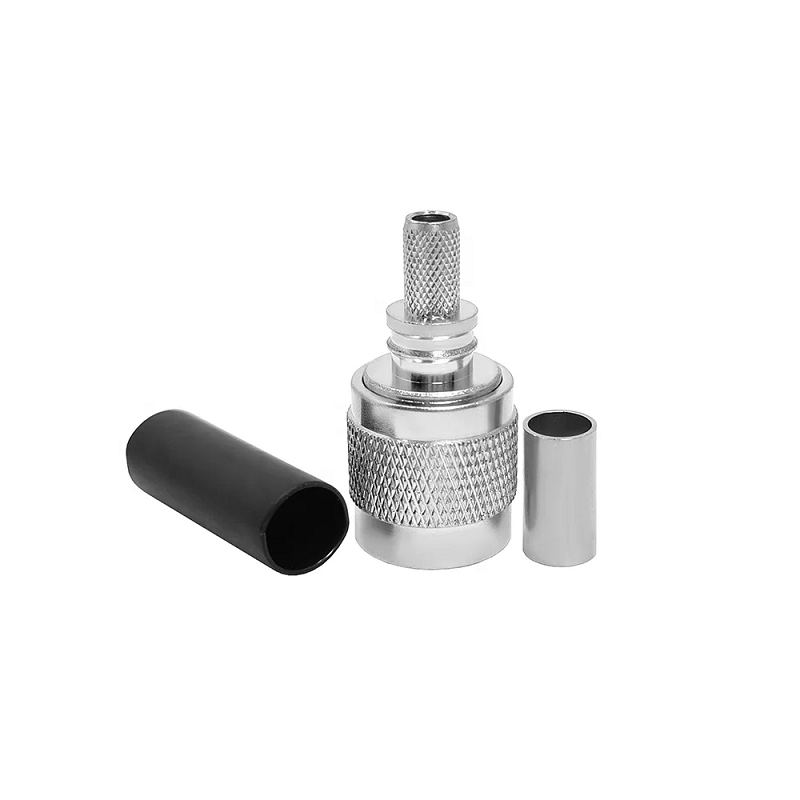
2026/09/24
Compare TNC connector types, specs and applications, including RP-TNC, bulkhead options, vibration performance and adapter selection.
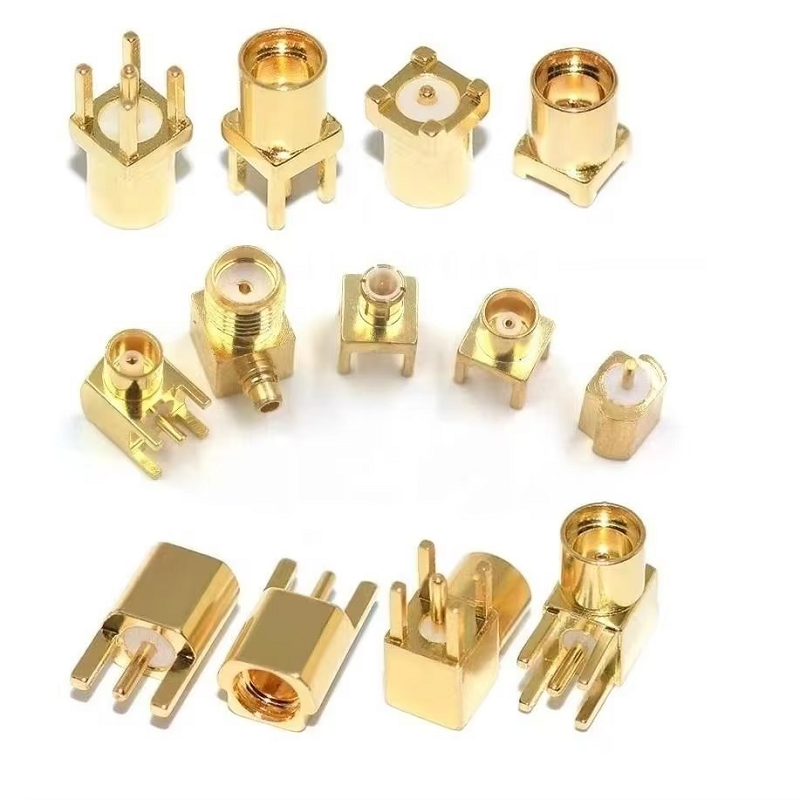
2026/09/24
Understand MMCX connector basics, RF limits, and how to choose the right coaxial interface for compact systems.
2026/09/24
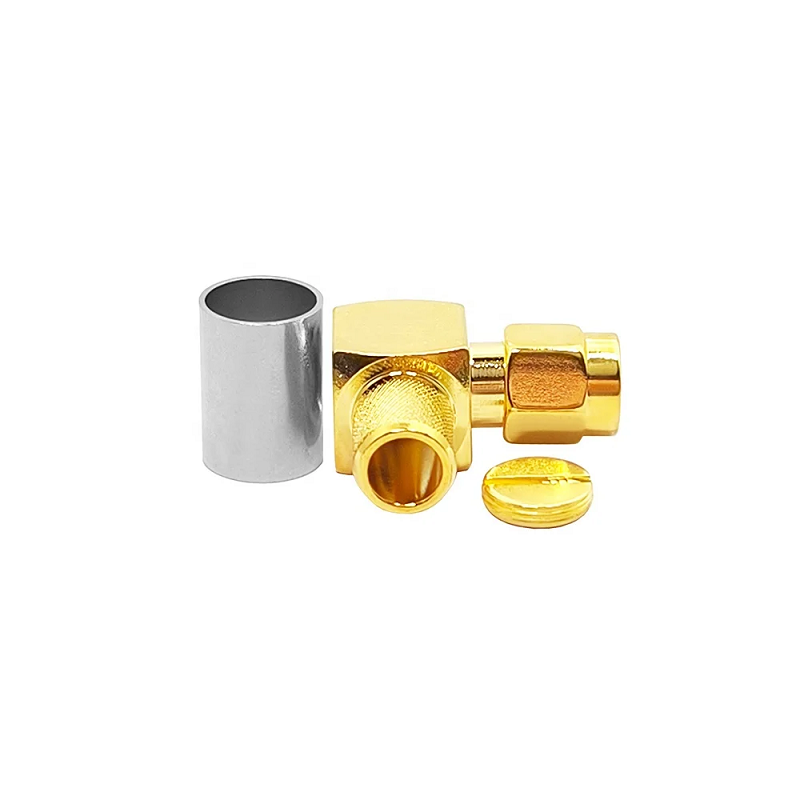
Understand RP-SMA connector polarity, mating rules, frequency checks, and OEM termination options for reliable RF builds.
2026/09/24
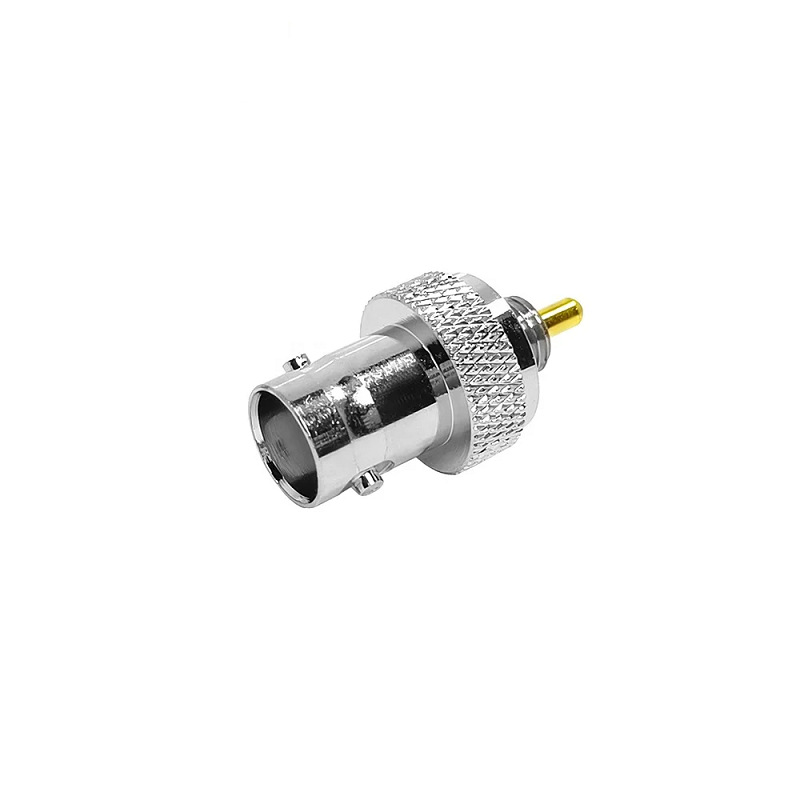
Choose the right bnc male connector for RF, CCTV and test systems with clear 50Ω vs 75Ω, type and installation guidance.
2026/09/24
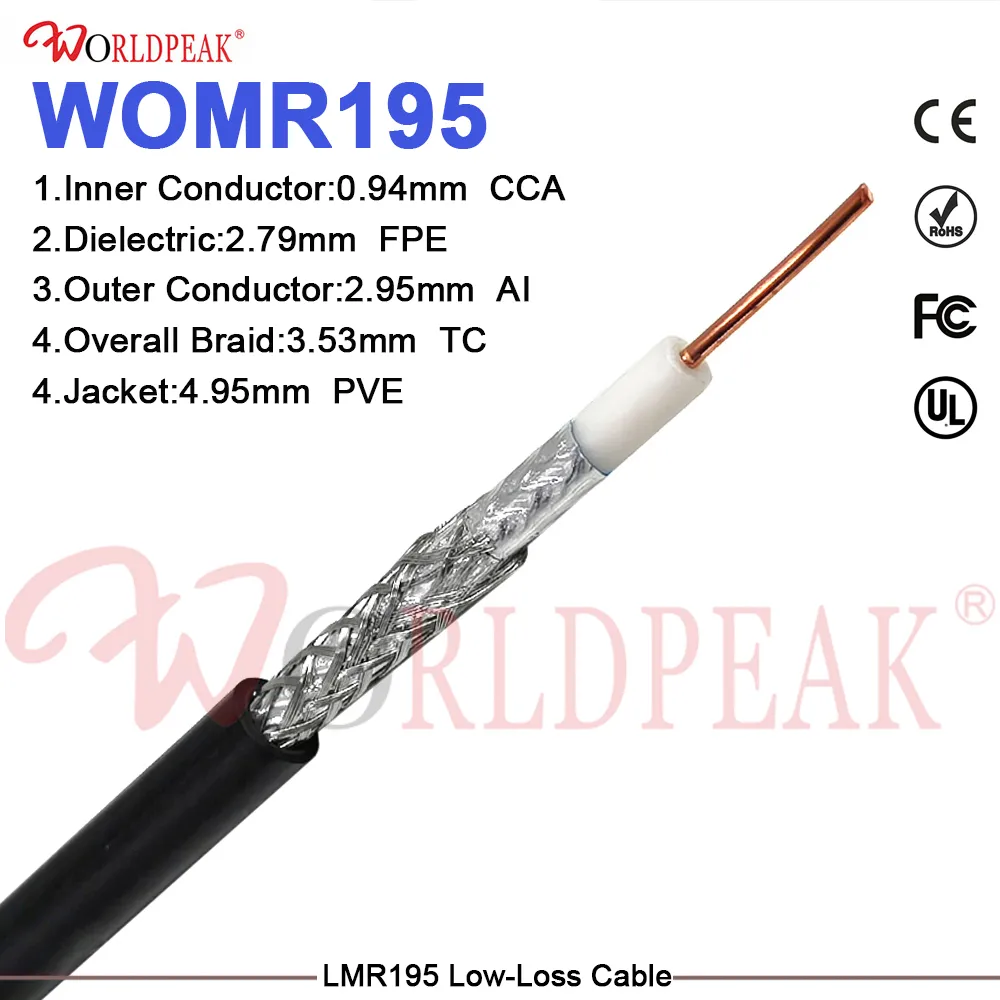
Compare LMR400 specs, cable loss, uses, connectors and RG8/RG213 alternatives with a practical RF loss-budget method.