 EN
EN

7/16 DIN Connector Guide: High-Power RF Standard
2026/09/24
Choose a 7 16 connector for high-power RF: compare DIN and Type N, protect PIM margin, and apply field installation checks.
2026/08/25
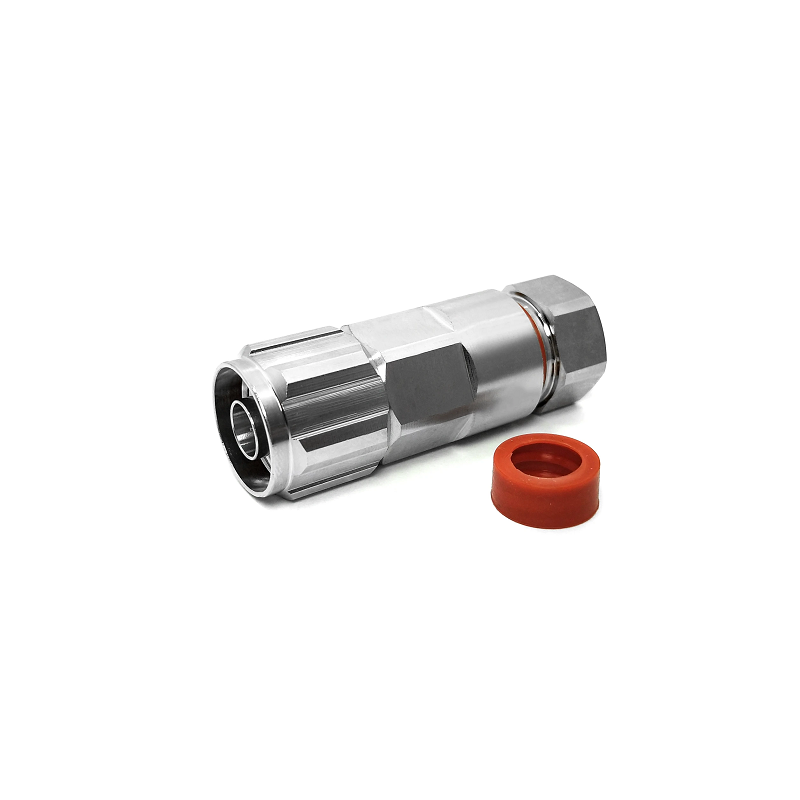
Choosing between an n type sma transition and traditional alternatives remains a critical decision for RF engineers on nearly every project. Because the interface sets the frequency limits, power thresholds, and environmental resilience of the entire transmission link, selecting the right hardware prevents costly field failures. Base stations, broadcast transmitters, and laboratory test benches demand rigorous planning, proving that no single interface fits every application. Each option trades off physical size, insertion loss, power capacity, and manufacturing cost differently. Evaluating the n type sma combination against BNC, TNC, and standard N interfaces clarifies when a specialized type n to sma cable delivers the optimal engineering solution.
The classic N connector is a threaded, weather-resistant 50-ohm interface rated up to roughly 11 GHz. It is widely recognized for superior power handling and mechanical stability in outdoor installations. Conversely, the SMA connector is a smaller, precision-threaded interface rated up to 18 GHz, making it the preferred choice for module-level circuitry and microwave hardware.
An n type sma assembly—typically deployed as an n to sma adapter or a custom type n to sma cable—bridges these distinct worlds. Large, low-loss outdoor feeder lines connect seamlessly to compact radio hardware without creating a performance bottleneck. Because both connectors maintain a nominal 50-ohm impedance and utilize threaded coupling, a high-quality transition minimizes signal reflection and voltage standing wave ratio (VSWR) spikes.
Engineers frequently weigh the n type sma topology against alternative interfaces depending on mechanical constraints and operational frequencies.
N Type SMA vs. BNC: BNC utilizes a bayonet coupling mechanism rated to approximately 4 GHz with modest power capabilities. While BNC allows fast connection times and low initial costs for basic test benches, an n type sma configuration delivers superior frequency range, robust outdoor shielding, and substantially higher power handling.
N Type SMA vs. TNC: TNC serves as the threaded counterpart to BNC and extends performance up to 11 GHz. However, standard N interfaces utilize a larger center pin and robust 5/8-inch threading, yielding lower insertion loss and higher power capacity than compact TNC hardware.
N Connector vs. SMA: A direct n connector vs sma evaluation highlights that N connectors excel in durability and high-power transmission, whereas SMA connectors provide high-frequency performance within miniaturized footprints.
Deciding between a rigid adapter and a flexible type n to sma cable assembly depends entirely on physical layout and environmental stress factors.
An adapter works well for short, rigid transitions at fixed equipment racks. However, a flexible type n to sma cable proves essential when radio hardware and outdoor antenna lines are separated by physical distance or require complex routing inside a crowded enclosure. Factory-built cable assemblies utilizing low-loss dielectrics like LMR400 or RG8 maintain minimal insertion loss while providing factory-swept VSWR test data. Eliminating daisy-chained adapters in favor of a single certified cable run frequently improves link margins by fractions of a decibel—a critical gain in remote wireless backhauls.
A regional broadcaster recently replaced an aging legacy transmitter with a modern, compact unit featuring SMA output ports, while the existing tower infrastructure terminated in heavy-duty N type connectors. The project team evaluated three distinct approaches: re-terminating the heavy tower line, installing a stack of rigid adapters, or deploying a custom type n to sma cable.
Re-terminating the main line risked disrupting strict airtime schedules, while stacking rigid adapters introduced mechanical stress and vibration vulnerabilities directly at the equipment rack. The winning engineering choice was a custom, factory-tested type n to sma cable featuring a flexible low-loss jacket. The installation passed rigorous high-power transmission tests in a single session, and the associated swept VSWR compliance report was archived directly into the station engineering logs.
When planning an n type sma interconnect, engineers must verify several core parameters to guarantee long-term reliability:
Confirm the exact frequency operating band and peak power handling requirements.
Verify port gender and mating polarity on both the radio and antenna sides.
Select appropriate cable shielding and dielectric materials if deploying a type n to sma cable.
Specify environmental sealing, such as weatherproofing boots for outdoor tower runs.
Demand comprehensive factory test documentation and network analyzer sweeps.
Inspect plating quality, as inferior surface finishes degrade rapidly in outdoor saline or humid environments.
Ordering an n type sma transition involves defining four primary fields: the N-side gender, the SMA-side gender, the cable construction type, and the operating frequency band. Most standard radio-to-antenna links require an N-female to SMA-male or N-male to SMA-female configuration. Requesting a detailed mechanical mating diagram alongside initial procurement quotes prevents costly ordering mistakes.
For high-volume engineering projects, supply chain success relies heavily on manufacturer process control, in-house precision machining, plating consistency, and batch-level network analyzer testing. Zhenjiang Worldpeak designs and manufactures professional-grade N-type connectors, SMA components, and specialized type n to sma cable assembly products across an extensive catalog. Backed by extensive industry experience serving global telecommunication and broadcast customers, manufacturing partners like Zhenjiang Worldpeak ensure that every RF transition meets stringent international quality standards, transforming a potential system weak point into a fully traceable, high-performance link.
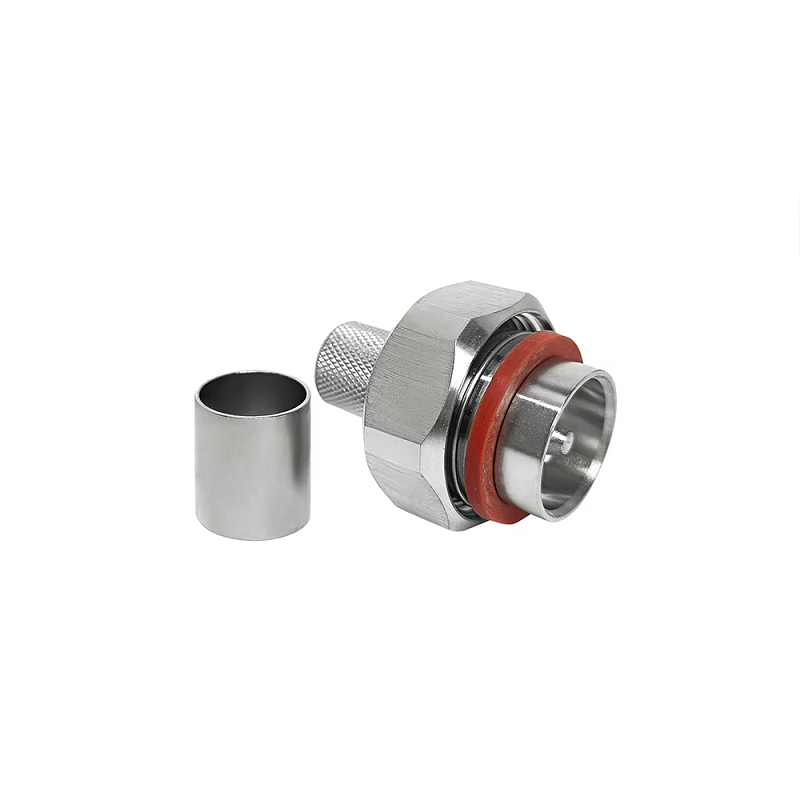
2026/09/24
Choose a 7 16 connector for high-power RF: compare DIN and Type N, protect PIM margin, and apply field installation checks.
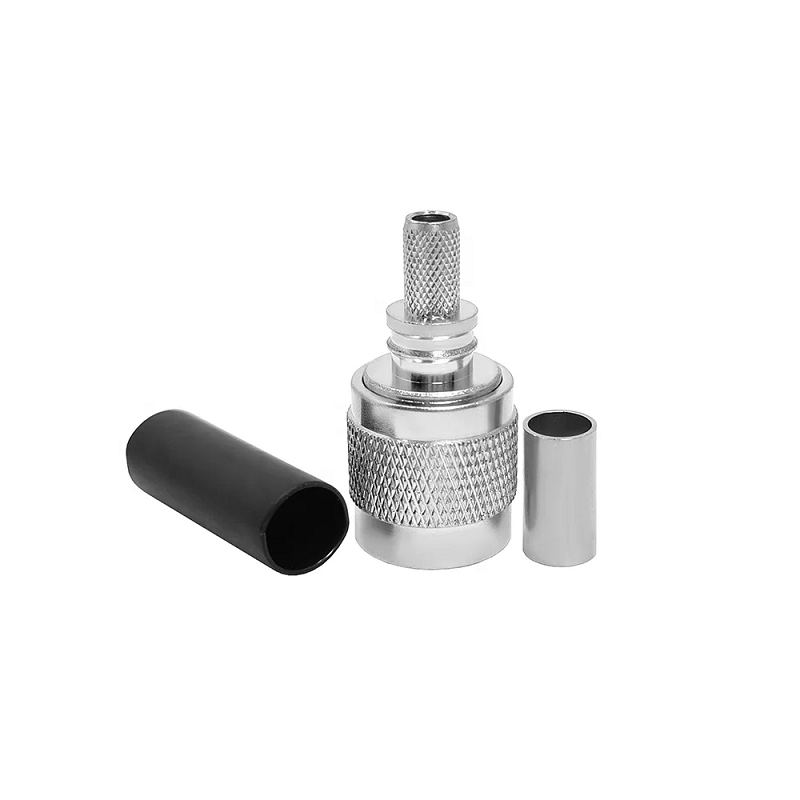
2026/09/24
Compare TNC connector types, specs and applications, including RP-TNC, bulkhead options, vibration performance and adapter selection.
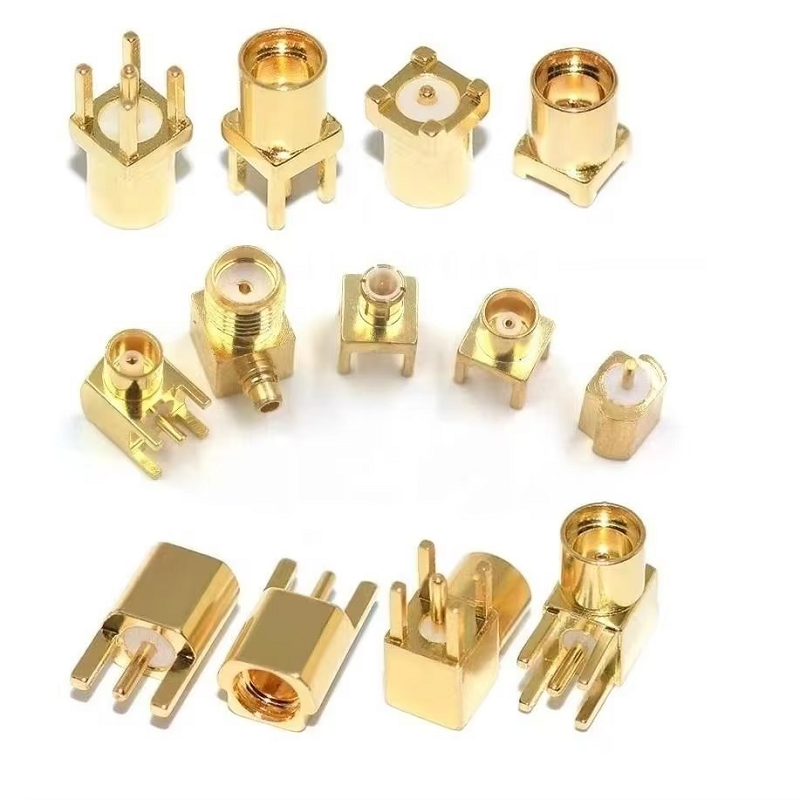
2026/09/24
Understand MMCX connector basics, RF limits, and how to choose the right coaxial interface for compact systems.
2026/09/24
Understand RP-SMA connector polarity, mating rules, frequency checks, and OEM termination options for reliable RF builds.
2026/09/24
Choose the right bnc male connector for RF, CCTV and test systems with clear 50Ω vs 75Ω, type and installation guidance.
2026/09/24
Compare LMR400 specs, cable loss, uses, connectors and RG8/RG213 alternatives with a practical RF loss-budget method.