 EN
EN

7/16 DIN Connector Guide: High-Power RF Standard
2026/09/24
Choose a 7 16 connector for high-power RF: compare DIN and Type N, protect PIM margin, and apply field installation checks.
2026/08/26
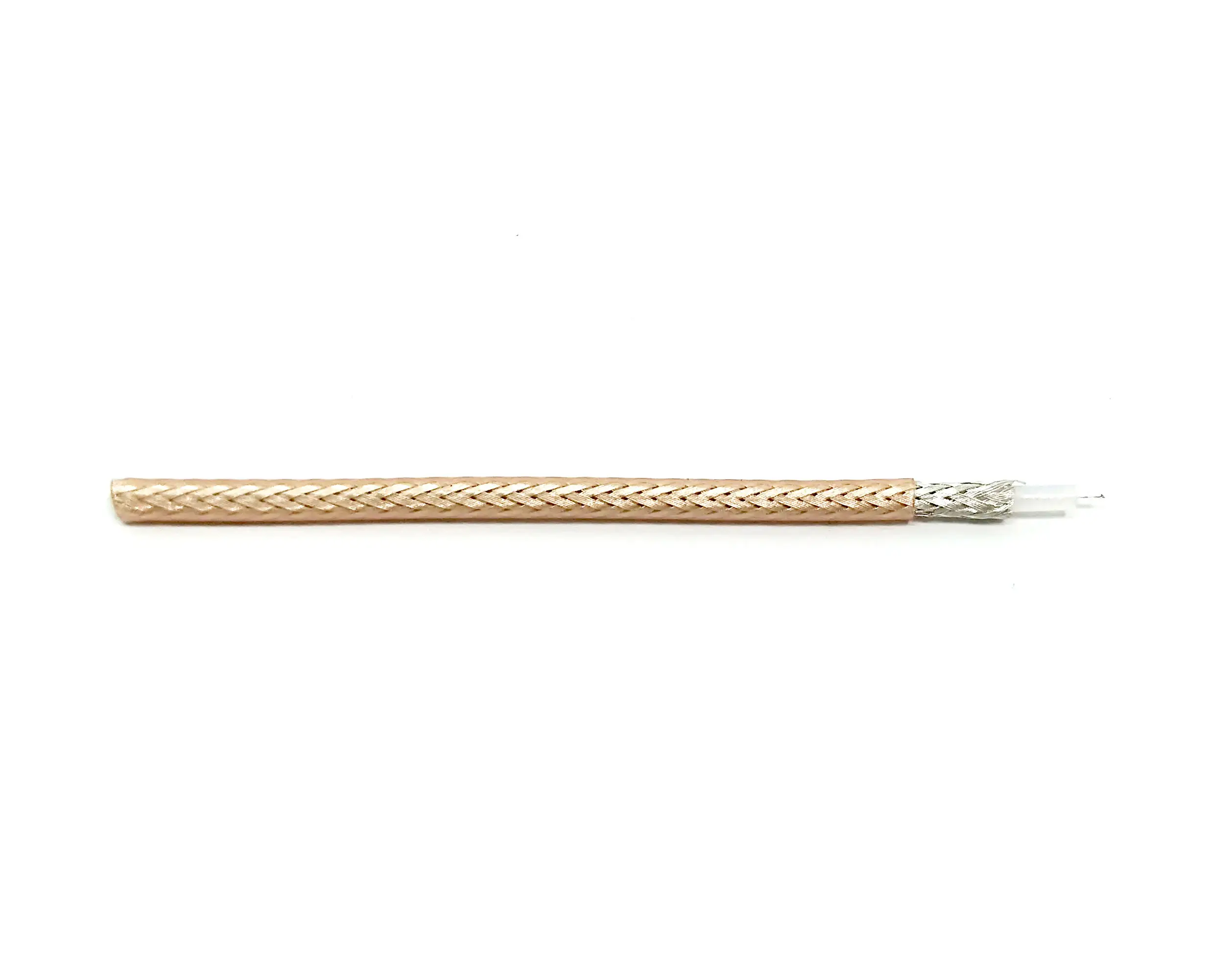
In radio rooms, broadcast trucks, and outdoor telecom towers, field engineers run into the same frustrating scenario time and after time: two coaxial cables running toward each other, both ending in solid male plugs. Because standard cable assemblies usually terminate in male connectors, directly mating them is physically impossible. That is where a specialized coax barrel adapter or a dedicated male to male aerial cable steps in to bridge the gap without forcing a complete, expensive system re-wire.
Joining RF gear isn't just about making things fit mechanically. Every adapter, jumper, or patch introduces a physical junction into the signal path. Selecting the wrong interface variant, mismatching system impedance, or relying on poor-quality center contacts can result in severe insertion loss, signal reflections, or intermittent dropouts during critical live feeds. Understanding how to utilize every coaxial cable connector male to male configuration keeps systems stable, reliable, and easy to maintain over years of continuous operation.
A standard coax barrel adapter is a compact, rigid coupler engineered with female receiving sockets on both ends. When two male-terminated cables meet, the coax barrel adapter sits right between them, allowing both male pins to mate smoothly face-to-face inside a fully shielded metal housing.
Because a coax barrel adapter is a passive inline component, its primary goal is to maintain electrical continuity while keeping signal degradation as close to zero as possible. In a properly matched system, a high-grade coax barrel adapter adds negligible insertion loss—typically well below 0.1 dB—and maintains a consistent characteristic impedance across the operating band.
Field technicians rely heavily on the coax barrel adapter for quick tasks:
Extending an existing cable run by linking two pre-terminated lines together.
Creating quick-disconnect test points on bench setups or patch panels.
Adapting stationary rack equipment to changing layout configurations without cutting and re-crimping lines.
The golden rule when picking a coax barrel adapter comes down to system impedance matching. Standard radio frequency (RF), cellular, and microwave gear requires 50-ohm components. Broadcast video, baseband audio, and residential cable networks run on 75-ohm architectures. Inserting a 75-ohm coax barrel adapter into a 50-ohm path disrupts the internal geometry, causing return loss spikes and degraded signal strength.
Not all male-to-male connections use the same physical housing. The coaxial cable connector male to male family covers every major RF interface on the market, each tuned for specific environmental conditions, power levels, and frequency bands.
BNC Interconnects: Featuring a quick-twist bayonet locking mechanism, BNC male-to-male or barrel setups are standard across test equipment, CCTV setups, and professional video monitoring bays where fast swapping is essential.
SMA Interconnects: Compact and threaded, SMA components excel in high-frequency microwave applications, Wi-Fi router arrays, and compact PCB modules.
N-Type Interconnects: Heavy-duty and weather-resistant, N-Type connectors feature thick threaded couplings designed to handle higher transmit power and harsh outdoor tower installations.
TNC Interconnects: Similar in size to BNC but featuring threaded mechanical connections, TNC interfaces withstand high-vibration environments like aviation and automotive telemetry.
When sourcing any coaxial cable connector male to male hardware, pay close attention to catalog gender conventions. Catalog descriptions can occasionally be confusing—some parts labeled as a coaxial cable connector male to male refer to double-female barrel bodies designed to accept two male cable ends, while others refer to double-male bullet plugs meant to join two female bulkhead jacks. Always verify drawing schematics to ensure the pin-and-socket orientation matches the physical cable ends.
A rigid coax barrel adapter works perfectly when two male connectors sit close together in a straight, aligned path. However, tight rack enclosures, recessed panel ports, and high-vibration environments demand physical flexibility. In these situations, forcing two rigid connectors together using a solid coax barrel adapter puts dangerous mechanical stress on internal solder joints and bulkhead mountings.
This is where a flexible SMA male to SMA male cable becomes the superior option. Consisting of a continuous length of flexible or semi-rigid 50-ohm coaxial cable factory-terminated with male SMA plugs on both ends, an SMA male to SMA male cable allows smooth routing around tight bends, structural obstacles, and crowded equipment chassis.
Using a pre-assembled, factory-tested SMA male to SMA male cable offers significant advantages over assembling multiple adapters on-site:
Fewer Physical Joints: Combining two male cable ends with a coax barrel adapter creates three separate mechanical junctions. Replacing that assembly with a single SMA male to SMA male cable reduces the junction count down to one, drastically cutting down potential points of signal loss or weather ingress.
Superior VSWR Performance: Every adapter transition creates micro-discontinuities in the cable’s internal dielectric. A single factory-built SMA male to SMA male cable provides a smooth, continuous impedance profile, optimizing Voltage Standing Wave Ratio (VSWR) across broad frequency spectrums.
Enhanced Mechanical Strain Relief: Flexible cable assemblies absorb vibration and thermal expansion, shielding delicate instrument ports from physical damage.
While male-to-male connections solve mid-run extension challenges, complete antenna systems rely on a clear, systematic gender flow from the transmitter all the way to the aerial element. This signal chain frequently requires a specialized male to female aerial cable working in tandem with inline adapters.
A standard male to female aerial cable features a male plug on one end and a female jack on the other. This configuration allows the male to female aerial cable to act as an extension lead, plugging directly into a female device port on one side while accepting a standard male antenna connection on the other. Alternatively, in long outdoor tower runs, field teams often install a male to male aerial cable when connecting female lightning arrestors or female patch panels across open outdoor spans.
Keeping the gender chain organized prevents field confusion during complex tower or mobile installation builds:
Transmitting Equipment: Typically features a stationary female chassis port.
Main Transmission Line: Uses a male to female aerial cable or a male to male aerial cable depending on inline surge protection gear.
Junction Points: A coaxial cable connector male to male barrel adapter bridges any unexpected male-to-male cable overlaps along the cable tray.
Antenna Port: Connects cleanly to the final cable lead without forcing mechanical stress on the feed point.
Labeling cables clearly by interface type and gender flow during installation prevents field crews from accidentally plugging mismatched components together or over-tightening threaded couplings.
Improper assembly habits at joint connections account for the majority of field signal failures in broadcast, telecom, and industrial wireless setups. Following disciplined assembly practices guarantees long-term durability and clean signal transmission:
Say the Gender Chain Out Loud: Before climbing a tower or crawling behind a server rack, visually inspect every connection and speak the sequence aloud—e.g., female chassis jack, male to female aerial cable, coax barrel adapter, male antenna plug.
Match System Impedance Every Time: Never substitute a 75-ohm coax barrel adapter into a 50-ohm system, or vice versa. Even small impedance mismatches reflect signal energy back toward the transmitter, reducing efficiency and heating up sensitive driver stages.
Respect Torque Specifications: Hand-tightening SMA connectors leads to loose grounds, while over-tightening with standard pliers warps center pins and strips threads. Always use a calibrated torque wrench rated for the specific interface family (e.g., 3 to 5 in-lbs for brass SMA, 8 to 10 in-lbs for stainless steel).
Weatherproof Every Outdoor Joint: Never rely on simple electrical tape for outdoor male to male aerial cable junctions. Rain and condensation quickly creep into unsealed threaded barrels, causing dielectric corrosion. Protect outdoor joints with dual-wall heat-shrink tubing or self-amalgamating silicone tape over a butyl rubber base.
Long-term signal integrity relies directly on the precision engineering behind every adapter, jumper, and cable assembly in the feed line. Low-grade plating, off-center inner contacts, and loose dielectric tolerances quickly turn an otherwise perfect network build into an endless troubleshooting nightmare.
When selecting critical interconnect components—whether sourcing a standard coax barrel adapter, an extended male to male aerial cable, a versatile male to female aerial cable, or high-frequency SMA male to SMA male cable assemblies—partnering with an established manufacturer guarantees batch-level consistency and verified performance.
Zhenjiang Worldpeak Electronic Co., Ltd. (Worldpeak) stands out as a reliable global manufacturing partner for high-precision RF components and custom cable assemblies. Backed by over 17 years of specialized RF manufacturing experience and an extensive catalog featuring over 638 active SKUs, Worldpeak delivers dependable solutions tailored to demanding broadcast, telecommunications, automotive, and industrial wireless applications.
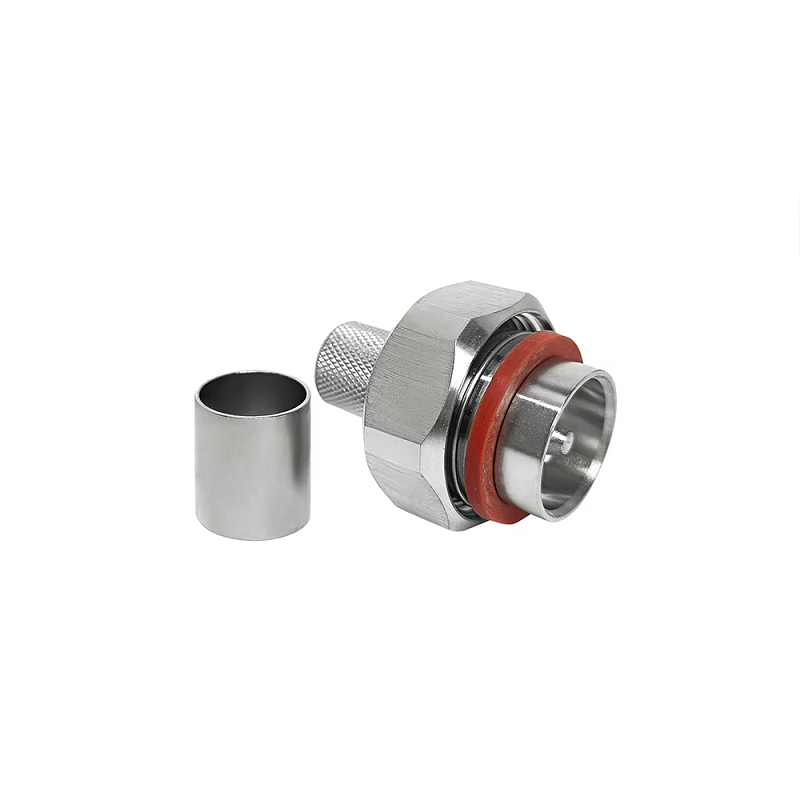
2026/09/24
Choose a 7 16 connector for high-power RF: compare DIN and Type N, protect PIM margin, and apply field installation checks.
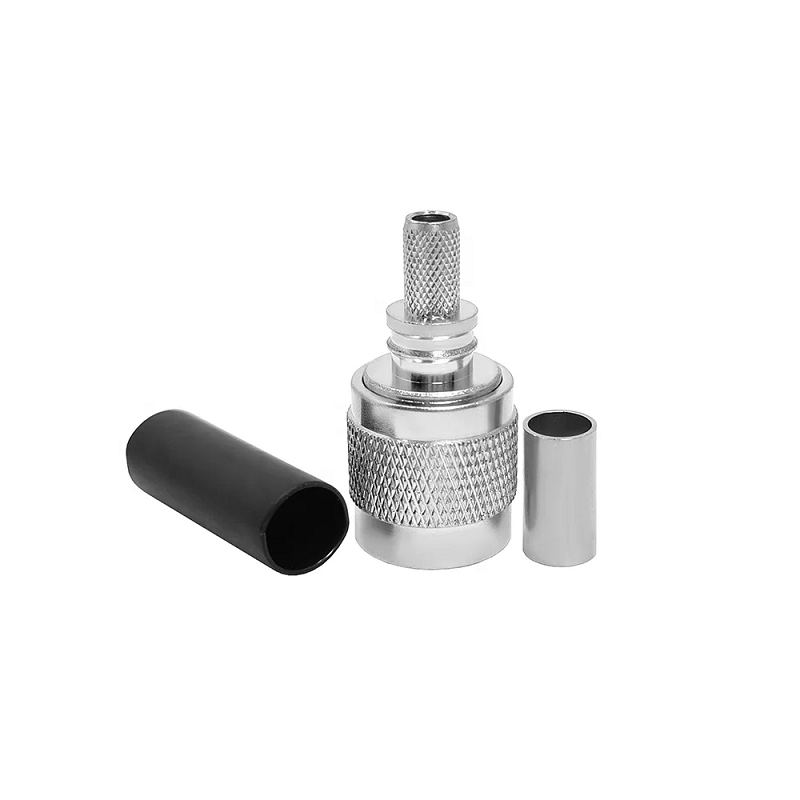
2026/09/24
Compare TNC connector types, specs and applications, including RP-TNC, bulkhead options, vibration performance and adapter selection.
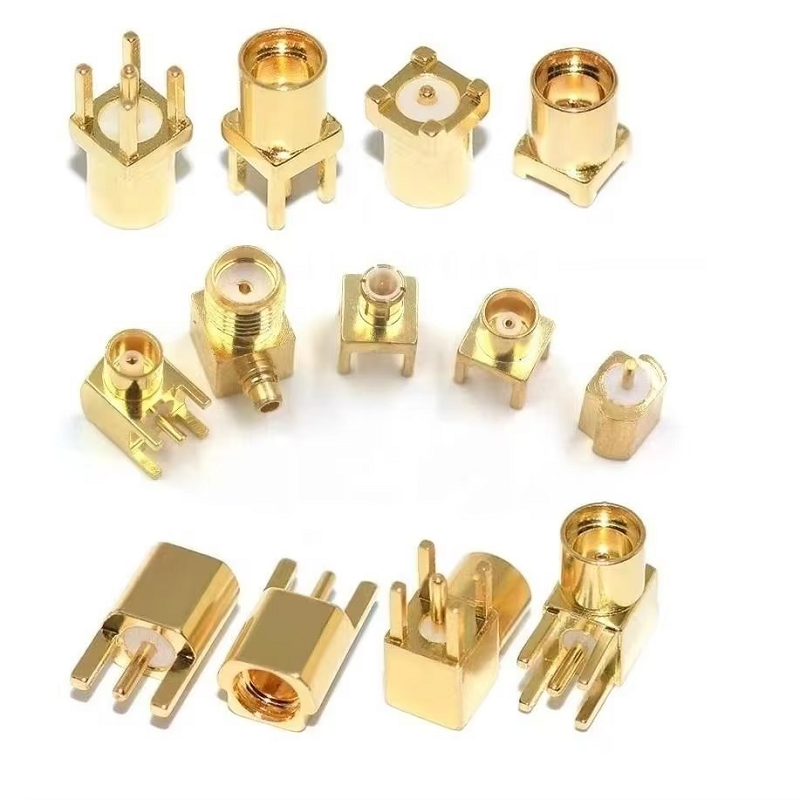
2026/09/24
Understand MMCX connector basics, RF limits, and how to choose the right coaxial interface for compact systems.
2026/09/24
Understand RP-SMA connector polarity, mating rules, frequency checks, and OEM termination options for reliable RF builds.
2026/09/24
Choose the right bnc male connector for RF, CCTV and test systems with clear 50Ω vs 75Ω, type and installation guidance.
2026/09/24
Compare LMR400 specs, cable loss, uses, connectors and RG8/RG213 alternatives with a practical RF loss-budget method.