 EN
EN

7/16 DIN Connector Guide: High-Power RF Standard
2026/09/24
Choose a 7 16 connector for high-power RF: compare DIN and Type N, protect PIM margin, and apply field installation checks.
2026/09/01
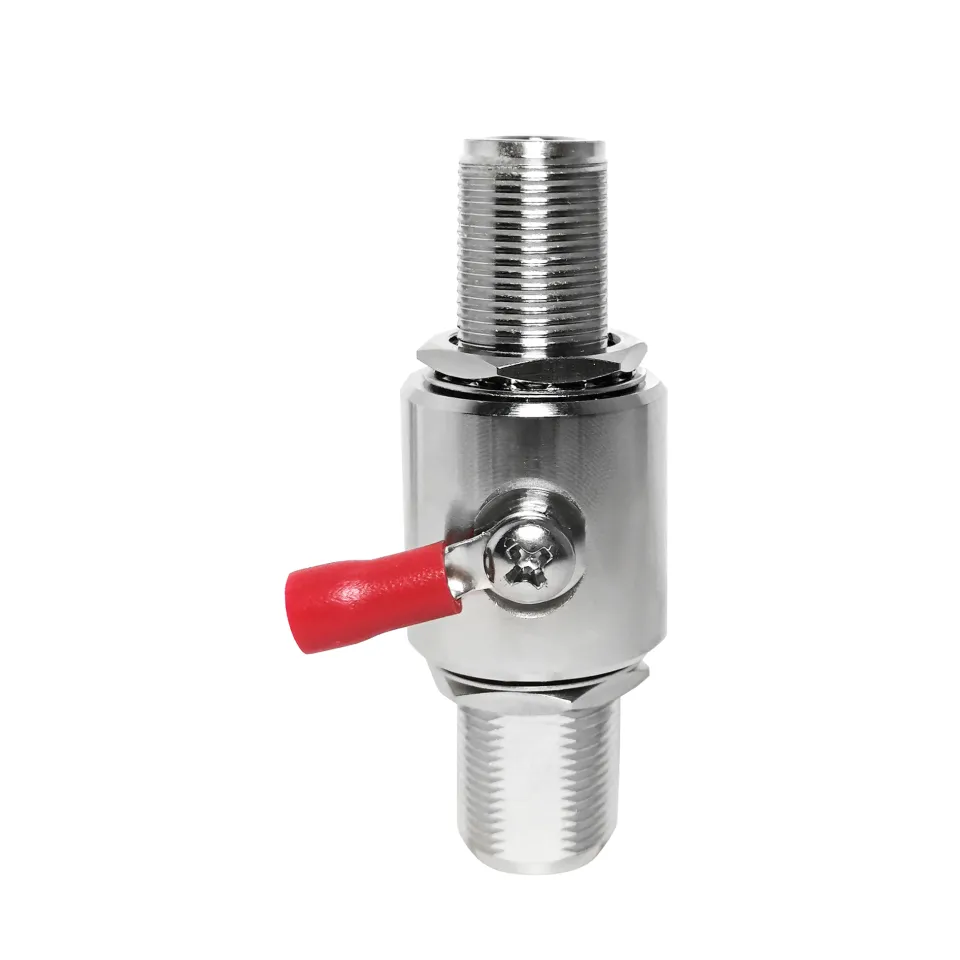
Shrinking PCB real estate in modern wireless design presents a recurring hardware dilemma. Compact IoT gateways, drone telemetry units, and portable test instruments require ultra-small interfaces to save internal board space. However, standard laboratory analyzers, external antennas, and field test setups rely almost universally on sturdy threaded connections. Using a precision mmcx to sma connector bridges this mechanical gap, allowing engineers to retain space-saving internal layouts while maintaining total compatibility with external infrastructure.
Balancing physical compactness against robust signal integrity requires clear insight into coupling mechanics, impedance variations, and environmental stress. Choosing the right RF adapter prevents unexpected signal drops, high reflection coefficients, and connector wear during field usage. Here is an in-depth exploration of technical characteristics, practical selection criteria, and field applications for the mmcx to sma interface.
Understanding why a transitional adapter is necessary requires evaluating how these two coaxial families handle mechanical retention and signal transmission.
The Micro-Miniature Coaxial interface uses a snap-on push-pull latching mechanism that allows 360-degree rotation after mating. Taking up nearly 70% less surface area than standard coaxial interfaces, this compact RF connector design operates cleanly from DC to 6 GHz. Because of its tiny footprint, it serves as the baseline internal connection for:
Compact GPS receivers and internal patch antennas
Embedded Wi-Fi 6E and Bluetooth system-on-chip modules
Cellular IoT modems including NB-IoT and LTE-M architectures
Miniature flight controller boards for commercial drones
By contrast, SubMiniature version A connectors utilize a threaded 1/4-36 UNS coupling mechanism designed for high mechanical stability. Supporting frequencies up to 18 GHz in standard brass configurations, SMA interfaces provide superior vibration resistance, making them the standard choice for benchtop spectrum analyzers, outdoor antennas, and chassis panel mounts.
Using a durable MMCX SMA interface transition lets developers harness the high-density packaging of micro-connectors without giving up the rugged cable locking provided by threaded hardware.
Deploying an mmcx to sma connector offers clear practical advantages throughout the product lifecycle, from initial breadboard prototyping to final field installation.
Designing modern wireless electronics involves fitting cellular, Wi-Fi, and GNSS trace lines onto densely packed multi-layer boards. Placing multiple large SMA jacks directly on the PCB edge forces board dimensions to swell unnecessarily. Routing internal traces to a miniature compact RF connector socket keeps board sizes lean. Integrating a dedicated mmcx to sma transition at the enclosure enclosure panel preserves space inside the chassis while leaving standard external ports accessible.
During validation phases, engineers must connect prototype boards directly to Vector Network Analyzers (VNAs) and spectrum devices to measure output power, harmonics, and return loss. Snapping a flexible mmcx to sma connector onto internal micro-ports simplifies instrument hooking. This eliminates repeated soldering of fragile semi-rigid pigtails, protecting sensitive board traces from mechanical tearing and heat damage.
In deployed equipment like outdoor wireless access points or automotive telematics modules, field technicians frequently need to plug in external diagnostic tools. A panel-mounted MMCX SMA adapter enables direct instrument coupling from the outside enclosure without opening sealed housings or exposing delicate internal electronics to dust and moisture.
Every mechanical transition inserted into a transmission line introduces a small impedance discontinuity. Selecting a quality RF adapter minimizes signal distortion across target operating bands.
An mmcx to sma path is physically bound by the upper frequency limit of the MMCX interface, typically capping operational bandwidth at 6 GHz. A well-machined adapter introduces minimal insertion loss—usually between 0.1 dB and 0.2 dB at 3 GHz. Ensuring tight internal pin alignment keeps insertion loss flat across the operational spectrum.
Impedance mismatches at the junction point cause power reflection back toward the transmitter. High-grade MMCX SMA transitions maintain a Voltage Standing Wave Ratio (VSWR) below 1.25:1 up to 6 GHz. Maintaining continuous 50-ohm characteristic impedance through the insulator dielectric prevents signal reflections that compromise total system efficiency.
Because the center conductor of a micro-coaxial interface is significantly smaller than an SMA pin, power handling is naturally constrained. While standard SMA ports handle higher wattages, an mmcx to sma connector assembly should generally be kept under 10 Watts continuous RF power at 3 GHz to avoid dielectric heating.
Selecting the optimal RF adapter configuration requires balancing spatial constraints against mechanical strain expectations.
Straight Adapters: Deliver slightly better VSWR performance and lower insertion loss because the internal center pin remains linear. Best suited for test benches and wide enclosure layouts.
Right-Angle Adapters: Feature a 90-degree internal bend that saves critical depth behind tight chassis walls, preventing excessive cable bending strain in compact enclosures.
In-line adapters connect cable ends directly in free space. Bulkhead adapters feature external threads and locking nuts, allowing the mmcx to sma connector to pass securely through an enclosure wall while providing structural strain relief and ambient grounding.
Repeated snap-on cycles can wear down socket tension over time. Selecting interfaces with heavy gold plating over beryllium copper center contacts ensures low contact resistance across 500+ mating cycles, shielding internal metals against oxidation in high-humidity environments.
Sourcing reliable interconnect hardware requires partnering with manufacturers who enforce strict mechanical tolerances and comprehensive electrical testing. Minor dimensional deviations in micro-coaxial pins lead to intermittent ground contacts and unstable VSWR sweeps.
Suppliers such as Worldpeak specialize in precision connector engineering, producing high-grade mmcx to sma hardware equipped with gold-plated contacts, low-loss PTFE dielectrics, and precise 50-ohm impedance matching. Utilizing automated CNC machining facilities and 100% VNA sweep testing prior to shipment, Worldpeak provides dependable compact RF connector and adapter solutions for global IoT integrators, wireless equipment OEMs, and RF testing facilities.
By selecting the right BNC RCA adapter or MMCX transition hardware, system designers can optimize PCB real estate while ensuring clean, high-fidelity signal pass-through across every field deployment.
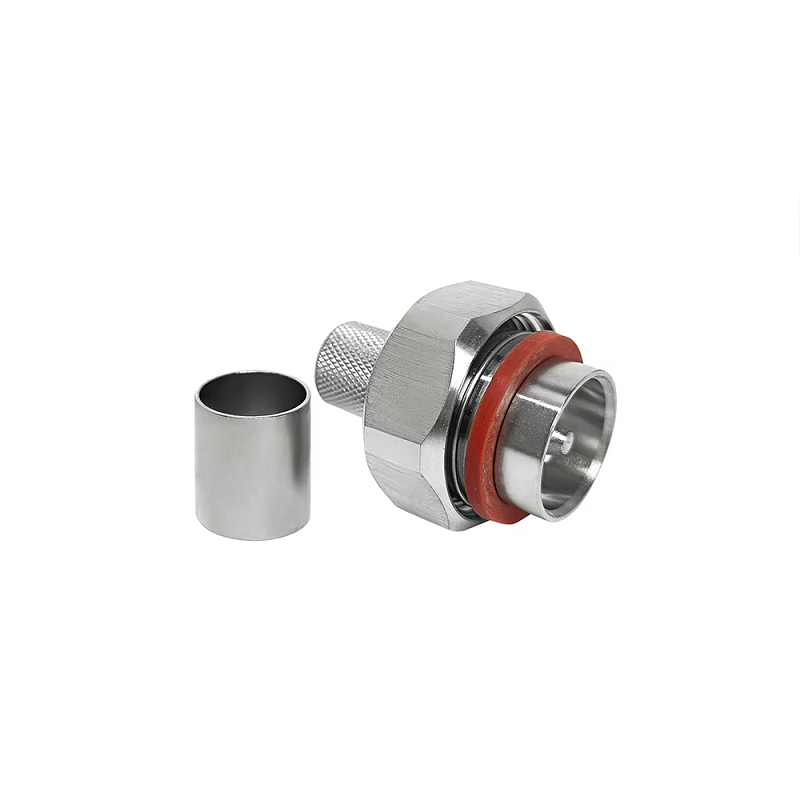
2026/09/24
Choose a 7 16 connector for high-power RF: compare DIN and Type N, protect PIM margin, and apply field installation checks.
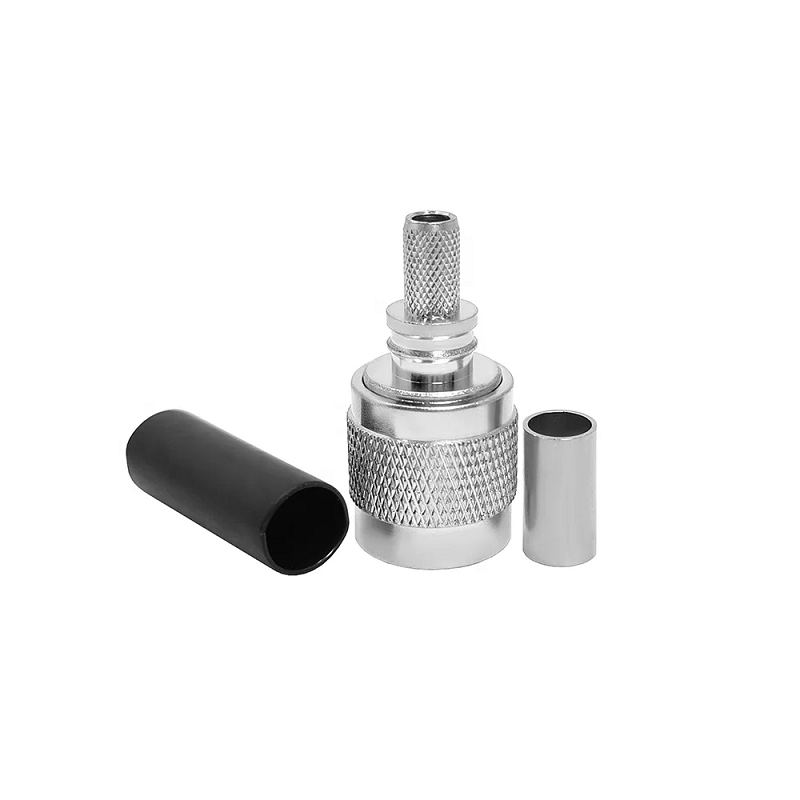
2026/09/24
Compare TNC connector types, specs and applications, including RP-TNC, bulkhead options, vibration performance and adapter selection.
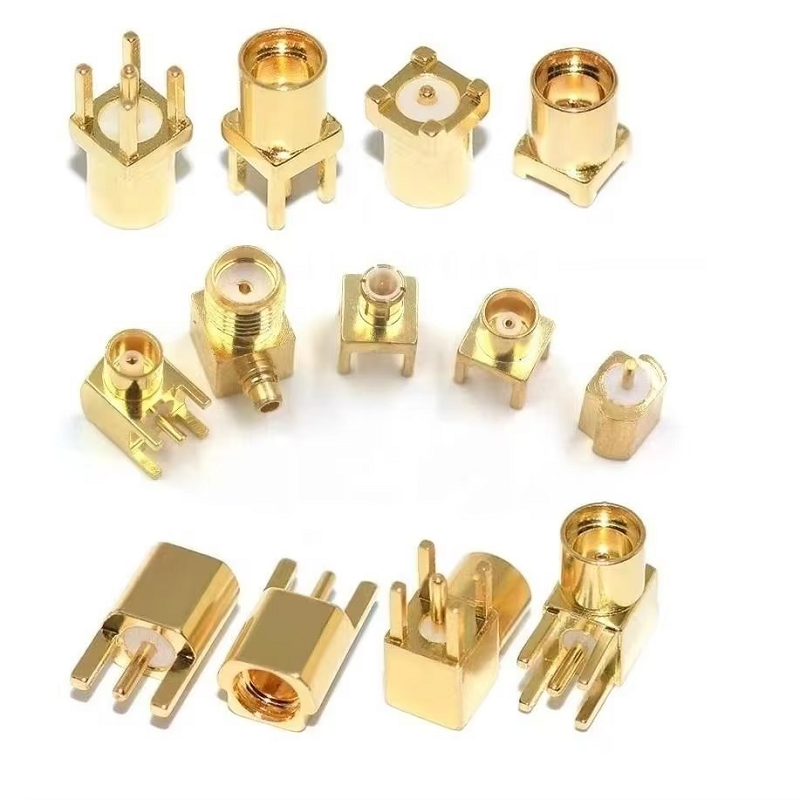
2026/09/24
Understand MMCX connector basics, RF limits, and how to choose the right coaxial interface for compact systems.
2026/09/24
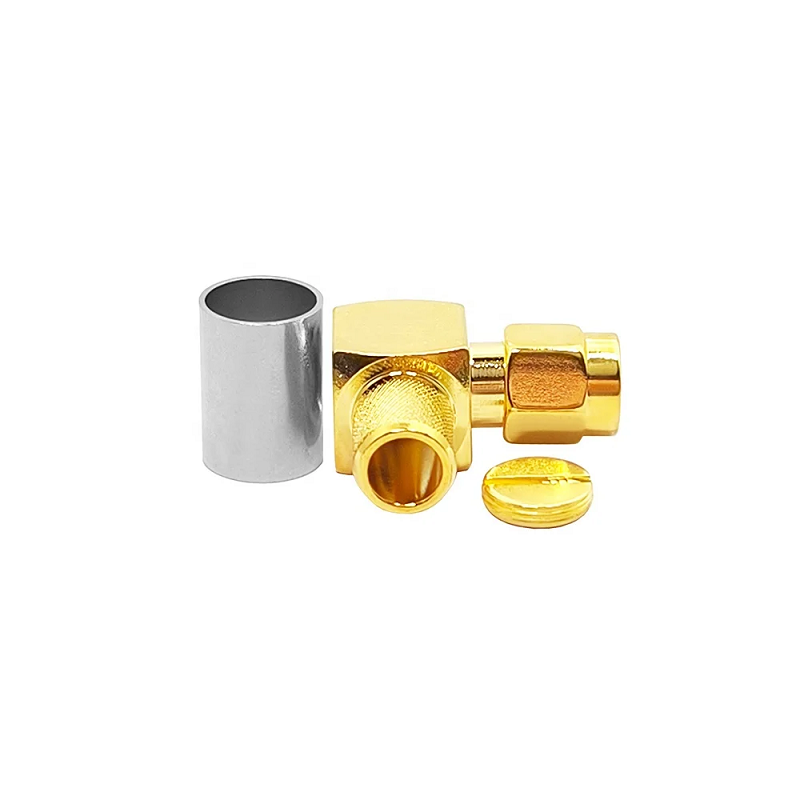
Understand RP-SMA connector polarity, mating rules, frequency checks, and OEM termination options for reliable RF builds.
2026/09/24
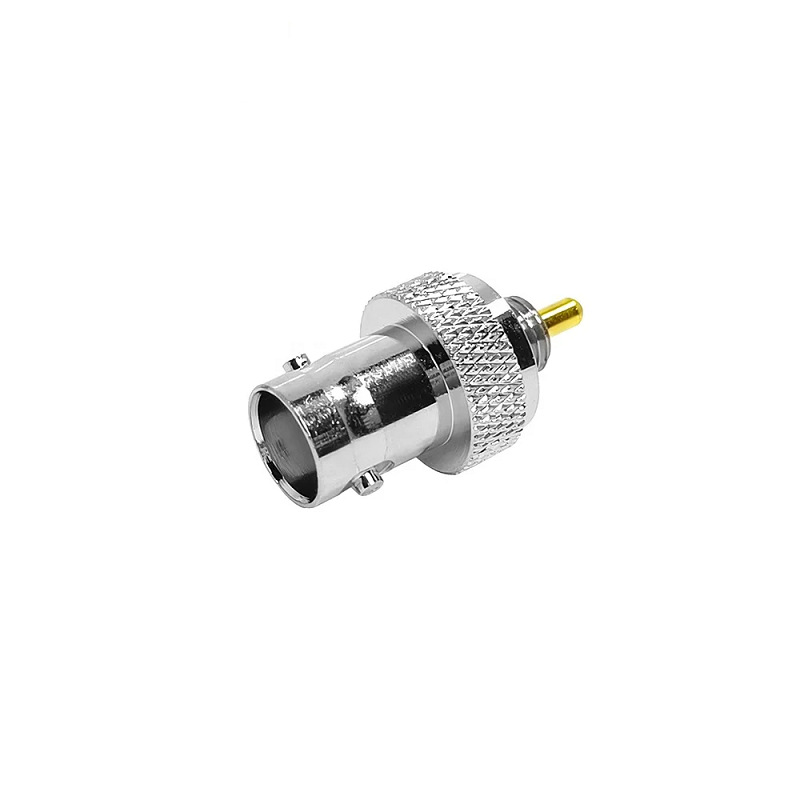
Choose the right bnc male connector for RF, CCTV and test systems with clear 50Ω vs 75Ω, type and installation guidance.
2026/09/24
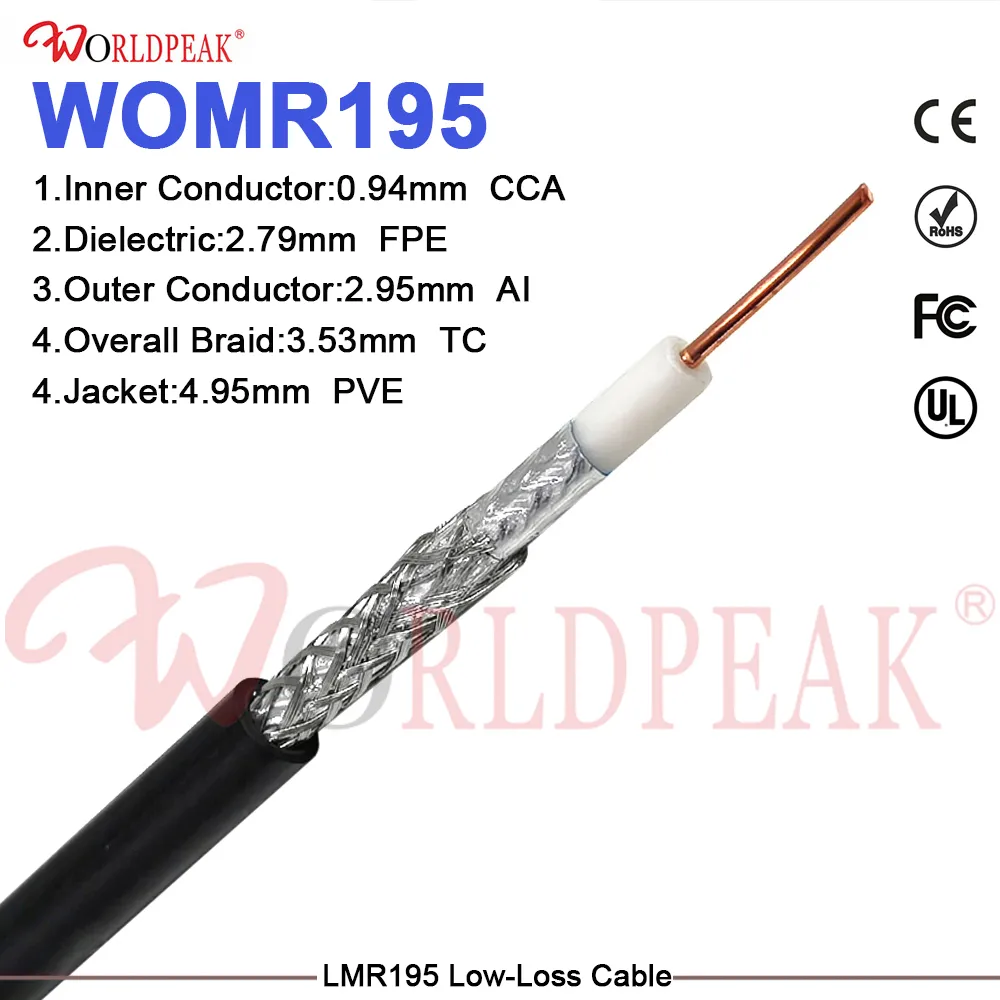
Compare LMR400 specs, cable loss, uses, connectors and RG8/RG213 alternatives with a practical RF loss-budget method.