 EN
EN

7/16 DIN Connector Guide: High-Power RF Standard
2026/09/24
Choose a 7 16 connector for high-power RF: compare DIN and Type N, protect PIM margin, and apply field installation checks.
2026/08/26
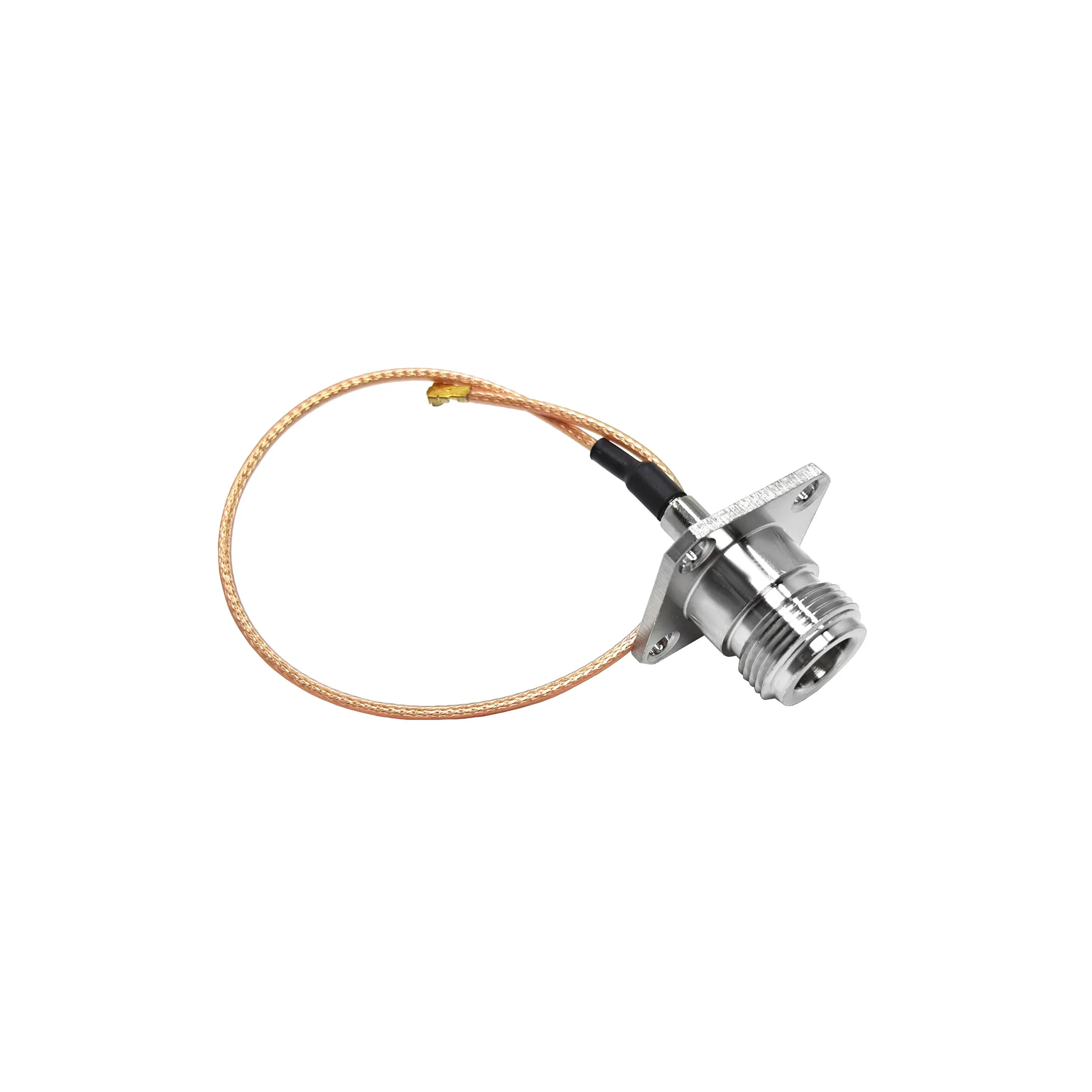
In modern radio frequency engineering, few tasks are as routine—yet critical—as bridging two vastly different interface standards. Outdoor equipment like antennas, surge protectors, and base stations typically rely on rugged N-type interfaces designed to withstand weather and handle serious power. On the inside, compact transmitters, Wi-Fi routers, PCB modules, and lab test gear rely on compact, precision SMA components. Bringing these two ecosystems together requires a specialized bridge: the n type to sma connector family.
Installing an n to sma adapter isn't just about making two metal bodies lock together. Every transition introduces electrical characteristics—like insertion loss, return loss, and impedance variations—that can either preserve signal clarity or degrade performance across high-frequency bands. Understanding how to select, deploy, and inspect an n type to sma adapter ensures that system builds remain stable, reliable, and durable over long operating cycles.
An n type to sma connector serves as a 50-ohm transition between two distinct mechanical designs. The N interface is heavy-duty, coarsely threaded, and typically rated up to 11 GHz. The SMA interface is compact, finely threaded, and rated up to 18 GHz (or higher for precision variants). When paired together in an n type to sma adapter body, the maximum working frequency is naturally bounded by the lower-rated N interface, making 11 GHz the practical upper ceiling. This frequency coverage easily encompasses modern cellular bands, Wi-Fi 6/6E, sub-6 GHz 5G, ISM bands, and broadcast frequencies.
Key electrical and mechanical parameters to look for include:
VSWR (Voltage Standing Wave Ratio): A top-tier n type to sma connector keeps VSWR at 1.2:1 or better across its operating spectrum. Higher ratios signal internal impedance mismatches that bounce RF energy back into driver modules.
Insertion Loss: Quality transitions keep signal attenuation under 0.15 dB. Minimizing loss is vital when working with weak receiver paths or long feeder lines.
Machined Housing and Plating: Solid brass bodies with nickel or tri-metal (white bronze) plating provide corrosion resistance, while gold-plated center contacts maintain excellent conductivity and minimize surface oxidation over time.
Ordering errors are far more common than hardware failures when sourcing an n type to sma adapter. Because both ends come in male (plug) and female (jack) variants, there are four primary gender permutations to consider. The two most widely used setups are N male to SMA female and N female to SMA male.
To guarantee the correct n to sma connector adapter is selected on the first try, field engineers often map out the physical signal chain step by step:
Identify the gender of the stationary chassis or device port (e.g., SMA female radio port).
Identify the gender of the incoming cable or surge protector (e.g., N male jumper lead).
Select an n type to sma adapter that features matching opposite genders on both sides (e.g., SMA male on one end, N female on the other).
Special attention must also be paid to reverse polarity (RP) variants. Popularized by consumer Wi-Fi hardware, RP-SMA and RP-N connectors swap the pin and socket locations relative to standard thread bodies. Mating a standard n type to sma connector with a reverse-polarity fitting can crush internal contacts or result in an open circuit. When in doubt, reviewing engineering drawings prevents costly installation delays.
The versatility of the n to sma adapter makes it a staple component across multiple industries:
Base Stations and Small Cells: Connecting compact, radio-head modules that use SMA female ports to thick, low-loss feeder lines or outdoor antennas terminating in N male plugs.
RF Test and Measurement Benchwork: Spectrum analyzers, vector network analyzers (VNAs), and signal generators often feature heavy-duty N female front-panel ports. An n to sma adapter or an sma to n type adapter allows bench technicians to attach flexible SMA test cables without causing wear on sensitive instrument ports.
Outdoor Surge Protection: Lightning arrestors mounted on enclosure entries usually employ N-type bulkheads. Bridging these arrestors to internal wireless cards requires an n to sma connector adapter transition.
In-Vehicle and Industrial Telemetry: Vehicles and autonomous mobile robots experience continuous vibration. Threaded connectors like the sma to n type adapter provide rock-solid mechanical retention that bayonet-style fittings (like BNC) cannot match.
A solid, metal n type to sma adapter works exceptionally well when two connectors sit perfectly aligned in a straight line or right-angle orientation. However, when connecting recessed ports or navigating tight equipment racks, forcing two rigid connectors together places severe mechanical stress on PCB solder pads and chassis mounts.
In tight or high-vibration layouts, replacing a solid n to sma connector adapter with a flexible n to sma cable assembly is the smarter choice. A short jumper made from flexible RG-142, LMR-195, or semi-rigid cable terminated with factory-molded connectors absorbs vibration, eases routing around obstacles, and protects fragile internal electronics from strain damage.
Avoiding field failures comes down to standardizing installation and procurement workflows:
Always Verify System Impedance: Every n type to sma adapter in an RF transmission path must be rated at 50 ohms. While rare 75-ohm N connectors exist in broadcast video networks, mixing 75-ohm components into 50-ohm RF paths introduces severe reflections and impedance mismatches.
Apply Calibrated Torque: Over-tightening SMA coupling nuts strips fine threads and deforms internal dielectrics. Always use a calibrated torque wrench rated for SMA (typically 3 to 5 in-lbs for brass) and hand-tighten plus wrench-seat N connectors according to manufacturer specs.
Protect Outdoor Connections: While N-type interfaces are naturally weather-resistant, the exposed threads of an n to sma adapter placed outdoors must still be sealed. Apply a layer of self-amalgamating silicone tape covered by weather-resistant vinyl tape to prevent moisture ingress.
Demand Lot-Level Test Reports: Installing unverified adapters is a gamble. Relying on components backed by sweep-test data guarantees that VSWR performance remains consistent across every batch deployed.
A quick pre-installation inspection saves hours of troubleshooting down the road:
Visual Inspection: Examine the center pin and dielectric insulator under good light. The center contact must be centered without burrs, bending, or excessive plating wear.
Thread Engagement: Spin the coupling nut onto a test fitting by hand. The threads should engage smoothly without binding, grinding, or excessive lateral play.
Electrical Verification: When setting up critical links, run a quick VSWR sweep across the operating band to confirm the transition meets loss requirements before securing the assembly permanently.
Maintaining signal integrity across complex wireless networks requires high-precision hardware manufactured under strict quality standards. Whether sourcing a single sma to n type adapter for a lab bench or deploying thousands of n to sma adapter units across cellular sites, partnering with a dependable RF hardware specialist ensures long-term system stability.
Zhenjiang Worldpeak Electronic Co., Ltd. (Worldpeak) brings extensive manufacturing expertise to the global RF marketplace. With an expansive catalog covering over 638 SKUs—including precision n type to sma connector options, specialized n to sma adapter configurations, and custom cable assemblies—Worldpeak supports telecom operators, system integrators, and equipment manufacturers worldwide.
Backed by over 17 years of specialized production experience, ISO-certified processes, and batch-level vector network analyzer testing, Worldpeak guarantees that every n type to sma adapter and n to sma connector adapter delivers precise impedance matching, low insertion loss, and durable mechanical performance across demanding field conditions.
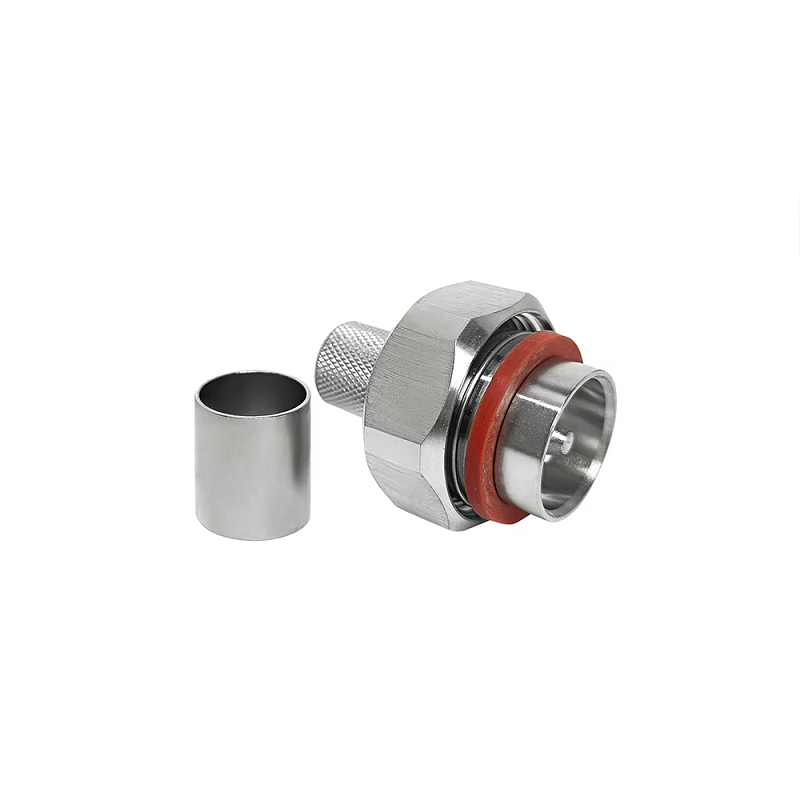
2026/09/24
Choose a 7 16 connector for high-power RF: compare DIN and Type N, protect PIM margin, and apply field installation checks.
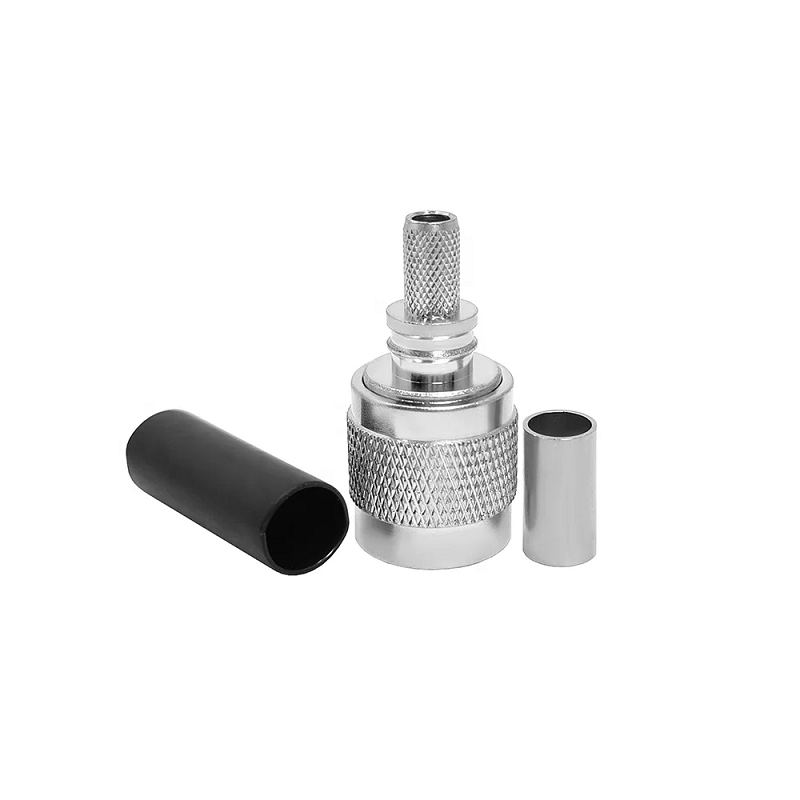
2026/09/24
Compare TNC connector types, specs and applications, including RP-TNC, bulkhead options, vibration performance and adapter selection.
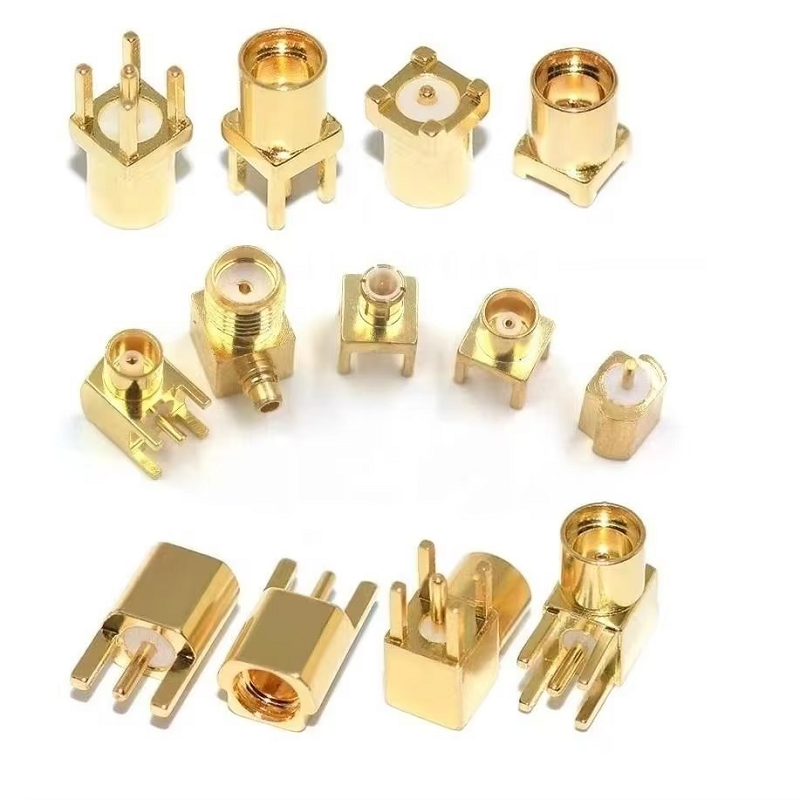
2026/09/24
Understand MMCX connector basics, RF limits, and how to choose the right coaxial interface for compact systems.
2026/09/24
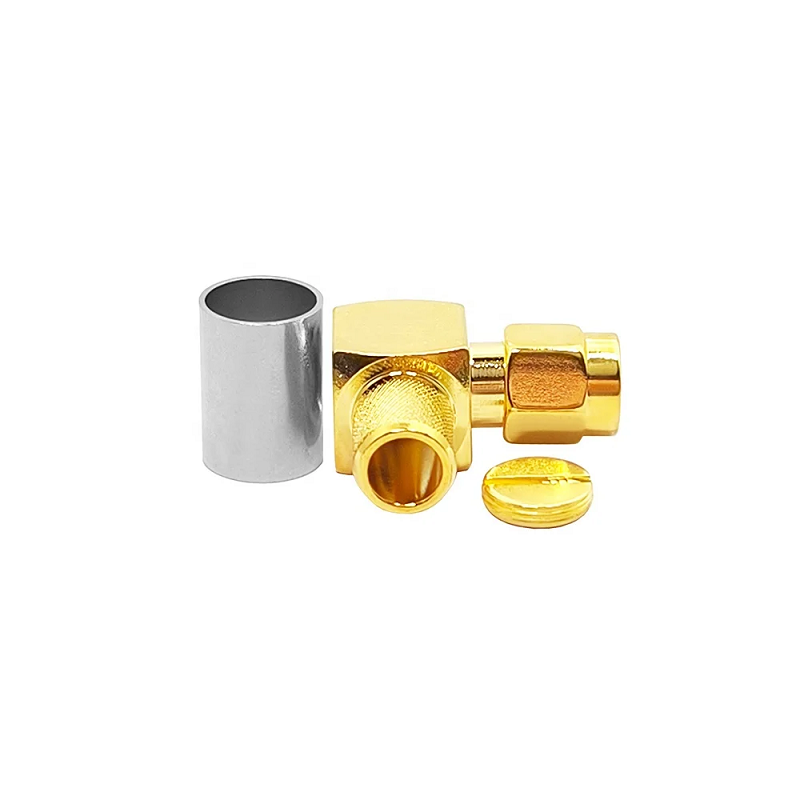
Understand RP-SMA connector polarity, mating rules, frequency checks, and OEM termination options for reliable RF builds.
2026/09/24
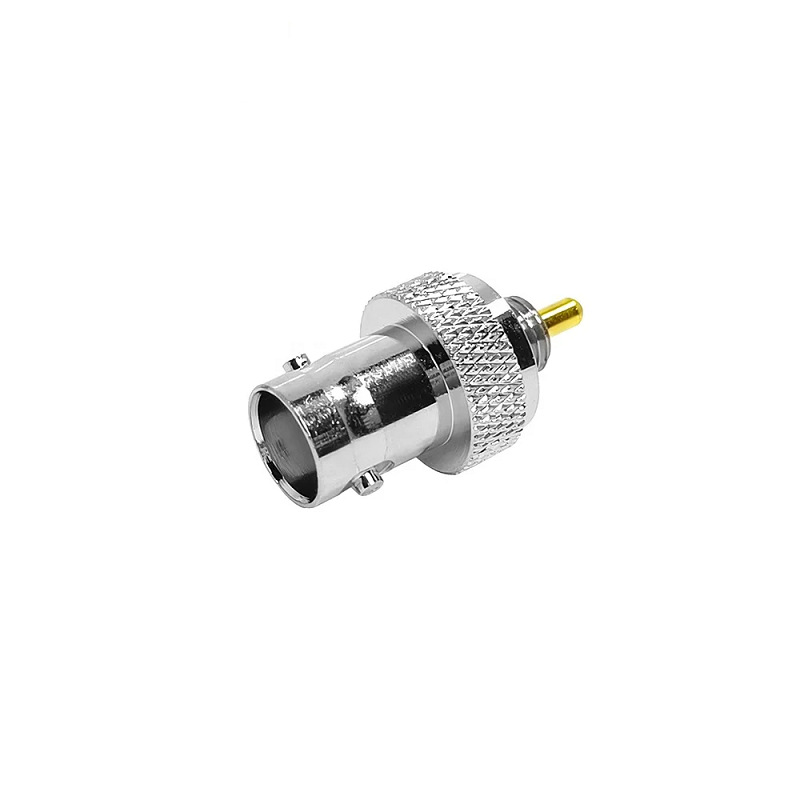
Choose the right bnc male connector for RF, CCTV and test systems with clear 50Ω vs 75Ω, type and installation guidance.
2026/09/24
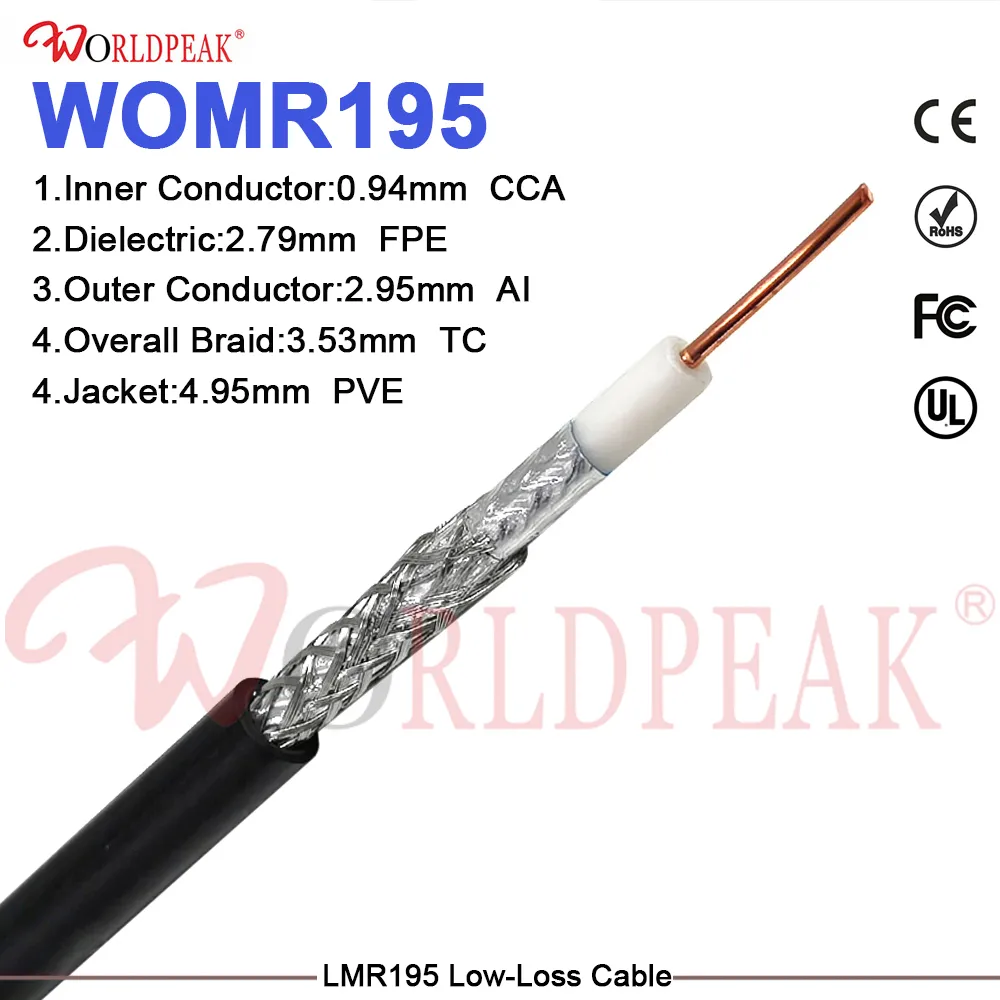
Compare LMR400 specs, cable loss, uses, connectors and RG8/RG213 alternatives with a practical RF loss-budget method.