EN
EN

RF Cable for IoT Devices: Compact Solutions Guide
As an RF systems engineer who has worked on IoT and wireless deployment assemblies, I have learned that rf cable for iot applications is often the component that decides whether a system reaches its signal-to-noise target—or quietly falls short. This guide walks through the performance specs that matter most, compares the main cable construction types, and closes with a structured checklist for B2B procurement teams selecting cables for IoT infrastructure.
The Three Performance Metrics That Drive IoT RF Cable Selection
Before choosing a cable type or connector, nail down three electrical parameters first. Getting these wrong at the design stage costs more to fix than a slightly higher unit price at the component level.
Insertion Loss
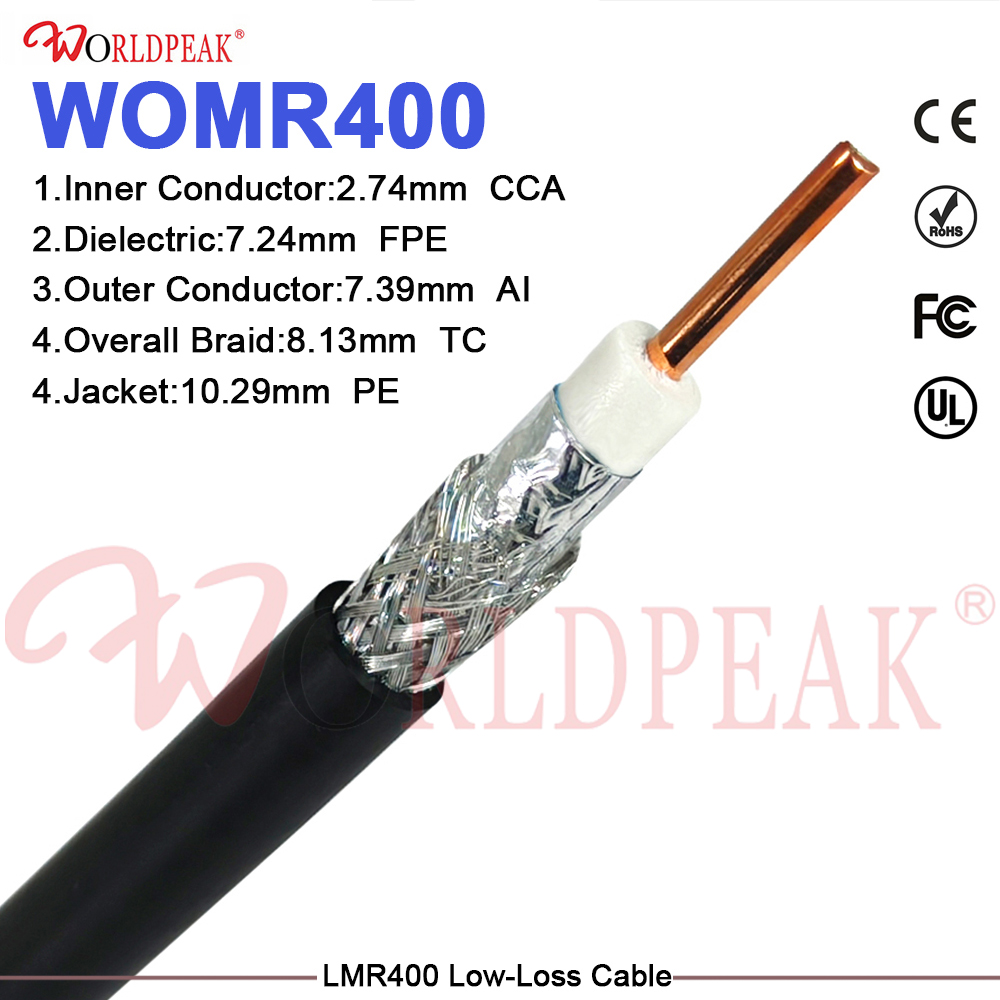
Insertion loss sets the upper bound on how far your signal can travel before it degrades below the receiver sensitivity threshold. For compact IoT assemblies operating at 2.4 GHz and 5 GHz, typical coaxial cable loss ranges from roughly 0.5 to 2.0 dB per meter depending on dielectric material and outer conductor design; that is a ballpark estimate, not a figure to put directly in a link budget without measuring the specific assembly under real routing conditions. At higher frequencies above 6 GHz, this range widens further. Low-loss cable types such as LMR-100 are commonly specified when the link margin is tight; standard RG-178 is adequate for short internal routing in space-constrained boards.
Shielding Effectiveness
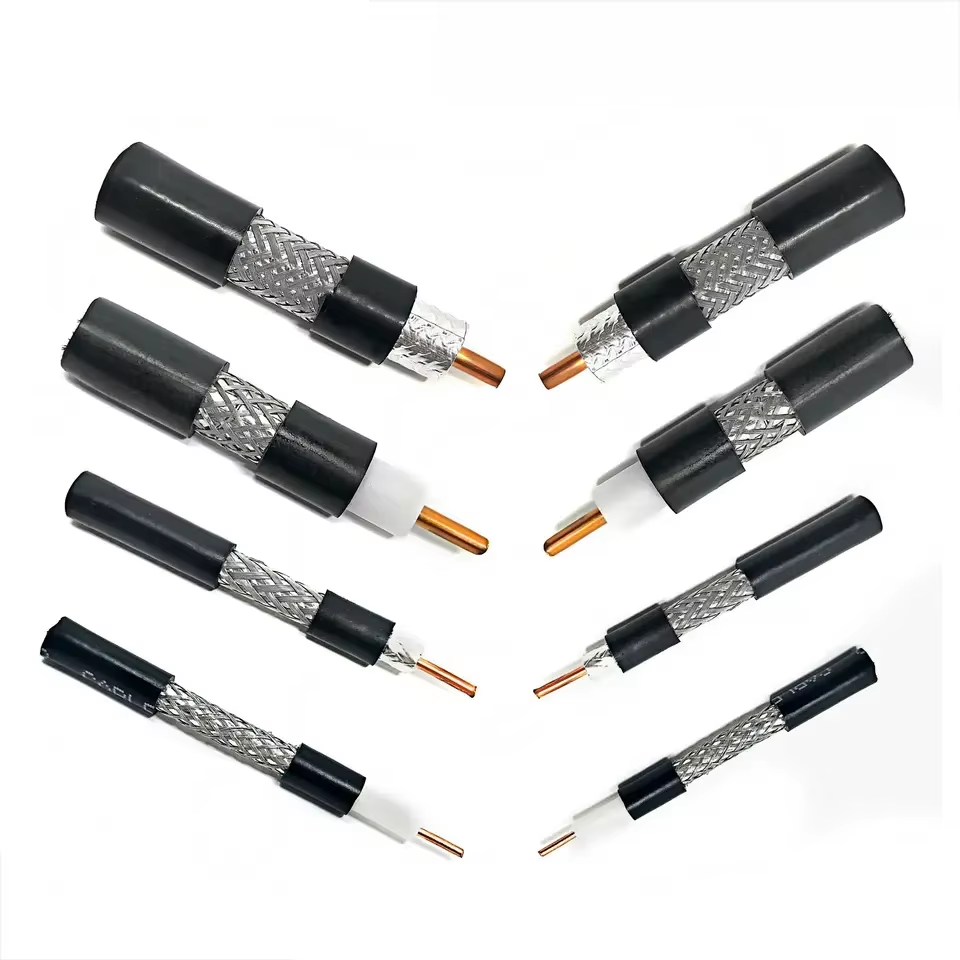
IoT gateway and sensor environments often sit close to power electronics, switching regulators, or other radio modules. In these settings, shielding effectiveness is not a secondary spec—it is what prevents an otherwise properly dimensioned rf cable for iot from acting as an antenna for board-level noise. Double-shielded cable constructions or corrugated outer conductors deliver noticeably better electromagnetic isolation for installations where radiated interference is a concern. A well-specified rf noise filter at the cable termination can complement shielding when external interference at specific frequencies is known, but it cannot compensate for inadequate cable shielding at the assembly level.
Characteristic Impedance
Virtually all IoT RF signal chains standardize on 50-ohm characteristic impedance, which represents the engineering compromise between minimum insertion loss and maximum power handling in PTFE-filled coaxial cable. Using a 75-ohm cable in a 50-ohm system, or mixing impedances across a connector interface, creates a reflection that degrades system performance at the frequencies where the mismatch is significant. Verify impedance end-to-end before finalizing the bill of materials: connector bodies, cable sections, and board pads all contribute.
Flexible, Semi-Rigid, and Rigid: Trade-Off Comparison
There is no single ideal construction type for rf cable for iot that works across all scenarios. The right choice depends on routing geometry, mating cycle count, and the environmental conditions the assembly will face.
- Flexible cable (RG-178, RG-316, LMR-100): Suited for board-to-antenna routing in constrained chassis, assemblies that will be handled during field installation, and applications where the cable must be re-routed after initial commissioning. Flexible cables tolerate bending during installation but their insertion loss per unit length is generally higher than semi-rigid equivalents at the same frequency.
- Semi-rigid cable (0.086", 0.141" outer diameter): Well-suited for fixed routing paths in instrument chassis or antenna array interconnects where dimensional stability and phase repeatability matter. Once formed, semi-rigid assemblies maintain their shape and provide consistent electrical length. Ask yourself: how many times will this assembly be unmated over its service life? If more than a few dozen times, the durability trade-off between semi-rigid and flexible changes significantly.
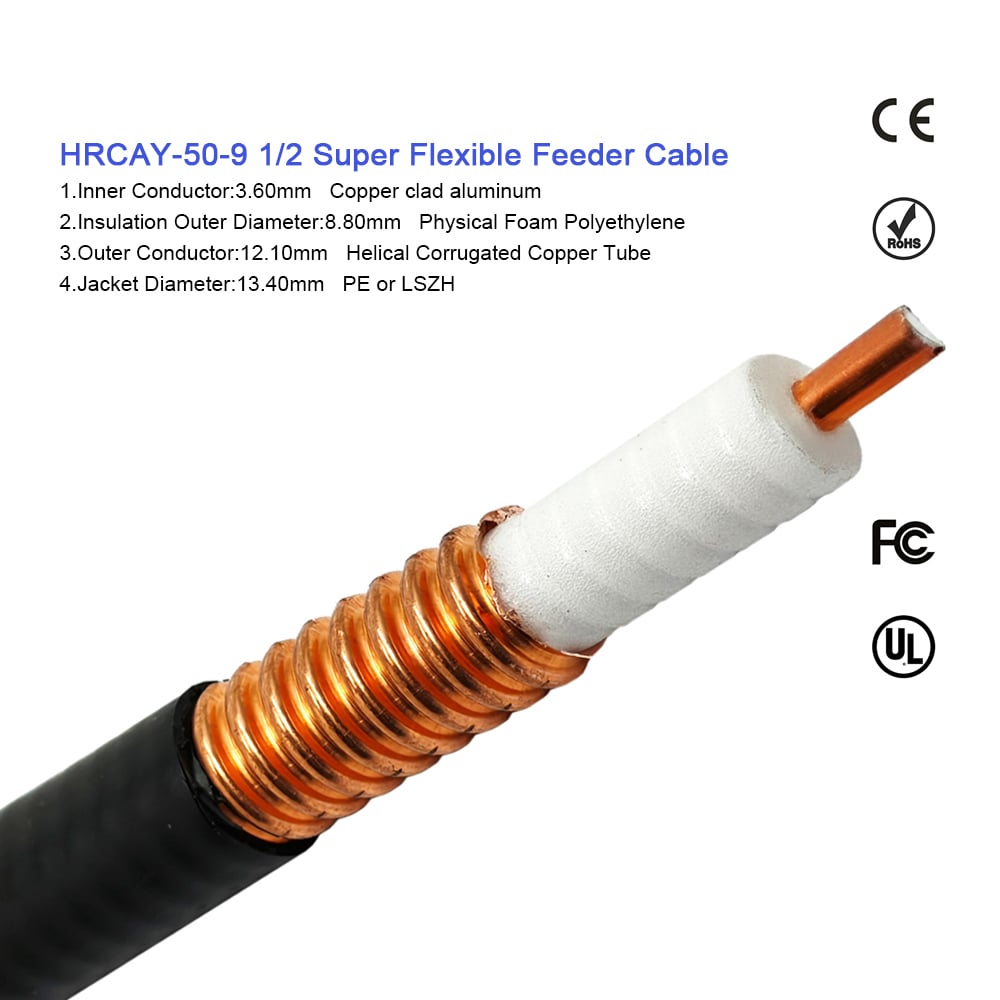
- Corrugated or superflex cable: The 1/2" Superflex Corrugated Copper Feeder Cable from Worldpeak is the appropriate choice when low insertion loss is required over longer feeder runs, such as connecting a rooftop antenna to a gateway enclosure—while still allowing the cable to be routed around building corners without a bend-radius violation. The corrugated outer conductor provides both mechanical flexibility and low loss that standard flexible micro-coax cannot match at those lengths.
Connector Interface Selection for IoT Applications
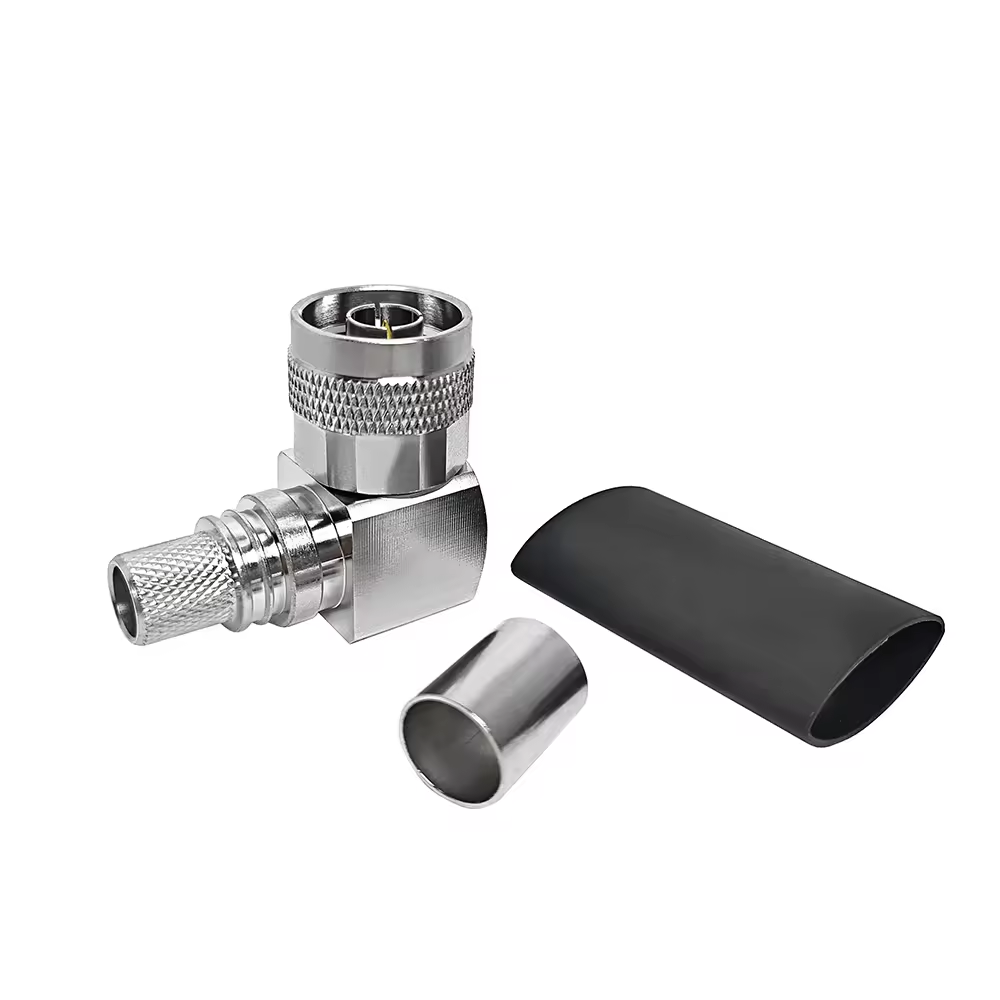
Connector selection for rf cable for iot deployments splits roughly by application context. U.FL and MMCX are dominant for board-to-antenna connections on compact IoT modules—they minimize board real estate and allow the radio module to route a cable to a panel-mount or external antenna. SMA is more common at gateway enclosures and patch-panel applications where the mating cycle count is higher and mechanical durability matters more than board-space savings.
When multiple signal paths in an IoT platform share infrastructure—for example, a gateway using a sp3t rf switch to route between antenna ports—cable impedance, insertion loss, and connector interface must be consistent across all paths connected to the switch. Amplitude imbalance between branches caused by length mismatch or inconsistent connector quality shows up as asymmetric link performance across sectors.
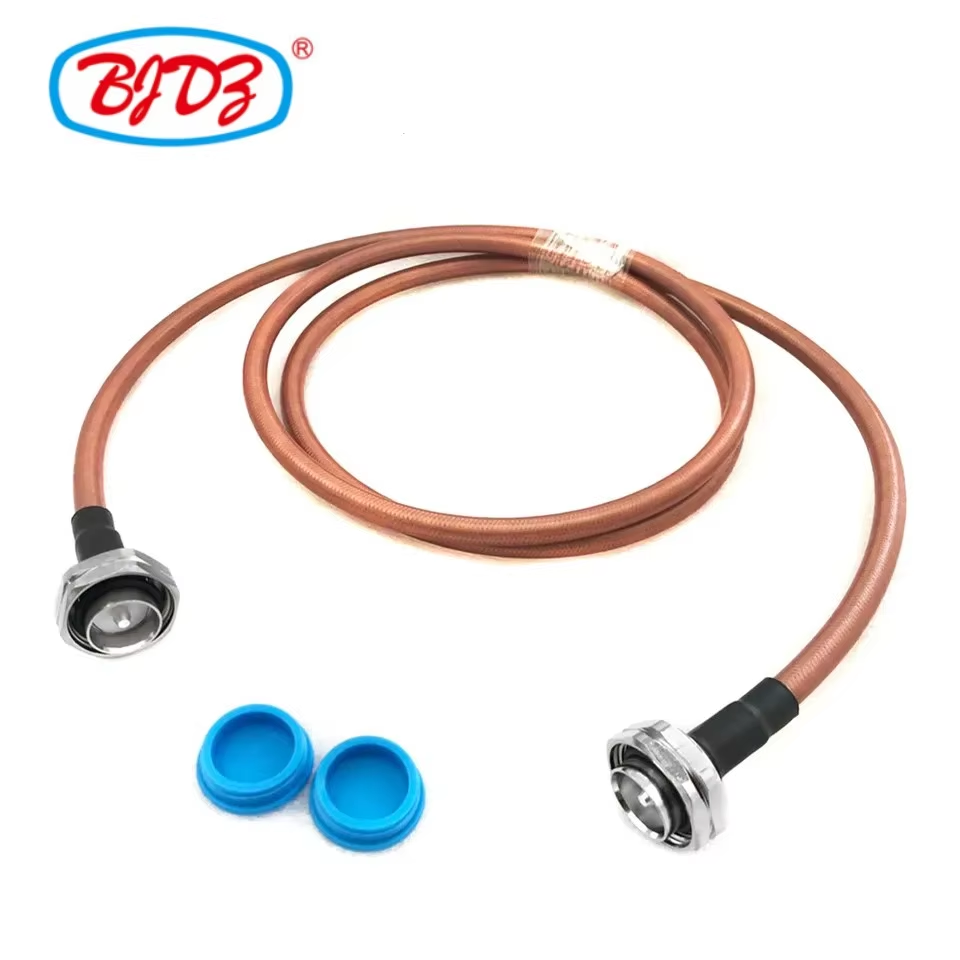
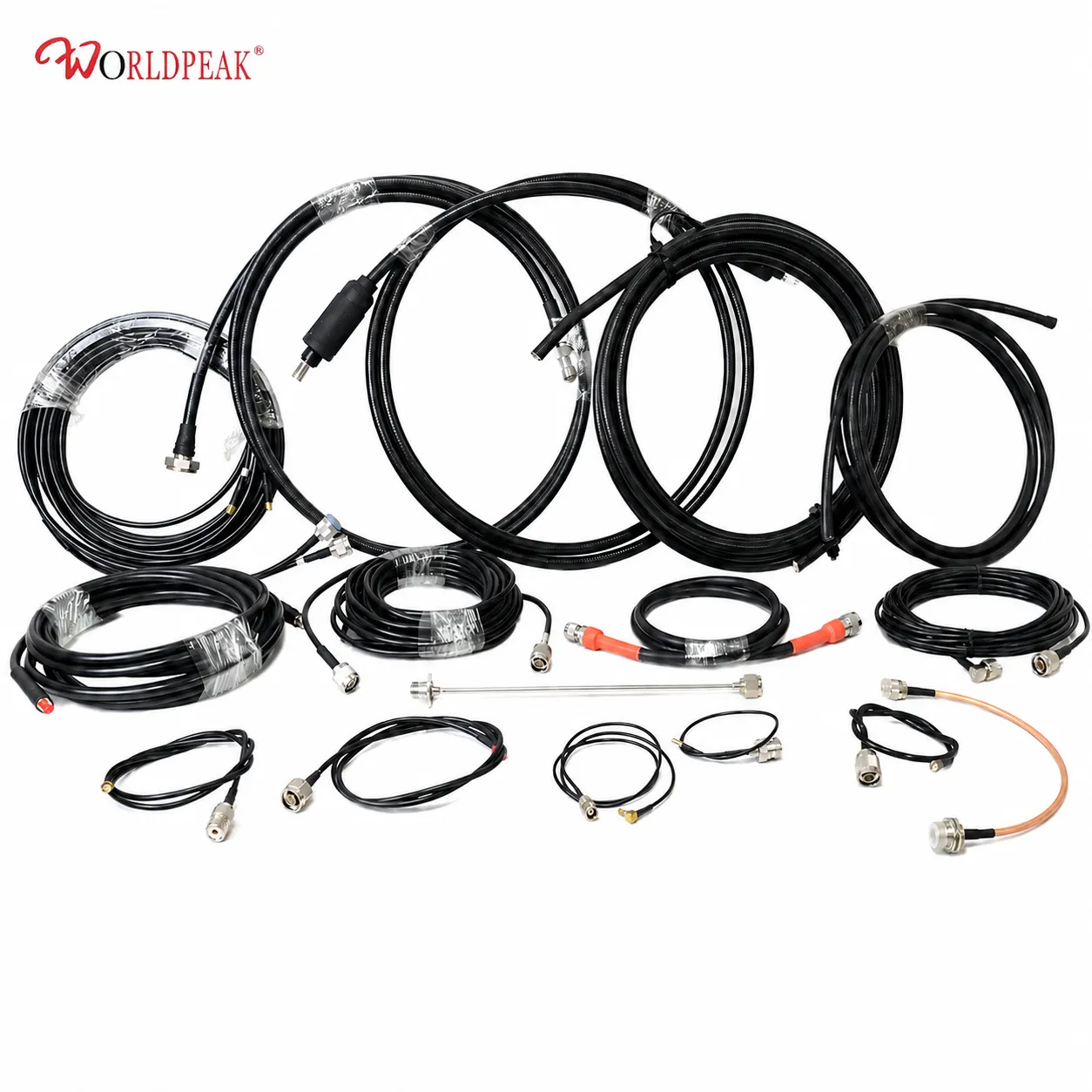
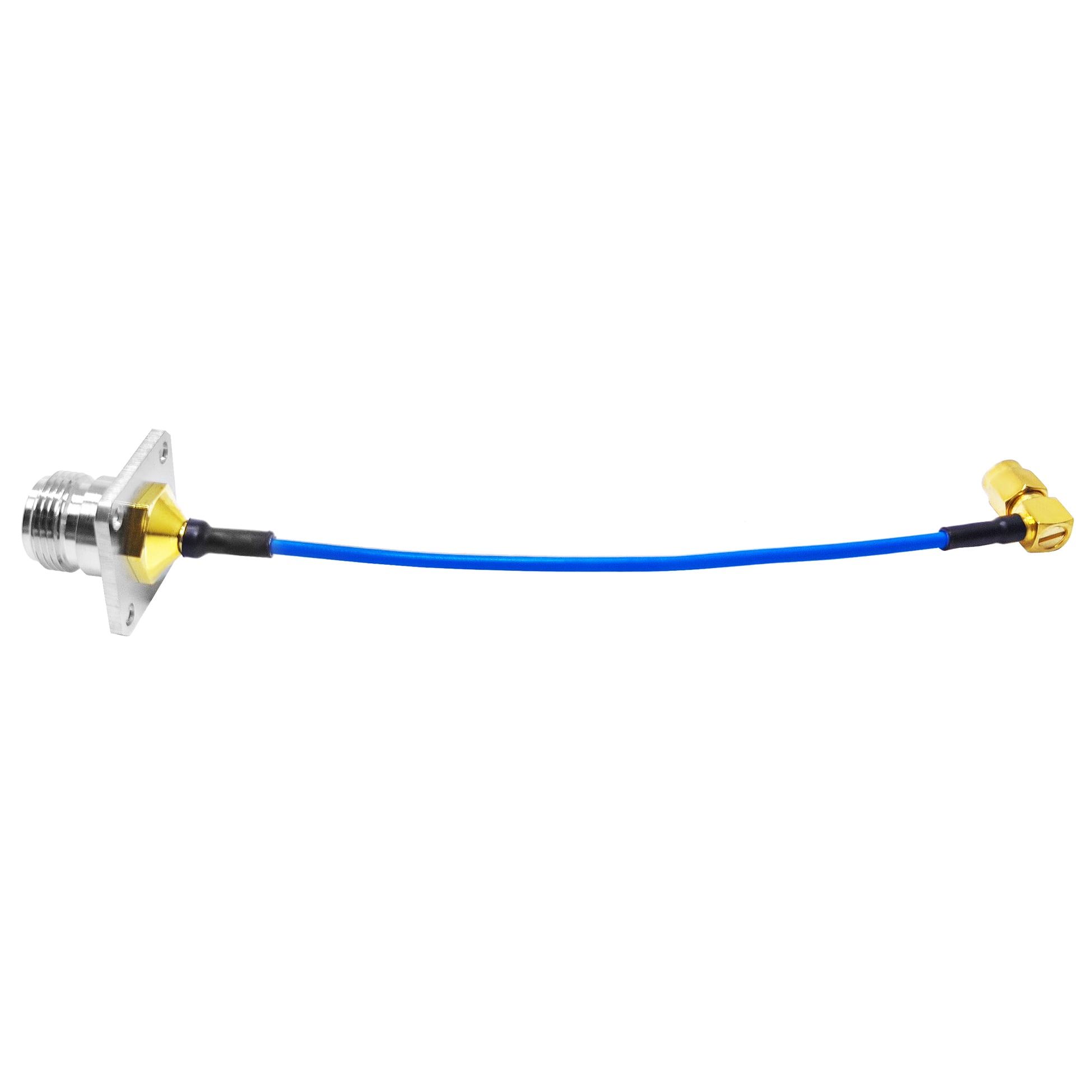
Pre-terminated assemblies simplify integration by removing the in-house crimp or solder step. The Worldpeak SS402 Pre-Terminated Cable Assembly is an example of a factory-tested assembly with consistent electrical length, suitable for applications where per-assembly swept test data is needed to confirm insertion loss before installation.
OEM Customization and IoT Design-In
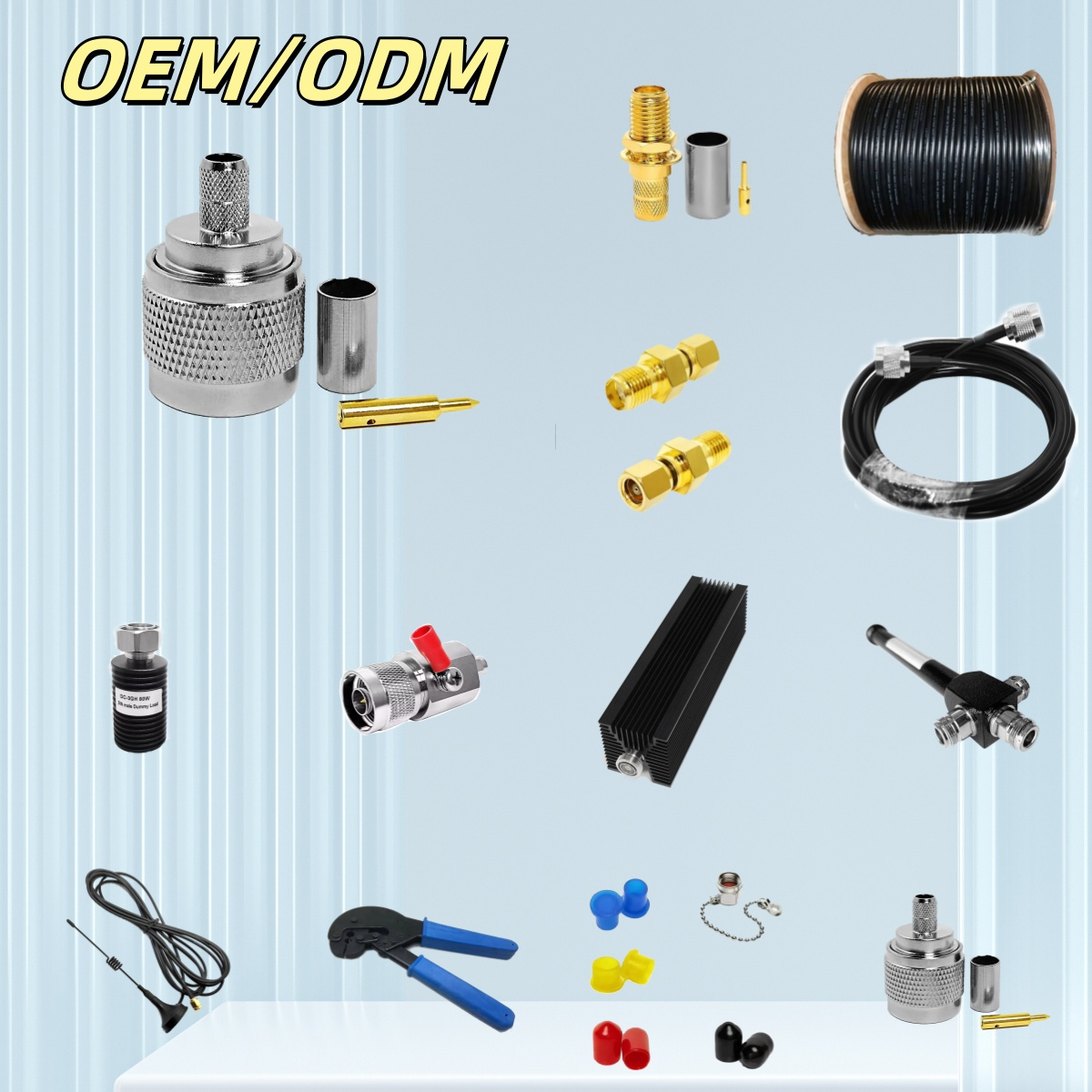
Standard catalog cable assemblies cover the majority of IoT procurement needs. When the application involves a non-standard routing length, a mixed-connector configuration (SMA male to MMCX female, for example), or a jacket material specified for a specific temperature or chemical environment, OEM custom cable assembly fabrication is the practical path. Worldpeak's custom cable assembly capability covers non-standard lengths, mixed-connector configurations, and application-specific outer jacket specifications—with small-batch sample lead times suited to prototype and system development phases before production quantities are committed.
In systems where signal conditioning is required along the cable path—such as using an rf power attenuator to level power between a transmit chain and a low-power sensor radio—the impedance and loss contribution of the attenuator must be included in the full link budget analysis. An attenuator added to an already-marginal cable run compounds loss; in those situations, lower-loss cable is usually the better system-level solution.
RF Cable Selection Checklist for B2B Procurement
Before submitting an RFQ for rf cable for iot assemblies, confirm each of the following:
- Characteristic impedance verified end-to-end: 50 ohms for RF; confirm cable, connectors, and board pads all match.
- Insertion loss at operating frequency: Obtain loss per meter at 2.4 GHz and your upper frequency band; calculate total assembly loss including connector insertion loss contribution.
- Shielding effectiveness rated for deployment environment: If power electronics or switching converters are nearby, specify double-shielded or corrugated outer conductor construction; consider rf noise filter at termination for fixed-frequency interference sources.
- Cable construction matched to routing geometry: Flexible for re-routable paths; semi-rigid for fixed, phase-sensitive paths; superflex corrugated for long runs requiring flexibility without high loss.
- Connector interface specified completely: Interface type (SMA, MMCX, U.FL), gender, and body plating material; specify polarity for RPSMA applications.
- Mating cycle count evaluated: If the assembly will be mated and unmated repeatedly in service, specify connector plating grade accordingly—gold plating sustains more cycles than silver or nickel before contact resistance drift.
- Environmental ratings confirmed: Operating temperature range, IP rating for outdoor or moisture-exposed installations, jacket material compatibility with chemical exposure.
- Test data requirements stated in the RFQ: Per-assembly insertion loss sweep data confirms assembly quality before installation; specify if required for incoming inspection or as-built documentation.
Early in my experience with rf cable for iot procurement, I optimized for lowest unit price per meter. The blind spot was minimum bend radius, which set an independent constraint that the lowest-cost cable could not satisfy in a tightly packaged sensor enclosure. Now I start with routing geometry and environmental conditions, then derive the cable type, and finally evaluate cost within that constrained spec set.
Worldpeak specializes in RF connectors, coaxial cable assemblies, and RF passive components, with export experience covering Europe, North America, South America, and Asia. Technical pre-sales support is available for application specification review and connector-to-application fit confirmation before order placement.