 EN
EN

What environmental resistance can be customized for OEM rf cable
2026/09/25
Customize an rf high frequency cable for temperature, moisture, corrosion, vibration, flexing, and OEM validation needs.
2026/09/12
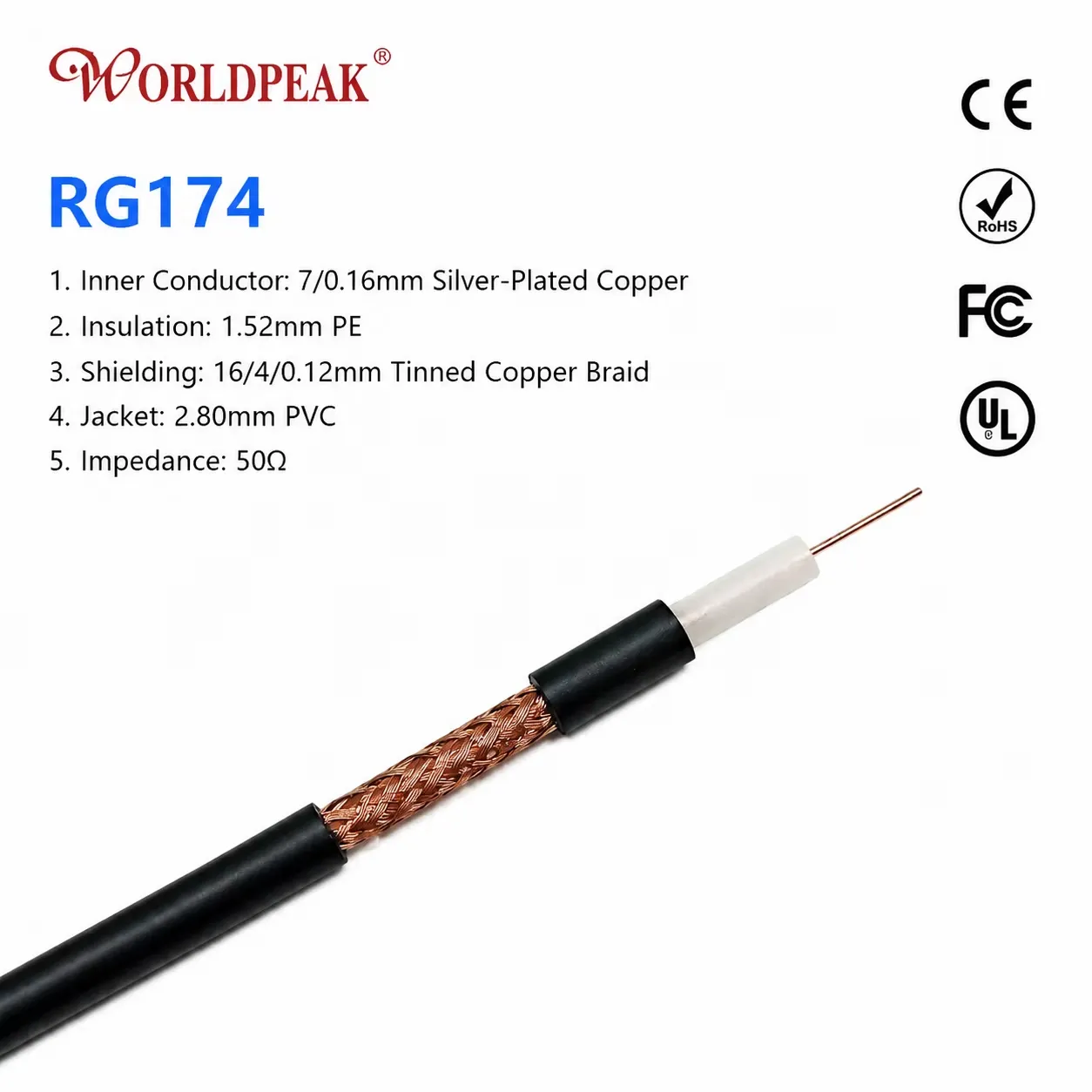
High-power radio frequency transmission demands robust dielectric stability, high current handling, and minimal signal attenuation. For military communication stations, amateur radio amplifiers, maritime radio rigs, and localized broadcast transmitters, choosing a reliable RG-213 coaxial cable is critical to ensuring maximum transmitter output efficiency. In demanding high-power applications, standard commercial jumpers often fail under continuous RF thermal stress, leading to impedance degradation and high Voltage Standing Wave Ratio (VSWR) spikes.
Specifying an industrial-grade HF coaxial cable requires evaluating conductor composition, shield coverage, thermal endurance, and mechanical jacketing. Designed to meet military MIL-C-17 specifications, the 50-ohm RG-213 coaxial cable remains a primary choice for high-power long-distance transmission across the 1.8 MHz to 300 MHz spectrum. WORLDPEAK manufactures high-spec coaxial transmission lines and precision connector assemblies engineered for rugged industrial environments. This guide breaks down the structural design, electrical parameters, power handling logic, and quality control steps required when sourcing a durable high-power RF cable for critical communication networks.
The long-term performance of an RG-213 coaxial cable under high current loads depends directly on its physical dimensions and raw material purity. Unlike light-duty RG-58 or RG-8X cables, this heavy-duty 0.405-inch (10.3 mm) diameter cable is engineered to minimize conductor resistance and heat build-up.
Inner Conductor Structure: Formed from 7 strands of 0.75 mm high-purity oxygen-free bare copper, creating a flexible 2.25 mm (13 AWG) central conductor. This construction reduces skin-effect resistance while maintaining field bendability.
Solid Polyethylene Dielectric: Solid PE dielectric insulation retains precise concentricity under mechanical flexing, preventing inner conductor displacement that causes micro-impedance shifts in any high-power VHF coaxial cable.
High-Density Braided Shield: A dense bare copper braid provides equal to or greater than 95% optical coverage, preventing RF leakage and protecting low-level signals from external electromagnetic interference (EMI).
Weatherproof Outer Jacket: Wrapped in non-contaminating PVC or UV-resistant Polyethylene (PE), protecting the inner dielectric from moisture ingress and UV degradation during outdoor field deployments.
When selecting an HF coaxial cable for kilowatt-class amplifiers, evaluating attenuation per 100 meters alongside continuous RF power ratings is essential. The robust thermal threshold of an RG-213 coaxial cable allows it to handle substantial power loads across the High Frequency (HF) and Very High Frequency (VHF) bands.
| Frequency (MHz) | Attenuation (dB/100m at 20°C) | Max Continuous RF Power (kW at 40°C) | Primary Application Target |
| 1.8 MHz (160m) | 0.8 dB | 3.8 kW | High-Power HF Amateur Radio |
| 10.0 MHz (30m) | 1.8 dB | 2.1 kW | Tactical HF Communication |
| 30.0 MHz (10m) | 3.2 dB | 1.2 kW | Commercial HF Radio Station |
| 145 MHz (2m VHF) | 7.8 dB | 0.52 kW | Emergency VHF Base Station |
| 430 MHz (UHF) | 14.5 dB | 0.28 kW | Short Jumpers / Local Interconnects |
For high-frequency radio systems operating between 1.8 MHz and 30 MHz, an RG-213 coaxial cable acts as a dependable low-loss coax, maintaining high RF energy throughput without requiring expensive corrugated copper lines. However, as operational frequencies enter higher VHF/UHF bands, attenuation increases, making proper cable selection critical for maintaining link budgets.
Procurement managers and station engineers often evaluate an RG-213 coaxial cable against other 0.405-inch outer diameter options. Understanding these core material differences prevents improper field substitution.
RG-213 vs. RG-8U: While both share a similar outer diameter, RG-8U frequently uses foam dielectric and lower braid coverage, reducing its mechanical durability outdoors. An RG-213 coaxial cable utilizes solid PE dielectric and thick copper shielding, ensuring superior crush resistance and long-term impedance stability in an HF coaxial cable.
RG-213 vs. LMR-400: LMR-400 utilizes a foam dielectric and aluminum foil shield, offering lower attenuation at UHF/SHF frequencies as a low-loss coax. However, for mobile HF setups or tactical field deployments where repeated coiling is required, the flexible stranded copper core of an RG-213 coaxial cable offers greater resistance to conductor breakage compared to solid-core cables.
Connector Compatibility: The standard metric body dimensions of an RG-213 coaxial cable ensure seamless mating with heavy-duty UHF (PL-259/SO-239), N-Type, and 7/16 DIN connectors without requiring specialized adapter sleeves.
To ensure every roll of VHF coaxial cable meets strict industrial and military performance standards, WORLDPEAK implements a multi-stage Quality Assurance routine across production lines:
Conductor Purity Analysis: Optical emission spectroscopy verifies 99.99% oxygen-free copper purity for inner conductors, maximizing conductivity in every high-power RF cable.
Concentricity & Dimensional Inspection: Continuous online X-ray monitoring maintains strict concentricity between the inner conductor and dielectric layer, eliminating impedance variances.
High-Voltage Spark Testing: 100% inline spark testing at 5,000V AC verifies dielectric wall integrity, preventing high-voltage arc breakdown during high-power HF transmission.
Vector Network Analyzer Sweep: Every finished batch undergoes 100% VNA sweep testing to verify VSWR (<= 1.15) and insertion loss performance across the target frequency spectrum.
Environmental Aging Test: Accelerated thermal cycling (-40°C to +85°C) and salt spray testing validate jacket stability for marine and coastal deployments using an RG-213 coaxial cable.
2026/09/25
Customize an rf high frequency cable for temperature, moisture, corrosion, vibration, flexing, and OEM validation needs.
2026/09/25
Streamline RF equipment assembly lines with custom coaxial jumpers. Reduce line-side rework, ensure precise routing, and boost production efficiency.
2026/09/25
Learn PL-259 connector selection, soldering, weatherproofing, and RF applications for dependable antenna feedlines.
2026/09/25
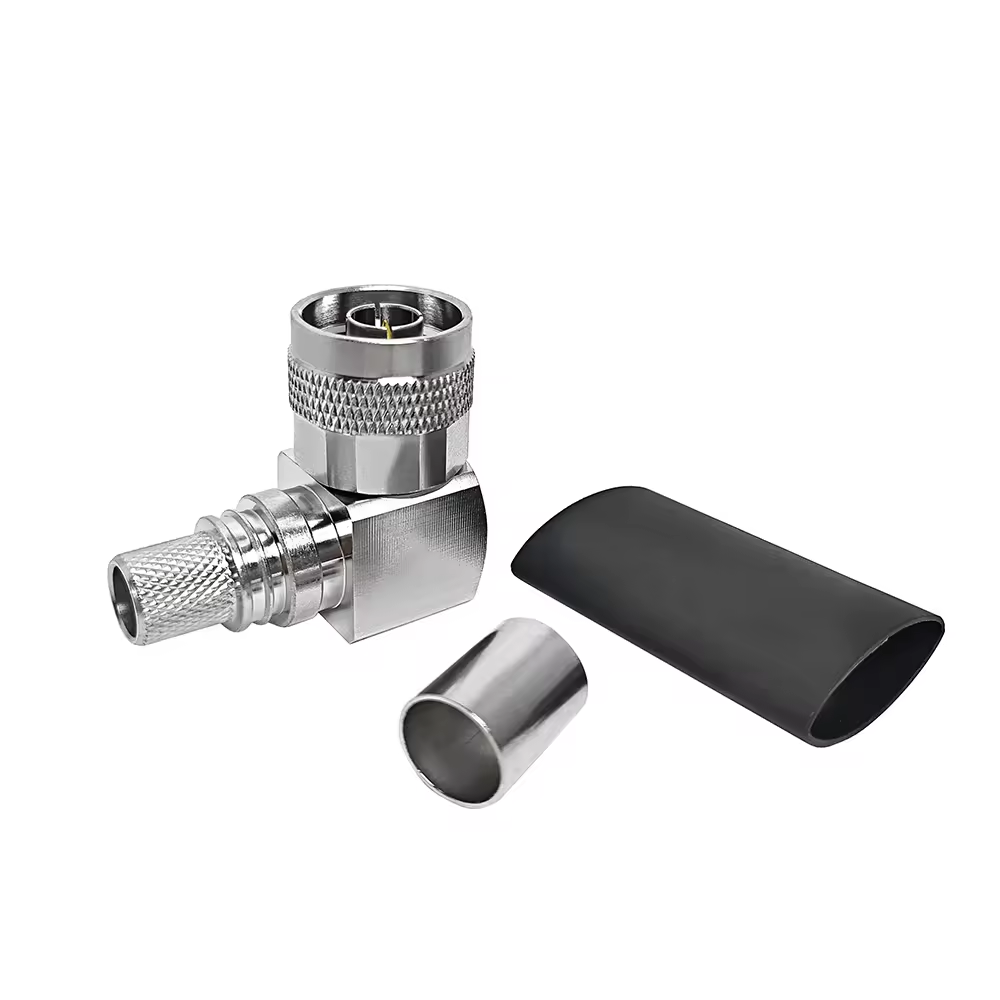
Confirm impedance for a 90 degree coax connector with an ODM test plan covering VNA setup, VSWR, acceptance criteria, and release records.
2026/09/25
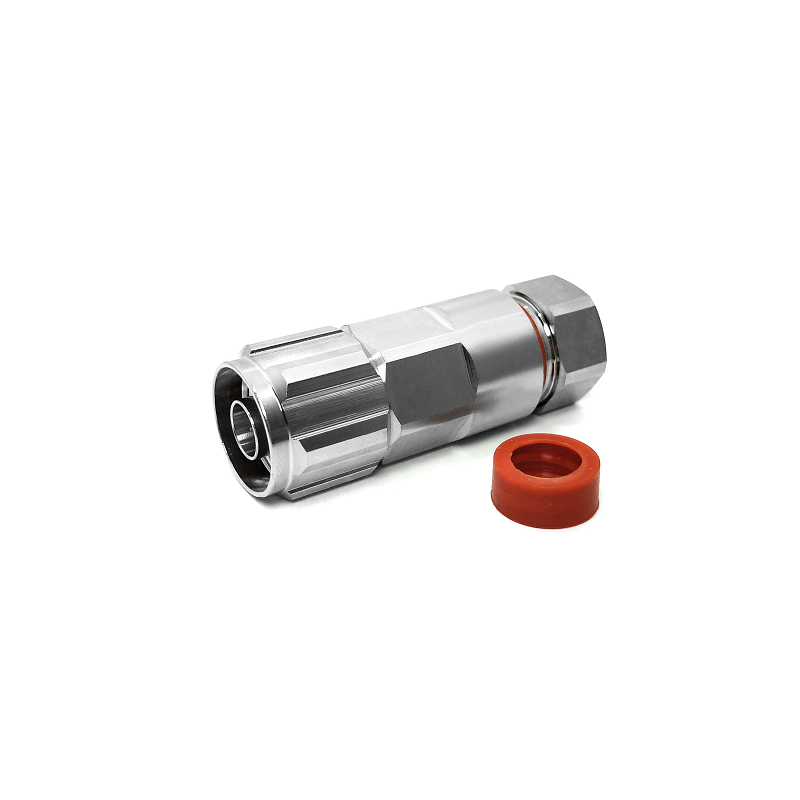
Learn when an n type coax connector can omit extra anti-corrosion treatment and when OEM exposure conditions require it.
2026/09/25
Learn how the custom cable and wire sample process helps ODM buyers validate design, testing, and production readiness.