 EN
EN

7/16 DIN Connector Guide: High-Power RF Standard
2026/09/24
Choose a 7 16 connector for high-power RF: compare DIN and Type N, protect PIM margin, and apply field installation checks.
2026/08/26
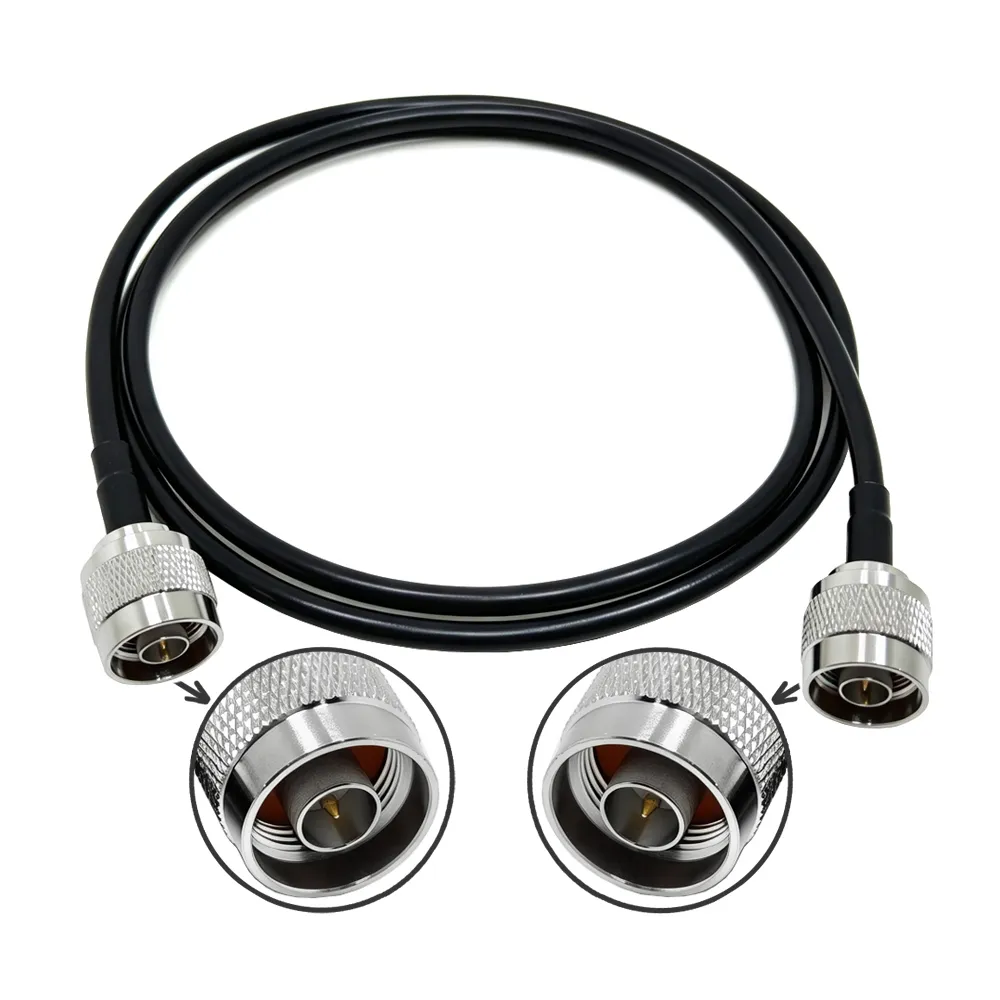
Standard coaxial lines remain vital in everyday RF engineering, and few options enjoy the widespread adoption of the flexible 50-ohm rg58 cable. Built with a stranded center conductor, solid dielectric insulation, and a tinned copper braid, this 5 mm coax serves as an industry default for short interconnects, mobile radio drops, and test bench patch cords.
Understanding signal loss curves and high-frequency limits prevents performance issues in the field. Comparing the core specifications of an rg58 cable against related options like rg cable rg 59, rg 174, and rg 11 allows engineers and buyers to select the right line for any installation.
Signal loss across coaxial lines climbs continuously as frequency increases. Because rg58 relies on a relatively compact geometry, keeping track of attenuation per unit length ensures transmitted power remains within system budgets.
| Frequency Band | Average Attenuation per 100 meters | Average Attenuation per 100 feet | Practical Application Guidance |
| 100 MHz | ~15 - 18 dB | ~4.6 - 5.5 dB | Excellent for VHF radio, audio, and basic test leads |
| 400 MHz | ~32 - 35 dB | ~9.8 - 10.7 dB | Well suited for UHF two-way radio jumpers under 5 meters |
| 900 MHz | ~55 - 60 dB | ~16.8 - 18.3 dB | Keep runs short; best for internal cabinet jumpers |
| 2.4 GHz | ~90 - 100 dB | ~27.4 - 30.5 dB | High loss; limit usage to short 1-meter patch leads |
The practical takeaway from these figures is clear: below 1 GHz, rg58 delivers reliable performance for patch cables and short feedlines. Above 1 GHz, signal loss accelerates, meaning long runs require stepping up to lower-loss alternatives like solid-shield or low-loss foam dielectric cables.
Coaxial cables rarely exhibit a sudden physical frequency cutoff point, but practical performance boundaries determine where an rg58 cable remains effective. Three core factors set this threshold:
Attenuation Creep: High signal attenuation at microwave frequencies degrades link budgets over long distances.
Shielding Isolation: Single-braid construction provides adequate isolation for basic runs, but dense equipment racks operating above 1 GHz can experience crosstalk.
Impedance Stability: Minor mechanical flexing and dimensional variations impact high-frequency return loss performance.
For bench leads, mobile radio drops, and sub-GHz jumpers, an rg58 cable remains an economical and durable choice. For 2.4 GHz or 5.8 GHz Wi-Fi links running beyond a few meters, choosing a larger low-loss line avoids unnecessary power loss.
The broader family of traditional coax often creates confusion during component procurement. Selecting between rg58, rg cable rg 59, rg 174, and rg 11 comes down to matching system impedance, physical size, and attenuation needs.
Standard 50-Ohm Utility Line: An rg58 cable provides an ideal balance between flexibility and power capacity for general RF work under 1 GHz.
75-Ohm Video and Broadcast Line: The standard rg cable rg 59 is engineered strictly for 75-ohm video, CCTV, and baseband transmission. Plugging a 75-ohm rg cable rg 59 into a 50-ohm RF system creates instant impedance mismatches and unwanted signal reflections.
Miniature 50-Ohm Patch Wire: Measuring roughly 2.8 mm in outer diameter, rg 174 provides extreme flexibility for tight spaces. However, rg 174 exhibits higher attenuation per meter than rg58, making it suitable primarily for ultra-short internal interconnects.
Low-Loss 75-Ohm Trunk Cable: Featuring a thick outer diameter and heavy dielectric, rg 11 offers low loss over long 75-ohm cable TV and broadcast video runs.
| Cable Designation | Characteristic Impedance | Nominal Outer Diameter | Primary Operational Role |
| RG58 | 50 Ohms | ~5.0 mm | General-purpose RF communications, sub-GHz test leads |
| RG59 | 75 Ohms | ~6.1 mm | Analog CCTV, composite video, broadcast lines |
| RG174 | 50 Ohms | ~2.8 mm | High-density internal wiring, compact device jumpers |
| RG11 | 75 Ohms | ~10.3 mm | Long-distance 75-ohm video trunks, CATV distribution |
Ensuring that an rg58 cable assembly maintains stable performance over thousands of flex cycles requires smart handling habits:
Maintain Recommended Bend Radii: Avoid bending an rg58 cable tighter than its recommended minimum bend radius of roughly 25 mm to prevent crushing the inner dielectric.
Avoid Kinking During Storage: Coil patch cables in smooth, loose loops rather than tight figure-eight shapes that stress outer jackets and internal braids.
Use Proper Strain Relief: Mechanical fatigue typically occurs right where the cable meets the connector boot. Adding molded strain relief boots or service loops prevents conductor breakage during repeated flexing.
Protect Outer Jackets: Keep cable assemblies away from sharp metal enclosure edges, chemical solvents, and severe mechanical crushing forces.
Following a few standard rules during system design prevents costly signal issues in production:
Match Impedance Intentionally: Never substitute 75-ohm lines like rg cable rg 59 or rg 11 into 50-ohm RF paths, as impedance mismatches compromise return loss performance.
Limit Lengths at Higher Frequencies: Keep rg58 lengths under 10 meters for sub-GHz setups and under 2 meters when operating near 1 GHz.
Select Compact Options for Tight Spaces: Use rg 174 for internal board jumpers where flexibility matters more than attenuation.
Step Up for High-Isolation Needs: Where double shielding or higher isolation is needed in dense signal environments, consider double-braided alternatives like RG223.
Procuring bulk coaxial cable or pre-terminated assemblies requires working with established manufacturing partners that control raw material processing, extrusion, and final assembly testing. Quality variations in copper braid density or dielectric purity directly impact overall attenuation and physical flexibility in the field.
Partnering with an experienced supplier like Worldpeak streamlines sourcing across diverse product families. Offering precision-extruded bulk rg58, miniature rg 174, rg cable rg 59, and thick rg 11 lines—alongside factory-terminated cable assemblies fitted with BNC, SMA, TNC, and N-type connectors—Worldpeak guarantees consistent lot quality. ISO9001-certified manufacturing processes and comprehensive batch testing using vector network analyzers ensure every cable deployment meets strict performance standards.
Frequently Asked Questions
What is the standard impedance of an rg58 cable?
An rg58 cable is a 50-ohm coaxial line designed primarily for general RF communications, two-way radio installations, and test equipment patch leads.
Can an rg cable rg 59 line be used in place of rg58?
No. rg cable rg 59 is a 75-ohm cable designed for video transmission, whereas rg58 is a 50-ohm line. Interchanging them introduces impedance mismatches and signal reflections.
When should an engineer select rg 174 instead of rg58?
An rg 174 cable is chosen when routing space is extremely constrained inside small enclosures. Because rg 174 has higher attenuation per meter, it should be limited to short internal connections.
2026/09/24
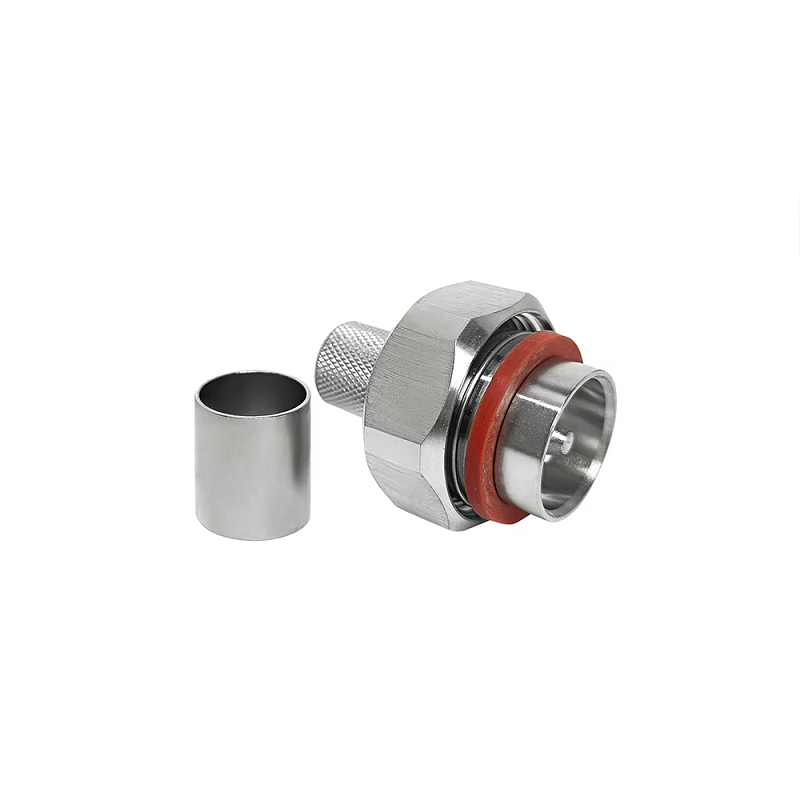
Choose a 7 16 connector for high-power RF: compare DIN and Type N, protect PIM margin, and apply field installation checks.
2026/09/24
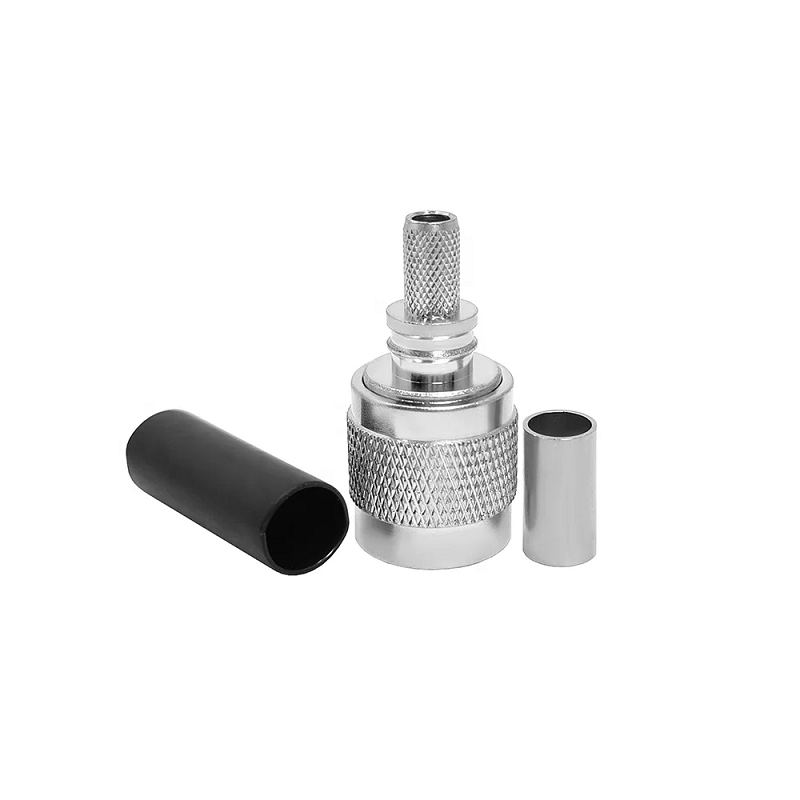
Compare TNC connector types, specs and applications, including RP-TNC, bulkhead options, vibration performance and adapter selection.
2026/09/24
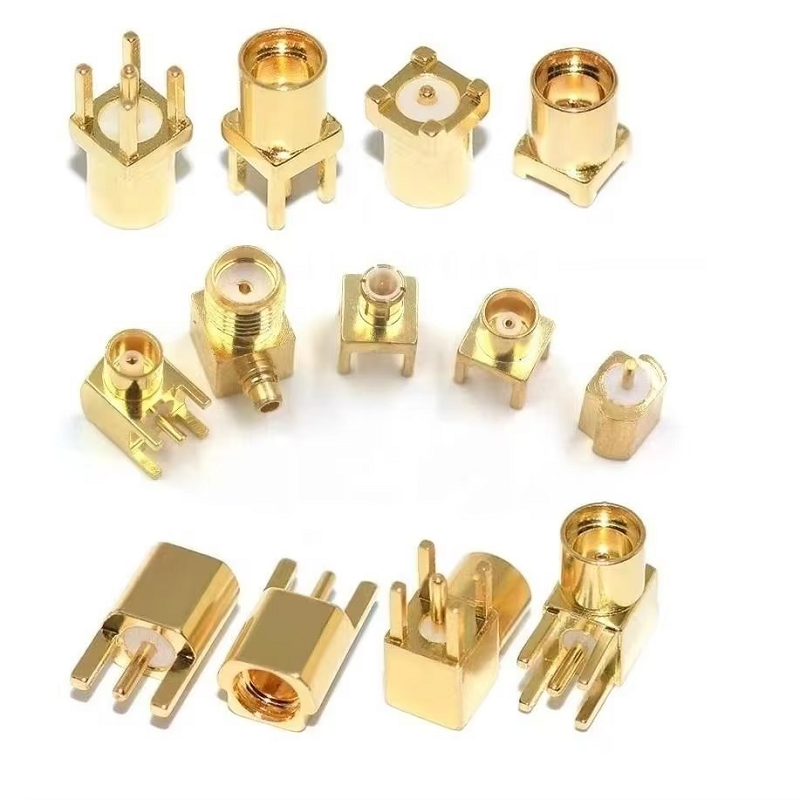
Understand MMCX connector basics, RF limits, and how to choose the right coaxial interface for compact systems.
2026/09/24
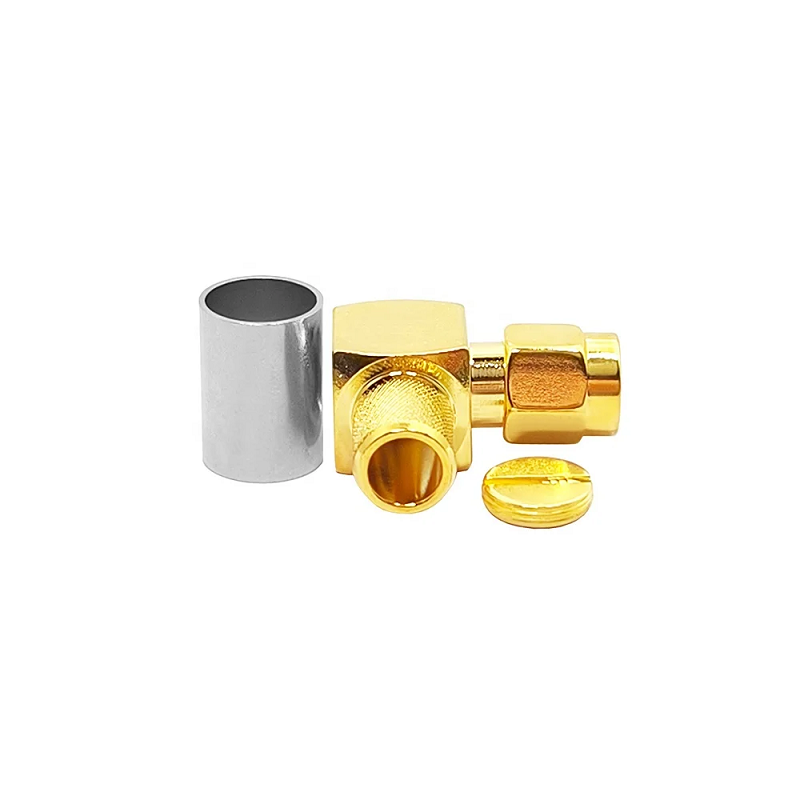
Understand RP-SMA connector polarity, mating rules, frequency checks, and OEM termination options for reliable RF builds.
2026/09/24
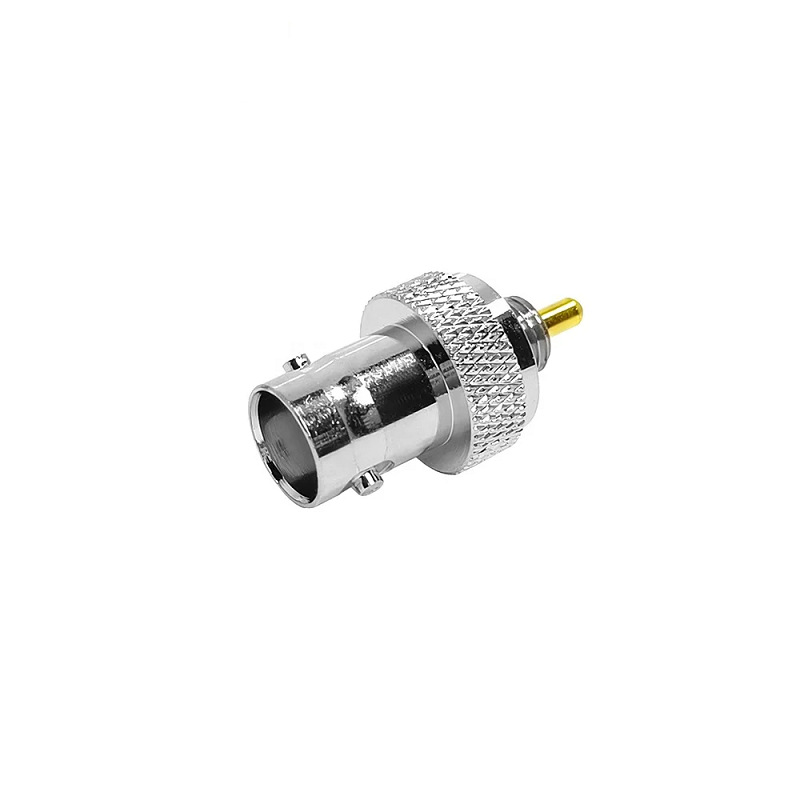
Choose the right bnc male connector for RF, CCTV and test systems with clear 50Ω vs 75Ω, type and installation guidance.
2026/09/24
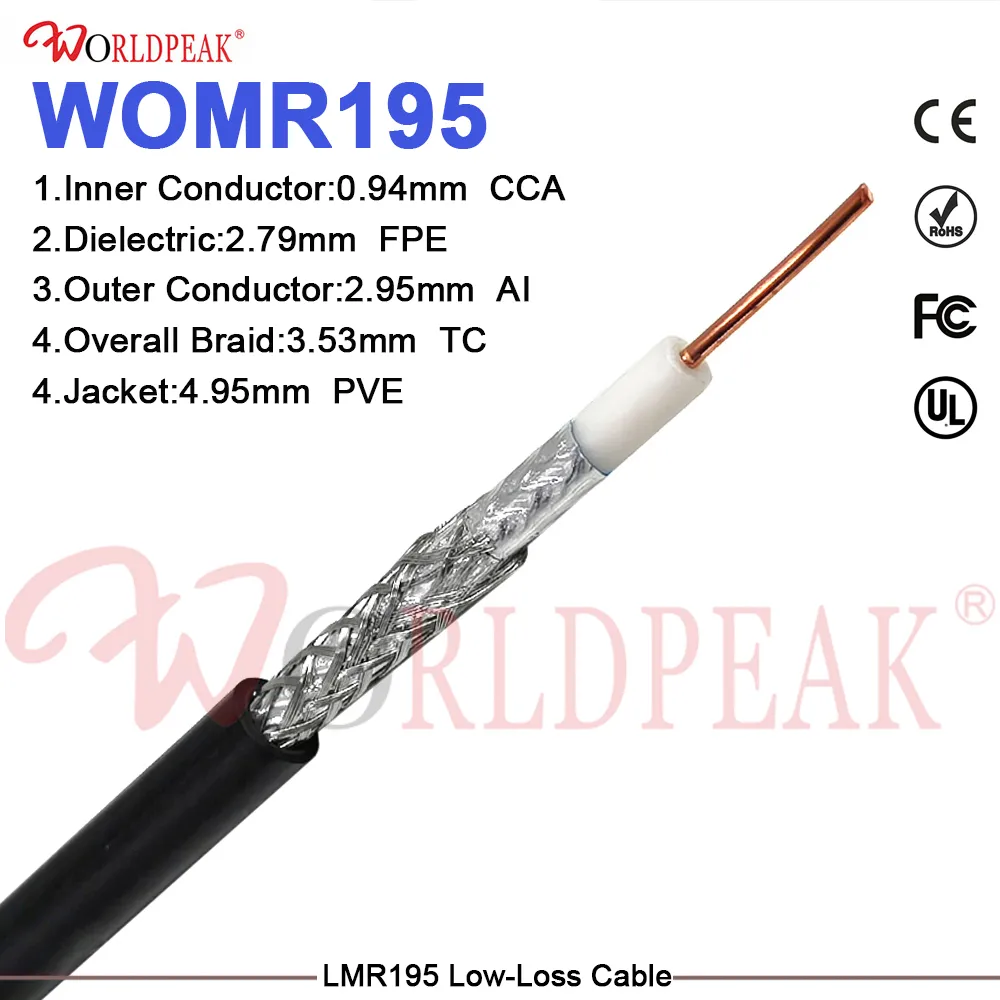
Compare LMR400 specs, cable loss, uses, connectors and RG8/RG213 alternatives with a practical RF loss-budget method.