 EN
EN

What environmental resistance can be customized for OEM rf cable
2026/09/25
Customize an rf high frequency cable for temperature, moisture, corrosion, vibration, flexing, and OEM validation needs.
2026/08/25
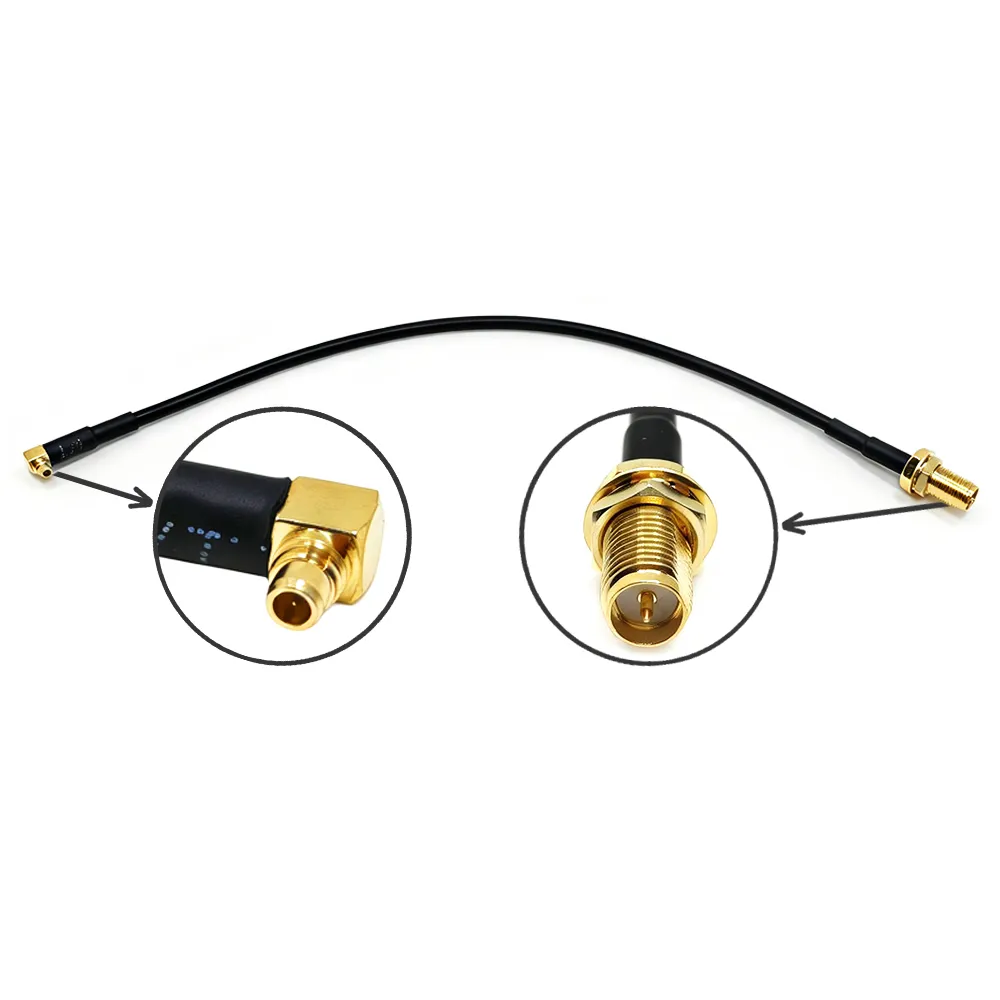
In a modern technology landscape heavily dominated by low-loss LMR cables and rigid semi-rigid transmission lines, the rg174 cable remains an exceptionally popular miniature coaxial solution for compact radio frequency designs. Featuring a compact 2.8 mm outer diameter, a typical rg174 coax fits seamlessly into extremely tight spaces where larger cables cannot possibly go, making it a staple inside portable two-way radios, GPS tracking modules, IoT gateways, and diagnostic test fixtures globally. Professional design engineers who route this compact coax through complex electronics understand that an rg174 cable earns its keep through optimal physical dimensions, flexibility, and reliability rather than ultra-low attenuation. This comprehensive guide covers essential technical specifications, analyzes the broader rg cable rg174 family, compares rg174 vs rg58 options, and highlights practical applications across various industries.
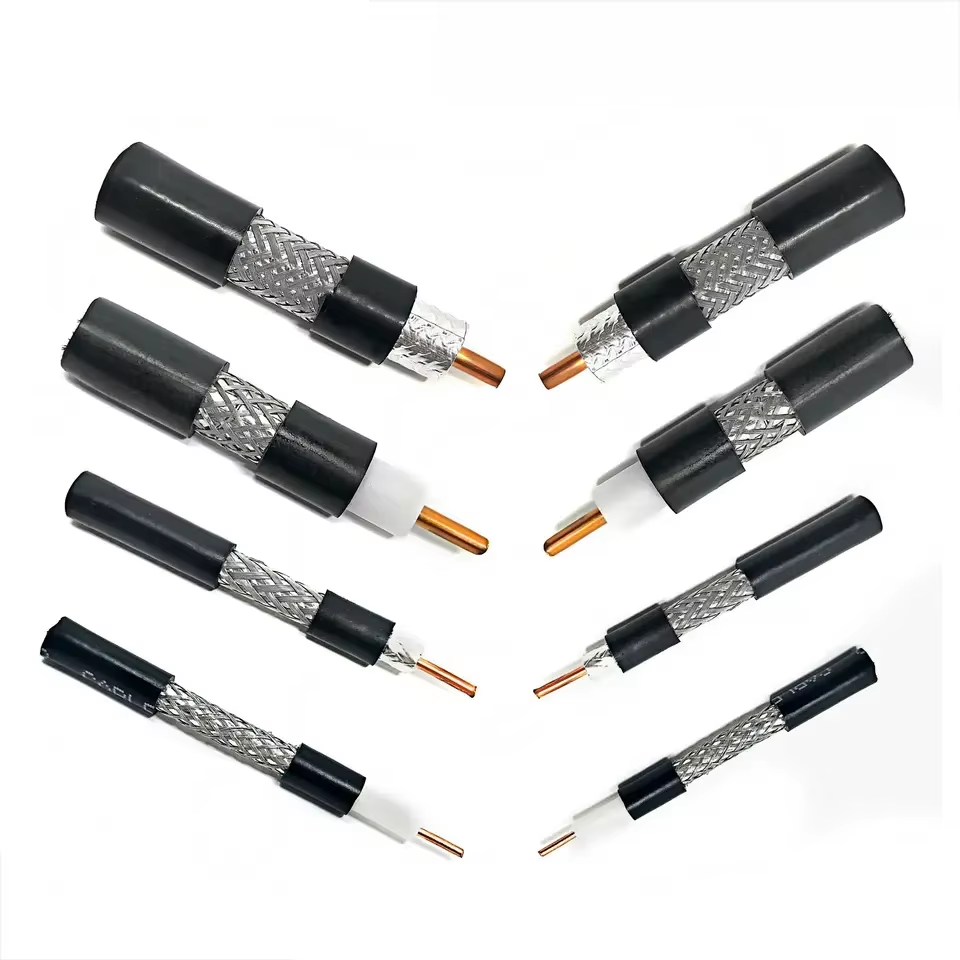
The traditional rg174 cable is engineered as a 50 ohm miniature coaxial cable featuring a solid polyethylene dielectric core, a flexible stranded center conductor, and a single tinned copper outer braid protected by a durable PVC jacket. With a nominal outer diameter measuring approximately 2.8 mm, the line offers remarkable physical flexibility, positioning it as the default choice for short internal radio frequency jumpers and tight chassis connections.
Because attenuation is naturally higher than thicker coaxial lines—typically reaching 30 to 50 dB per 100 meters depending on the operating frequency—engineers generally restrict an rg174 cable to short runs under two meters within critical transmission paths. Electrical capacitance sits around 101 pF per meter, accompanied by a nominal velocity factor of roughly 66 percent. These performance metrics align closely with standard military specifications, ensuring that a factory-verified rg174 cable datasheet remains consistent across reputable global suppliers.
When designing high-frequency circuitry, understanding the exact electrical and mechanical limits of an rg174 coax is critical for preventing signal degradation. The stranded center conductor provides excellent resistance against mechanical fatigue caused by vibration or repeated flexing, which is why mobile and portable devices rely heavily on this specific cable type. The single tinned copper braid offers adequate shielding effectiveness for most standard internal environments, though heavily congested electromagnetic areas might require additional shielding considerations.
Furthermore, temperature ratings for standard configurations typically range from minus forty degrees Celsius up to eighty-five degrees Celsius, accommodating standard commercial and industrial operating conditions. For specialized environments requiring resistance to extreme heat or corrosive elements, alternative dielectric materials like PTFE are often integrated into similar miniature profiles, bridging the gap between standard commercial requirements and demanding military standards.
Evaluating an rg cable rg174 often involves comparing it against several neighboring coaxial standards to determine the best fit for a project. For instance, the classic rg58 cable belongs to the same 50 ohm family but features a thicker 5.0 mm profile and roughly 30 percent lower attenuation, making rg58 ideal when physical space permits and signal loss must be strictly minimized.
When conducting an explicit rg174 vs rg58 evaluation, designers weigh physical flexibility against signal attenuation. While rg58 excels in longer runs across larger equipment racks, an rg174 coax easily triumphs in tight internal device routing where bend radius is severely constrained. Other alternatives include the rg316 type, which shares similar physical dimensions with an rg174 cable but incorporates a high-performance PTFE dielectric to handle elevated operating temperatures and higher frequencies at a higher cost. For ultra-compact builds, even thinner variants exist, yet the standard rg174 cable remains the preferred baseline for cost efficiency, physical flexibility, and global component availability.
Typical rg174 cable applications span a diverse array of modern technology sectors, including GPS antenna pigtails, Wi-Fi and Bluetooth module internal jumpers, circuit board test leads, low-noise amplifier links in satellite receivers, and short signal feeds for portable transceivers.
Due to its minimal weight and small footprint, an rg174 coax is also heavily utilized in wearable consumer electronics, robotics, and drone avionics where every gram impacts flight performance and battery efficiency. Successful deployment across these industries relies on core engineering rules: keep signal runs short, maintain gentle bend radii, and incorporate proper strain relief at every connector interface. When correctly installed, an rg174 cable interconnect delivers reliable performance over the complete lifecycle of the host product, avoiding premature field failures.
Terminating an rg174 cable demands high precision because all physical components are exceptionally small. Installers must strictly follow manufacturer strip charts, as even a fraction of a millimeter of over-stripped dielectric can alter characteristic impedance and cause unwanted signal reflections. Crimp-style connectors engineered specifically for an rg174 coax yield the most repeatable and robust mechanical results, provided technicians utilize calibrated crimp dies rather than excessive hand pressure.
For micro-interface terminations like U.FL or IPEX connections, an rg174 cable is frequently paired with pre-fabricated pigtail assemblies because microscopic connectors are notoriously difficult to terminate reliably in field environments. High-volume production facilities rely heavily on factory-terminated rg174 cable assemblies backed by documented pull-test and continuity data to maintain near-zero field failure rates.
When procuring bulk rg174 cable for commercial manufacturing, engineering teams must carefully verify critical quality parameters. Essential verification steps include inspecting the exact dielectric composition and outer braid coverage, reviewing lot-specific attenuation data, confirming jacket color coding for quality traceability, and securing required compliance documentation such as CE, RoHS, and UL94 ratings.
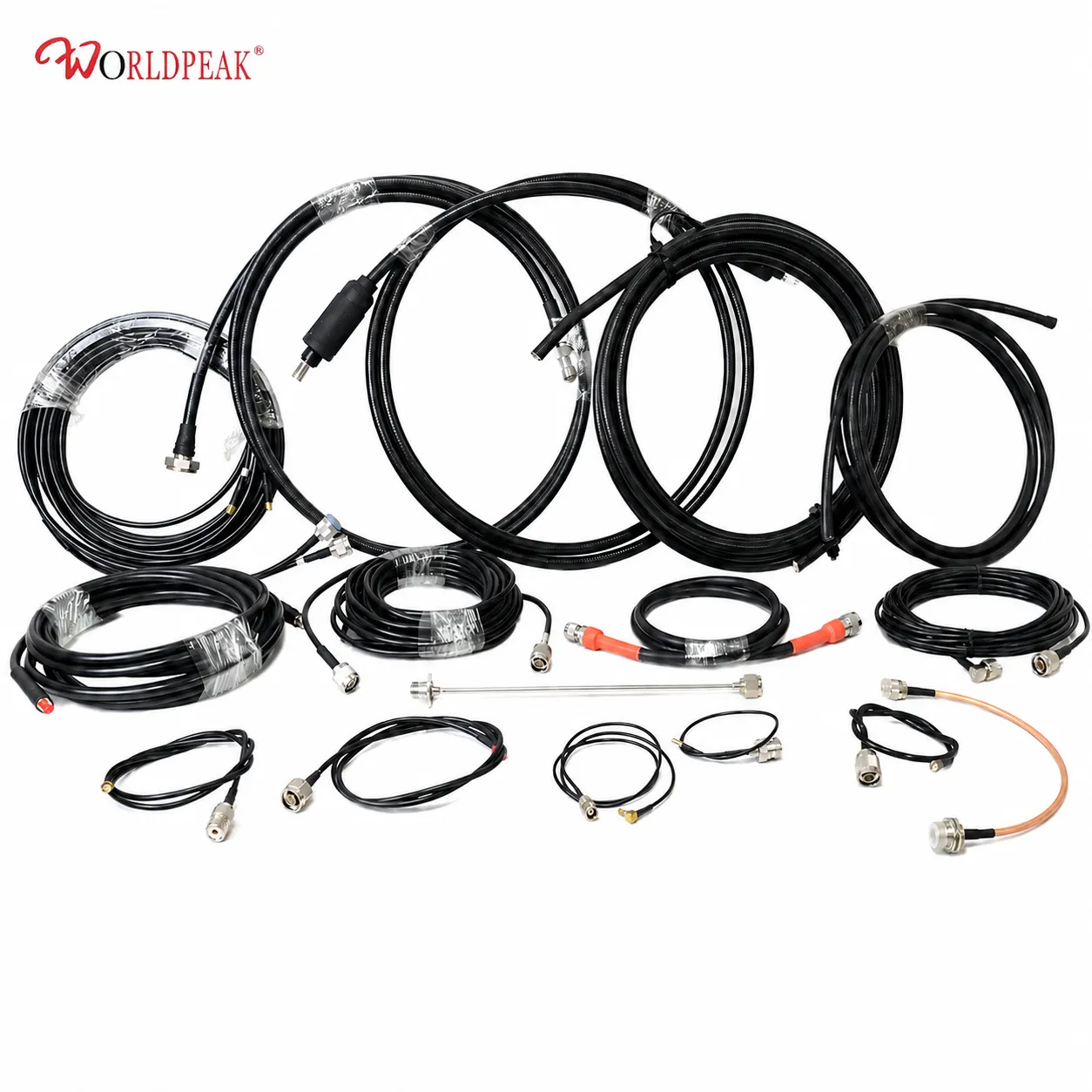
Partnering with an established manufacturer that produces the rg cable rg174 series in-house and provides complete laboratory test reports offers a distinct advantage over unverified distributors. Worldpeak delivers extensive manufacturing experience, massive component inventory, and rigorous ISO9001-certified production lines tailored for global customers. Sourcing both loose rg174 cable stock and fully customized, pre-terminated rg174 cable assemblies from Worldpeak ensures long-term supply chain stability, exceptional signal integrity, and cost-effective production for demanding electronics projects.
2026/09/25
Customize an rf high frequency cable for temperature, moisture, corrosion, vibration, flexing, and OEM validation needs.
2026/09/25
Streamline RF equipment assembly lines with custom coaxial jumpers. Reduce line-side rework, ensure precise routing, and boost production efficiency.
2026/09/25
Learn PL-259 connector selection, soldering, weatherproofing, and RF applications for dependable antenna feedlines.
2026/09/25
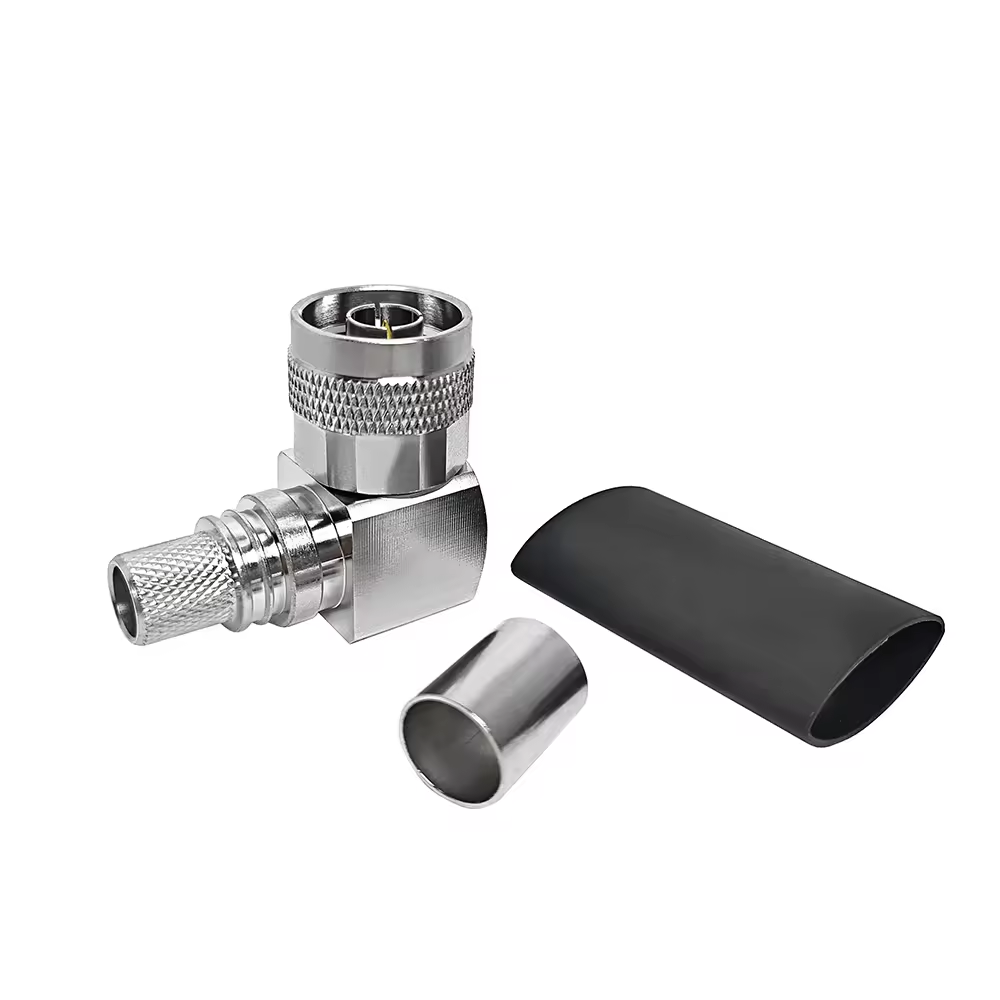
Confirm impedance for a 90 degree coax connector with an ODM test plan covering VNA setup, VSWR, acceptance criteria, and release records.
2026/09/25
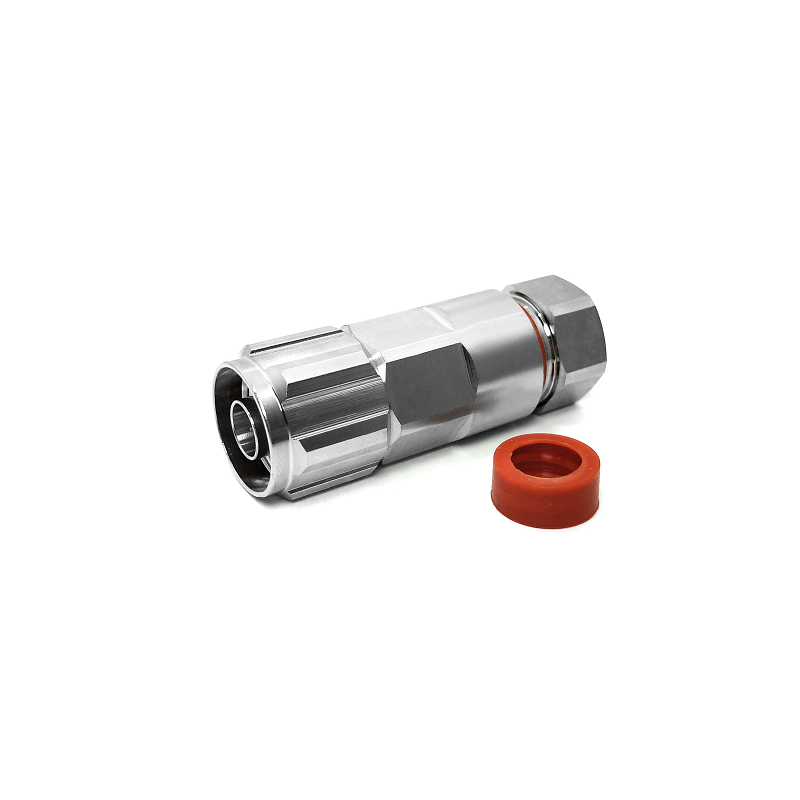
Learn when an n type coax connector can omit extra anti-corrosion treatment and when OEM exposure conditions require it.
2026/09/25
Learn how the custom cable and wire sample process helps ODM buyers validate design, testing, and production readiness.