 EN
EN

7/16 DIN Connector Guide: High-Power RF Standard
2026/09/24
Choose a 7 16 connector for high-power RF: compare DIN and Type N, protect PIM margin, and apply field installation checks.
2026/09/02
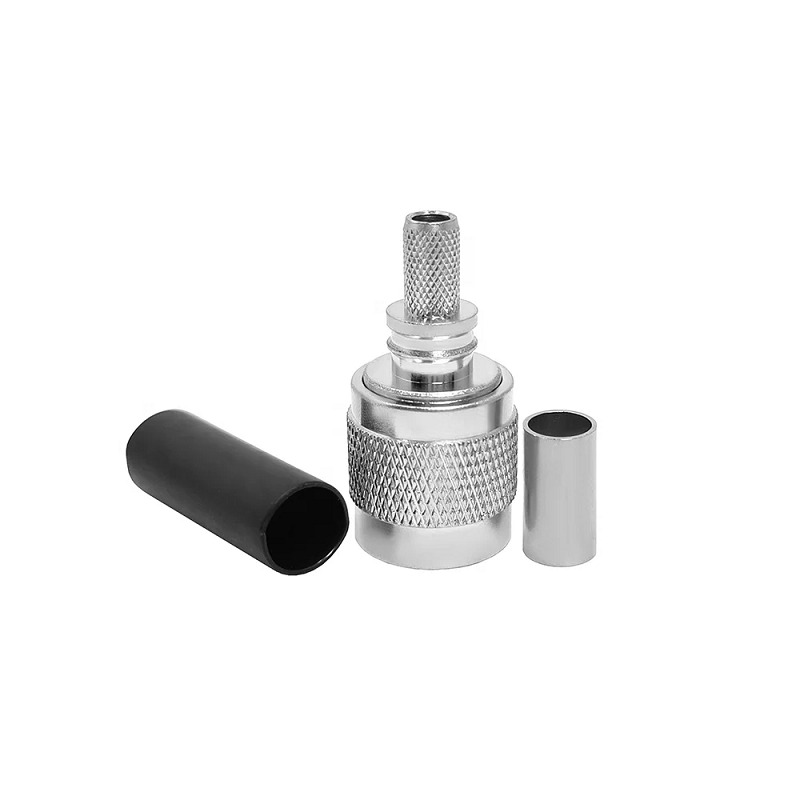
Reliable signal transmission often comes down to a small mechanical detail: how well your connectors hold up under physical stress. In environments where heavy machinery vibrates continuously, aircraft encounter turbulence, or outdoor wireless gateways face harsh weather, standard quick-connect interfaces like bayonet-style BNC connectors can slip or lose physical contact. This causes signal loss, intermittent dropouts, and costly downtime.
That's where the TNC plug comes in. Short for Threaded Neill-Concelman, the TNC connector was built specifically to solve the mechanical limitations of bayonet connectors while maintaining consistent 50-ohm or 75-ohm impedance across demanding frequency ranges. By replacing the quick-latch mechanism with a heavy-duty RF connector threaded interface, this platform delivers a secure lock that handles intense vibration without degrading signal integrity.
Whether you are deploying military radar systems, industrial IoT devices, or outdoor wireless access points, understanding the mechanical properties, electrical performance, and gender variants—especially the rp tnc plug—is essential for picking the right hardware.
At its core, a standard TNC plug is the male half of the TNC system, featuring inside threads and an internal center pin. It mates with a TNC jack, which features external threads and a receptive center socket.
The main feature of the TNC connector is its standard 7/16-28 UNEF screw thread. This precise threading creates a constant, even clamping force across the mating interface when torqued properly. Unlike push-on or bayonet connectors that can flex slightly when jostled, a fully torqued RF connector threaded assembly locks the center contact and dielectric firmly in place.
Key physical and mechanical advantages include:
Vibration Resistance: The 7/16-28 thread prevents loosening under continuous physical shock, making it popular in railway signaling and aerospace setups.
Consistent Grounding: Threaded mating maintains 360-degree outer conductor contact, which lowers RF leakage and stabilizes insertion loss.
Environmental Protection: The internal shoulder of the TNC plug accepts silicone O-rings, providing IP67-rated weatherproofing for outdoor enclosures and marine setups.
Broad Compatibility: Standardized under MIL-STD-348 and IEC 60169-17, these parts fit seamlessly into existing RF cable assemblies worldwide.
While all standard TNC configurations share the same mating interface, their internal tolerances and dielectric materials dictate their operational frequency limits. Standard industrial versions usually operate from DC up to 11 GHz, whereas precision-engineered variants extend clear up to 18 GHz.
| Performance Metric | Standard TNC Plug | Precision TNC Plug |
| Frequency Range | DC to 11 GHz | DC to 18 GHz |
| Nominal Impedance | 50 Ohms (75 Ohms available) | 50 Ohms |
| VSWR (Typical) | Less than 1.30:1 @ 11 GHz | Less than 1.15:1 @ 18 GHz |
| Insertion Loss | Less than 0.15 dB @ 3 GHz | Less than 0.10 dB @ 3 GHz |
| Dielectric Withstanding | 1,500 V RMS | 1,500 V RMS |
| Working Temperature | -65°C to +165°C | -65°C to +165°C |
When selecting a TNC plug, match the cable type—such as RG-58, LMR-240, or LMR-400—to the connector body. Using low-loss coaxial cable alongside high-precision connectors helps keep total attenuation low across long antenna runs.
A common point of confusion during network installation is the difference between a standard male plug and a reverse polarity TNC interface. The rp tnc plug was developed to help equipment manufacturers satisfy regulatory mandates, such as FCC Part 15 guidelines for consumer wireless equipment.
The goal was straightforward: prevent everyday users from swapping out stock antennas with unauthorized, high-gain directional antennas that might exceed legal power limits.
Here is how the mechanical layout changes:
Standard TNC Plug: Features male coupling threads on the inside, a center pin, and internal grounding collar.
RP TNC Plug: Retains the exact same outer body, coupling nut, and 7/16-28 threads, but swaps the pin for a female receptacle socket.
Standard TNC Jack: Features external threads and a female center socket.
RP TNC Jack: Features external threads but contains a male center pin.
Because the outer housing and threads of an rp tnc plug match a standard TNC connector exactly, they will physically screw together. However, attempting to mate a standard TNC plug with an rp tnc plug or jack leads to one of two expensive mistakes:
Pin-to-Pin Collision: Forcing a standard male plug into an RP male jack smashes both pins together, destroying the center conductors instantly.
No Contact (Socket-to-Socket): Connecting an rp tnc plug (female socket) into a standard jack (female socket) creates an open circuit where no signal passes at all.
Maintaining tight tolerances ensures stable VSWR and minimal insertion loss across thousands of mating cycles. The table below outlines standard dimensions defined by international RF hardware specs.
| Mechanical Feature | Imperial Measurement | Metric Measurement | Tolerance Range |
| Interface Threading | 7/16-28 UNEF-2A/2B | 7/16-28 UNEF-2A/2B | Class 2 Fit |
| Center Pin Outer Diameter | 0.050 inches | 1.27 mm | +/- 0.025 mm |
| Outer Conductor Inner Diameter | 0.276 inches | 7.00 mm | +/- 0.100 mm |
| Engagement Length | 0.335 inches | 8.50 mm | +/- 0.300 mm |
| Coupling Nut Outer Diameter | 0.610 inches | 15.50 mm | +/- 0.200 mm |
Thanks to its physical strength and broad frequency range, this RF connector threaded interface is used across a variety of demanding industries.
Subway networks and high-speed rail lines subject on-board systems to constant vibration, thermal shifts, and dust. Modern GSM-R signaling, positive train control (PTC), and passenger Wi-Fi gateways rely heavily on the TNC plug to connect rooftop antennas to interior routers. The threaded connection prevents vibration dropouts that routinely plague push-on or bayonet-style hardware.
Military field radios, vehicular communications, and radar installations use the TNC connector due to its compliance with MIL-STD-348 guidelines. In high-altitude aviation, sealed TNC assemblies prevent dielectric breakdown from air pressure drops, maintaining stable radio links under severe flight conditions.
The rp tnc plug remains a widespread standard across industrial enterprise access points, outdoor mesh networks, and point-to-point wireless bridges operating on 2.4 GHz and 5 GHz bands. Base stations, IoT gateways, and remote telemetry units frequently use reverse polarity TNC connections to feed external omnidirectional or panel antennas.
Installing coaxial hardware correctly is just as important as choosing the right connector specification. Follow these best practices to ensure peak RF performance:
Torque Control: Always use a calibrated torque wrench when tightening a TNC plug. Over-tightening deforms the internal PTFE dielectric and bends the center conductor, while under-tightening leaves gaps that degrade return loss and allow moisture in. The typical recommended torque for brass TNC hardware is 4 to 6 inch-pounds (0.45 to 0.68 Nm).
Cable Stripping Precision: Use dedicated coaxial stripping tools matched to your cable (RG-58, LMR-240, RG-213). Jagged outer braid wires or scored center conductors introduce impedance spikes and higher VSWR.
Inspection for Reverse Polarity: Before mating hardware on-site, double-check the center contact. Remember: if the coupling nut has inside threads, a standard TNC plug has a pin sticking out, while an rp tnc plug has a hole/socket.
Weatherproofing Outdoor Connections: Thread sealing alone isn't enough for long-term outdoor installs. Wrap mated RF connector threaded interfaces with butyl rubber tape followed by a layer of UV-resistant vinyl tape to keep rain and humidity out over time.
When setting up critical communication networks, finding well-made RF connectors is vital for long-term reliability. Worldpeak delivers a complete range of coaxial interconnect solutions, including standard TNC plug hardware and specialized rp tnc plug configurations engineered to exact global standards. By utilizing gold-plated center pins, durable brass bodies, and high-grade PTFE dielectrics, Worldpeak helps engineering teams build low-loss, vibration-proof RF links across aerospace, transit, and telecom applications. Every batch undergoes thorough testing for continuity and VSWR performance, giving you dependable signal delivery even in tough operating conditions.
2026/09/24
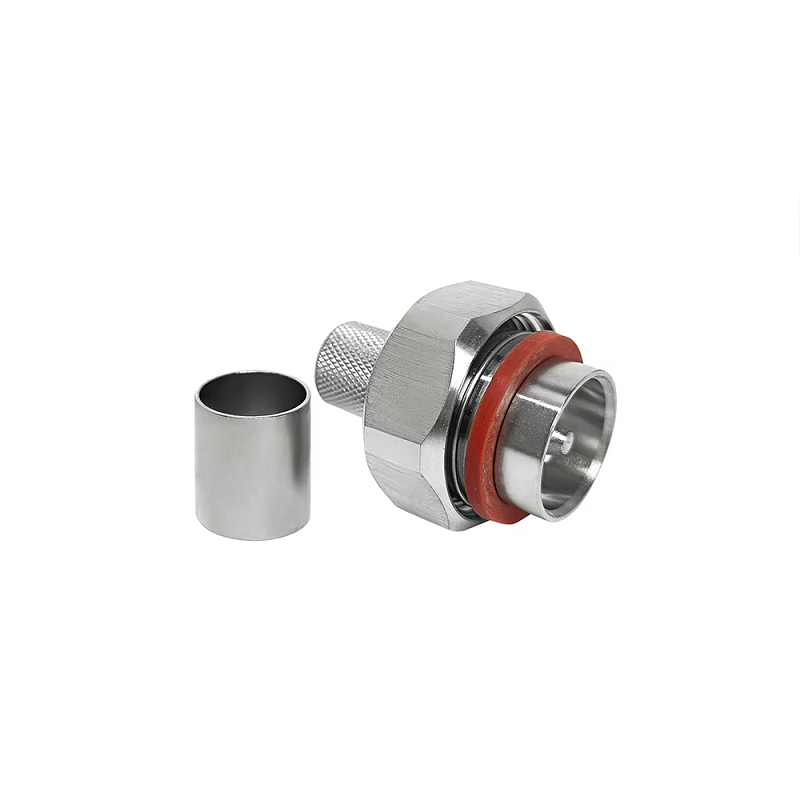
Choose a 7 16 connector for high-power RF: compare DIN and Type N, protect PIM margin, and apply field installation checks.
2026/09/24
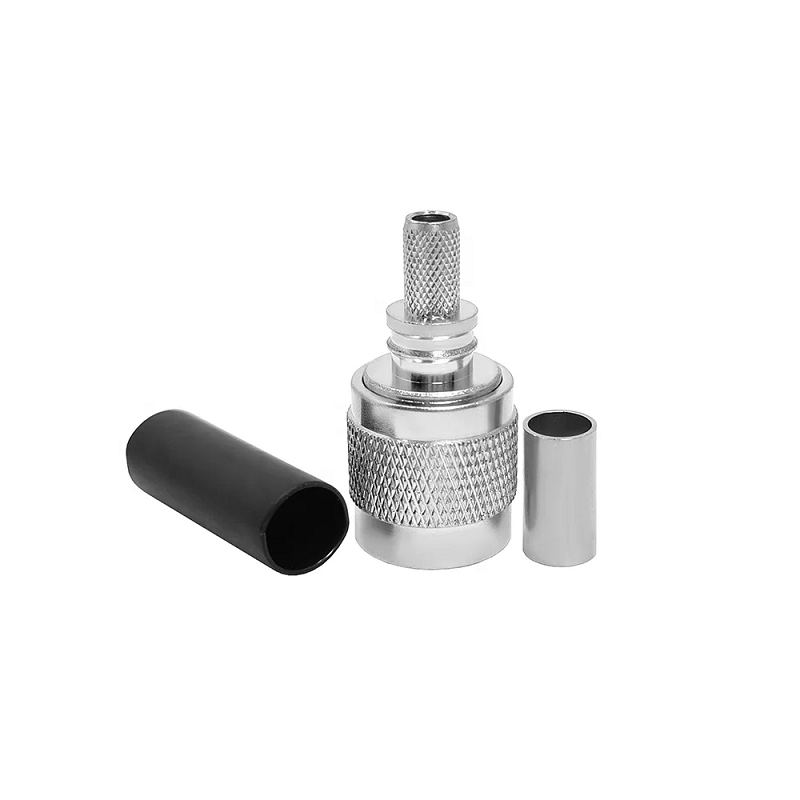
Compare TNC connector types, specs and applications, including RP-TNC, bulkhead options, vibration performance and adapter selection.
2026/09/24
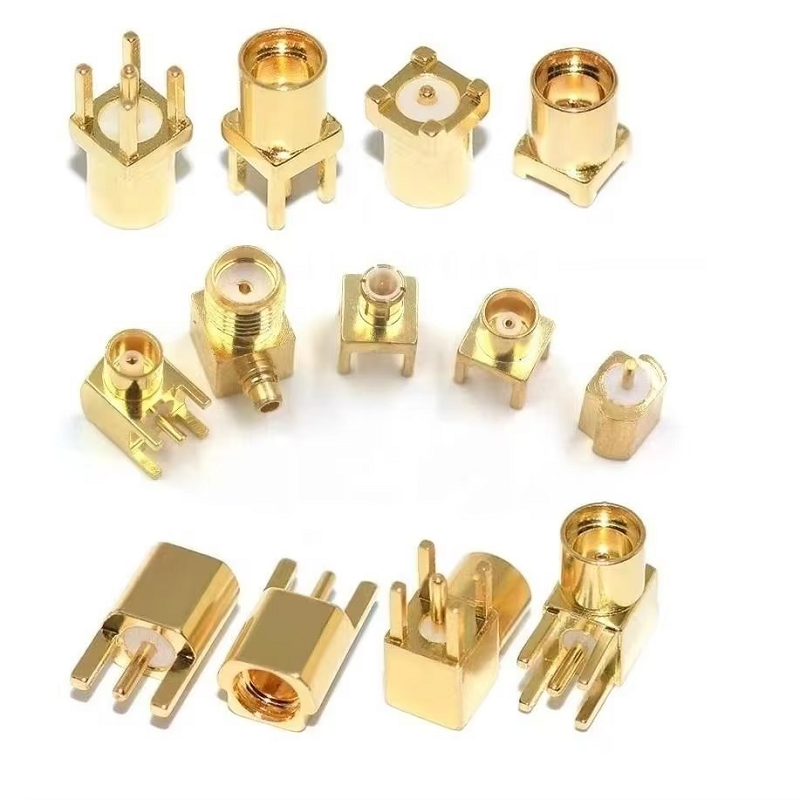
Understand MMCX connector basics, RF limits, and how to choose the right coaxial interface for compact systems.
2026/09/24
Understand RP-SMA connector polarity, mating rules, frequency checks, and OEM termination options for reliable RF builds.
2026/09/24
Choose the right bnc male connector for RF, CCTV and test systems with clear 50Ω vs 75Ω, type and installation guidance.
2026/09/24
Compare LMR400 specs, cable loss, uses, connectors and RG8/RG213 alternatives with a practical RF loss-budget method.