 EN
EN

7/16 DIN Connector Guide: High-Power RF Standard
2026/09/24
Choose a 7 16 connector for high-power RF: compare DIN and Type N, protect PIM margin, and apply field installation checks.
2026/08/25
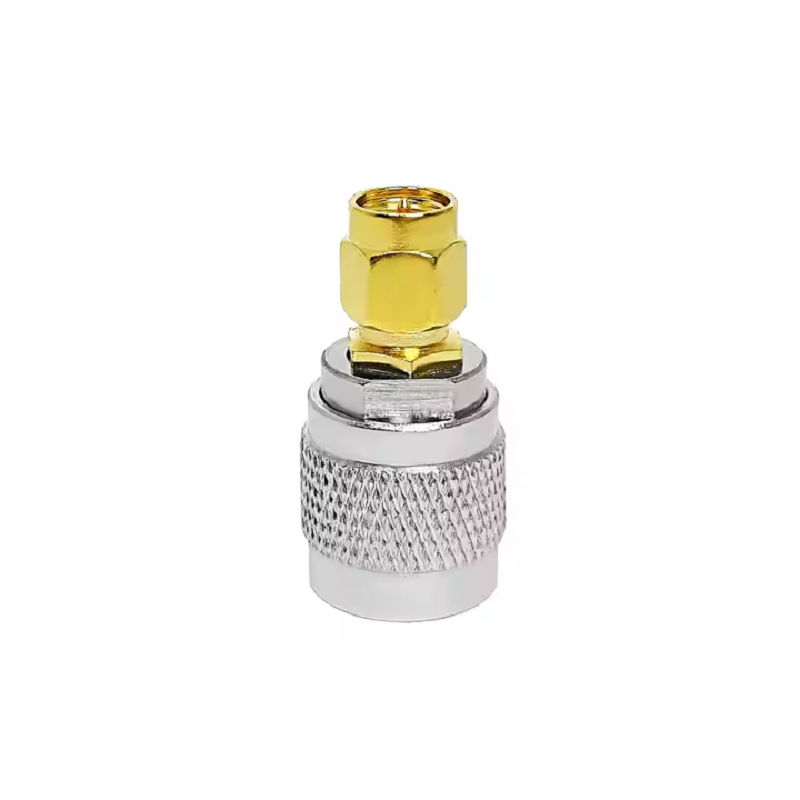
Radio frequency systems rarely rely on a single, uniform connector family across an entire hardware architecture. For instance, a mobile radio chassis might feature an exposed SMA port while its external vehicle antenna feed utilizes a robust TNC interface, meaning the physical link between them requires a specialized tnc to sma connector. Experienced engineers and field technicians who specify these transition adapters for public-safety communications, drone ground control stations, and diagnostic test benches quickly notice a recurring pattern: procurement teams that carefully verify technical specifications avoid sudden field failures, while those selecting components based solely on the lowest price frequently experience intermittent link degradation. This comprehensive guide outlines the vital technical parameters defining a reliable tnc to sma adapter, explains gender and polarity rules, and reviews strategic sourcing practices.
The standard tnc to sma connector is engineered as a 50 ohm transition bridge connecting the threaded TNC interface—typically rated up to approximately 11 GHz—with the high-frequency SMA interface, which extends up to 18 GHz in precision applications. Because the TNC interface acts as the overall system bottleneck, most commercial tnc to sma adapter configurations are rated to 11 GHz, perfectly covering cellular networks, Wi-Fi infrastructure, industrial ISM bands, and critical public-safety frequencies.
When evaluating options, engineers must focus on three primary electrical parameters: voltage standing wave ratio, insertion loss, and characteristic impedance. A premium-grade tnc to sma connector maintains a voltage standing wave ratio of 1.3 or better alongside an insertion loss below 0.15 dB across its entire operating frequency band. From a mechanical standpoint, critical evaluation points include surface plating quality, coupling torque tolerance, and the concentricity of the center-pin interface. Gold-plated contact pins and precision-machined brass bodies serve as the absolute baseline for long-term operational reliability in demanding environments.
Procurement mistakes most frequently occur when ordering errors lead to mismatched genders or incompatible polarities. For example, a standard sma female to tnc male adapter features an internal socket on the SMA side and an external pin configuration on the TNC side. If a communication transceiver features an exposed SMA male port, technicians require an exact sma female to tnc male adapter to interface securely with a standard TNC female coaxial cable line.
Furthermore, reverse-polarity variants exist specifically for restricted-band commercial wireless equipment, meaning technical teams must carefully confirm the exact mating interface on both equipment ports before finalizing a purchase order. When dealing with complex custom hardware, requesting detailed mechanical mating diagrams from the supplier prevents costly reorders and eliminates project delays.
Typical tnc to sma connector deployment scenarios include linking a TNC-terminated antenna cable directly to an SMA radio chassis, joining an internal TNC bulkhead feed-through to an SMA pigtail harness inside a sealed electronics enclosure, and converting legacy test fixture instrumentation between different interface standards. Because both the TNC and SMA designs incorporate threaded coupling mechanisms, this hardware combination offers exceptional resistance against mechanical shock and continuous vibration. This inherent stability explains why these components dominate transportation fleets, unmanned aerial systems, and heavy industrial automation equipment. For short, stationary runs, a rigid tnc to sma adapter provides a clean connection, whereas applications subject to physical movement benefit from a flexible sma to tnc cable assembly featuring factory-tested performance reports.
Implementing a rigorous verification process catches defective hardware before installation. First, closely inspect the surface plating; genuine components feature bright, corrosion-resistant gold plating on contact zones paired with clean, burr-free machine cuts. Second, request comprehensive voltage standing wave ratio sweep reports from the supplier, as multi-point laboratory test data provides far better insight than a single-point catalog figure. Third, test the physical fit manually; the threaded coupling nut should rotate smoothly with consistent resistance, and the internal center pin must align without lateral play. Sourcing components from a manufacturer equipped to perform rigorous network-analyzer testing on every production batch ensures superior reliability in the field.
When procuring tnc to sma connector hardware in high commercial volumes, engineering managers must verify critical quality metrics, including complete batch traceability, certified test documentation, and strict manufacturing compliance with ISO9001 standards as well as environmental directives like CE and RoHS. Worldpeak stands out as a trusted industry partner, supplying diverse tnc to sma connector solutions and custom sma to tnc cable assemblies across an extensive inventory of over 638 stocked SKUs. Backed by more than 17 years of specialized RF manufacturing experience and rigorous batch-level testing, Worldpeak delivers the supply-chain depth and engineering precision required to keep critical communication networks running flawlessly.
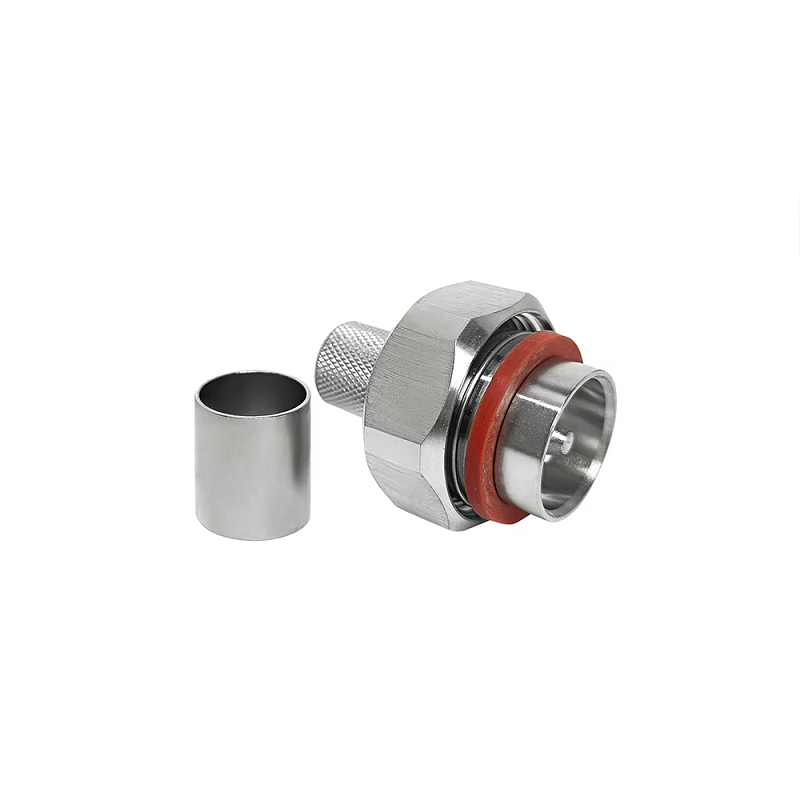
2026/09/24
Choose a 7 16 connector for high-power RF: compare DIN and Type N, protect PIM margin, and apply field installation checks.
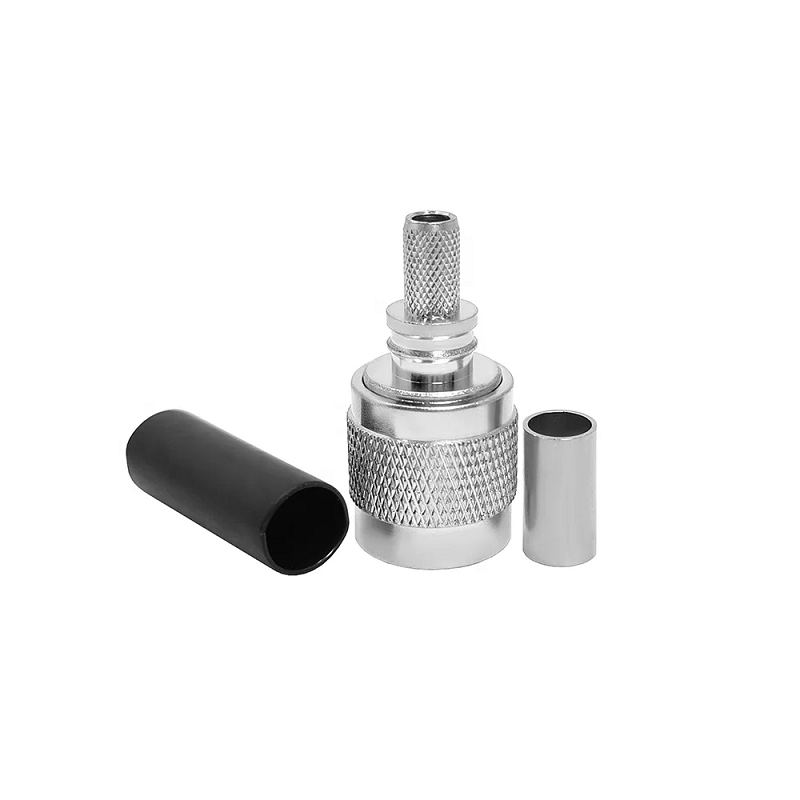
2026/09/24
Compare TNC connector types, specs and applications, including RP-TNC, bulkhead options, vibration performance and adapter selection.
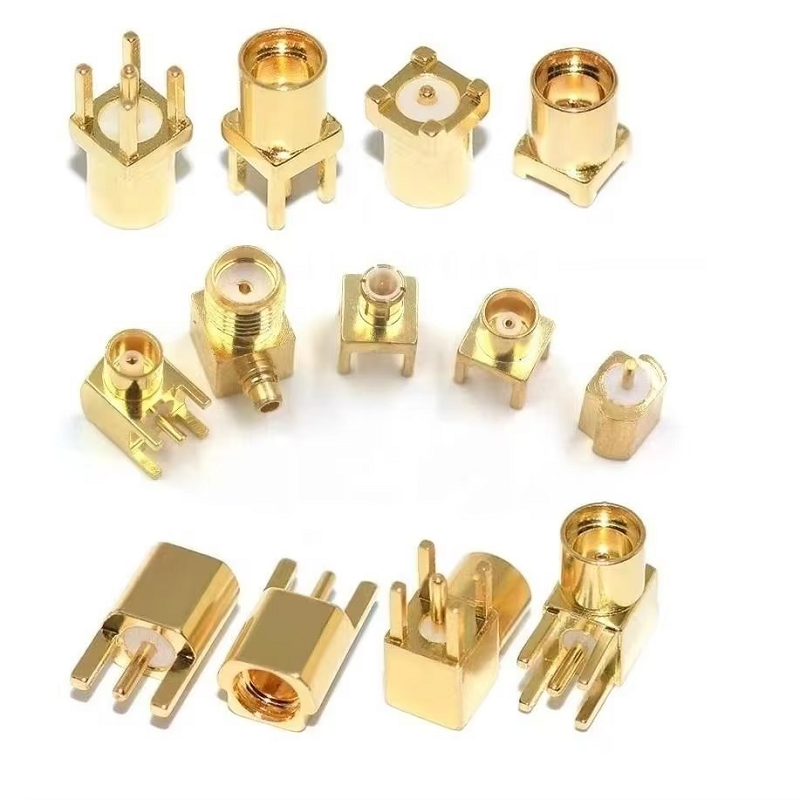
2026/09/24
Understand MMCX connector basics, RF limits, and how to choose the right coaxial interface for compact systems.
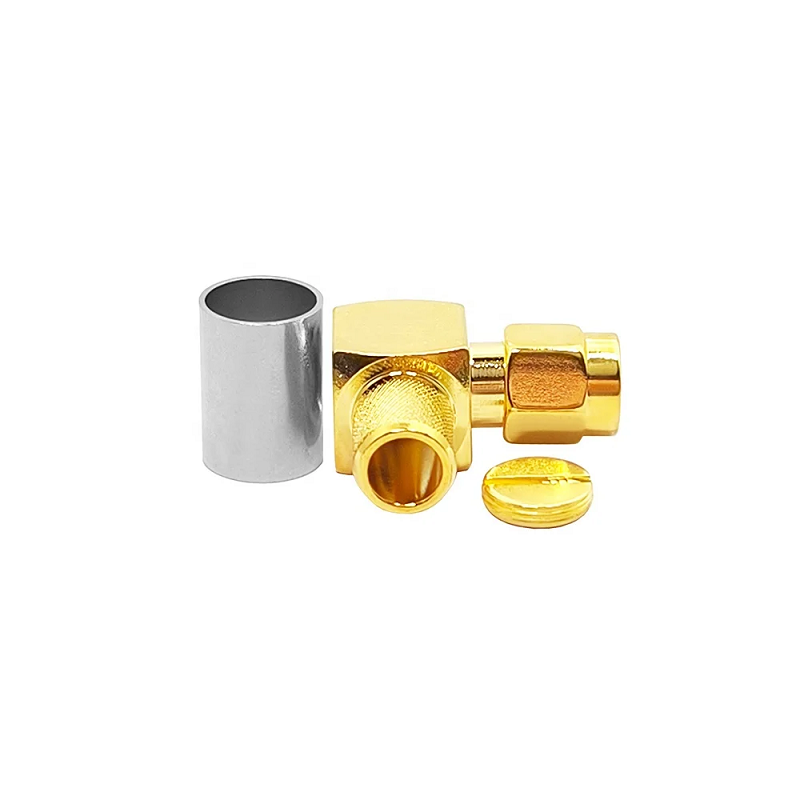
2026/09/24
Understand RP-SMA connector polarity, mating rules, frequency checks, and OEM termination options for reliable RF builds.
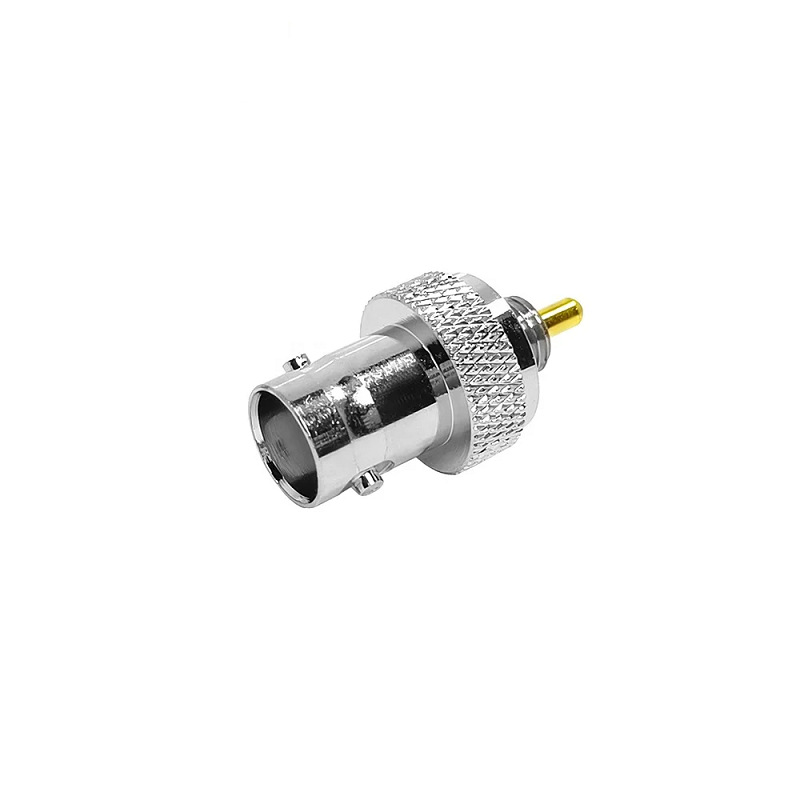
2026/09/24
Choose the right bnc male connector for RF, CCTV and test systems with clear 50Ω vs 75Ω, type and installation guidance.
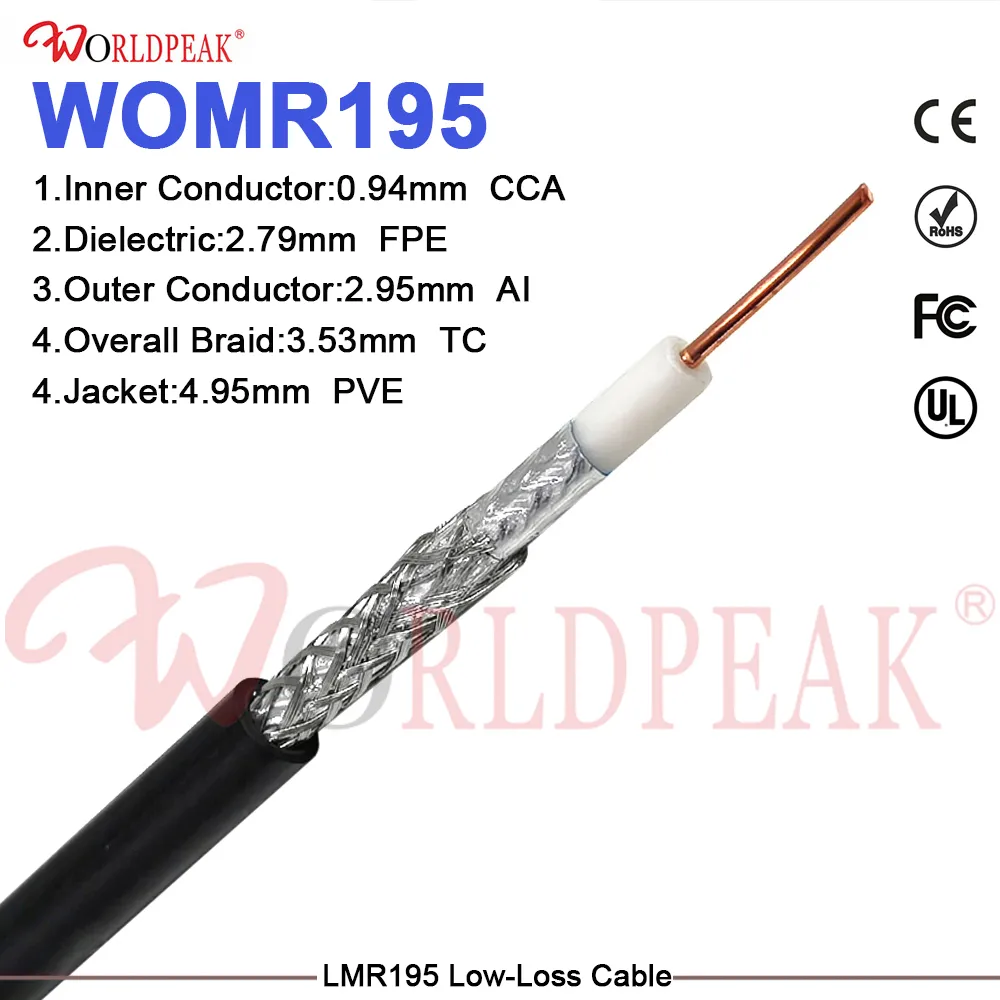
2026/09/24
Compare LMR400 specs, cable loss, uses, connectors and RG8/RG213 alternatives with a practical RF loss-budget method.