 EN
EN

7/16 DIN Connector Guide: High-Power RF Standard
2026/09/24
Choose a 7 16 connector for high-power RF: compare DIN and Type N, protect PIM margin, and apply field installation checks.
2026/08/25
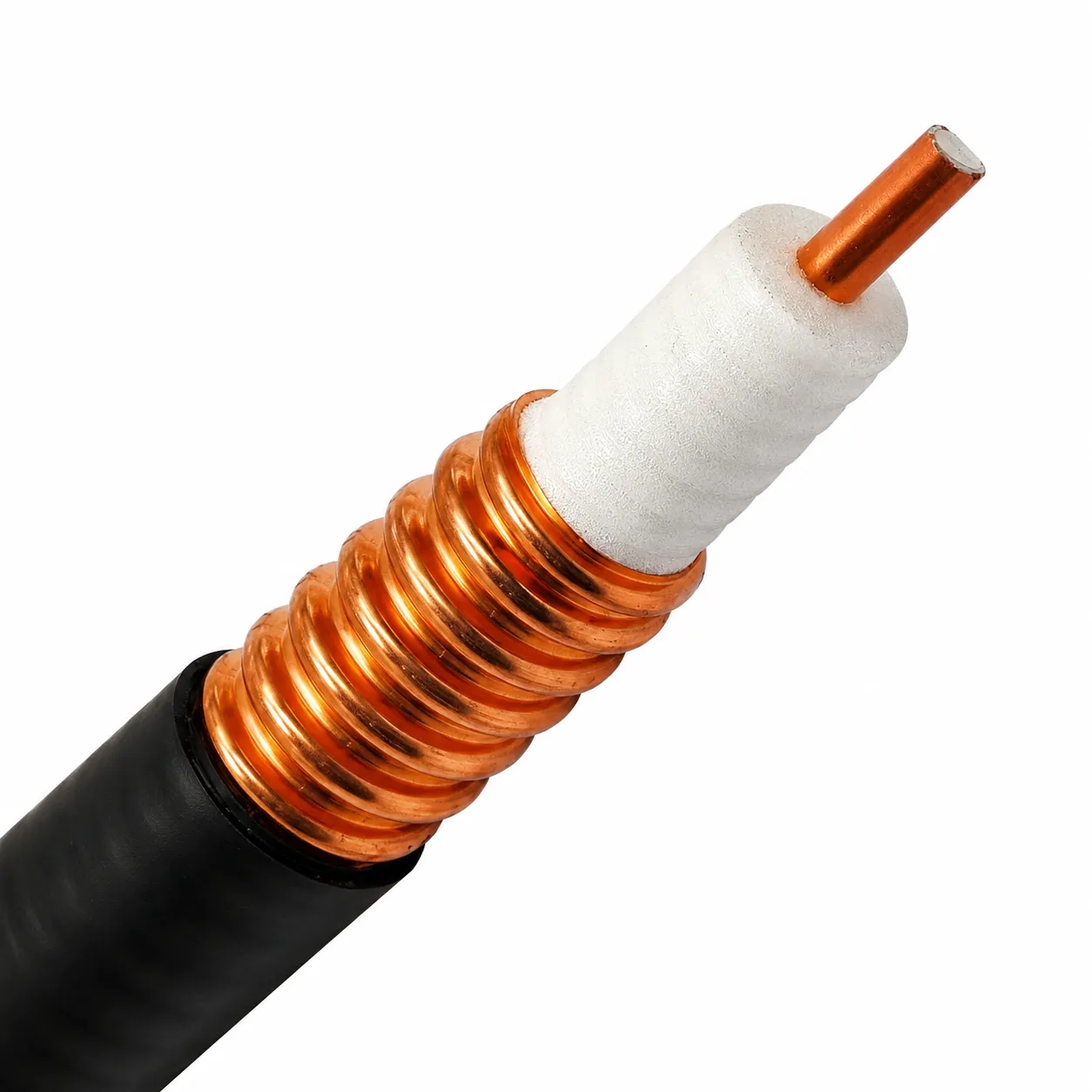
Picture this: the site survey is done, the antennas are mounted, and the equipment rack is ready, but the distance between the radio and the antenna does not match any stock length on the truck. This is exactly the moment when a custom feeder cable stops being a luxury and becomes the fastest path to a clean, low-loss link. In twelve years of field work, I have ordered custom feeder cable runs for everything from rooftop small cells to broadcast vans, and the rule of thumb is consistent: if the run needs a special length, a specific connector pair, or an unusual bend path, a factory-built custom feeder cable beats field-cut alternatives on loss, reliability and installation time.
Off-the-shelf feeder cable works when the length is standard, the connectors are the same on both ends, and the route is simple. The moment one of those assumptions fails, you are paying for rework. Common triggers include: runs of 1.3 m or 7.4 m that no catalog covers, mixed interfaces such as an N type radio feeding a 4.3-10 antenna, and enclosures that demand a right-angle or very short jumper. A custom feeder cable solves all three in one ordered part. Installers also choose custom feeder cable when phase matching matters, for example in diversity antenna systems where two or more runs must have equal electrical length.
A custom feeder cable costs more per piece than a stock jumper, but the comparison changes when you add field labor. Cutting and terminating a 7/8 inch feeder on site requires torque wrenches, dielectric preparation and testing time; a factory-built custom feeder cable arrives pre-tested, with VSWR and insertion-loss data on the label. For a job with twenty runs, the factory option often finishes faster and with fewer callbacks. The table below summarises the trade-offs we use when advising customers on custom feeder cable procurement.
Not every custom feeder cable is a thick outdoor line. In IoT devices, Wi-Fi modules and portable radios, the most common custom order is a U.FL to SMA cable: an ultra-miniature U.FL connector on one end and a standard SMA on the other. Because U.FL connectors are not designed for repeated matings, a U.FL to SMA cable must be assembled carefully at the factory, with the correct cable gauge, a strain-relief design and a precise crimp height. We have shipped thousands of U.FL to SMA cable jumpers in RG178 and RG316 sizes; the failure rate dropped sharply once we stopped field-assembling them and bought pre-built U.FL to SMA cable assemblies instead. If your device needs a stable RF path to an external antenna, this is one custom feeder cable you should never improvise.
A property owner asked us to extend a rooftop DAS for two new tenants without touching the existing riser. The constraint was brutal: each new antenna feed had to leave the head-end room, climb an external duct and reach the antenna through a 90-degree corner, all within a 19 mm cable tray. Standard 1/2 inch runs could not make the corner, and cut-to-length stock left dangling loops. We ordered a custom feeder cable in a flexible 1/2 inch Superflex construction with a factory-fitted N type connector on one end and a 4.3-10 on the other, in exact measured lengths. Installation took one morning, the VSWR sweep was clean across the band, and the tenants were live before lunch. The customer has since standardised on measured-length custom feeder cable for every new tenant feed.
When you request a quote for a custom feeder cable, insist on five items: exact cable type and dielectric construction, both connector interfaces including gender and plating, finished length tolerance, the test data that will ship with each piece, and packaging for the route. A serious supplier will also flag impedance mismatches before production, not after. Ask whether the feeder cable assembly will be swept on a network analyzer and whether the test report accompanies the batch, because that document is what your own quality team will audit.
Price per meter matters, but the real cost of a custom feeder cable lives in rework and downtime. Evaluate the supplier on manufacturing certifications such as ISO9001, compliance marks including CE, RoHS and UL94, and the ability to deliver OEM/ODM assemblies with your own labeling and connector choices. Zhenjiang Worldpeak (cnrfconnectors.com) has manufactured RF cabling for more than 17 years, keeps 638+ SKUs in stock, and builds custom feeder cable assemblies with factory sweep tests for telecom, broadcast and IoT customers in over 30 countries. When a custom feeder cable quote includes that level of process control, the price per piece becomes a secondary concern.
FAQ
Q: How long does a custom feeder cable order take?
A: Typical lead times are one to three weeks depending on cable type, connectors and quantity. OEM partners can often schedule production around your project calendar.
Q: Can a custom feeder cable be phase matched?
A: Yes. Specify the electrical length or phase tolerance, and the factory will trim and document each feeder cable assembly accordingly.
Q: When should I use a U.FL to SMA cable instead of a full-size feeder?
A: When the device is compact and needs an external antenna connection. U.FL to SMA cable jumpers suit IoT modules, Wi-Fi radios and test fixtures where space is tight.
2026/09/24
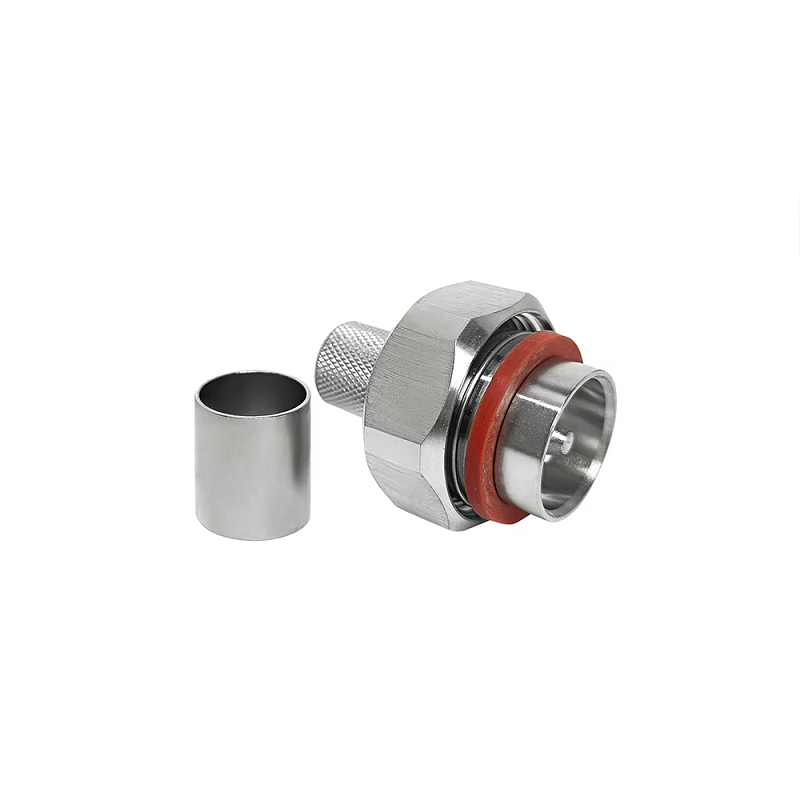
Choose a 7 16 connector for high-power RF: compare DIN and Type N, protect PIM margin, and apply field installation checks.
2026/09/24
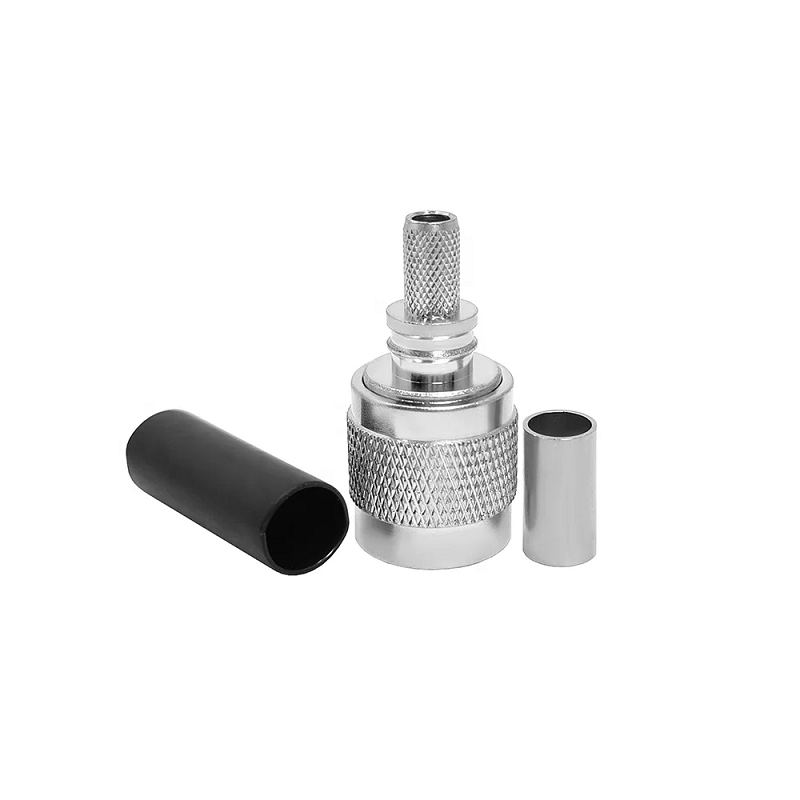
Compare TNC connector types, specs and applications, including RP-TNC, bulkhead options, vibration performance and adapter selection.
2026/09/24
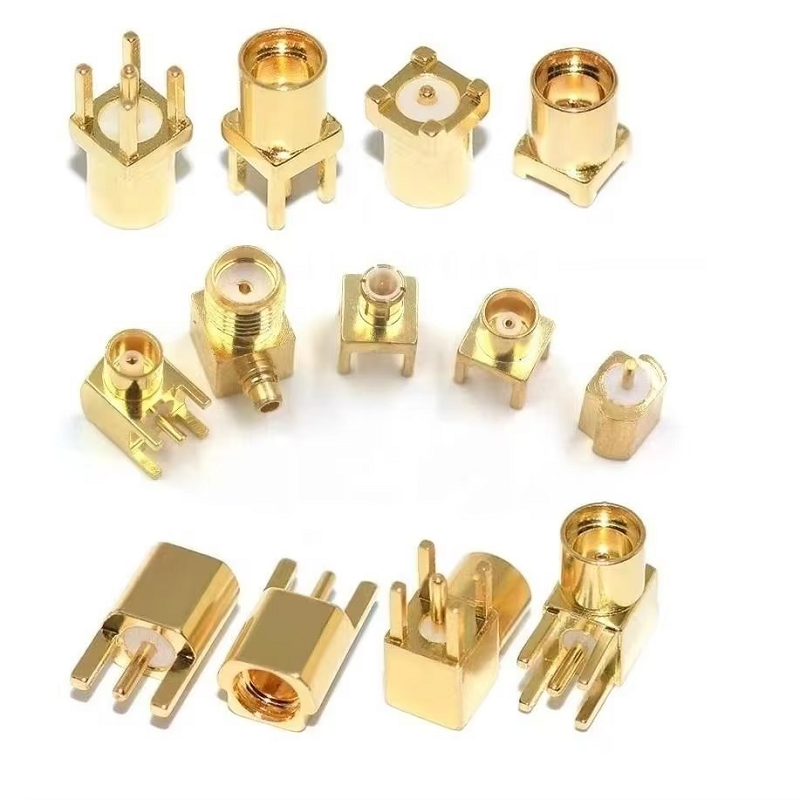
Understand MMCX connector basics, RF limits, and how to choose the right coaxial interface for compact systems.
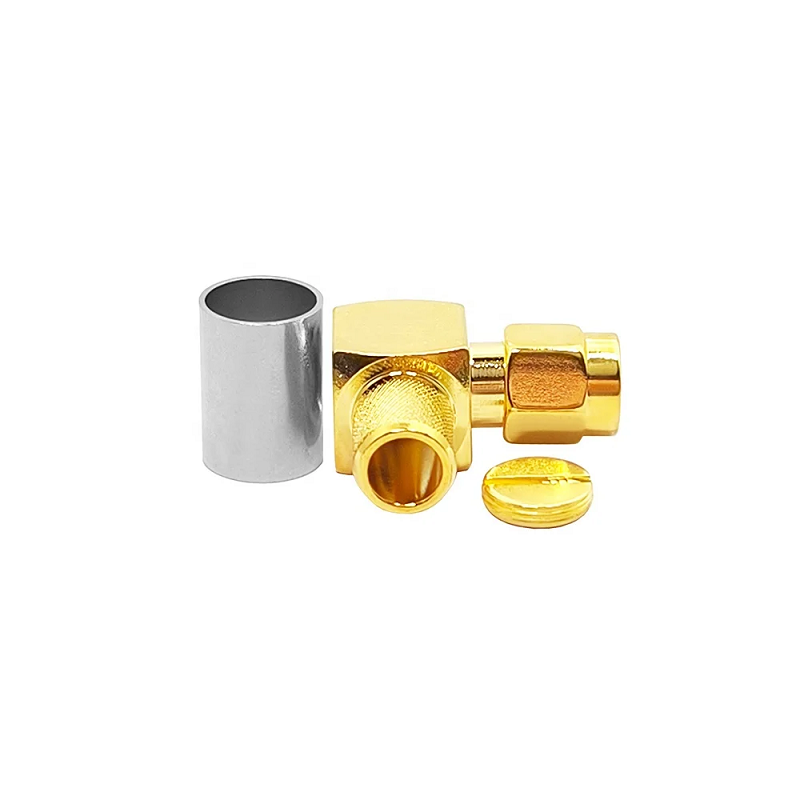
2026/09/24
Understand RP-SMA connector polarity, mating rules, frequency checks, and OEM termination options for reliable RF builds.
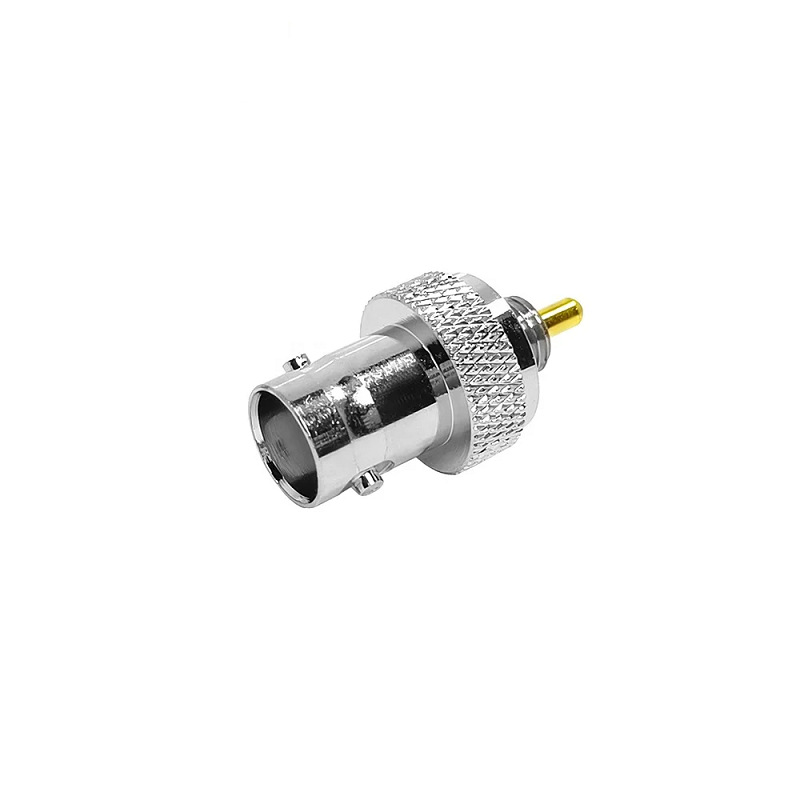
2026/09/24
Choose the right bnc male connector for RF, CCTV and test systems with clear 50Ω vs 75Ω, type and installation guidance.
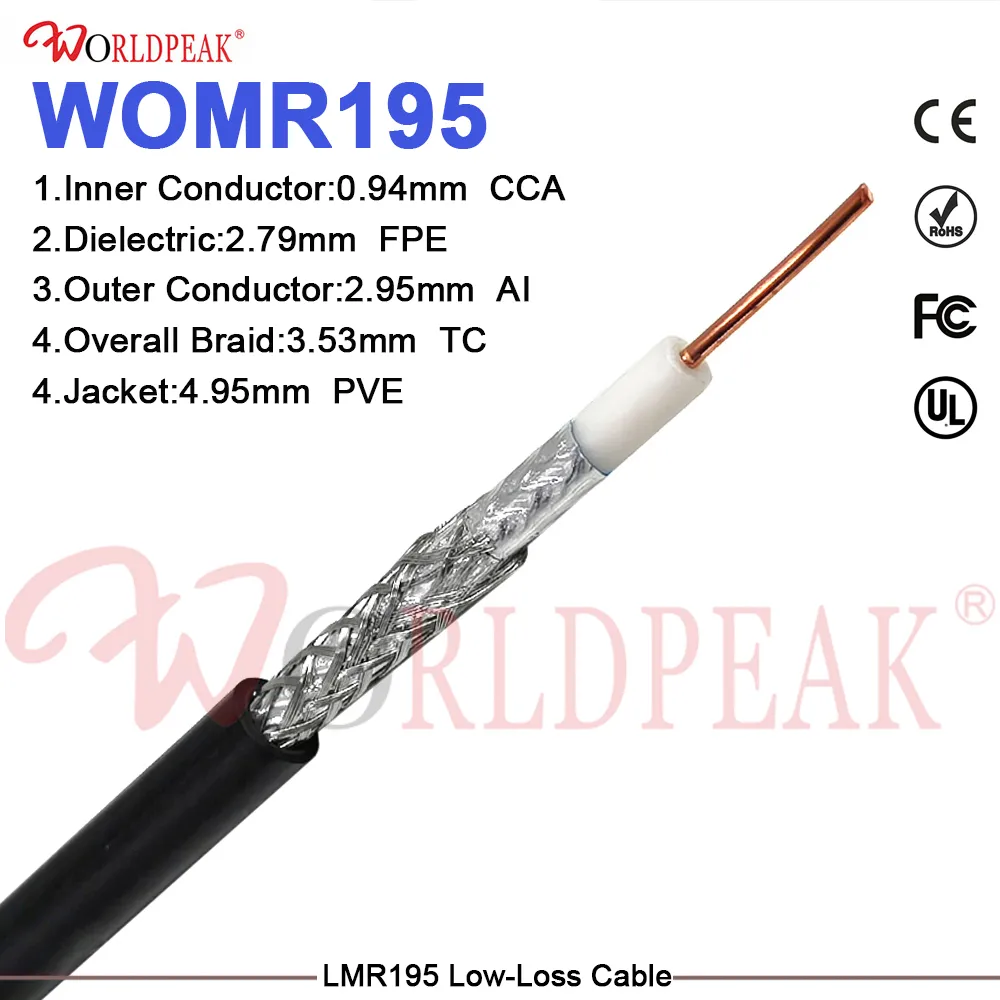
2026/09/24
Compare LMR400 specs, cable loss, uses, connectors and RG8/RG213 alternatives with a practical RF loss-budget method.