 EN
EN

What environmental resistance can be customized for OEM rf cable
2026/09/25
Customize an rf high frequency cable for temperature, moisture, corrosion, vibration, flexing, and OEM validation needs.
2026/09/08
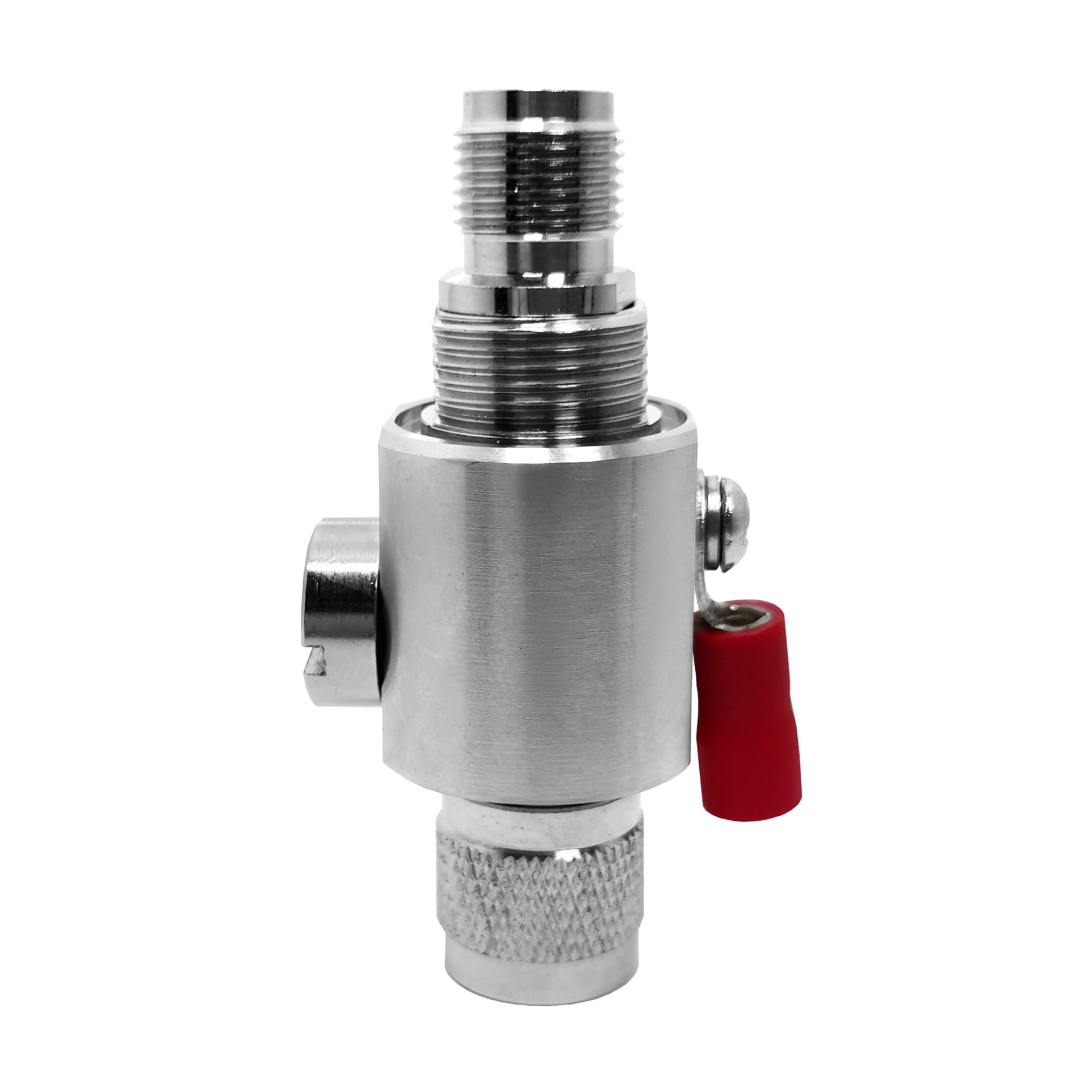
In high-frequency signal systems—whether inside a calibration lab, broadcast station, or telecommunications rack—the bnc connector adapter is often treat as a minor accessory. However, this small hardware piece frequently forms the line between clear data transmission and frustrating, intermittent signal drops. Serving as the vital bridge between cables, devices, or distinct connection formats, every RF adapter in the path influences overall signal flow.
Even well-designed RF systems can underperform if the interconnection layer is overlooked. A single low-quality adapter inserted between a cable and a test instrument can introduce unexpected reflection, reduce measurement accuracy, or create signal fluctuations that are difficult to diagnose during routine maintenance. For professional installations, this means that connector quality should never be treated as an afterthought.
Choosing a poorly built bnc connector adapter opens the door to impedance mismatches, unnecessary signal loss, and high Voltage Standing Wave Ratios (VSWR). Sourcing properly manufactured components ensures that every professional RF setup maintains stability over long operational lifecycles. In critical applications, including live broadcast, wireless base station testing, and precision measurement, the difference between a reliable system and a problematic one often comes down to consistent, high-performance interconnect hardware.
A reliable bnc connector adapter handles several important tasks simultaneously. It creates a sturdy mechanical connection between interfaces, preserves characteristic impedance (50 or 75 ohms), and shields sensitive signals against electromagnetic interference (EMI).
Specialized variations solve specific connection challenges:
Selecting the right impedance remains paramount. A 50-ohm bnc connector adapter fits wireless telecommunications and laboratory test benches, while 75-ohm variants belong strictly in broadcast video and SDI systems. Mixing these two impedance designs distorts signals and degrades BNC quality across the network. Even a mechanically compatible adapter can cause serious performance issues if its impedance rating does not match the rest of the system.
Distinguishing high-grade hardware from low-cost alternatives requires examining critical material specifications, internal tolerances, and mechanical craftsmanship:
Deployment environments dictate specific performance standards for every RF adapter placed into service:
Building a dependable system requires following clear selection rules before purchasing hardware:
Consistent network uptime relies on precision manufacturing, thorough QA testing, and stable supply chain capabilities. Suppliers adhering to ISO 9001, RoHS, and CE guidelines offer the reliability modern engineers depend on.
WORLDPEAK supplies global telecommunications, broadcast, and industrial test markets with high-performance interconnect solutions. Offering a full catalog of coaxial interfaces—including standard barrel adapters, cross-series BNC adapters, and specialized bnc male to rca female adapter units—WORLDPEAK conducts 100% electrical continuity and VSWR testing on every production batch to ensure peak performance for any professional RF setup.
2026/09/25
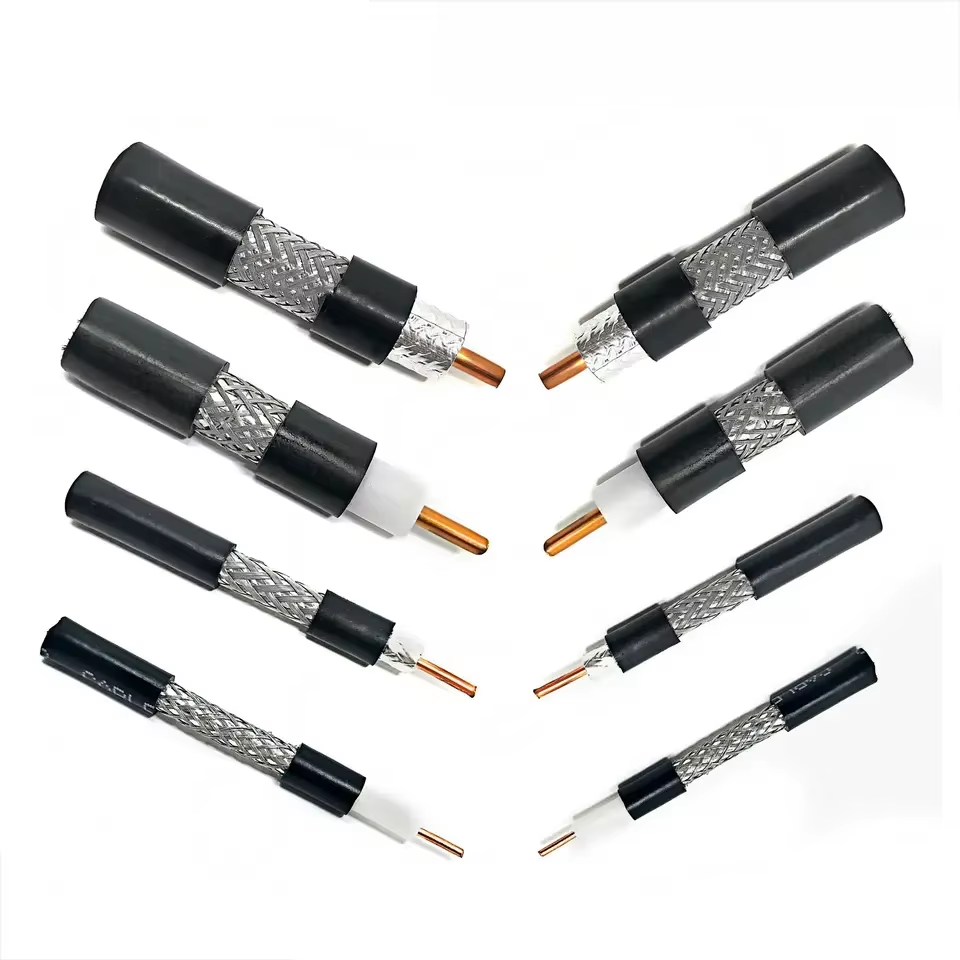
Customize an rf high frequency cable for temperature, moisture, corrosion, vibration, flexing, and OEM validation needs.
2026/09/25
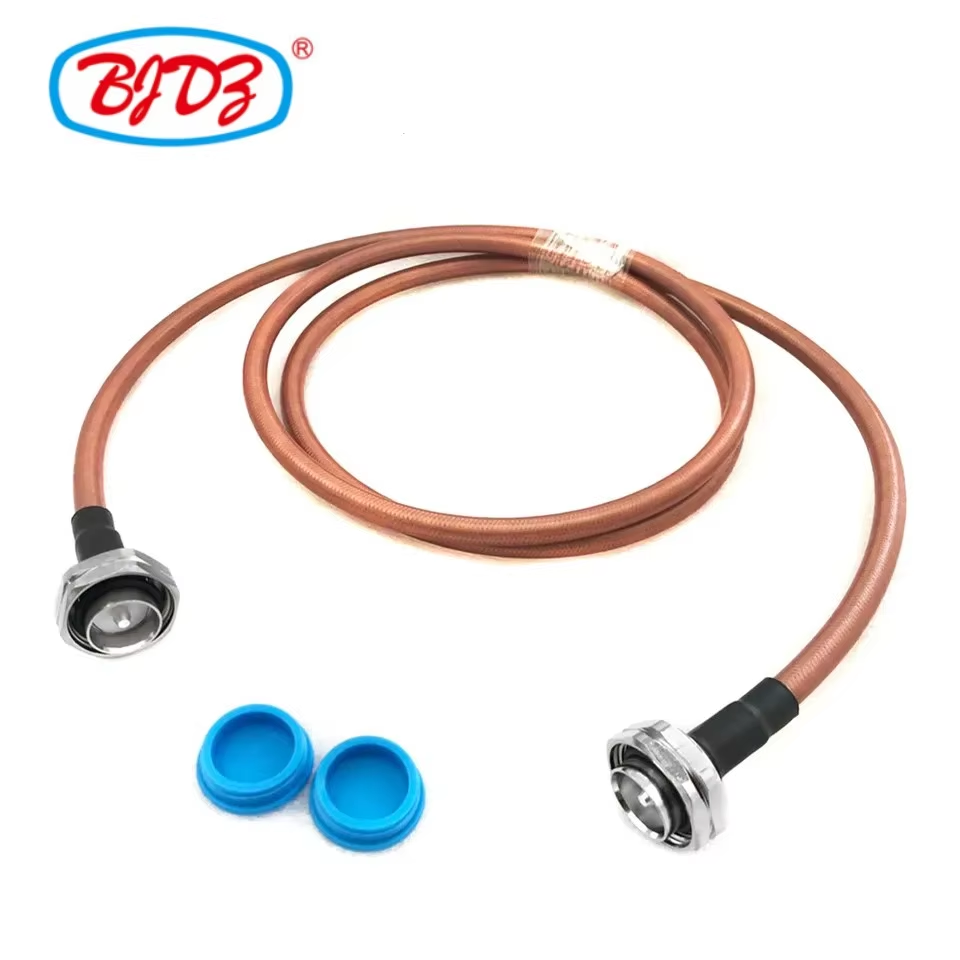
Streamline RF equipment assembly lines with custom coaxial jumpers. Reduce line-side rework, ensure precise routing, and boost production efficiency.
2026/09/25
Learn PL-259 connector selection, soldering, weatherproofing, and RF applications for dependable antenna feedlines.
2026/09/25
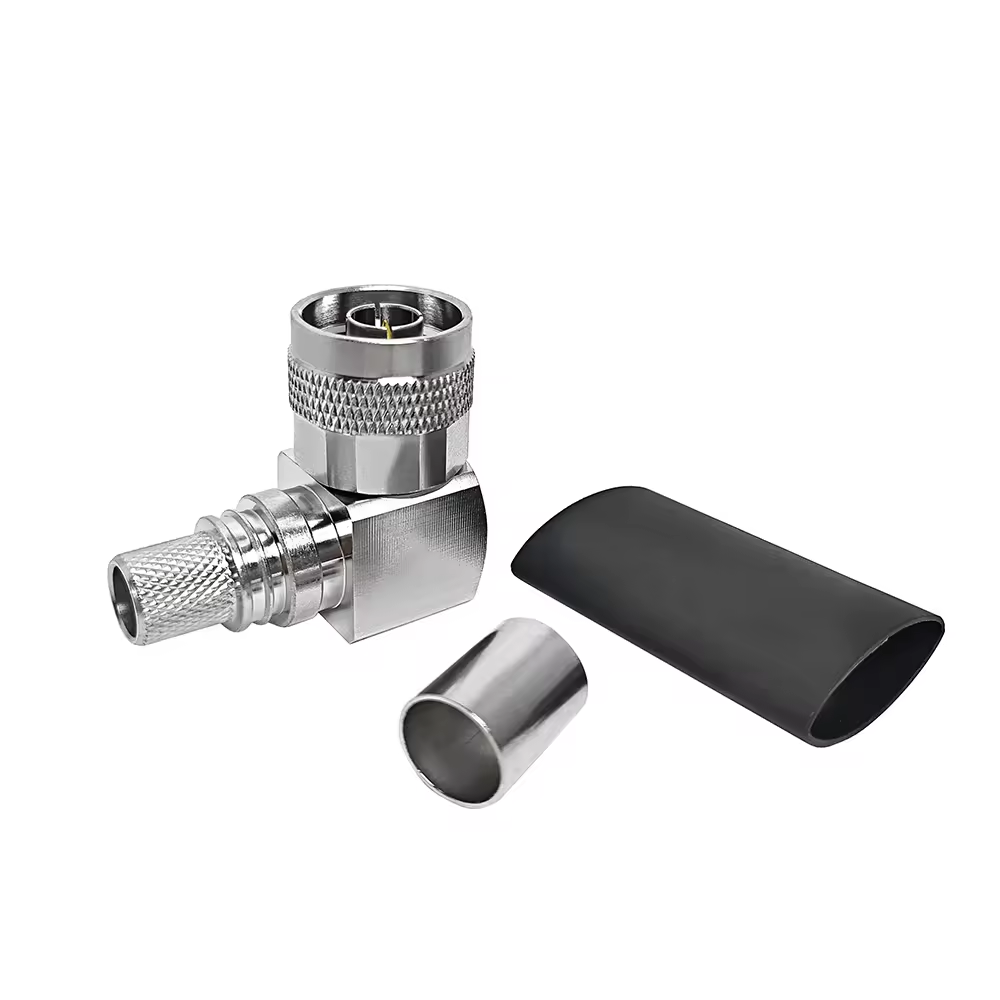
Confirm impedance for a 90 degree coax connector with an ODM test plan covering VNA setup, VSWR, acceptance criteria, and release records.
2026/09/25
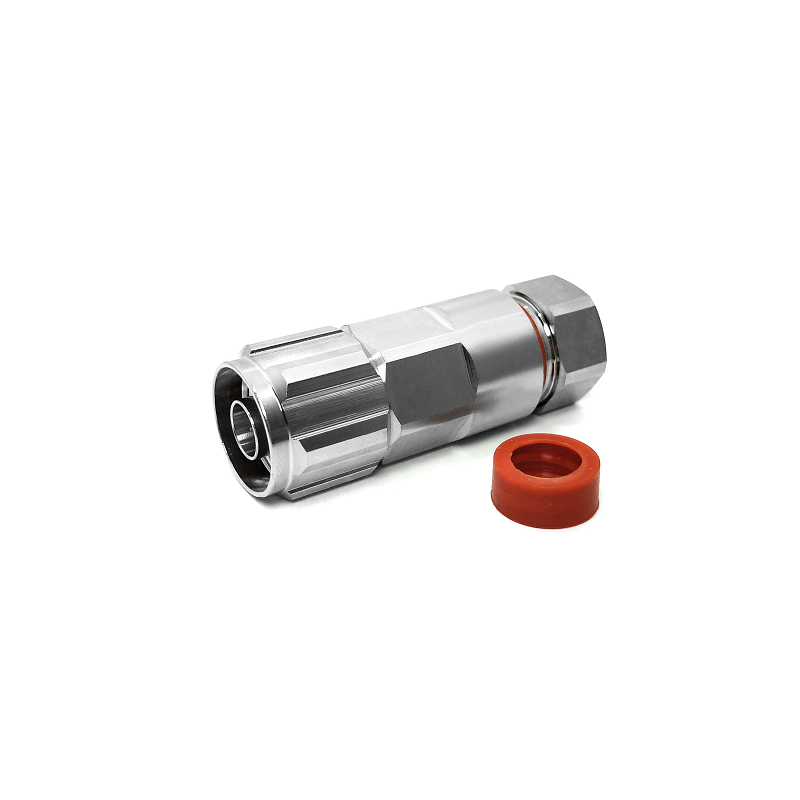
Learn when an n type coax connector can omit extra anti-corrosion treatment and when OEM exposure conditions require it.
2026/09/25
Learn how the custom cable and wire sample process helps ODM buyers validate design, testing, and production readiness.