EN
EN

Why Choose a Supplier with Full Chain Capability for OEM RF Components
Having sourced RF components for large-scale telecom infrastructure projects, I know firsthand how quickly a procurement strategy built around multiple specialized vendors becomes its own operational risk. You start with a connector supplier in one country, a cable assembly manufacturer in another, and a passive component vendor elsewhere—and before the first production run is complete, you are managing three separate qualification audits, three sets of test documentation, and three different lead time windows that rarely align. For OEM buyers working with rf technology components and systems, the question worth asking early is: how many of these integration risks are you willing to own?
The Multi-Supplier Management Problem in RF Component Procurement
Multi-vendor procurement is a standard risk-reduction tactic in electronics sourcing—in theory. In practice, for OEM buyers sourcing rf technology components and systems, it introduces a different category of risk: interface consistency, documentation incompatibility, and batch-to-batch variation across vendors that had not tested their products together.
Consider what happens during incoming inspection when one supplier delivers connectors with test reports formatted to a different standard than the cable assembly manufacturer. Or when a directional coupler rf assembly from one source is specified to work within a cable system where connector impedance tolerances from a separate supplier sit at the edge of the mating specification. The individual components may each pass their own supplier's test criteria—but the system-level performance is something no single vendor has verified.
In electronic component procurement, multi-source fragmentation—including inconsistent batch quality, certification gaps, and documentation mismatches—is a recognized risk category for OEM manufacturers in regulated markets. For RF system integrators, this risk compounds quickly: rf technology components and systems are interdependent. A directional coupler, a coaxial cable assembly, and the connectors at each interface are not independent line items. They are part of a signal chain where every interface contributes to—or subtracts from—system performance.
What Full Chain Capability Actually Means for OEM Buyers
When evaluating rf technology components and systems suppliers for OEM applications, a supplier with full chain capability is not simply one that manufactures more product categories. The meaningful distinction is whether a single supplier can take a component from design confirmation through precision machining, electrical verification, and certification documentation—without handing the product off to an external party at any stage where quality can diverge from what was agreed.
For OEM rf technology components and systems procurement, full chain capability typically covers four integrated stages:
- Application engineering and design confirmation: The ability to review your specification before production begins, identify interface compatibility issues, and confirm that the assembly will perform within your signal chain parameters.
- CNC precision manufacturing: Controlled dimensional tolerances at the connector body, contact geometry, and cable termination—where deviations from nominal create impedance discontinuities that show up as VSWR degradation in the assembled system.
- 100% pre-shipment electrical testing: Not sample testing or certificate-of-conformance sampling, but per-assembly insertion loss and return loss verification with test data included in shipping documentation. This is the difference between a manufacturer who knows each unit meets spec and one who knows a batch average does.
- Certification and compliance documentation: ISO 9001 process control and RoHS/REACH material compliance, providing the documentation trail that OEM buyers in European and North American markets need to satisfy their own customers and regulatory requirements without performing independent verification.
ISO 9001 certification has become a procurement engineer's practical shortcut for vendor quality pre-screening because it signals that a supplier's manufacturing processes are subject to documented control, regular audit, and corrective action procedures—creating the organizational infrastructure that makes consistent outcomes in rf technology components and systems more likely.
Full-Chain Manufacturer vs. Distributor: A Practical Distinction
Sourcing RF passive components through established distributors is a familiar path: the reasoning goes that distributor relationships simplify logistics, aggregate multiple product lines, and shift the qualification burden upstream. For commodity components in non-RF-critical applications, that logic often holds. For OEM buyers who treat rf technology components and systems as strategic inputs to regulated or performance-critical end products, the gap is worth examining directly.
My procurement approach for RF cable assemblies was originally anchored on finding the most convenient consolidated distributor. The shift happened after a field replacement campaign for a batch of subassemblies that met catalog specs but had inconsistent connector plating adhesion across units—a characteristic that the distributor had no visibility into and no test data for. The full cost accounting that followed, including technician time and system downtime during replacement, made it clear that the convenience premium I was paying for distribution was funding someone else's logistics, not my quality assurance.
Distributors resell components manufactured by others. They typically cannot provide per-assembly electrical test data, because they did not perform the assembly. They cannot offer application-specific design confirmation, because they did not design the part. And their certification documentation reflects the manufacturer's quality system—one that the distributor has no direct control over or audit access to. For OEM buyers whose end products carry regulatory compliance obligations, this documentation chain matters.
Evaluating Full Chain Capability: An OEM Supplier Audit Checklist
Before committing to a supplier for OEM rf technology components and systems procurement, consider running through the following verification points. Honestly, I would hesitate to skip any of these for a new supplier relationship, even when schedule pressure makes the quick-approval path tempting:
- Manufacturing ownership: Does the supplier own and operate the CNC machining and cable assembly production, or does it sub-contract either stage? Sub-contracting is not automatically disqualifying, but it means you need to qualify one more link in the chain.
- Electrical test coverage: Is 100% per-assembly electrical testing standard practice, or is testing conducted on samples only? Ask for a sample test report and verify that it covers insertion loss and return loss across the relevant frequency range—not just a pass/fail stamp.
- ISO 9001 certification scope: What specific manufacturing processes are included in the certified quality management system scope? A supplier certified only for administrative processes and not for machining or assembly operations provides limited assurance.
- RoHS and REACH material compliance: Can the supplier provide a materials declaration covering connector body alloy, contact plating, and cable jacket material? For products shipped to European or North American OEM customers, this documentation is not optional.
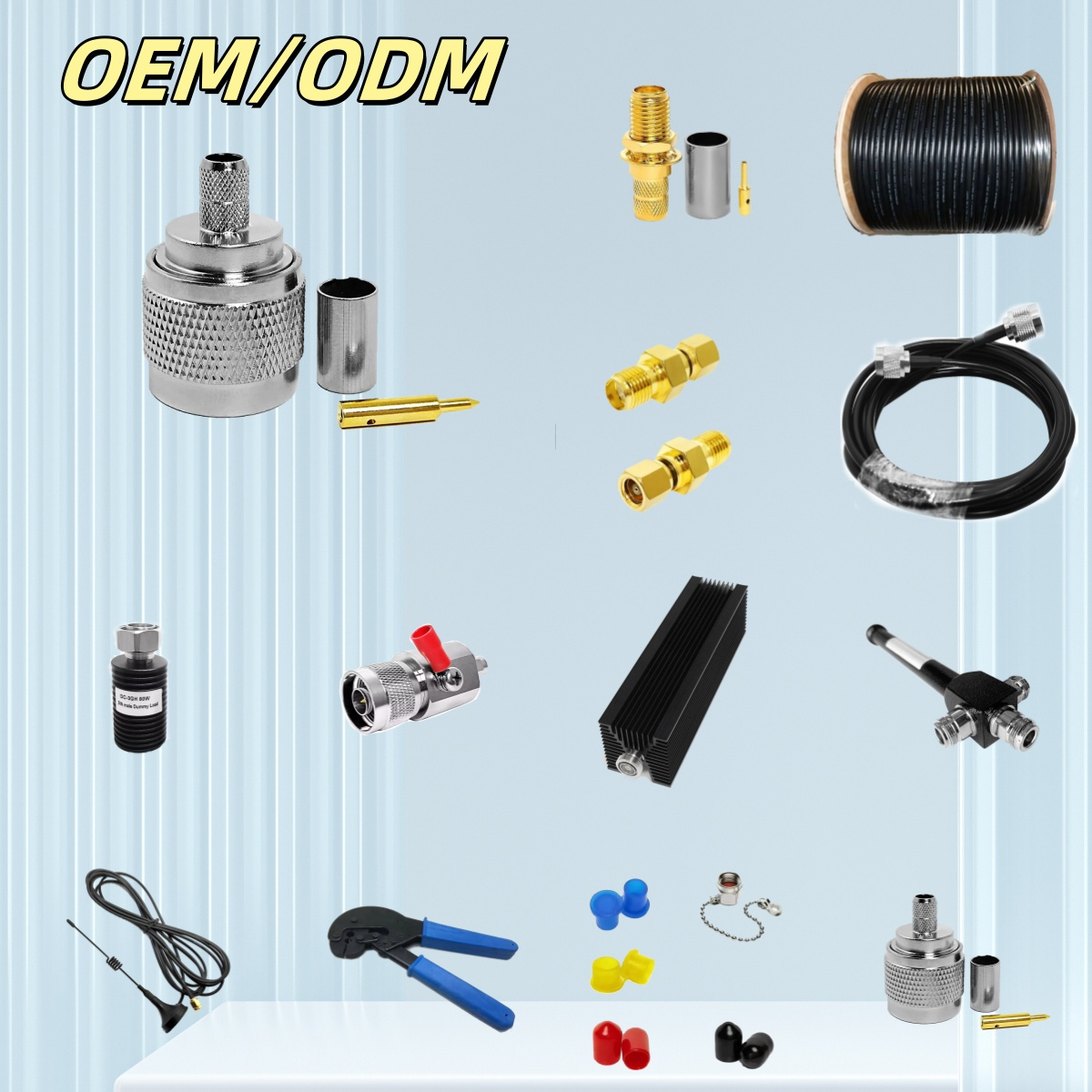
- Multi-interface coverage: Does the supplier produce across the full interface families you require—SMA, N-type, BNC, TNC, and passive components such as directional couplers—or will you need to maintain separate vendor relationships for different interface types?
- Application support before order: Will the supplier review your system specification and confirm interface compatibility before production? A supplier who only takes orders and does not engage with application context is less likely to flag a specification problem before it becomes a rework cost.
For OEM buyers integrating rf technology components and systems into regulated or performance-critical end products, suppliers that can answer each of these points affirmatively are meaningfully less risky than those that cannot—regardless of unit price.
Conclusion: Consolidating the Chain Reduces the Risk You Carry
Choosing a full-chain-capable supplier for OEM RF components comes down to risk placement, not unit price. Multi-vendor procurement distributes manufacturing risk across suppliers that have no visibility into each other's work. A full-chain manufacturer puts manufacturing, testing, and documentation ownership under one roof. That is a more defensible position when a quality issue needs to be traced and corrected before it reaches production.
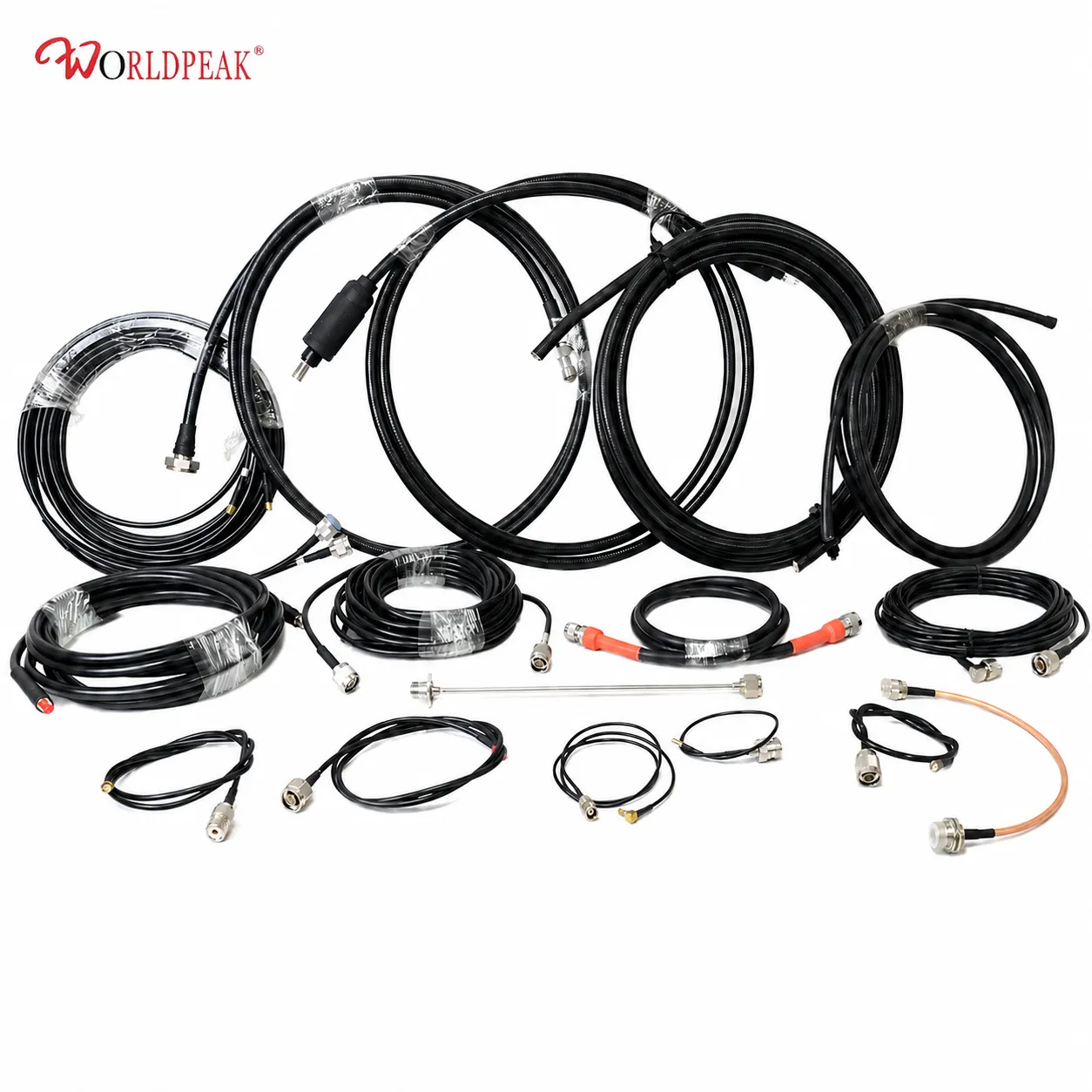
If your OEM program requires consistent electrical performance, traceable test documentation, and compliance-ready material records across connector assemblies, coaxial cables, and rf technology components and systems including directional couplers, then the supplier evaluation criteria outlined above give you a structured basis for comparison. Worldpeak, based in Zhenjiang, Jiangsu, manufactures RF connectors, coaxial cable assemblies, and RF passive components from DC through 18 GHz across SMA, N-type, BNC, TNC, MMCX, and other standard interface families—with 100% pre-shipment electrical testing and ISO 9001/RoHS certification as standard operating practice.