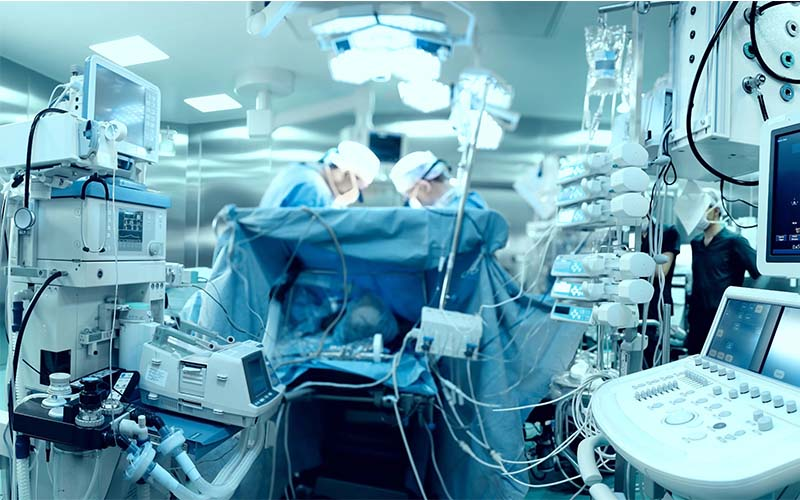
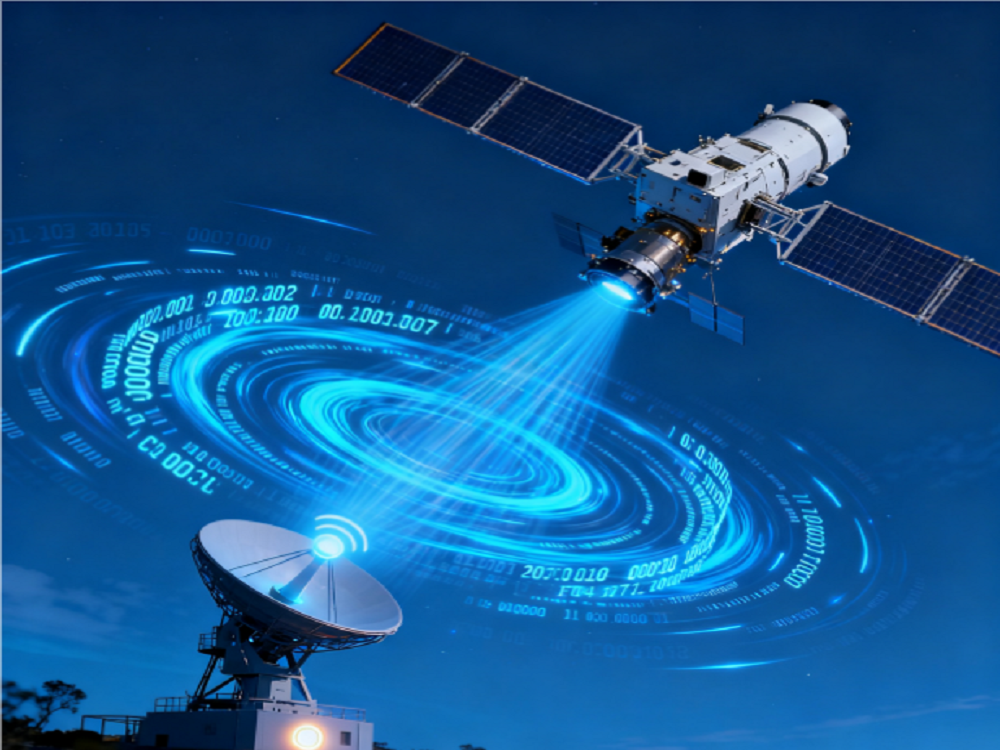
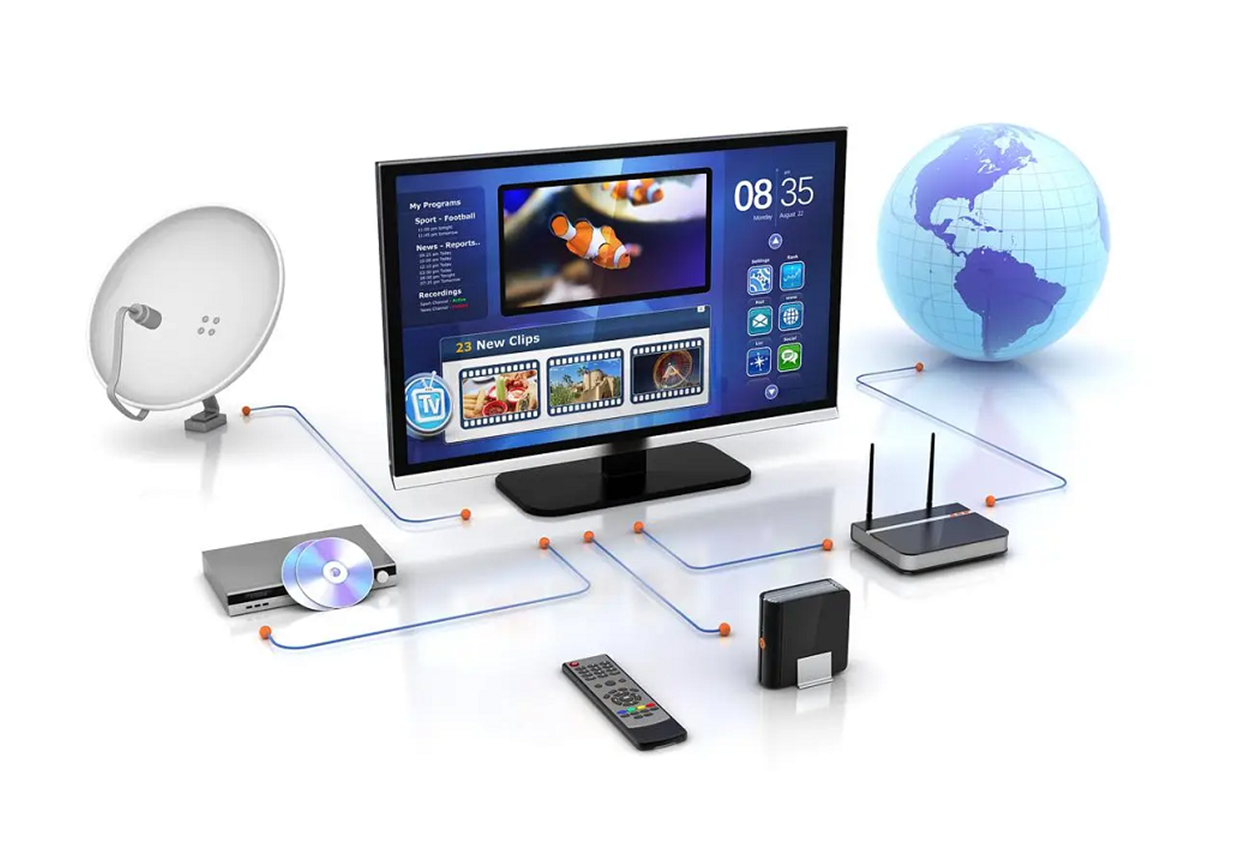
Coaxial cables in the medical field mainly serve three core functions: high-frequency signal transmission, radio frequency energy delivery, and miniaturized connection. With excellent anti-interference performance and spatial adaptability, they are widely used in diagnostic imaging, minimally invasive surgery, and implantable devices.
Core Application Scenarios
・ Signal Transmission in Medical Imaging Equipment
・ Ultrasound and Endoscopy: Ultra-fine coaxial cables (often with a diameter of less than 0.5mm) are used in ultrasound probes and electronic endoscopes. They realize low-loss and low-latency transmission of high-definition video and high-frequency echo signals in narrow channels, ensuring clear and stable images.
・ MRI (Magnetic Resonance Imaging): Non-magnetic ultra-fine coaxial cables (such as beryllium copper conductors and PTFE insulation) are used in the receiving array probes to avoid artifacts under strong magnetic fields, ensuring imaging accuracy and signal-to-noise ratio under high field strengths (3T/7T).
・ CT and Monitors: They are used to transmit high-speed data streams and physiological sign signals. The shielding layer effectively suppresses electromagnetic interference and prevents data distortion.
・ Radio Frequency and Microwave Therapeutic Equipment
・ Microwave Ablation Systems: Special high-power coaxial cables (such as those in the 2.45GHz frequency band) accurately deliver radio frequency/microwave energy to tumor tissues for thermal ablation. They need to have the characteristics of high temperature resistance, low loss, and super flexibility.
・ High-Frequency Surgical Instruments: They connect the electrosurgical generator host to the surgical handle, stably transmitting high-frequency current for cutting or coagulation. The insulating layer is required to be arc-resistant and have high mechanical strength.
・ Implantable and Wearable Medical Devices
oNeurostimulation and Pacemakers: Micro coaxial cables (outer diameter can be less than 0.3mm) act as the "nerve center", connecting electrodes and pulse generators inside cardiac pacemakers and deep brain stimulators. They need to meet biocompatibility (ISO 10993 standard) and long-term bending fatigue tests.
oRemote Monitoring: It supports the stable upload of sensor data in wearable devices, taking into account both signal integrity and wearing comfort.
Key Technical Requirements
・ Miniaturization and High Flexibility: Adapt to the limitations of human body cavities or implantation spaces, support tens of thousands of bends without breaking, and the outer diameter is often controlled at the millimeter or even sub-millimeter level.
・ Strong Anti-Interference: The metal shielding layer effectively isolates external electromagnetic noise and ensures the transmission quality of weak bioelectrical signals or high-frequency radio frequency signals.
・ Compliance of Special Materials: The insulating layer mostly adopts high temperature resistant and corrosion resistant materials such as PTFE, FEP or PEEK. Implant-grade cables need to pass sterile sterilization verification and biosafety certification.
・ Impedance Matching: Usually maintain a standard impedance of 50Ω or 75Ω to reduce signal reflection and ensure energy transmission efficiency.
With the development of minimally invasive surgical robots and telemedicine, medical coaxial cables are evolving towards finer diameters, integrated sensing functions and multi-core composite structures.
 EN
EN