EN
EN

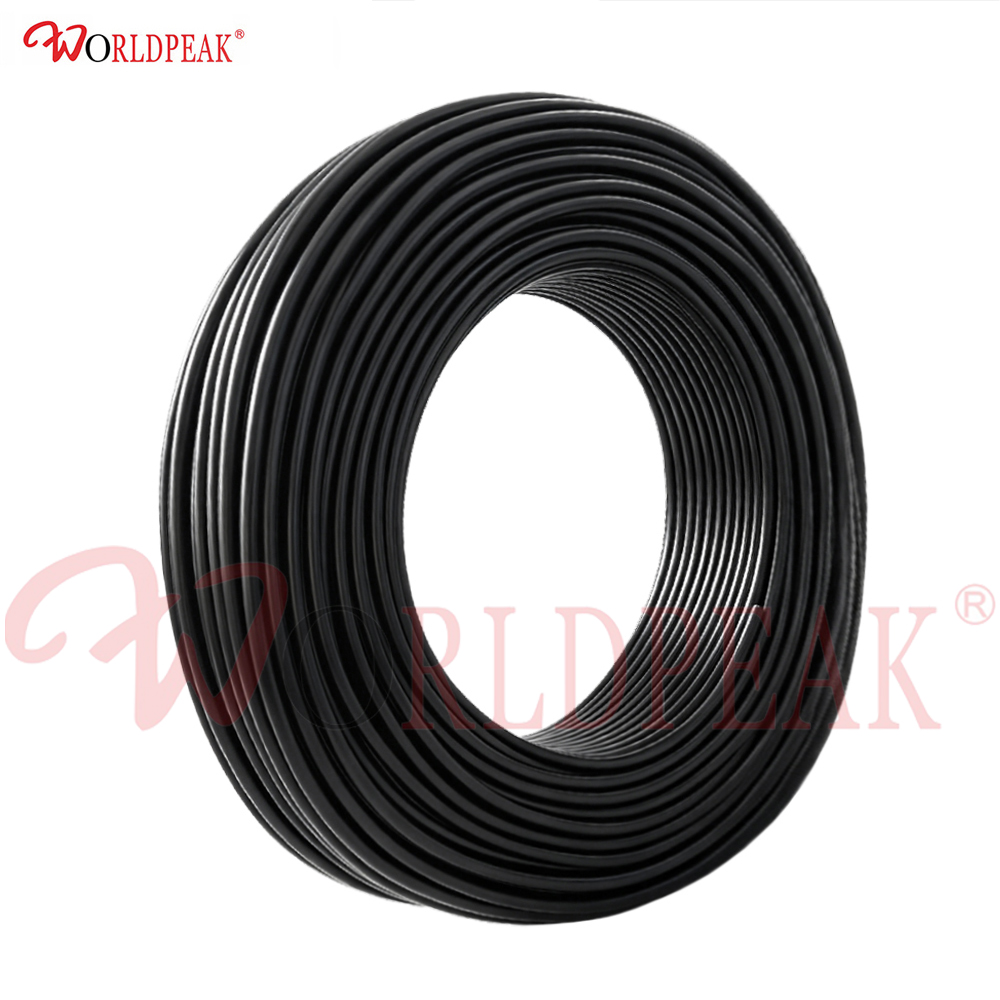
For a telecom installation crew or system integrator working on a tight schedule, preparing coaxial jumpers manually on a job site consumes an enormous amount of productive time. A raw spool of coax demands continuous cutting, precise stripping, mechanical termination, weatherproofing, and thorough electrical testing before a single connection joins a radio, tower antenna, or filter matrix. Shifting this entire workflow to factory-controlled manufacturing turns raw coax into a pre-engineered, reliable component.
When field teams transition from manual termination to a factory-built LMR400 cable assembly, the primary benefit is operational certainty. Instead of dealing with variable craftsmanship on top of a bucket truck or inside a cramped rack, technicians handle a fully tested lead designed precisely for the mechanical and electrical demands of the site.
Defining Factory-Controlled Processing for RF Assemblies
A true OEM processed coaxial cable setup goes far beyond simply crimping two connectors onto a piece of wire. It represents a strict manufacturing specification agreed upon before production begins. This specification dictates precise physical lengths, mechanical tolerances, connector plating, weather-seal boots, labeling schemas, and required electrical testing parameters like Return Loss (VSWR) and Insertion Loss.
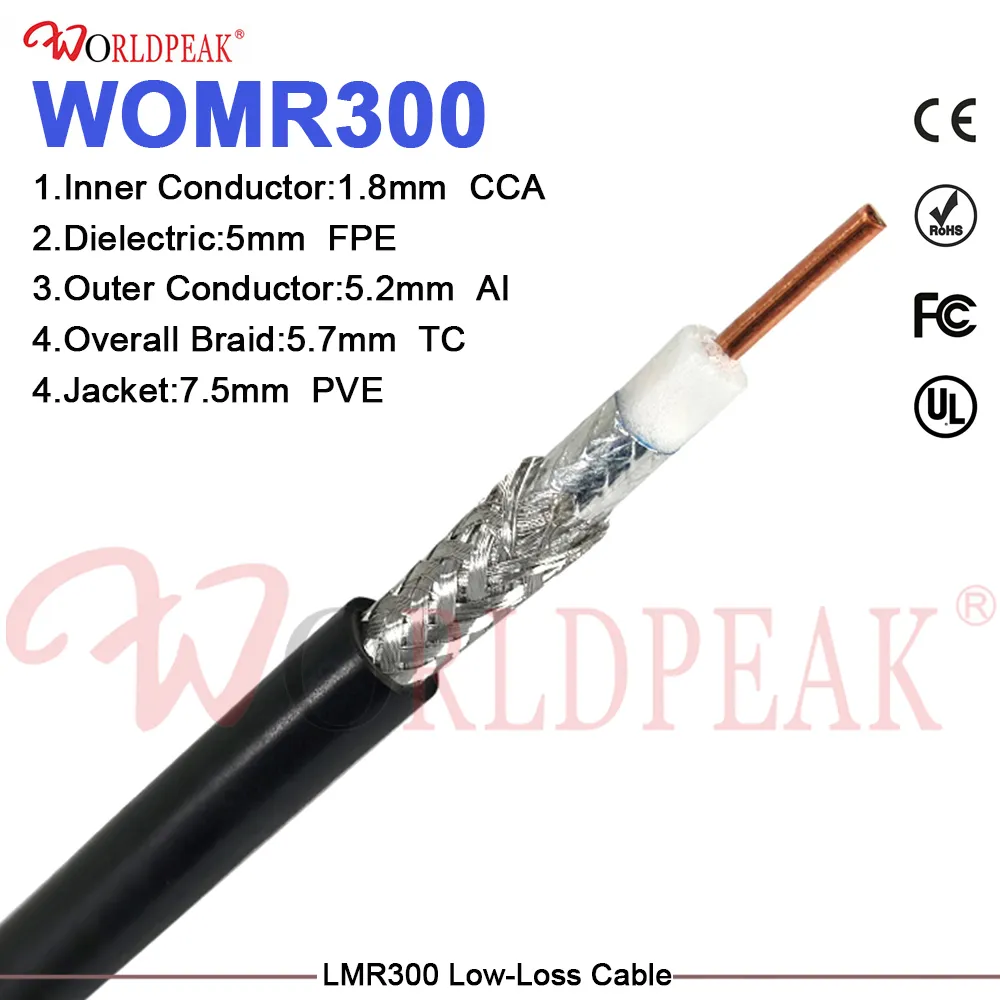
LMR400 is widely recognized across the wireless industry as a high-performance 50-ohm low-loss coaxial platform. However, matching a cable to a complex RF path requires looking at operating frequencies, peak power handling, environmental exposure, and spatial constraints. An OEM processed coaxial cable ensures every variable is vetted by engineering teams prior to factory assembly, eliminating costly field guesswork.
Operational Advantages of Pre-Terminated Jumper Runs
Workflow Transition Summary:
-
Raw Cable Spool: Field Measuring -> Stripping -> Crimping -> Site Inspection (High Failure Risk)
-
Pre-Terminated: Factory Assembly -> Automated Sweep Test -> Direct Installation (Zero On-Site Prep)
Eliminating On-Site Tooling and Assembly Errors
Field connectorization requires specialized strip tools, calibrated crimp dies, torque wrenches, and a clean workspace—conditions rarely present on an exposed tower or an active industrial construction zone. A single speck of metal debris inside a connector body or a slightly over-torqued center pin can trigger intermittent signal degradation or high Standing Wave Ratios (VSWR) that take hours to diagnose.
Installing a factory-assembled pre-terminated RF cable removes irreversible assembly steps from the field. Installation crews can direct 100% of their focus toward proper cable tray routing, securing correct bend radii, applying secondary weatherproofing seals, and completing final system integration checks.
Precision Lengths and Waste Suppression
Ordering a pre-terminated RF cable built to custom project drawings removes the need for field trimming and reduces material scrap. When service loops and enclosure entry points are mapped in advance, cables arrive ready to drop into position.
In multi-site infrastructure rollouts—such as municipal DAS networks, SCADA automation sites, or security camera grids—standardized jumper lengths ensure uniform signal performance across hundreds of nodes while streamlining inventory management.
Pre-Deployment Verification of Connector Interfaces
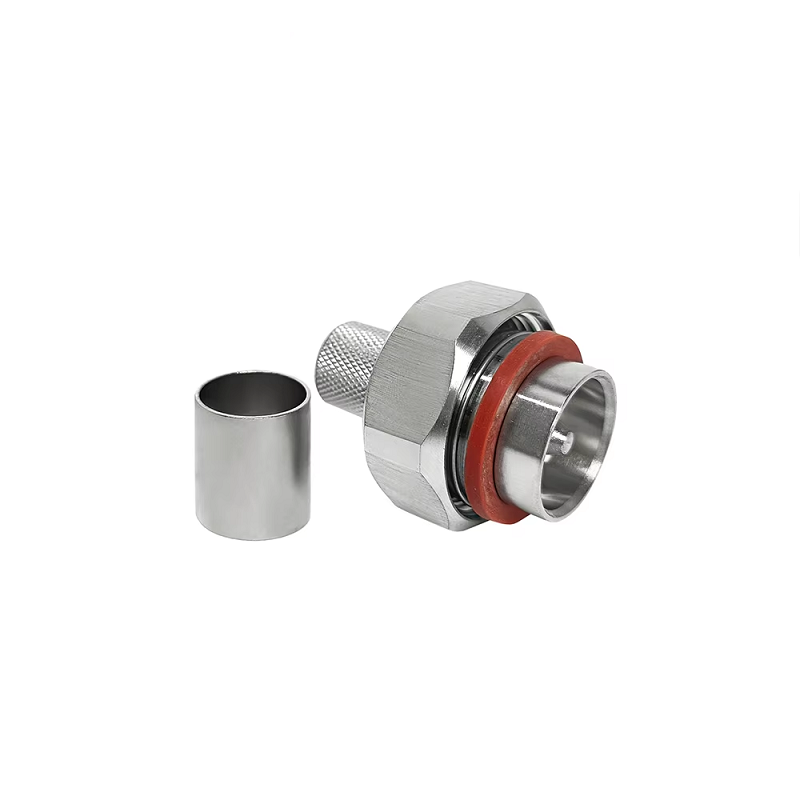
Complex RF systems frequently combine different interface types, including N-Type, SMA, TNC, or 7/16 DIN connectors. A common point of field failure occurs when wrong genders, incorrect right-angle orientations, or mismatched thread types arrive at a remote location.
Through a structured manufacturing build-sheet review, these interface mismatches are caught during pre-production engineering. Specifying the exact connector gender, body plating, and strain-relief boot on the engineering drawing guarantees that the LMR400 cable assembly mates perfectly with hardware interfaces on arrival.
Critical Physical Parameters During Field Handling
While factory processing guarantees electrical integrity out of the box, field technicians remain responsible for proper physical handling during installation.
| Physical Parameter | Recommended Baseline | Operational Risk If Exceeded |
| Minimum Installation Bend Radius | 1.0 inch (25.4 mm) | Kinking the outer foil shield, altering impedance |
| Repeated Flexing Bend Radius | 4.0 inches (101.6 mm) | Center conductor fatigue, dielectric crushing |
| Maximum Pull Tension | 160 lbs (72.6 kg) | Pin displacement, connector neck separation |
| Connector Mating Torque | Interface Specific (e.g., N-Type 12 in-lbs) | Strip threads, crushed center conductor contact |
Technicians must avoid pulling assemblies through tight conduit elbows by the connector bodies, as tensile stress can compromise the internal mechanical join. Keeping bend radii generous prevents micro-fractures in the aluminum tape shield, preserving the cable's 50-ohm characteristic impedance.
Leveraging Documentation for Quality Control and Traceability
System documentation is often treated as an after-thought, yet clear labeling transforms physical maintenance. Factory-applied, UV-resistant heat-shrink labels printed with unique line IDs, port designations, and serial numbers link each physical run directly to overall schematic drawings.
Furthermore, requesting factory sweep-test data provides verified proof of VSWR and attenuation performance prior to shipment. When quality plans accept factory test documentation, site acceptance testing moves faster, allowing project managers to sign off on completed runs with complete confidence.
Best Practices Checklist Before Ordering Custom Jumper Leads
To maintain consistency across large-scale RF infrastructure projects, technical procurement teams rely on a quick verification checklist prior to issuing volume manufacturing releases:
-
Confirm exact operating frequency bands and system power ratings to select matching connector body materials.
-
Map both end-point interfaces, specifying gender, pin style, body geometry (straight vs. right-angle), and IP-rated weatherproofing requirements.
-
Determine finished tip-to-tip length including exact dimensional tolerances and a reasonable service loop allowance.
-
Establish installation path requirements, accounting for conduit pass-through diameters, tray support spacing, and cabinet entry gland sizes.
-
Define labeling text, barcoding specs, individual bag packaging, and required electrical test report formats.
-
Review a first-article drawing or prototype sample before releasing full volume production runs.
Optimizing RF Infrastructure Construction Workflows
Moving from field-fabricated coaxial jumpers to factory-built jumper leads shifts site work from manual assembly to efficient installation. Eliminating field termination variables reduces labor costs, minimizes signal reflection issues, and ensures consistent quality across every node of an enterprise communications network.
For organizations building mission-critical wireless networks, partnering with an experienced manufacturing source ensures that every RF jumper arrives ready to perform. With a focus on high-precision RF connectors and specialized jumper production, WORLDPEAK delivers customized LMR400 cable assembly configurations backed by rigorous factory testing, fast turnarounds, and reliable global supply chain services. Taking time to standardize cable specs prior to field deployment protects your network investment and keeps critical installations moving forward smoothly.