 EN
EN

7/16 DIN Connector Guide: High-Power RF Standard
2026/09/24
Choose a 7 16 connector for high-power RF: compare DIN and Type N, protect PIM margin, and apply field installation checks.
2026/09/01
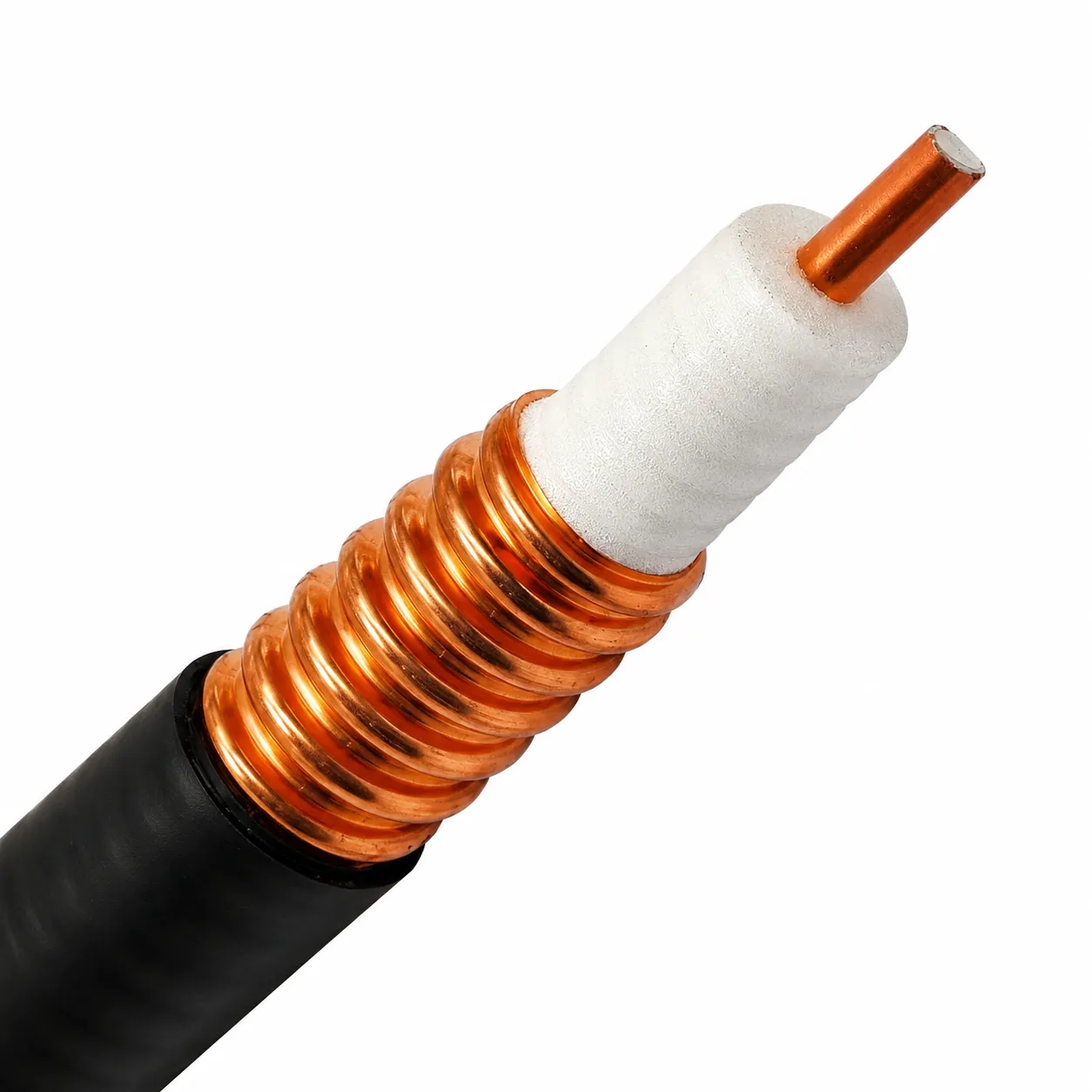
Finding a trusted coaxial jumper factory is one of the most vital steps when building out telecommunications networks, broadcast installations, or modern industrial wireless systems. A single poorly assembled RF cable assembly can trigger intermittent signal drops, high Voltage Standing Wave Ratio (VSWR), or massive power reflections that damage expensive transceivers. Sourcing these components globally requires looking far beyond basic price tags on a sales sheet.
Hardware procurement teams need clear insight into production capacity, factory certification standards, testing protocols, and Minimum Order Quantity (MOQ) flexibilities. Partnering with a specialized coaxial jumper factory guarantees that every custom assembly meets tight electrical and mechanical specs before leaving the facility floor. Understanding how top-tier manufacturing facilities manage these processes helps procurement leaders safeguard project timelines and field performance.
Navigating minimum order thresholds often creates friction during early prototype stages or specialized network rollouts. A flexible coaxial jumper factory understands that real-world deployment schedules vary wildly, balancing scalable high-volume production with support for smaller batch orders.
Production setups typically adapt their MOQ policies and manufacturing windows based on component availability, cable complexity, and custom interface requirements:
| RF Assembly Profile | Typical MOQ Range | Average Production Lead Time | Assembly Customization Depth |
| Standard RG Series Coaxial Jumpers | 100 to 500 pcs | 7 to 15 Business Days | Low (Standard Interfaces) |
| Low-Loss LMR Cable Assemblies | 200 to 500 pcs | 10 to 20 Business Days | Medium (Custom Lengths/Sealing) |
| Multi-Axis Custom Cable Runs | 100 to 300 pcs | 10 to 18 Business Days | High (Complex Routing) |
| Specialized Coaxial Connectors and Adapters | 200 to 500 pcs | 15 to 25 Business Days | High (Hybrid Interfaces) |
| Military and Aerospace Grade Jumpers | 50 to 200 pcs | 20 to 40 Business Days | Very High (Mil-Spec Requirements) |
Insisting on excessively high initial ordering limits without offering low-volume sample runs often indicates a rigid manufacturing model. A adaptable coaxial jumper factory works alongside procurement teams, providing small initial sample runs for vector network analyzer (VNA) validation before launching full-scale volume runs.
Objective validation starts with verifying international standard compliance. A vendor’s official factory certification roster provides absolute transparency regarding quality control, material safety, and standardized assembly procedures.
ISO 9001 serves as the universal baseline for any high-reliability coaxial jumper factory. This framework proves that the plant maintains fully documented component traceability, standardized crimping and soldering procedures, and structured continuous improvement workflows. Always request up-to-date documentation directly from the factory certification file to verify current accreditation.
Supplying wireless infrastructure hardware into European or North American markets makes RoHS (Restriction of Hazardous Substances) and REACH compliance mandatory. A qualified coaxial jumper factory maintains strict control over raw material suppliers, guaranteeing that center pins, outer bodies, dielectrics, and solder alloys remain well within safe environmental thresholds for heavy metals like lead and cadmium.
For indoor wireless setups, Distributed Antenna Systems (DAS), and building infrastructure installations, UL-listed jacketed cables are essential. Compliance with UL flame-retardant and smoke-emission standards ensures the final RF cable assembly meets strict commercial building codes and municipal safety guidelines.
The IPC/WHMA-A-620 standard dictates rigorous acceptance criteria for cable and wire harness fabrication. Manufacturing facilities trained on this protocol follow exact standards for insulation stripping, center pin soldering, shielding braid crimping, and strain-relief boot heat-shrinking.
Top-tier component performance relies on comprehensive testing procedures throughout every phase of production. Premium coaxial connectors and adapters integrated into finished cable assemblies must undergo automated screening to prevent field failures.
Vector Network Analyzer (VNA) Testing
Verification of VSWR and return loss across the full intended operating spectrum—typically spanning 1 MHz up to 18 GHz—is non-negotiable. Individual batch sweep testing confirms that signal reflection stays below strict threshold limits.
Insertion Loss Sweep
Measuring signal attenuation across total cable lengths ensures that dielectric losses remain well within system budget limits, preserving overall signal strength across broad spectrum runs.
Dielectric Withstanding Voltage (DWV) Verification
Exposing assemblies to high voltage loads verifies dielectric insulation integrity, guarding against internal electrical arcing during high-power transmission bursts.
100% Continuity and Short Circuit Inspection
Every completed RF cable assembly must pass automated pin-to-pin continuity and ground-shield isolation checks prior to packaging, ensuring zero short circuits straight out of the box.
Mechanical Retention and Mechanical Pull Testing
Subjecting mated cable interfaces to physical pull-out force testing verifies crimp sleeve stability and physical strain-relief integrity under heavy physical loads.
Environmental Endurance Testing
Subjecting sample batches to thermal cycling, humidity chambers, and continuous salt spray exposure proves weatherability for harsh outdoor environments like coastal cellular towers.
Selecting a supply chain partner requires evaluating real-world capability over promises on paper. During a major wireless infrastructure expansion across regional tower sites, project managers evaluated multiple potential manufacturing partners to fulfill high-volume jumper requirements.
One option maintained basic ISO compliance but could not supply batch-specific RoHS testing documentation. A second vendor offered valid factory certification credentials but imposed rigid 1,000-piece MOQ requirements on custom length configurations, crippling initial field trial schedules. A third candidate—Worldpeak—offered full ISO 9001 accreditation, complete RoHS compliance, flexible initial sample MOQ terms starting at 200 pieces, and provided individual VNA test reports alongside every shipment lot.
Selecting a supply partner capable of offering moderate volume flexibility alongside certified testing data allowed project engineers to validate sweep measurements in the field prior to committing to mass procurement cycles. The initial batch confirmed VSWR values remaining below 1.2:1 across targeted spectrum bands, while reliable 15-day manufacturing lead times kept overall tower installation timelines directly on schedule.
Securing high-grade hardware from a reliable coaxial jumper factory is only part of maintaining system uptime; proper installation handling is equally vital. Improper bending radii or over-torqued connector interfaces remain common causes of degraded RF performance in outdoor cellular environments.
Technicians should strictly follow manufacturer bend radius specs—especially when working with corrugated or semi-rigid cable types—to prevent internal dielectric deformation. Furthermore, applying correct coupling torque using calibrated wrenches prevents thread stripping and center pin distortion on coaxial connectors and adapters.
Building strong relationships with experienced interconnect manufacturers ensures access to high-performance components backed by reliable supply chain execution. Established production facilities like Worldpeak leverage advanced manufacturing lines, extensive testing suites, and flexible MOQ options to deliver dependable coaxial connectors and adapters along with custom RF cable assembly solutions tailored for telecommunications, broadcast, and industrial applications worldwide. Working with a dedicated manufacturing partner guarantees long-term signal clarity, robust mechanical strength, and seamless network stability across every installation site.
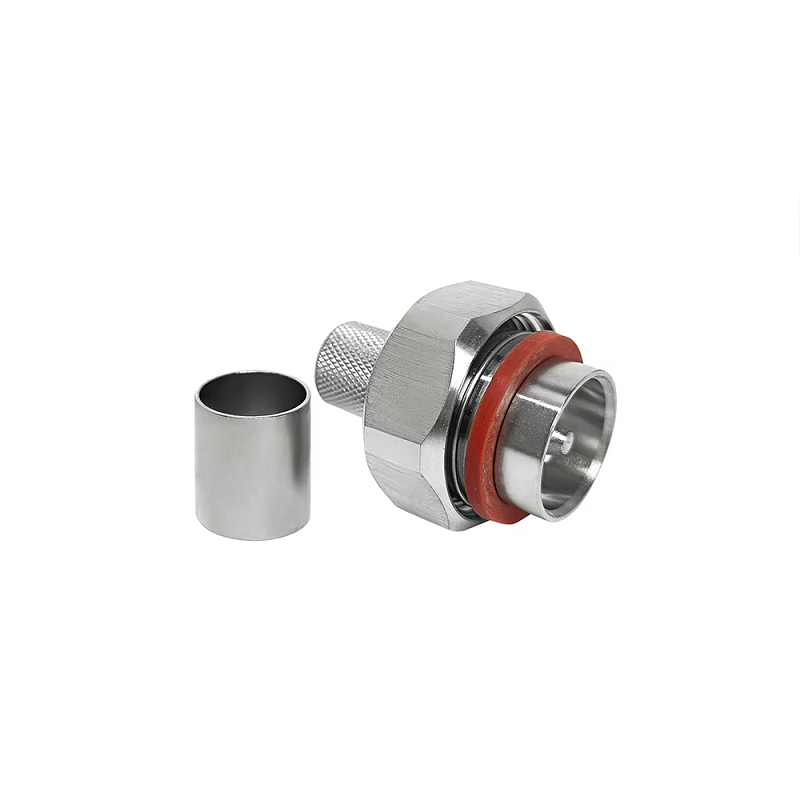
2026/09/24
Choose a 7 16 connector for high-power RF: compare DIN and Type N, protect PIM margin, and apply field installation checks.
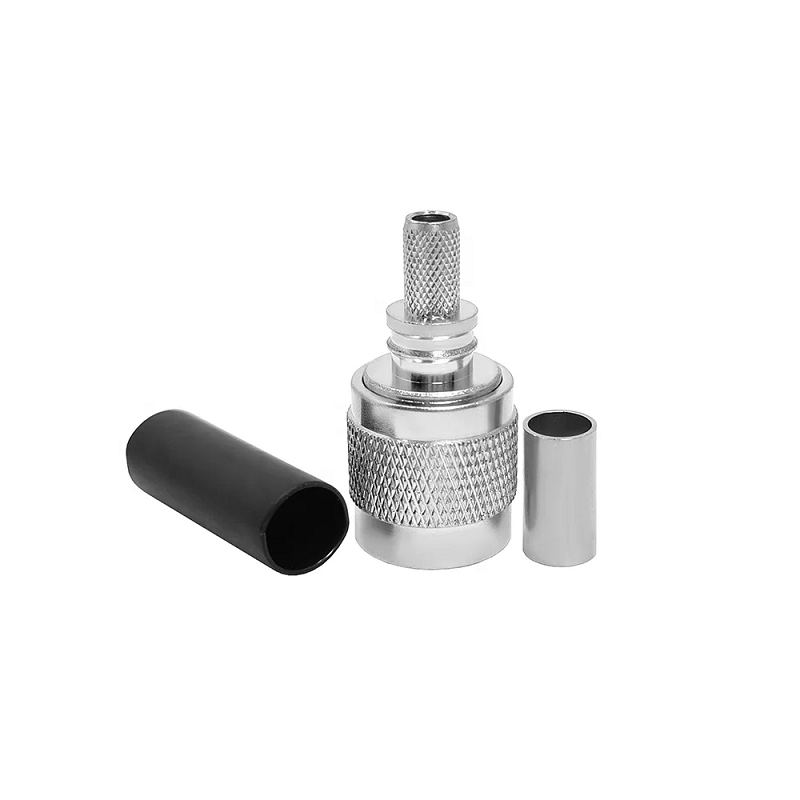
2026/09/24
Compare TNC connector types, specs and applications, including RP-TNC, bulkhead options, vibration performance and adapter selection.
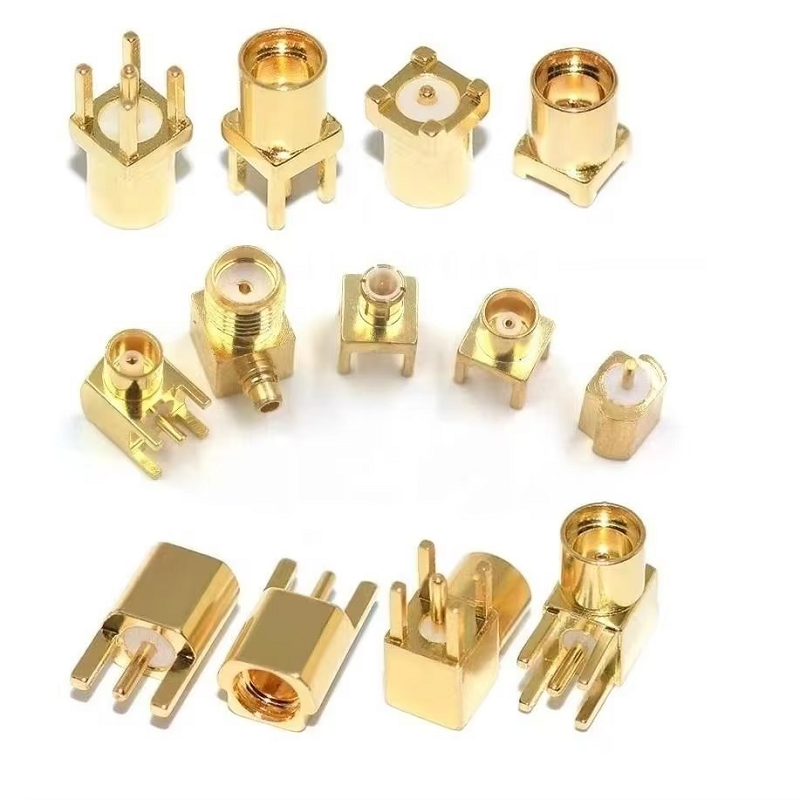
2026/09/24
Understand MMCX connector basics, RF limits, and how to choose the right coaxial interface for compact systems.
2026/09/24
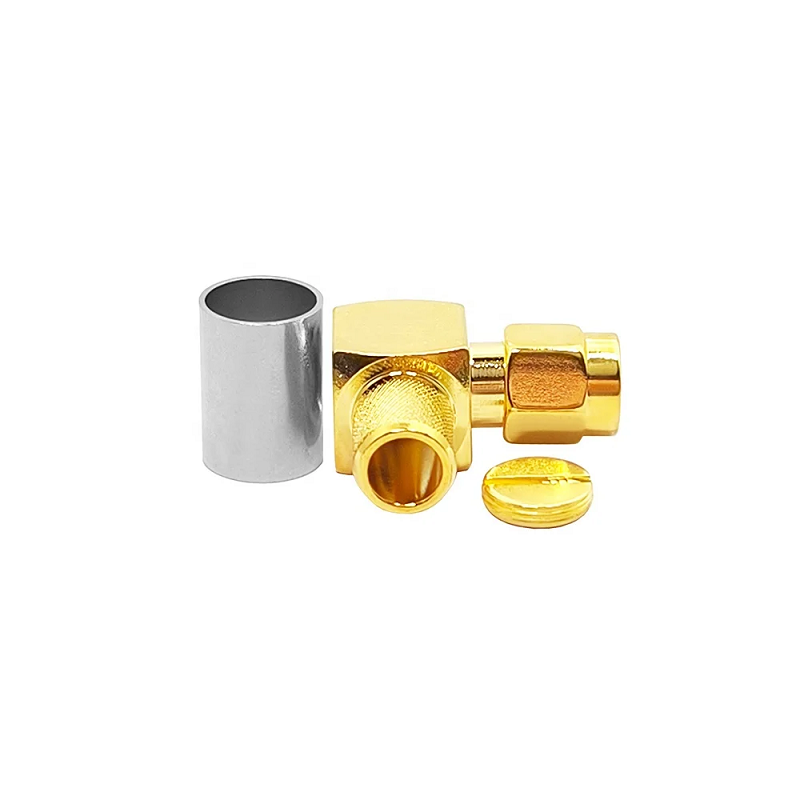
Understand RP-SMA connector polarity, mating rules, frequency checks, and OEM termination options for reliable RF builds.
2026/09/24
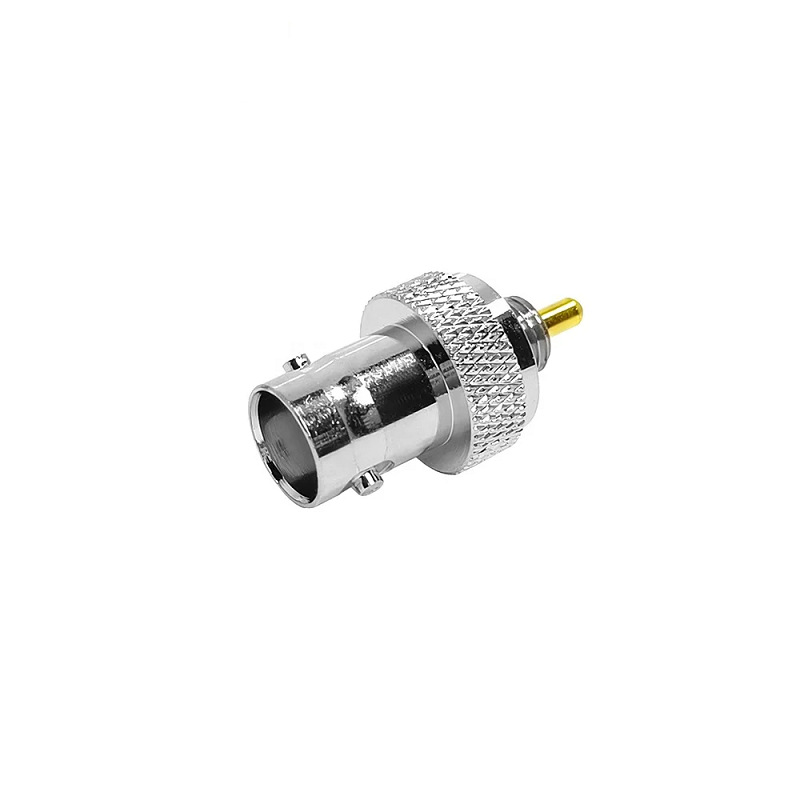
Choose the right bnc male connector for RF, CCTV and test systems with clear 50Ω vs 75Ω, type and installation guidance.
2026/09/24
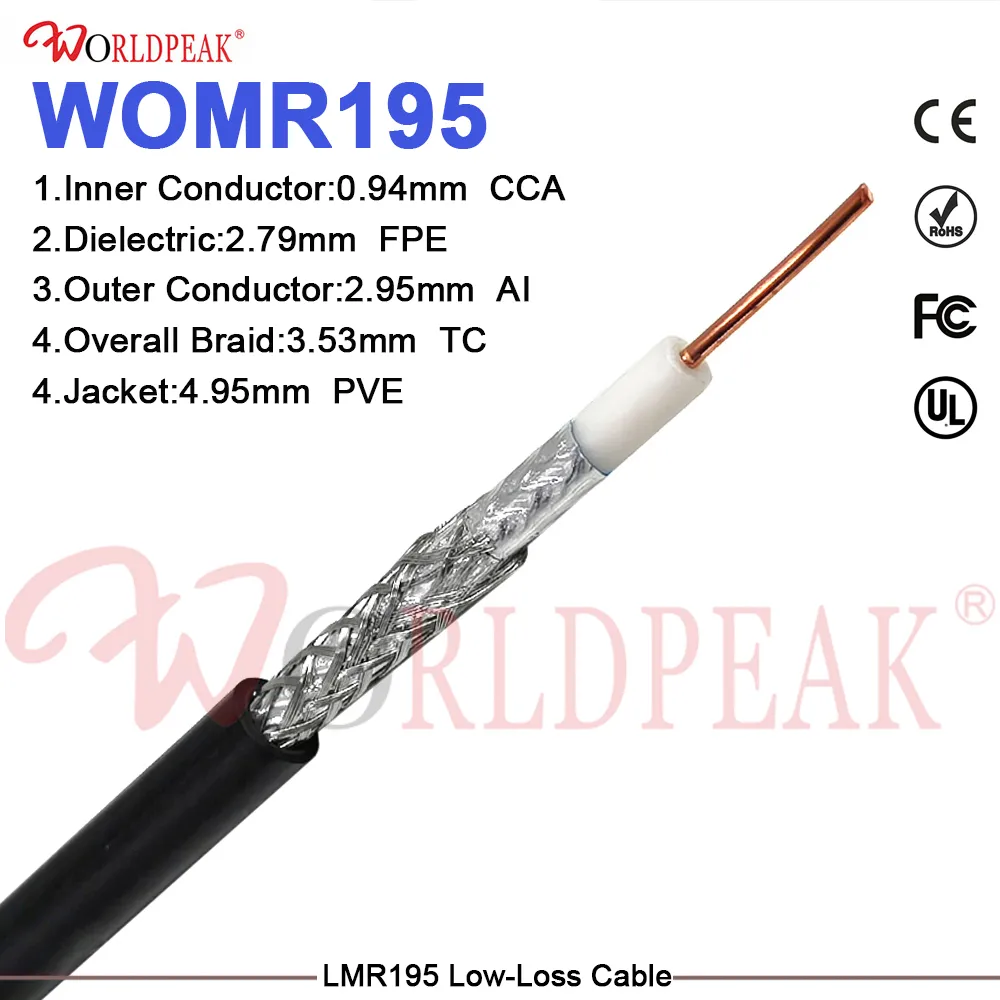
Compare LMR400 specs, cable loss, uses, connectors and RG8/RG213 alternatives with a practical RF loss-budget method.