 EN
EN

What environmental resistance can be customized for OEM rf cable
2026/09/25
Customize an rf high frequency cable for temperature, moisture, corrosion, vibration, flexing, and OEM validation needs.
2026/09/18
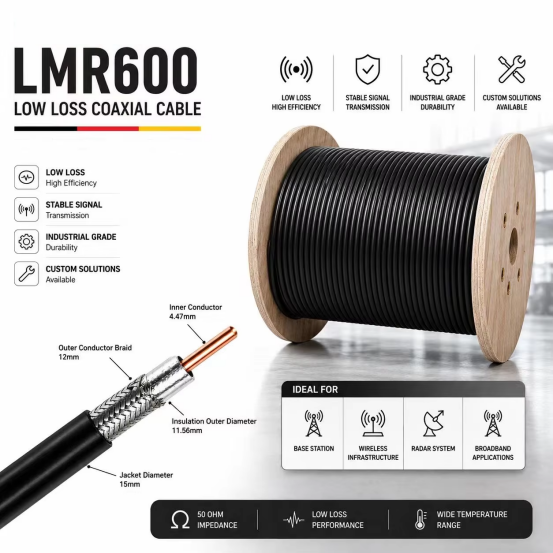
Low loss coaxial cables are designed to minimize signal loss when transmitting high-frequency electrical signals, especially radio frequency (RF) signals. It is commonly used in applications where signal integrity is crucial, such as telecommunications, broadcasting, wireless communication, and high-frequency data transmission. In this article, we will discuss some of the main advantages and uses of low loss coaxial cables, as well as the differences between the five popular types from LMR-100 to LMR-600.
1、Advantages and Applications of Low Loss Coaxial Cables
Here are some key characteristics, advantages, and uses of low loss coaxial cables:
1. Low signal loss: Low loss coaxial cables are designed with special materials and construction techniques to minimize signal attenuation (loss) over long distances. This is crucial for high-frequency applications where signal degradation may lead to poor performance.
2. High frequency range: These cables are optimized for high-frequency transmission, typically ranging from a few hundred megahertz (MHz) to several gigahertz (GHz). They are used for applications such as Wi Fi, cellular networks, radar systems, and satellite communication.
3. RF transmission: Low loss coaxial cables are commonly used in RF transmission systems, including antennas, feeders, and signal distribution networks. They maintain signal integrity and ensure minimal loss along the cable length.
4. Broadband applications: They are suitable for broadband applications because they can effectively carry a wide range of frequencies. This makes them ideal for distributing TV signals, Internet connections and other data services.
5. Adapt to outdoor and harsh environments: Low loss coaxial cables are typically designed to be weather resistant and durable, suitable for outdoor and harsh environmental conditions. They are typically used to connect antennas on rooftops and cellular towers.
6. Optional connectors: They have multiple connectors to choose from to adapt to different applications, making them suitable for various devices and systems.
7. Reduce interference: These cables are designed with shielding to minimize electromagnetic interference (EMI) and radio frequency interference (RFI) to ensure clean signal transmission.
8. Long transmission distance: Low loss coaxial cables can transmit signals over relatively long distances without significantly reducing signal quality. This makes them suitable for point-to-point and point to multipoint communication links.
2、5 commonly used low loss coaxial cables
Low loss coaxial cables, such as LMR-100 and LMR-400, have different specifications including diameter, attenuation, and application. Here is a comparison of five popular types of cables.
1 .LMR-100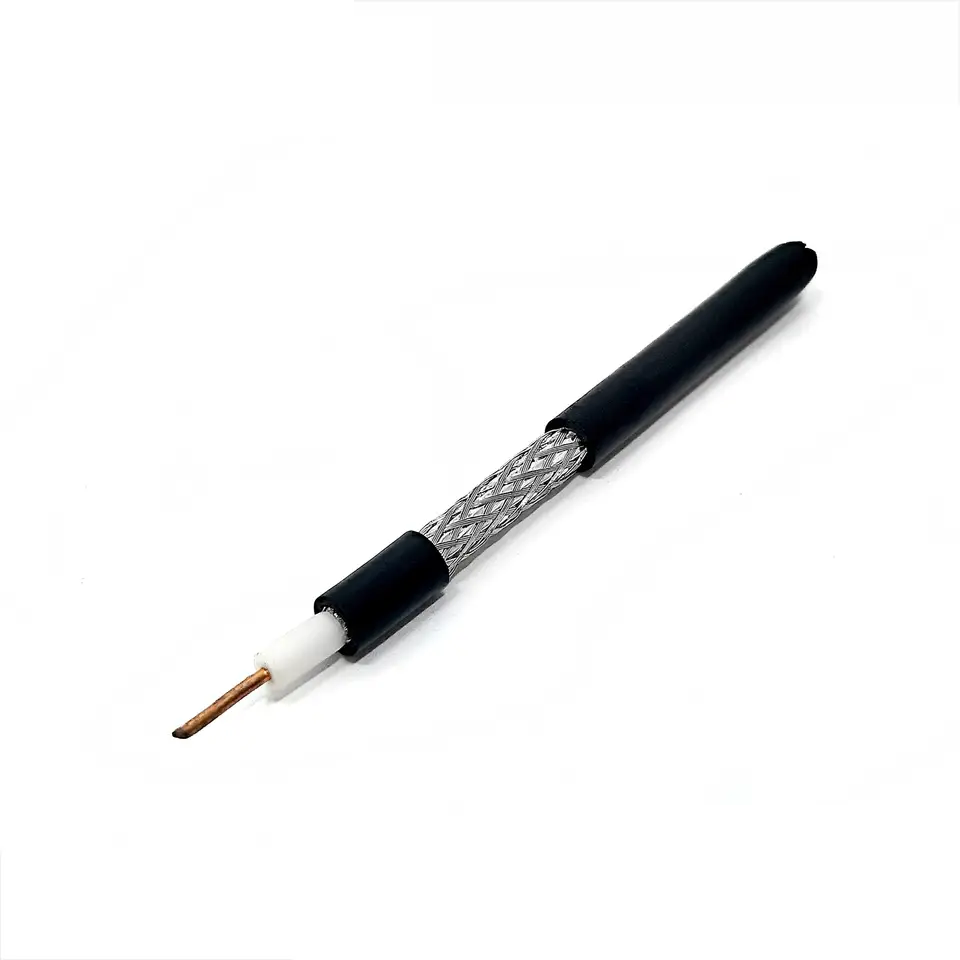
Diameter: Approximately 0.1 inches (2.54 millimeters)
Impedance: 50 ohms
Attenuation: varies with frequency, but usually higher than larger cables such as LMR-400
Application: LMR-100 is a thin and flexible cable suitable for short distance, low-power applications. It is often used in applications such as Wi Fi antennas, GPS devices, and small electronic products.
2. LMR-195
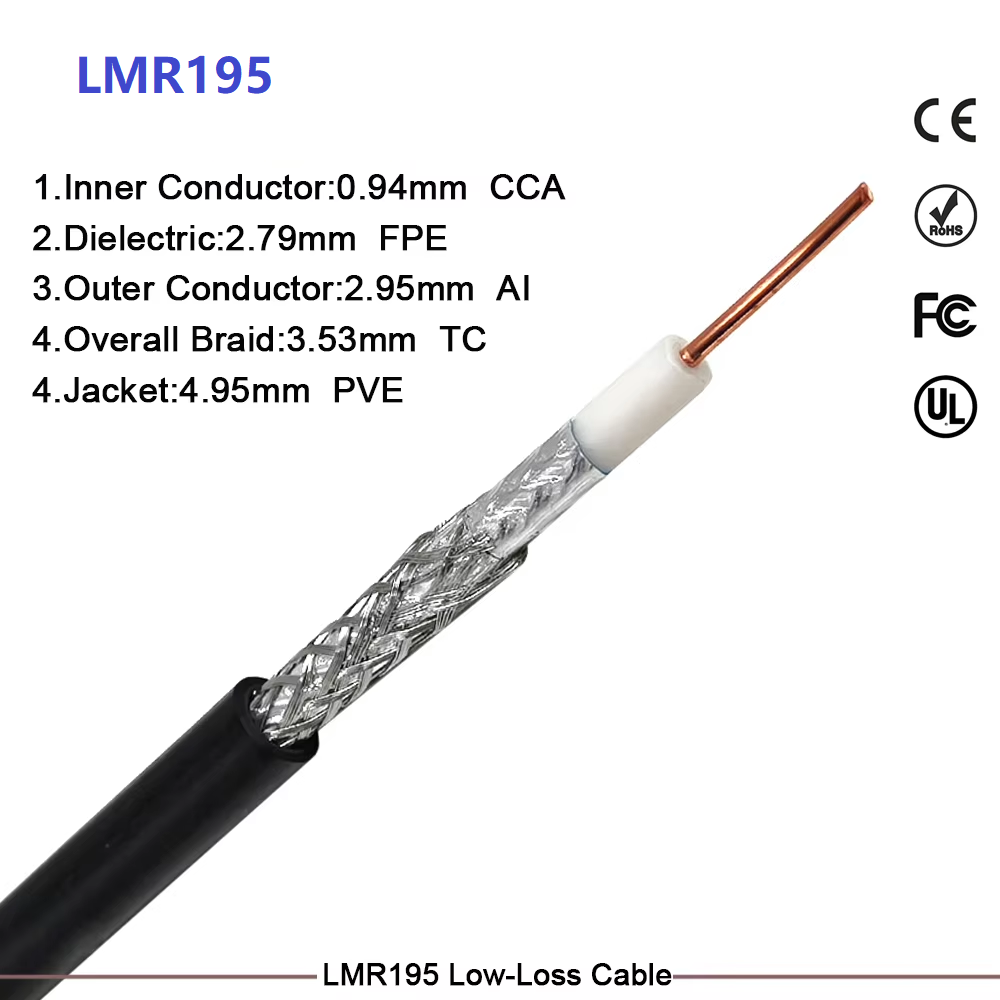
Diameter: Approximately 0.195 inches (4.95 millimeters)
Impedance: 50 ohms
Attenuation: Medium attenuation, suitable for laying cables of medium length
Application: LMR-195 is commonly used for short to medium range RF and wireless communication applications, including Wi Fi networks, cellular boosters, and RF testing equipment.
3. LMR-240
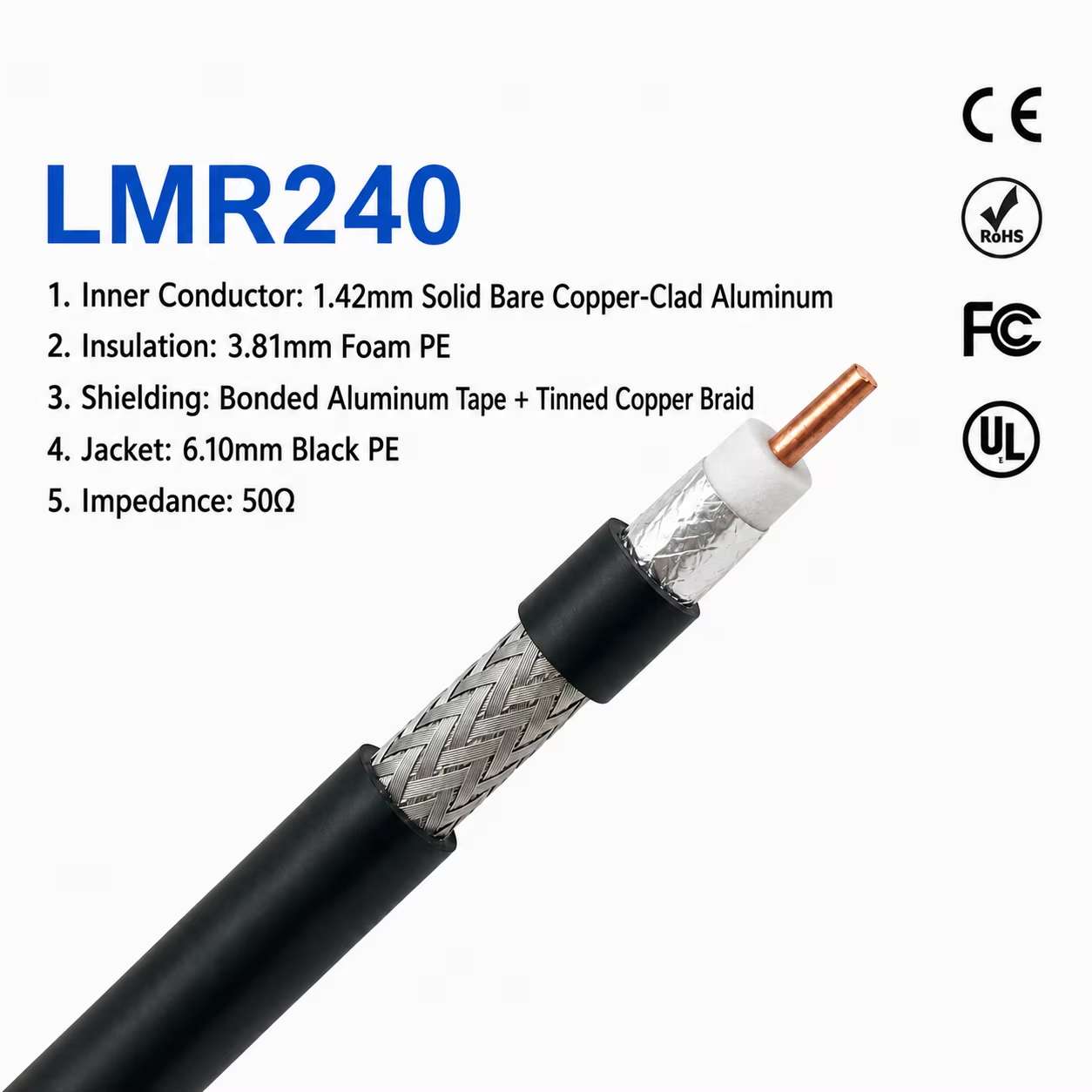
Diameter: Approximately 0.24 inches (6.1 millimeters)
Impedance: 50 ohms
Attenuation: Compared to LMR-195, it has lower attenuation and is suitable for longer cable laying
Application: LMR-240 is typically used for medium range RF communication links, wireless LANs, and other applications that require good signal integrity and moderate flexibility
4、LMR-400&LMR-400 Ultraflex
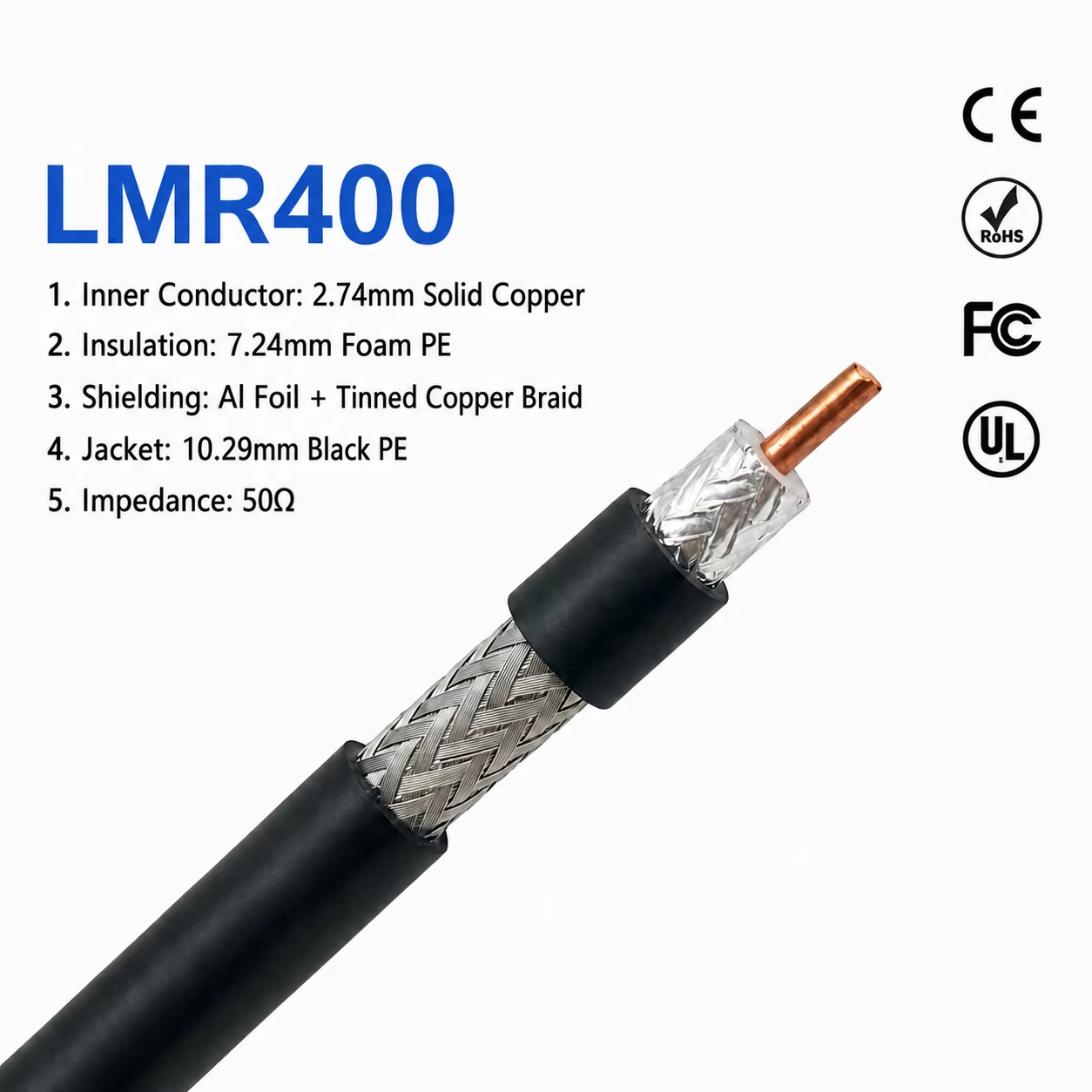
Diameter: Approximately 0.4 inches (10.3 millimeters)
Impedance: 50 ohms
Attenuation: Compared to LMR-240, it has lower attenuation and is suitable for longer cable laying and higher frequency applications
Flexibility: LMR-400 Ultraflex features a twisted center conductor and a thermoplastic elastomer (TPE) sheath to increase flexibility.
Application: LMR-400 is widely used in professional RF and wireless communication systems, including base station connections, satellite communication, and high-power RF transmission.
5.LMR-600
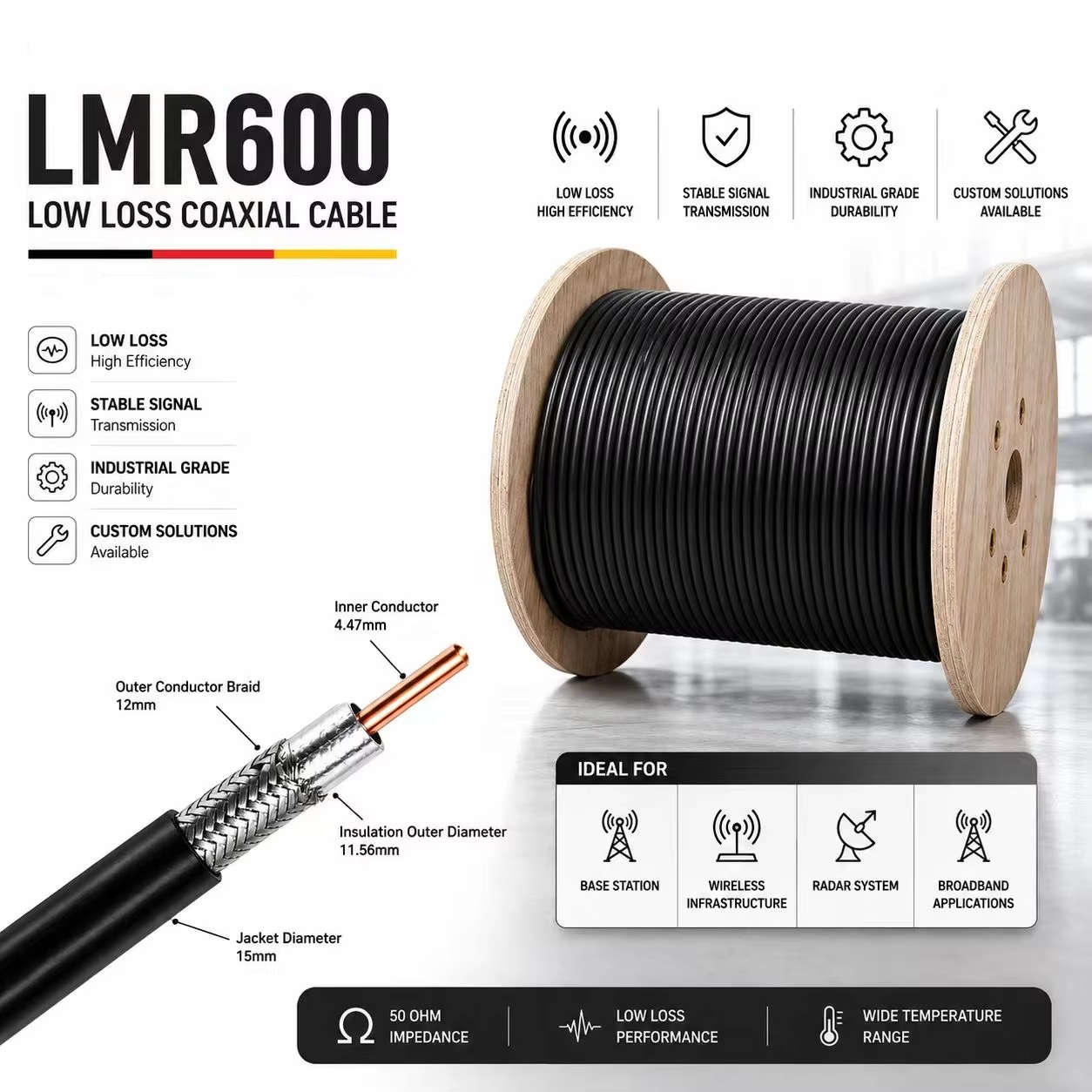
Diameter: Approximately 0.6 inches (15.24 millimeters)
Impedance: 50 ohms
Attenuation: Very low attenuation, suitable for long-distance, high-power applications
Application: LMR-600 is commonly used in high-power RF systems, large antennas, and long-distance point-to-point links.
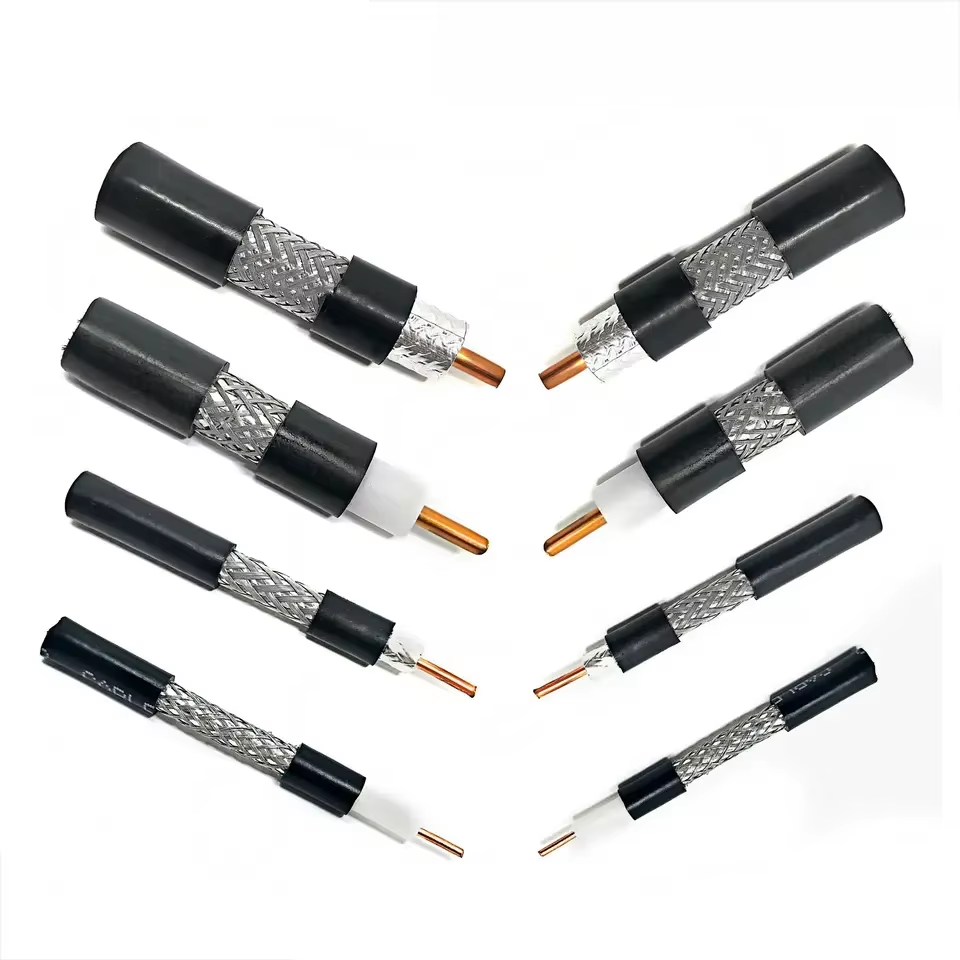
2026/09/25
Customize an rf high frequency cable for temperature, moisture, corrosion, vibration, flexing, and OEM validation needs.
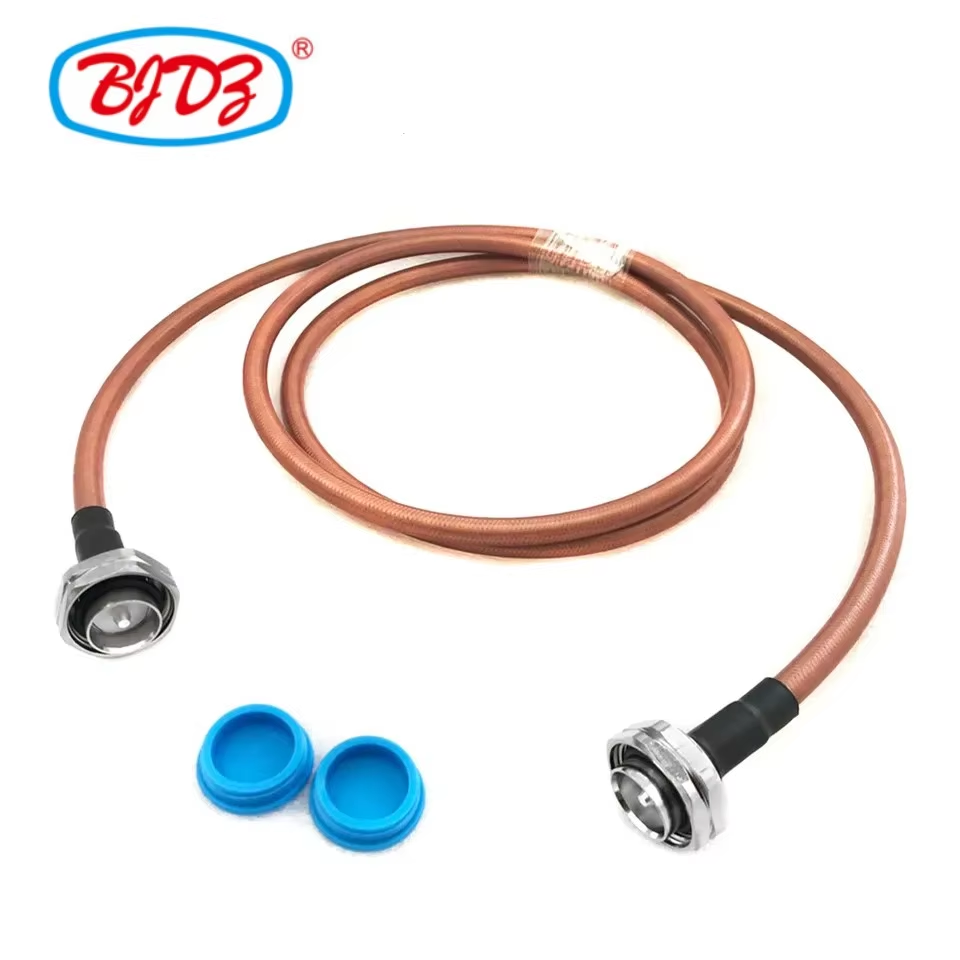
2026/09/25
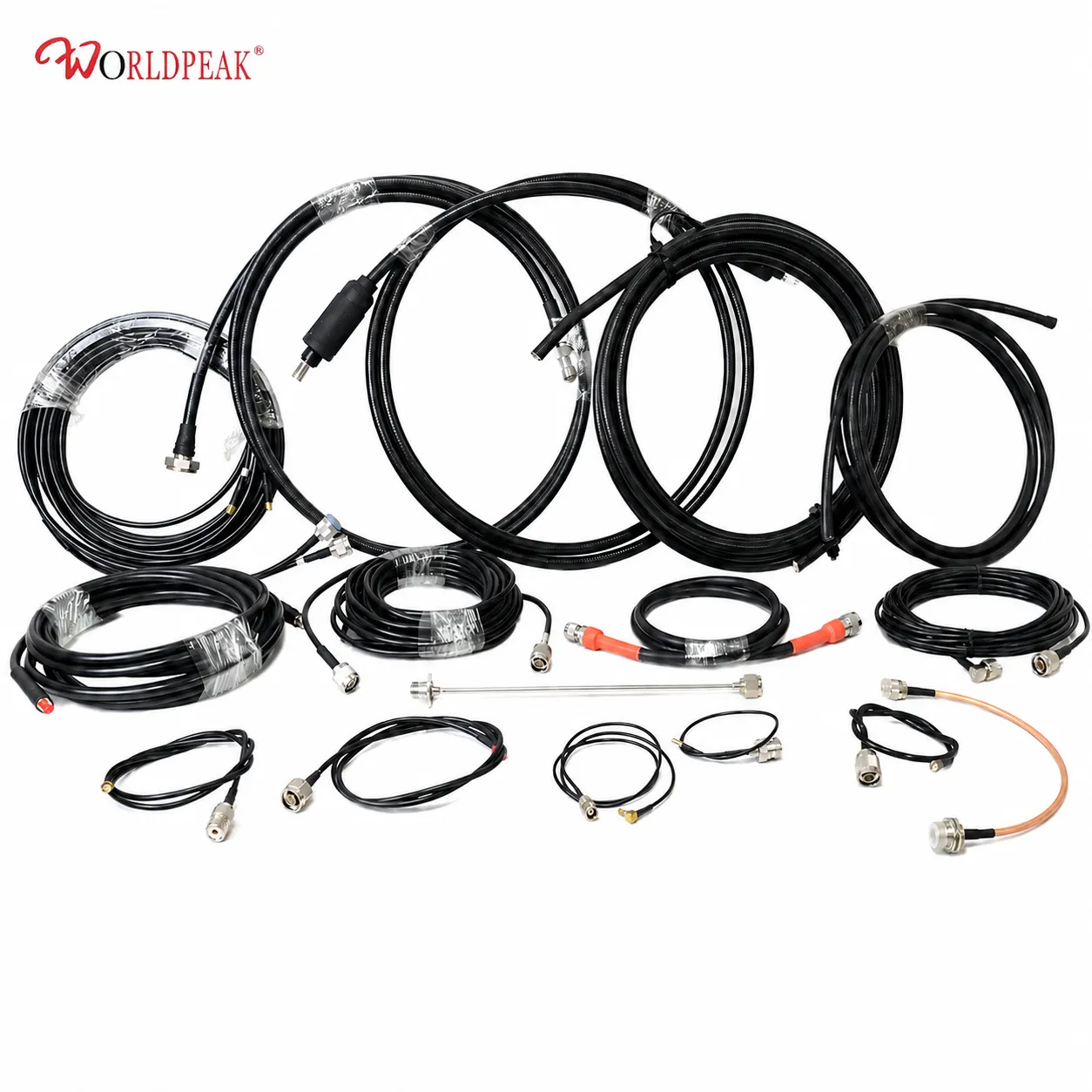
Streamline RF equipment assembly lines with custom coaxial jumpers. Reduce line-side rework, ensure precise routing, and boost production efficiency.
2026/09/25
Learn PL-259 connector selection, soldering, weatherproofing, and RF applications for dependable antenna feedlines.
2026/09/25
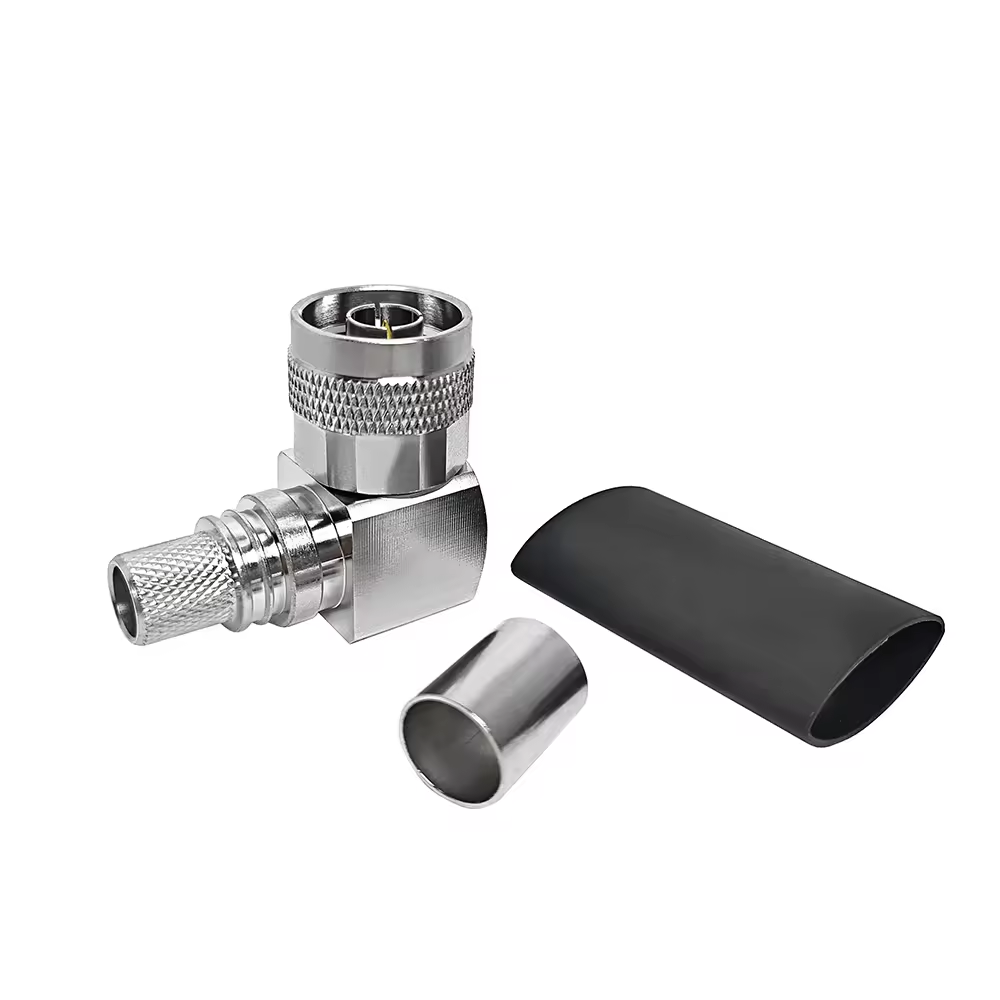
Confirm impedance for a 90 degree coax connector with an ODM test plan covering VNA setup, VSWR, acceptance criteria, and release records.
2026/09/25
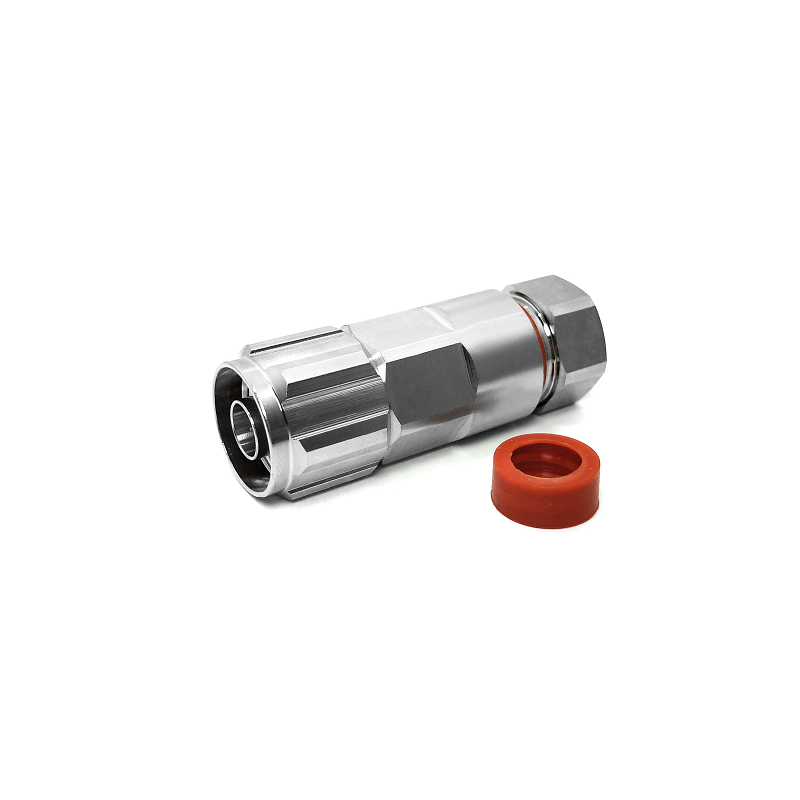
Learn when an n type coax connector can omit extra anti-corrosion treatment and when OEM exposure conditions require it.
2026/09/25
Learn how the custom cable and wire sample process helps ODM buyers validate design, testing, and production readiness.