EN
EN

Double-Shielded RG Cable: EMI Reduction Benefits
If you have ever chased down interference issues in a cable run only to find the problem was the cable itself, you already know that not all coaxial cables perform equally in noisy environments. The insertion loss figure on a datasheet is more of a lower bound than a field guarantee. Real-world EMI exposure from power lines, HVAC motors, or dense equipment racks regularly pushes single-shielded cables past their practical limit — that is where a double shield rg cable becomes the practical baseline rather than a premium option.
What Double Shielding Actually Changes
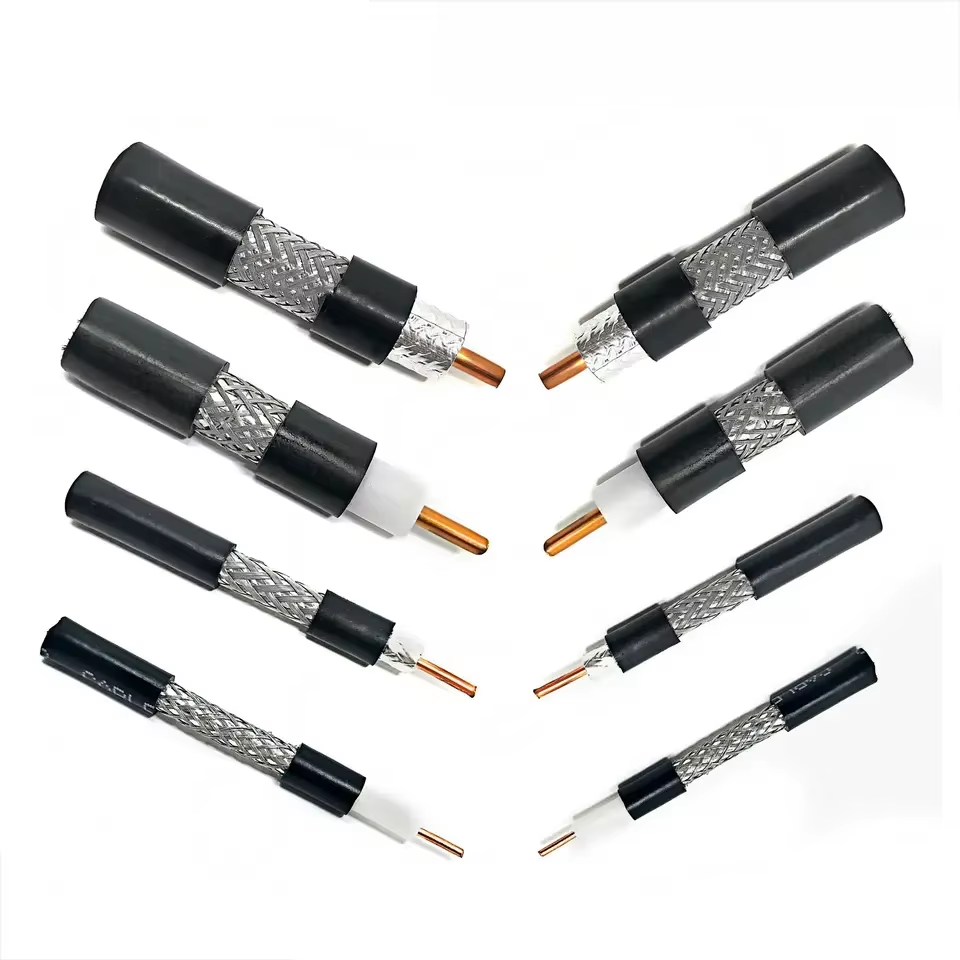
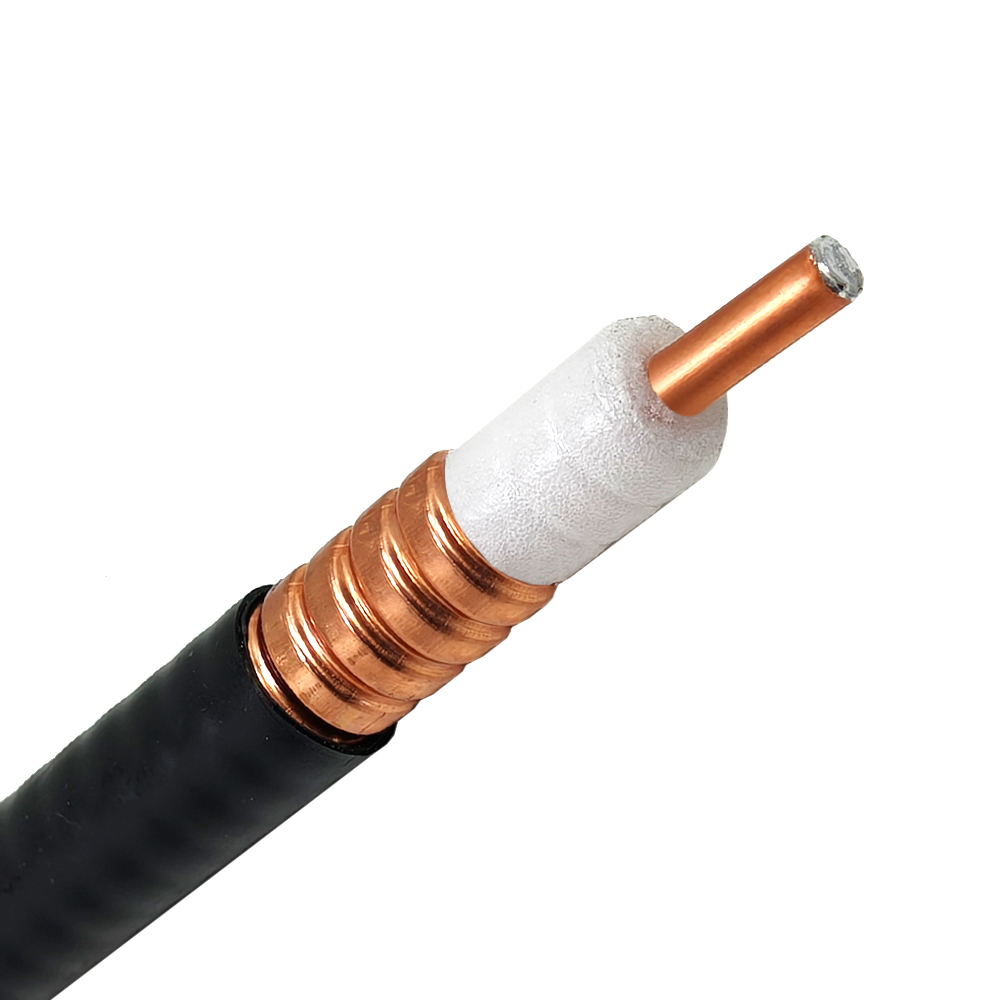
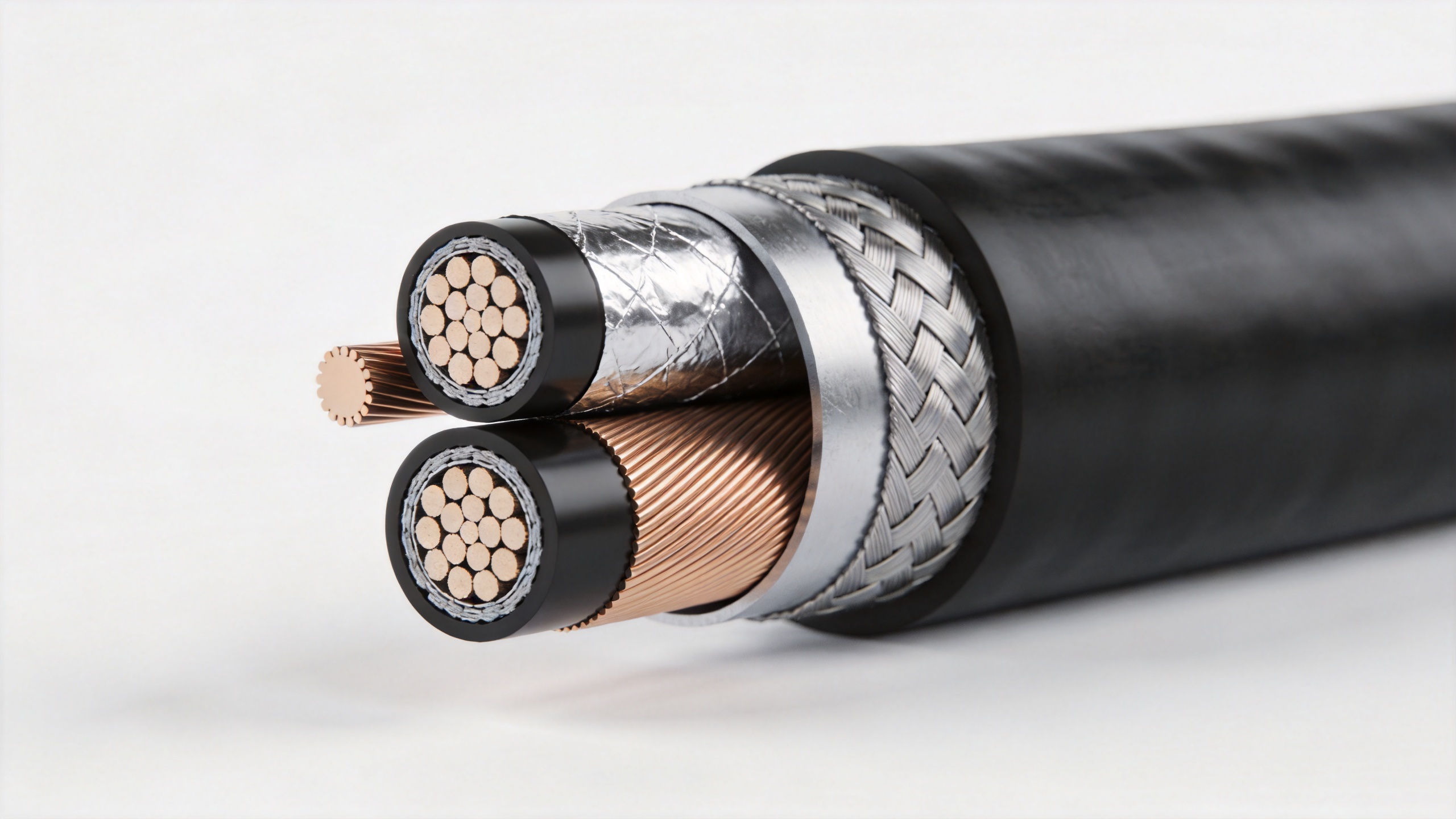
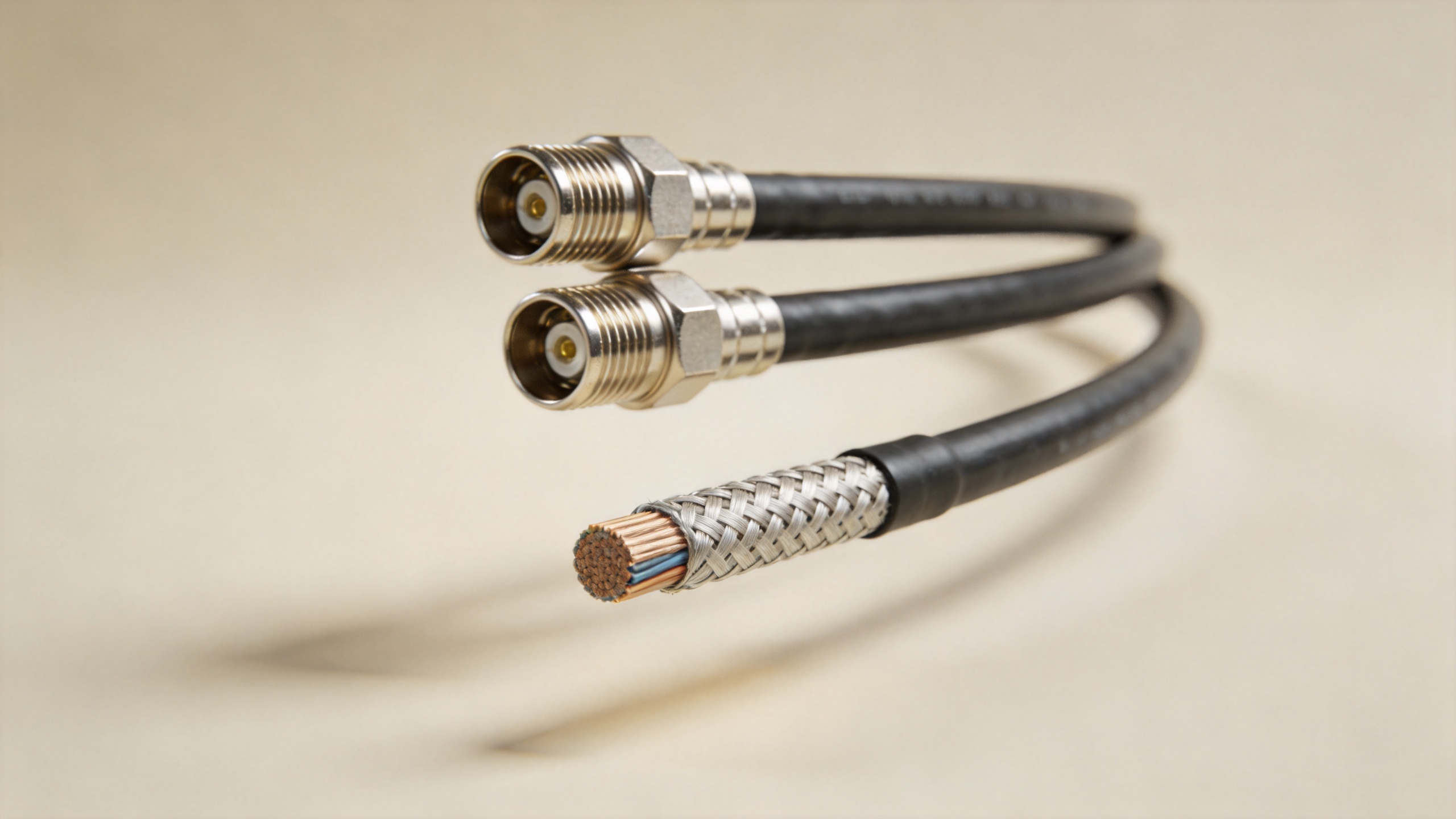
A standard single-braid RG cable provides roughly 40–45 dB of shielding effectiveness. A double shield rg cable using foil-plus-braid or dual-braid construction typically exceeds 85 dB, and quad-shield configurations push beyond 95 dB. The first shield layer intercepts radiated interference; the second addresses whatever the first misses. Foil layers provide near-100% coverage for higher-frequency interference, while braid layers add mechanical flexibility and low-resistance termination paths.
RG Series Double-Shielded Cable Models
RG6 Quad Shield — 75Ω Broadband and Satellite
The rg6 quad shield configuration — foil, braid, foil, braid — is the standard for CATV distribution, satellite receive systems, and digital antenna runs. The 18 AWG center conductor supports long in-building distribution, and the four-layer shield delivers 95–100 dB of shielding effectiveness. For riser-rated installations, UL listing and riser-fire-rating markings on the jacket are required before specifying for in-wall vertical runs.
RG 174 U — 50Ω Compact Cable for Lab and Portable Use
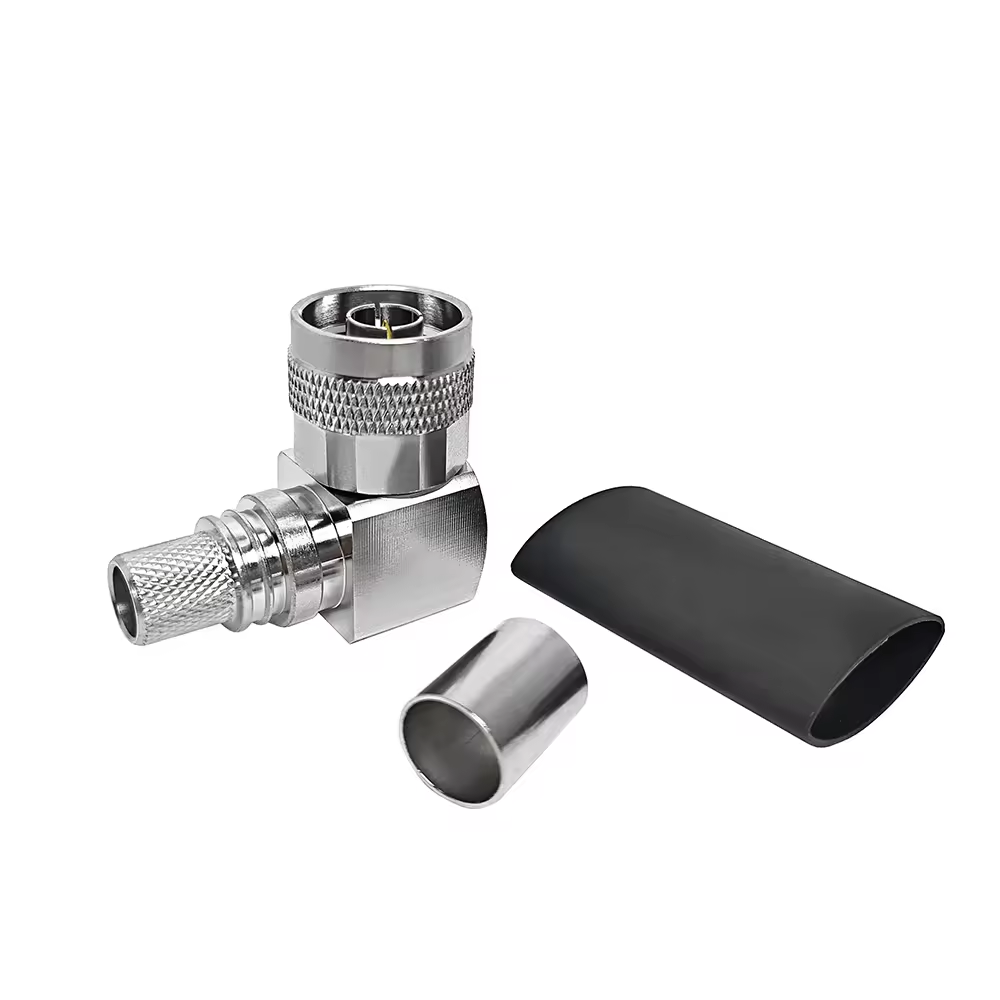
The rg 174 u is a 0.100-inch-diameter 50Ω cable for tight-routing applications: portable test instruments, handheld transceiver pigtails, and internal equipment wiring. Double-shielded RG174 variants with foil-plus-braid construction push shielding effectiveness past 80 dB while keeping the outer diameter under 0.115 inches. Connectors are typically SMA or MCX; verify that termination tooling matches the stripped conductor dimensions, which differ between single and double-shield variants.
RG 223 — 50Ω Dual-Shield Test and Military Cable
rg 223 uses two silver-plated copper braid layers over a solid polyethylene dielectric, originally for military and government communications. It delivers consistently low VSWR and shielding effectiveness suited for EMI-sensitive test setups. RG 223 uses the same BNC, SMA, and N-type connector interfaces as RG58, simplifying single-to-double-shield upgrades in existing installations.
RG316 Double Shield — 50Ω High-Frequency FEP Cable
For operation above 1 GHz or temperatures outside PVC jacket range, the double shield rg cable based on RG316 construction is the most commonly specified option. The FEP jacket handles -55°C to +200°C continuously; PTFE dielectric maintains stable performance across that range. Double-braid RG316-DS (M17/152-00001) exceeds 80 dB shielding effectiveness with usable frequency coverage to 3 GHz, suitable for aerospace, defense, and medical wiring where PVC is not permitted.
50Ω vs 75Ω Selection
Before selecting a double shield rg cable, confirm the system impedance. 75Ω is the standard for CATV, satellite, and digital antenna distribution — using 50Ω cable in a 75Ω system introduces an impedance discontinuity that degrades return loss at every mismatch point. 50Ω applies to RF communications, test equipment, and data radio; SMA, BNC, N-type, and TNC connectors in the RF industry are overwhelmingly 50Ω. Mixing impedances between cable and connectors is a reliability problem, not a configuration tradeoff.
Custom Fabrication Options
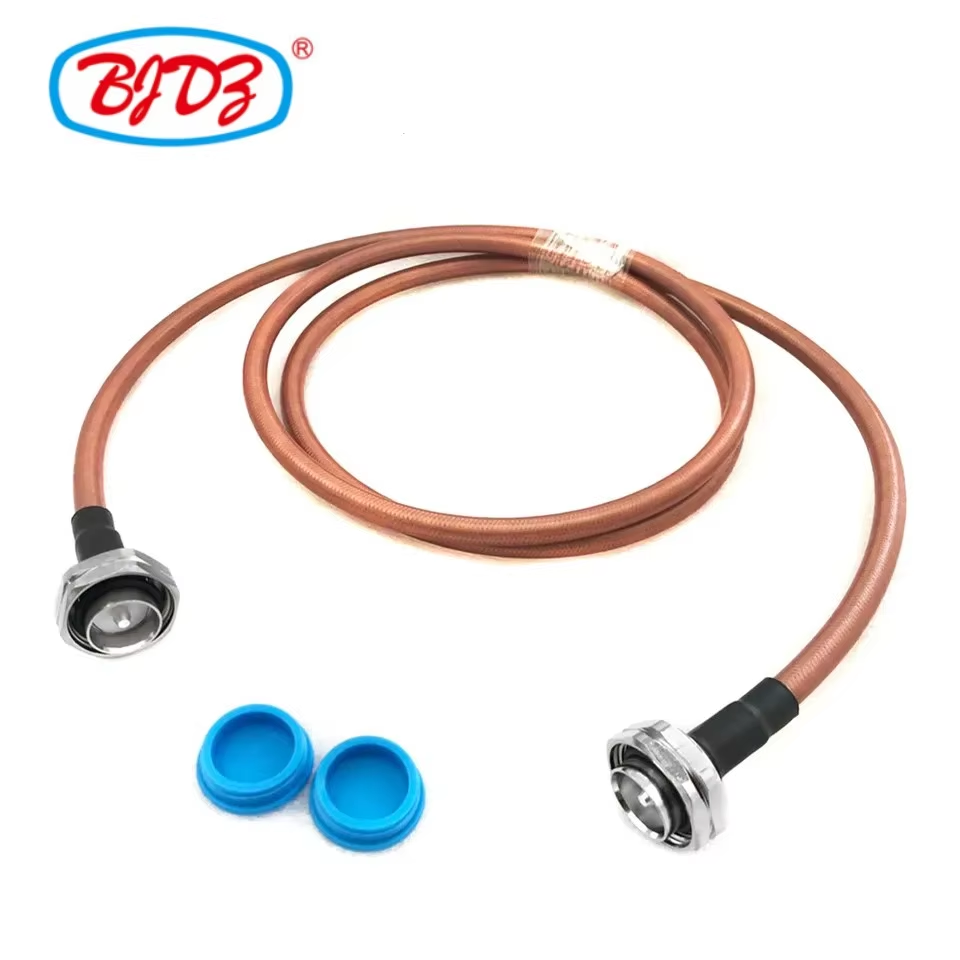
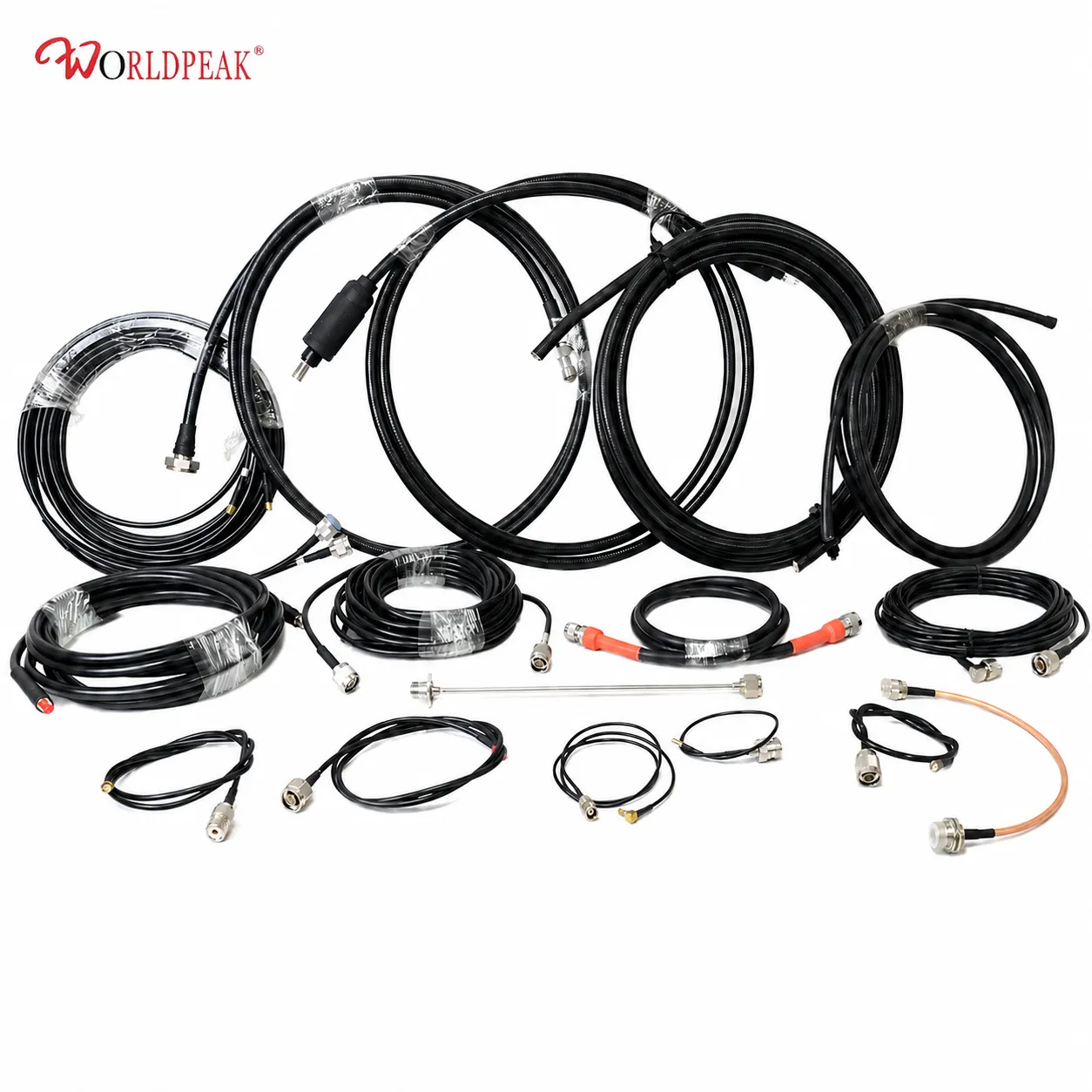
System integrators often need assemblies beyond standard spool cuts: exact routing lengths, mixed connector configurations, or outdoor-rated jackets for UV and temperature cycling exposure. Custom fabrication for double-shielded RG types also enables precise electrical length matching — important in phased array systems where length differences between branches produce measurable phase error. The Worldpeak RG405 pre-terminated cable assembly illustrates what a complete double-shielded assembly specification covers. For 50Ω applications requiring detailed parameter documentation, the Worldpeak RG196 engineering data guide provides technical selection support.
Installation Recommendations
Outdoor and Field Installation
Cable jacket damage visible only during installation is more common than incoming inspection records suggest. Double-shielded cables with a foil layer beneath the jacket are vulnerable to cracking when stored in cold conditions and pulled through conduit. Warm the spool before installation in sub-zero conditions, and use pull lubricant compatible with the jacket material. Weatherproofing must cover the full connector-to-jacket transition zone — moisture ingress at the outer shield-to-backshell junction is a common failure mode even when the connector body passes inspection.
Indoor Wiring and Rack Routing
Inside equipment racks, installation technique variability between crew members produces measurable performance differences. Minimum bend radius markings on double-shielded cables are hard specifications; kinking the outer braid disrupts shield geometry and can introduce localized impedance discontinuities. Where routes cross ground potential difference zones — between racks or buildings — a double shield rg cable with the outer shield grounded at one end (source end only) prevents ground loop noise from coupling onto the center conductor.
Summary
Selecting the right double shield rg cable requires matching three criteria: impedance (50Ω for RF and test, 75Ω for video and broadband), model (rg6 quad shield for 75Ω runs, rg 223 or RG316-DS for precision 50Ω work, rg 174 u for compact portable applications), and installation discipline (outdoor weatherproofing continuity, indoor bend radius compliance). Shielding effectiveness above 80 dB is achievable across all these model families when the correct construction is specified and both shield layers are properly terminated.