EN
EN

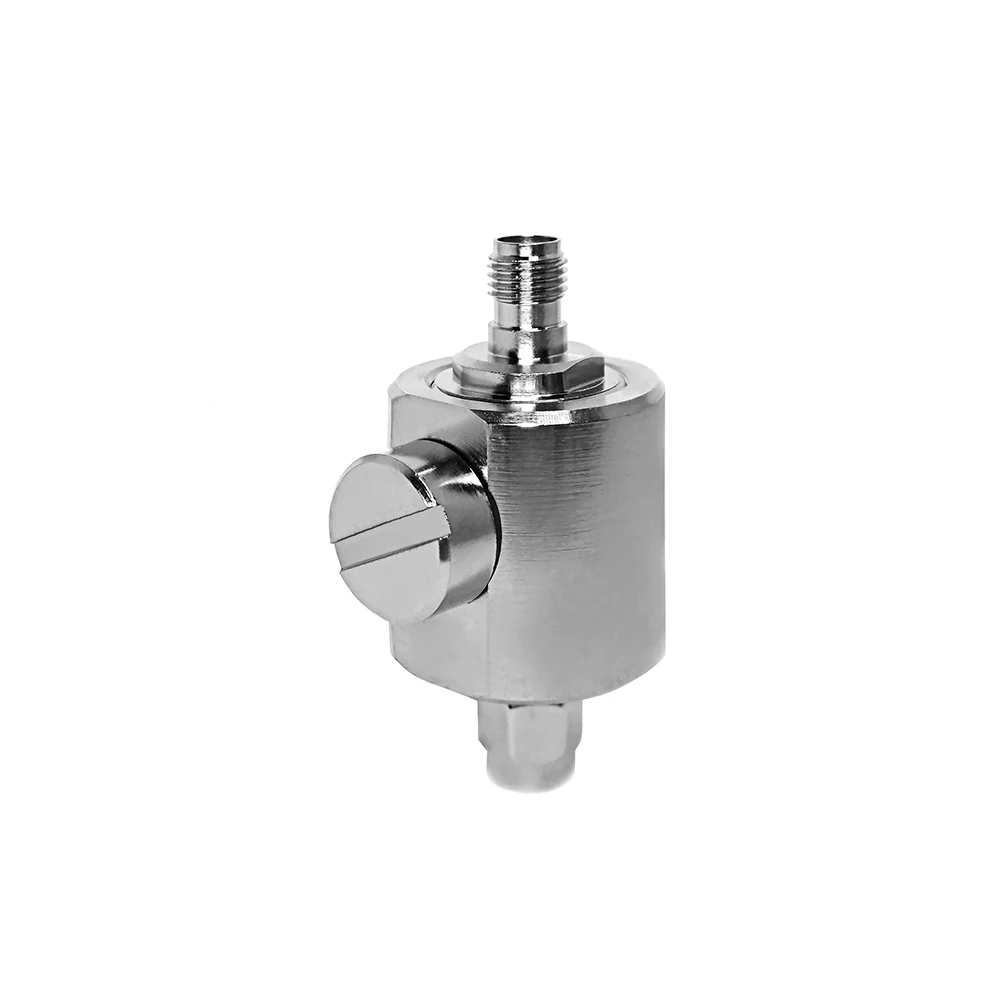
For original design manufacturing procurement teams, sourcing a specialized rf cable surge protector involves far more than picking a standard connector-bodied component off a store shelf. It represents a critical electrical interface linking a sensitive RF path, an outdoor earthing grid, and a high-volume manufacturing assembly line.
While a handcrafted bench prototype might pass visual checks in a laboratory, unverified design flaws can quickly lead to signal loss, loose thread tolerances, or missing compliance documentation once mass production begins. That is why rigid pre-production validation functions as a vital quality control layer rather than a casual administrative formality.
The pre-production validation workflow follows a structured progression:
-
Custom CAD & Spec Approval: Engineering drawings, electrical parameters, and material callouts are locked.
-
Golden Sample First-Article Build: First-article prototypes are produced using planned mass-production tooling.
-
Full-Spectrum VNA Sweeps & Surge Testing: Samples undergo rigorous RF pass-through checks and high-current surge simulation.
-
Freeze BOM & Lot Controls: Bill of materials, assembly SOPs, and batch tracking processes are permanently frozen.
-
Full-Scale ODM Batch Manufacturing: Mass production proceeds with established baseline quality controls.
This strict approach becomes even more essential when custom connector interfaces, specialized cable pigtails, weatherproof enclosures, or non-standard acceptance criteria enter the project scope. Sampling alone does not solve risk; the true goal is ensuring that the validated engineering sample perfectly mirrors the exact units arriving on site. Implementing an audited rf lightning arrestor validation protocol brings complete transparency to tooling, material sourcing, and plating decisions before assembly processes are permanently locked.
Mitigating Hidden Risks in ODM Manufacturing Workflows
Custom manufacturing introduces variable change points that off-the-shelf catalog parts rarely encounter. Custom plating thicknesses, modified thread pitches, localized cable assemblies, ground lug orientations, custom laser marking, and specialized packaging all impact final performance.
Even when basic connector dimensions remain unchanged, subtle variations in automated soldering, crimp sleeve pressure, or internal gas discharge tube placement can degrade shielding effectiveness and center-contact conductivity.
| Evaluation Parameter | Off-the-Shelf Catalog Units | Custom ODM Assembly Workflows |
| Interface Flexibility | Fixed Standard Interfaces | Custom Hybrid Connector Gender/Styles |
| RF Path Verification | Generic Family Datasheet | Real-Time VNA Sweeps on Exact Cable Runs |
| Surge Rating Baseline | Static Factory Standard | Application-Specific Surge Test Profiles |
| Component Traceability | General Lot Codes | Full Traceability for Plating, Cable & Tubes |
| Quality Validation | Periodic Batch Sampling | 100% First-Article & Pre-Shipment Inspection |
A structured pre-production testing routine transforms these potential failure points into actionable engineering checks. Procurement engineers can systematically evaluate first-article samples against signed assembly drawings, electrical loss targets, and international regulatory standards.
When qualifying an rf cable surge protector, evaluating RF transmission alongside transient protection characteristics prevents accepting parts that mate mechanically but create unwanted signal reflections in the field.
Establishing a Clear First-Article Acceptance Matrix
A signed, single-page acceptance matrix agreed upon by both engineering and procurement teams provides the firmest foundation for any project involving odm lightning arrester products. This matrix establishes clear part revision levels, exact mechanical interfaces, mounting accessories, testing parameters, and pass/fail thresholds.
Key elements of a comprehensive acceptance matrix include:
-
Configuration Control Rules: Mandates exact part numbers, engineering drawing revisions, connector gender combinations, plating specs, torque ratings, labels, and protective packaging.
-
RF Pass-Through Verification: Defines the required operating frequency spectrum, maximum allowable insertion loss, minimum return loss, and precise VNA calibration steps.
-
Surge Handling Verification: Specifies voltage spark-over limits, impulse discharge currents, grounding strap configurations, and standard-compliant testing methods.
-
Mechanical & Environmental Fit: Checks thread engagement, crimp pull strength, weather sealing gaskets, and visual plating workmanship.
-
Quality Traceability Protocols: Outlines lot tracking numbers, test report formats, calibration records, and non-conforming material procedures.
Transforming vague promises into measurable specifications gives suppliers an exact manufacturing target and provides buyers with a reliable standard for incoming inspections.
Preventing Signal Penalties with Advanced RF Sweeps
Because an rf cable surge protector operates directly inside an active transmission line, thorough pre production rf testing must verify signal throughput under realistic operating conditions. While low insertion loss and stable VSWR are standard requirements, test reports should reflect the actual connector interface and cable length being shipped rather than generic factory curves.
This step is critical when custom builds involve short cable leads, right-angle connectors, or inter-series adapters. Even well-designed surge components can exhibit unexpected impedance spikes when combined with non-standard cable geometry.
Verifying that test fixtures mirror delivered configurations and ensuring that calibration data matches current drawing revisions eliminates unpleasant surprises during final system integration.
Aligning Surge Protection Limits with Field Exposure
Surge protection needs vary across installation environments. Outdoor telecom towers, rooftop IoT base stations, high-exposure broadcast sites, and sensitive laboratory test benches face vastly different lightning energy profiles and grounding paths. Validation protocols for an rf lightning arrestor should evaluate real-world operating boundaries rather than relying on unverified claims of total lightning immunity.
Different field boundaries demand tailored protective criteria:
-
Rooftop Base Stations: High direct-strike risk requiring heavy impulse current handling (10kA+).
-
Outdoor Telecom Enclosures: Susceptible to indirect induced surges and fast transient spikes.
-
Industrial Control Centers: Exposed to ground potential rise and industrial switching surges.
-
Laboratory Test Benches: Requires ultra-low residual voltage pass-through to protect sensitive front-end receivers.
Testing standards such as IEC 61643-21 provide clear baseline guidelines for surge protective devices in telecommunications networks. However, standard compliance alone does not guarantee performance in highly customized setups. Requesting comprehensive impulse spark-over reports, residual voltage figures, and multi-strike endurance data ensures the selected design matches real-world environmental stress.
Guaranteeing Batch Consistency Through Lot Traceability
A pre-production sample is only as valuable as its connection to subsequent manufacturing runs. Establishing clear lot-level traceability connects validated raw materials, connector bodies, gas discharge tubes, and assembly instructions directly to the final production lot.
Building a reliable supply chain requires clear procedures for handling component substitutions, such as alternative center pins or revised cable jacketing. Establishing mandatory engineering change notification (ECN) workflows and requiring lot-traceable test documentation prevents unapproved material changes from compromising finished custom surge protection manufacturing runs.
Essential Checklist for Procurement and Engineering Teams
-
Lock Engineering Drawings: Formally approve complete dimensional prints, material specifications, and revision numbers before ordering samples.
-
Define Frequency-Specific RF Limits: Establish clear insertion loss and return loss limits across the full operational bandwidth.
-
Set Precise Surge Testing Standards: Document impulse current levels, maximum clamping voltages, and grounding requirements matching the field application.
-
Audit First-Article Test Reports: Confirm that test records identify specific sample serial numbers, calibrated instruments, and clear pass results.
-
Establish Lot-Level Re-Testing Protocols: Agree on which RF and mechanical checks must be repeated for every production batch.
-
Archive Reference Samples: Retain approved golden samples to serve as visual and electrical baselines for future incoming quality audits.
Streamlining ODM Sourcing with Proven Manufacturing Controls
Integrating pre-production testing into procurement workflows turns custom surge protection sourcing into a predictable, repeatable process. Validating mechanical fit, RF efficiency, and surge capacity before full-scale manufacturing minimizes engineering rework and keeps project timelines on schedule.
To support demanding wireless infrastructure projects, WORLDPEAK offers comprehensive OEM and ODM manufacturing services for high-frequency coaxial surge protectors, precision connectors, and custom cable assemblies. By utilizing automated cable stripping, automated torque assembly, and automated VNA sweep testing on finished lots, high-reliability RF components are delivered with complete lot traceability and verified performance for critical communication networks globally.