EN
EN

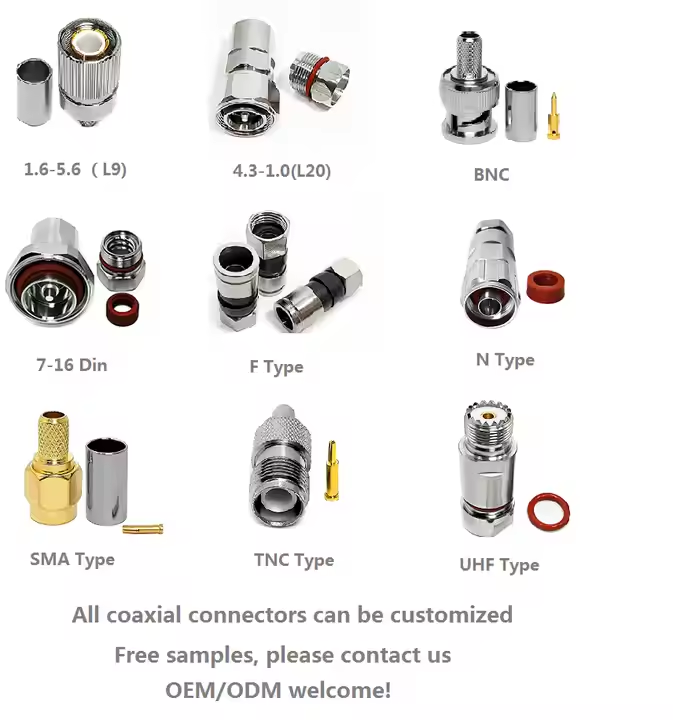
Matching two threaded coaxial ends involves much more than finding physical connections that screw together tightly. An RF adapter acts as an essential bridge across different mechanical interfaces, frequency bands, and power levels. Choosing the wrong component introduces unwanted insertion loss, impedance mismatches, or sudden field failures.
Whether an engineering team needs a 7 16 din male to n female adapter for high-power broadcast feeders or an n male to sma female adapter for compact radio testing, following a systematic selection process ensures long-term signal integrity and easy equipment maintenance.
Mapping Interface Families and Gender Configurations
RF connectors are built around specific mechanical standards and impedance parameters. Never assume two different interface series share the same performance limits simply because both feature outer coupling nuts.
Before issuing a hardware requisition, map out the exact connector series and gender present on both sides of the junction:
-
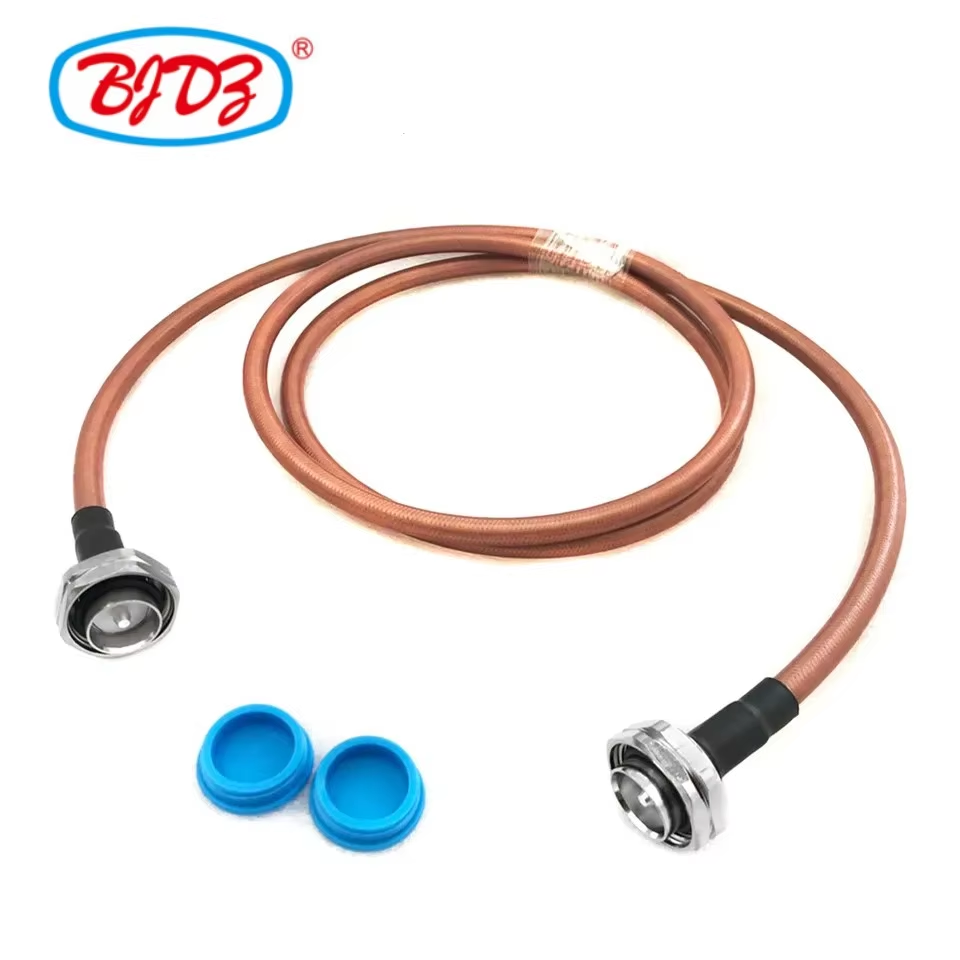
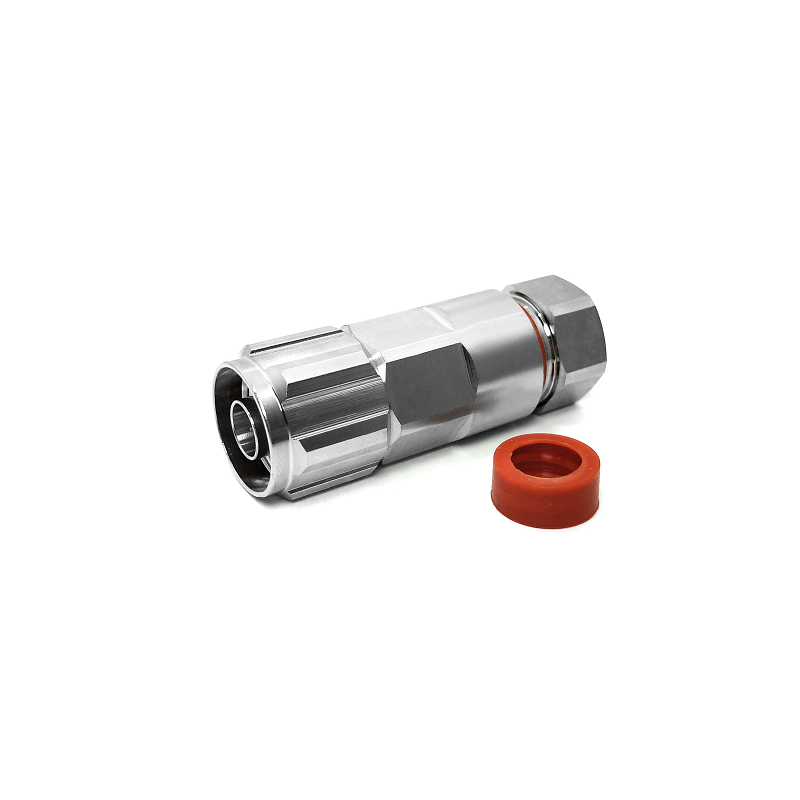
Feeder to Radio Interfaces: Heavy-duty equipment often transitions from large 7/16 DIN feeder ports down to medium-sized N-type ports using a 7 16 din male to n female adapter.
-
Radio to Test Instrument Interfaces: Transitioning from medium-sized N-type radio hardware to delicate SMA test ports frequently requires an n female to sma male adapter or an sma female to n male adapter.
-
Gender Alignment: Verify pin configurations rather than judging housing shape alone. A plug housing typically carries internal threads, while a jack housing features external threads.
Always cross-reference engineering drawings against equipment ports instead of relying on informal verbal shorthand during procurement.
Key Categories of RF Adapters to Compare
Interface Conversion Adapters
Between-series adapters connect distinct connector families. Components like a 7 16 din male to n female adapter or an n male to sma female adapter belong to this core group. Because these hardware pieces bridge different shell diameters and pin sizes, engineers must verify frequency ratings across the combined signal path before deployment.
Gender Changing Adapters
Same-series gender changers resolve plug-to-plug or jack-to-jack mismatches without switching connector series. While gender changers solve quick field setup issues, stacking multiple adapters together increases total insertion loss and introduces extra mechanical weak points into the signal line.
Bulkhead and Panel Mount Pass Throughs
Panel-mount adapters feature flat mounting surfaces, locking nuts, and weather seals to pass RF signals through enclosure walls safely. A standard free-hanging inline adapter should never replace a dedicated panel-mount jack because it cannot support structural cable strain or maintain IP-rated environmental seals.
Right Angle Configurations
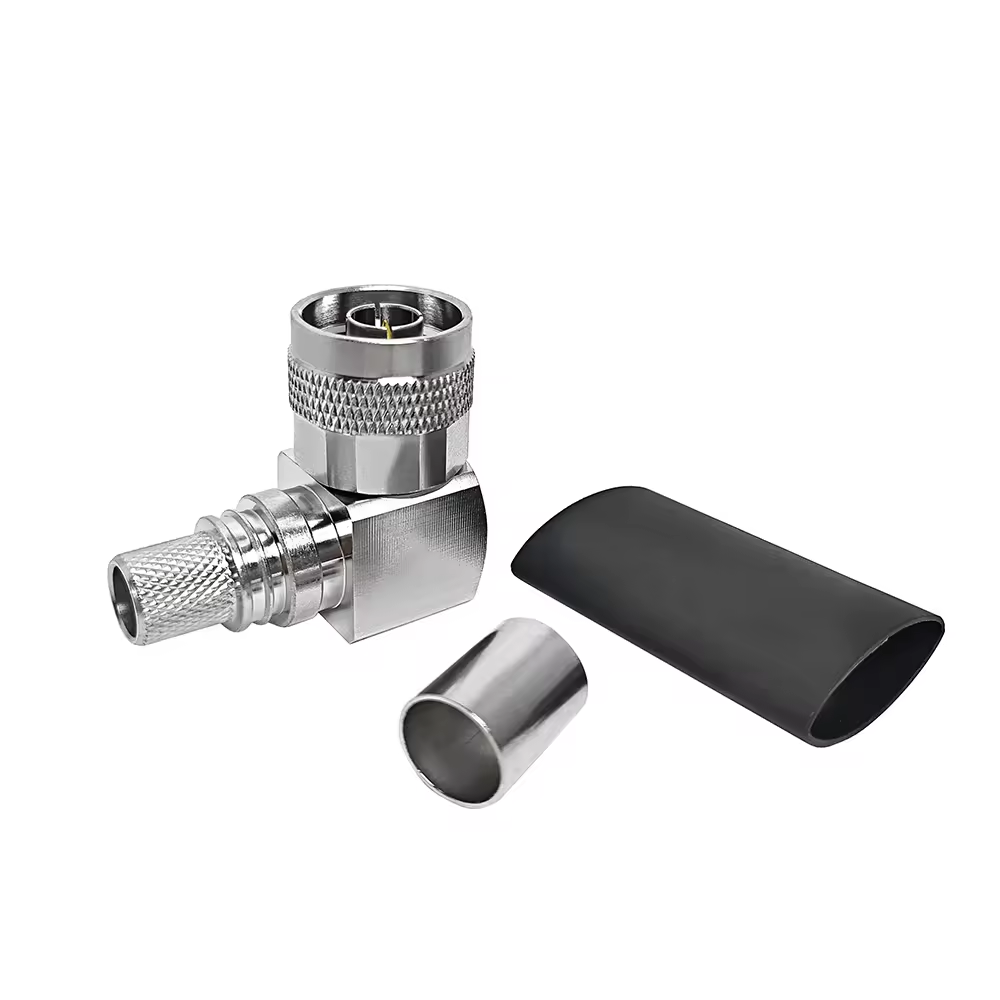
Angled adapters solve tight bend radius issues behind crowded equipment racks, antenna enclosures, and vehicle dashboards. However, internal right-angle bends create minor impedance changes at higher frequencies. Always review insertion loss and return loss specifications for the exact angled model rather than assuming straight adapter values apply.
Low PIM and Precision Grade Adapters
Low Passive Intermodulation (PIM) adapters are required for multi-carrier cellular sites and high-power broadcast towers where non-linear distortion disrupts receiver sensitivity. Test laboratory environments also rely on precision-grade adapters with strict dimensional tolerances to maintain measurement accuracy across repeated connection cycles.
Ruggedized and High Power Hardware
Outdoor installations demand heavy-duty plating, weather-resistant O-rings, and broad temperature tolerances. High-power RF lines must utilize specialized hardware rated specifically for elevated continuous power levels and surge protection requirements.
Test Bench and Lab Measurement Adapters
Lab environments subject RF hardware to hundreds of connection cycles. Using dedicated "saver" adapters protects expensive analyzer ports from wear, ensuring test setups stay reliable over extended measurement campaigns.
Crucial Selection Criteria Before Purchasing
Selecting the ideal interconnect component requires evaluating several core technical factors beyond physical dimensions:
-
Frequency Range Match: Verify that the adapter supports the full operating frequency of the system. An adapter rated for DC to 3 GHz will degrade performance if placed in a 6 GHz Wi-Fi or cellular signal path.
-
Impedance Consistency: Most wireless and RF communication systems run on 50 Ohms. Inserting a 75-Ohm broadcast part into a 50-Ohm line creates signal reflection and degrades overall system efficiency.
-
Mechanical Torque and Alignment: Always align center pins straight before threading coupling nuts. Using a calibrated torque wrench prevents overtightening, which warps gold-plated center pins and cracks internal dielectrics.
Proper Maintenance Practices for Extended Service Life
Maintaining reliable RF connections requires clean operational habits during installation and routine servicing:
-
Clean Thread Inspection: Regularly check coupling threads for metal shavings, dirt, or moisture. Clean surfaces using lint-free swabs and approved electronic contact cleaners.
-
Proper Wrench Handling: Hold the adapter body stationary with a flat wrench while tightening the coupling nut with a secondary torque tool. This prevents twisting the attached coaxial cable.
-
Controlled Disconnection: Power down active RF transmitters before disconnecting live signal lines to avoid dangerous arc discharges and pin pitting.
Streamlining RF Supply Chains with Industry Hardware
Sourcing high-frequency hardware requires working with manufacturing partners who combine precision machining with reliable global delivery schedules. Inconsistent pin tolerances or poor surface plating lead to field failures that cost time and compromise network uptime.
Worldpeak provides engineered RF connectors, coaxial adapters, and custom cable assemblies to support wireless infrastructure, industrial telemetry, and broadcast applications worldwide. With advanced automated production lines and strict quality control protocols, Worldpeak delivers dependable interconnect hardware that meets stringent performance standards.
Whether your current build requires a bulk shipment of a 7 16 din male to n female adapter, specialized sma female to n male adapter stock, or custom panel-mount configurations, Worldpeak offers complete supply chain solutions designed to keep technical projects moving forward on schedule.
Frequently Asked Questions
What is the main difference between 7/16 DIN and N-type connectors?
The 7/16 DIN interface features a larger threaded housing designed for high-power handling and superior PIM performance on cellular base station feeders. N-type connectors are smaller, highly versatile, and widely used across medium-power radios, Wi-Fi hardware, and test instruments.
Why do signal losses occur when using adapters?
Every mechanical connection creates a slight discontinuity in the coaxial transmission line. Small pin alignment shifts, dielectric boundaries, and contact resistance each contribute a small amount of signal attenuation, usually between 0.1 dB and 0.3 dB per interface transition.
How do I select between an SMA adapter and an N-type adapter?
Match the adapter choice directly to your hardware interface and frequency needs. N-type ports handle higher power and offer stronger weather sealing for outdoor setups, while SMA connectors suit compact internal board layouts, handheld devices, and benchtop testing tools.