EN
EN

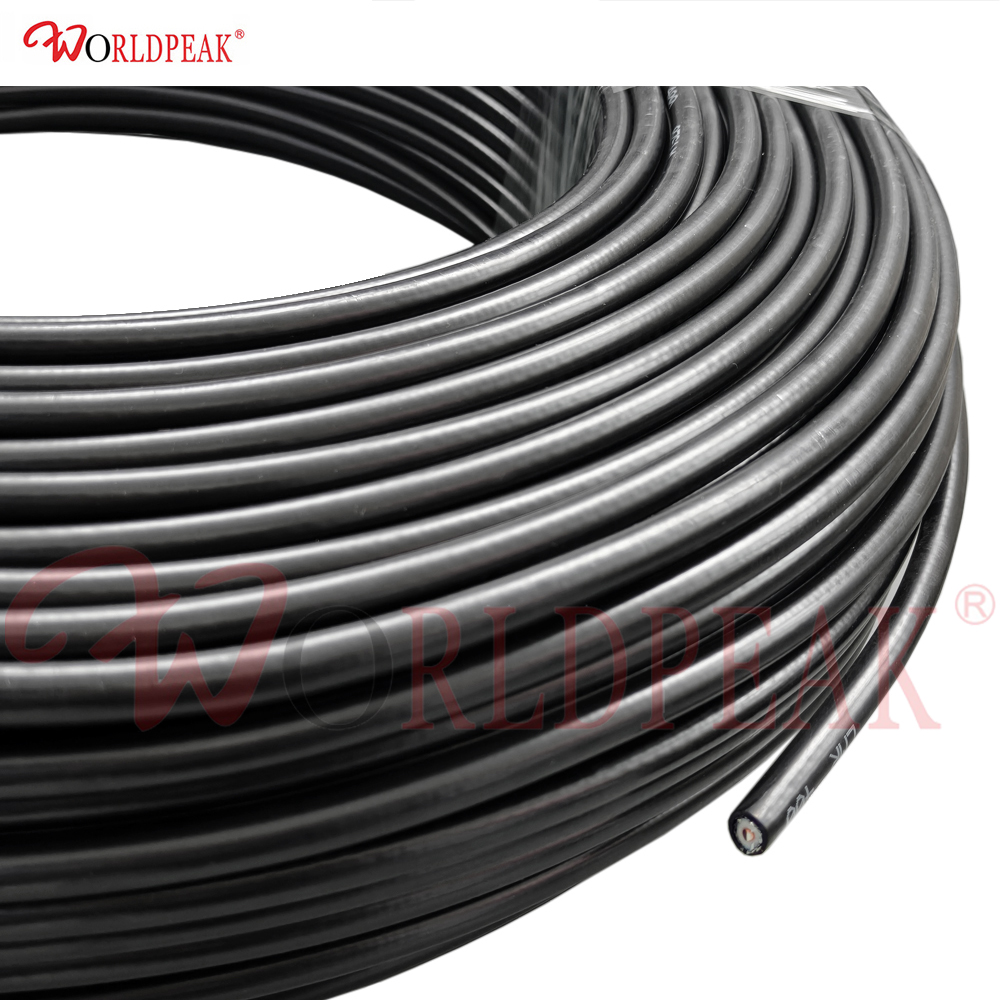
RF Coaxial Jumper: Pre-Made vs Custom-Built
Every RF system relies on short coaxial runs to bridge the gap between major components. That short piece of cable—the RF coaxial jumper—connects antennas to filters, LNA outputs to combiners, and signal generators to test equipment. The decision between a pre-made RF coaxial jumper and a custom-built assembly affects both signal integrity and procurement cost more than most engineers initially expect.
I used to assume that any standard-length jumper would work equally well across a base station antenna port, a DAS patch panel, and a bench-top measurement setup. That assumption stopped holding up when system-level insertion loss reviews started pointing back at the RF coaxial jumper itself, particularly on runs above 1 GHz where cable core choice turns a negligible loss into a measurable link budget issue.
Why Jumper Specs Matter at Short Lengths
An RF coaxial jumper typically runs 0.5 to 3 meters. At those distances, engineers sometimes treat loss as negligible. At 2.4 GHz or 3.5 GHz, however, a 1-meter RF coaxial jumper built on RG58 introduces a noticeably different loss budget than one built on LMR-400. Loss compounds when multiple jumpers are in the same signal path—particularly relevant if a high-power RF connector is also in that chain.
Cable Core Types: RG58, RG8X, and LMR400
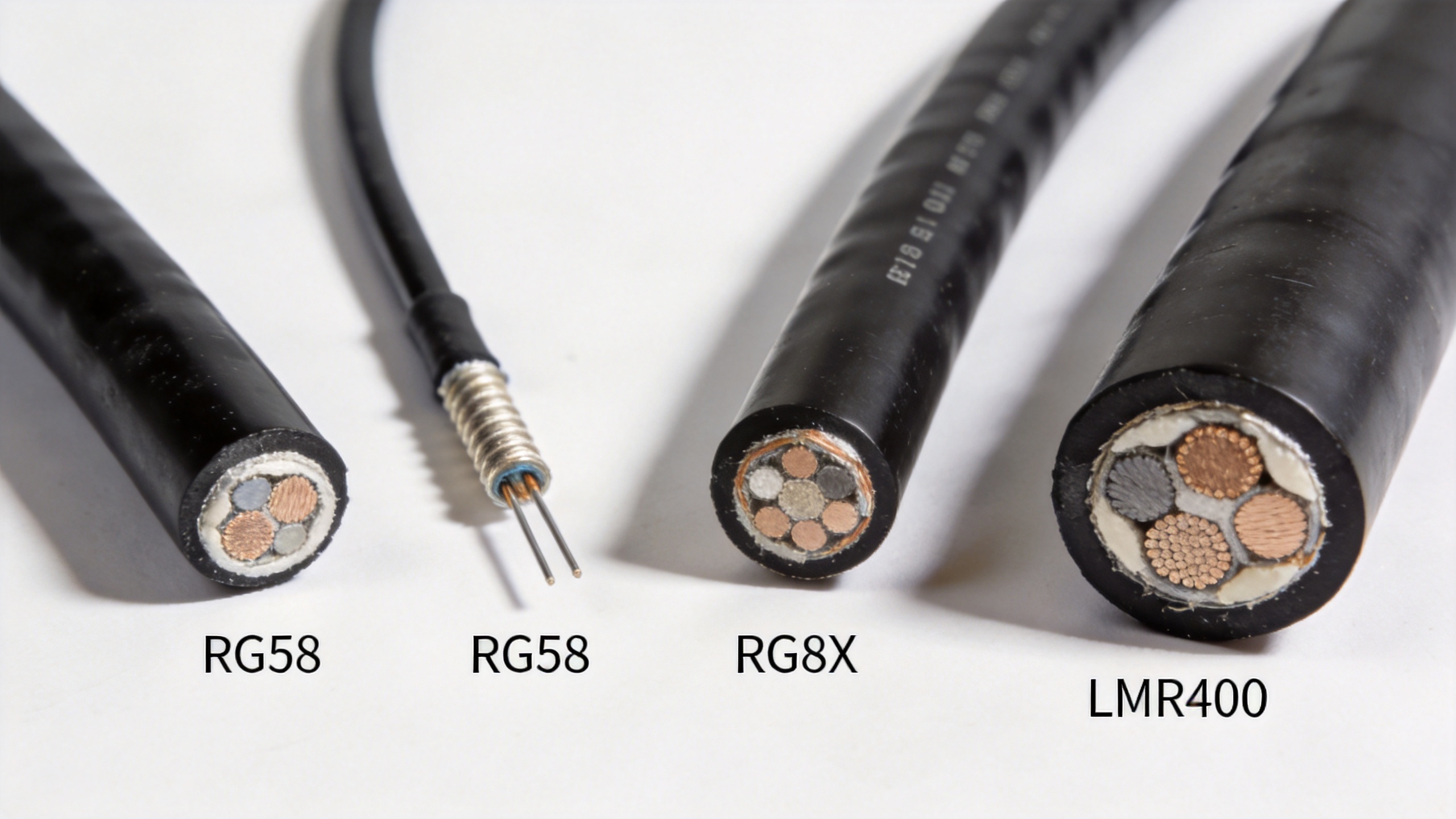
RG58
RG58 is the legacy option: widely available, flexible, and inexpensive. For low-power, low-frequency RF coaxial jumper applications—VHF monitoring or DC to 100 MHz test feeds—it performs adequately. Above 500 MHz, insertion loss per unit length climbs faster than LMR-series alternatives. If your system operates in the 700 MHz to 6 GHz range, RG58 is the wrong core for anything but the shortest runs.
RG8X (Mini-8)
RG8X occupies a middle position: smaller diameter than LMR-400, better loss than RG58, and enough flexibility for tight-routing installations. At 440 MHz, a 10-foot RG8X RF coaxial jumper loses roughly 0.8 dB—acceptable in many applications, but not for high-gain antenna feeds or multi-hop DAS paths. It's a reasonable choice when physical routing requires tight bends and runs stay under 2 meters at frequencies below 1 GHz.
LMR-400
LMR-400 handles the majority of base station RF coaxial jumper applications. Signal loss using LMR-series cable is approximately 35–60% lower than RG8X depending on frequency and run length—a difference that matters on antenna-to-RRU feeder connections and DAS trunk runs. The tradeoff is minimum bend radius: LMR-400 requires approximately 25 mm minimum bend, more than RG58 or RG8X. Worldpeak's LMR400 Low-Loss 50 Ohm Coaxial Cable is suited to base station, mast, and rack installations where loss minimization is primary.
For applications requiring impedance consistency and phase stability—precision measurement setups, phase-matched antenna array feeds—consider RG196-type cable. Worldpeak's RG196 50-Ohm Coaxial Cable serves that performance tier.
Pre-Made RF Coaxial Jumpers
A pre-made RF coaxial jumper is the right choice when:
- You need standard lengths (0.5 m, 1 m, 2 m) with common connector types.
- Lead time is the constraint—stock assemblies ship immediately or within days.
- Volume is low (under 20–50 units), where custom fabrication setup cost exceeds per-unit savings.
- A stock-specification RF coaxial jumper meets the loss budget without requiring custom cable or jacket.
Pre-made does not mean low-quality. A properly assembled RF coaxial jumper with insertion loss and VSWR test verification will outperform a poorly fabricated custom assembly. The question is whether the stock configuration matches the application requirement.
Custom-Built RF Coaxial Jumpers: OEM Options and Lead Times
Custom-built RF coaxial jumper assemblies are warranted when the standard configuration doesn't fit:
- Non-standard length required to eliminate service loops.
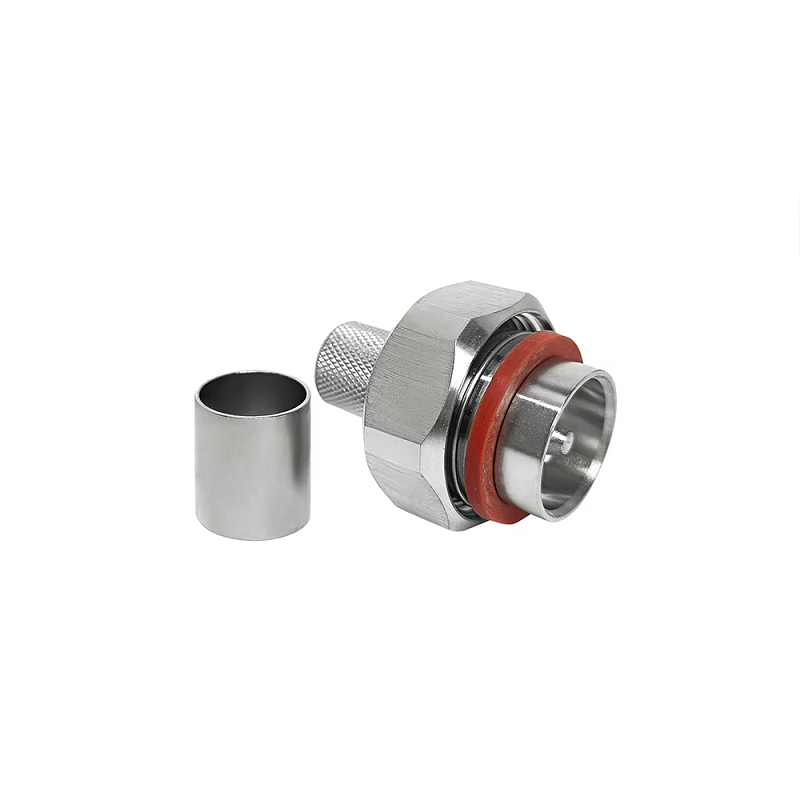
- Mixed connector combination (for example, 7/16 DIN female to N-male transition).
- Specific jacket for UV, oil, or chemical resistance in harsh-environment deployments.
- High-volume production run requiring per-assembly test documentation for OEM integration.
Standard custom RF coaxial jumper configurations—specific length, common connectors, standard cable—typically have a production lead time of 2–4 weeks. Configurations requiring special materials or non-catalog connectors can run 3–6 weeks. Small-batch orders of 10–50 assemblies often move faster when the manufacturer maintains in-house cable and connector stock.
Worldpeak supports both small-batch prototype fabrication and production-volume custom RF coaxial jumper assemblies. Each assembly includes pre-shipment insertion loss and VSWR verification, with test data in shipping documentation for buyers who require incoming inspection evidence.
Installation: Bending, Torque, and Weatherproofing
Minimum Bend Radius
Exceeding the minimum bend radius of an RF coaxial jumper compresses or distorts the dielectric, changing the characteristic impedance locally and introducing reflections. LMR-400 requires approximately 25 mm minimum bend radius; RG58 and RG8X allow tighter routing at 12–16 mm. Avoid bending semi-rigid cable types by hand; use a coaxial cable bending tool to prevent outer conductor deformation.
Connector Torque
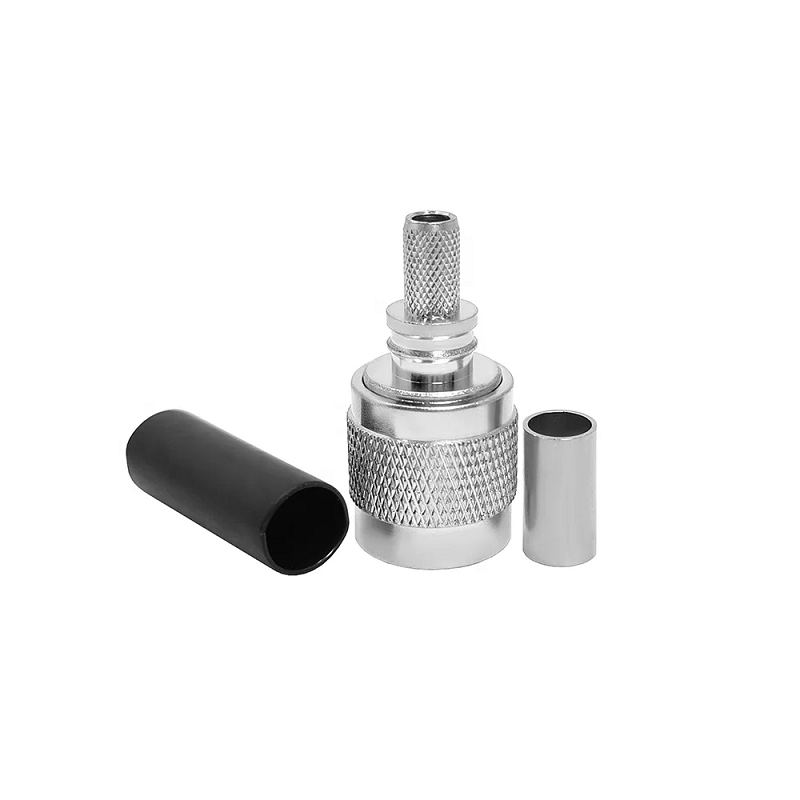
Hand-tightening SMA or N-type connectors on an RF coaxial jumper remains one of the most common field installation mistakes. Under-torqued connections develop elevated contact resistance and VSWR within months. SMA connectors require 3–5 in-lb (0.34–0.56 Nm); N-type connections require 12–15 in-lb. Use a calibrated torque wrench on every connection.
Weatherproofing
Outdoor RF coaxial jumper connections at antenna ports are among the most common locations for moisture ingress failures. For retrofit installations without factory weatherproofing, apply self-amalgamating tape starting from the cable body and overlapping onto the connector body, working upward against water flow direction. Properly sealed RF coaxial jumper connections prevent the VSWR drift and corrosion that typically appear after the first rainy season.
Choosing Between Pre-Made and Custom
Three questions guide the decision:
- Does a standard configuration match your connector types and length? If yes, a pre-made RF coaxial jumper is typically the faster and more economical choice.
- Does your frequency plan allow the standard cable core? For systems above 1 GHz on longer runs, verify that an LMR-400-based RF coaxial jumper meets the loss budget before assuming any stock assembly will work.
- Do you need per-assembly test documentation or non-standard materials? If yes, a custom-built RF coaxial jumper from a manufacturer with in-line testing is the appropriate path.
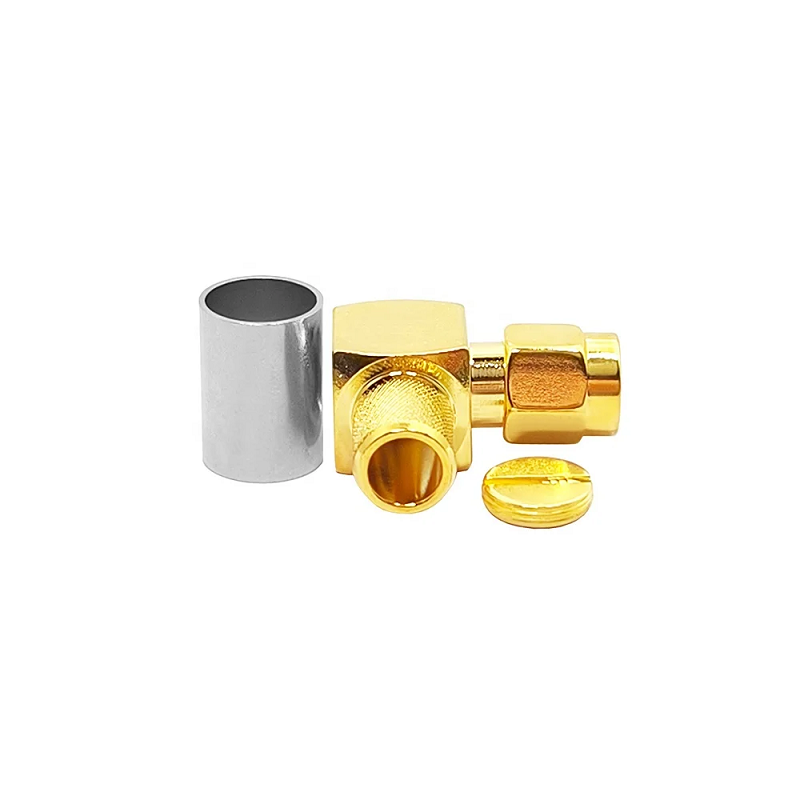
The rf sma connector family is the most common interface type for RF coaxial jumper applications in the 0–18 GHz range—laboratory bench setups, small cell installations, DAS patch panels. A variable rf attenuator or rf power divider in the same signal chain places specific impedance-matching requirements on adjacent jumpers; selecting a cable core that maintains consistent 50-ohm characteristic across the operating frequency range is not optional in those configurations.