EN

EN
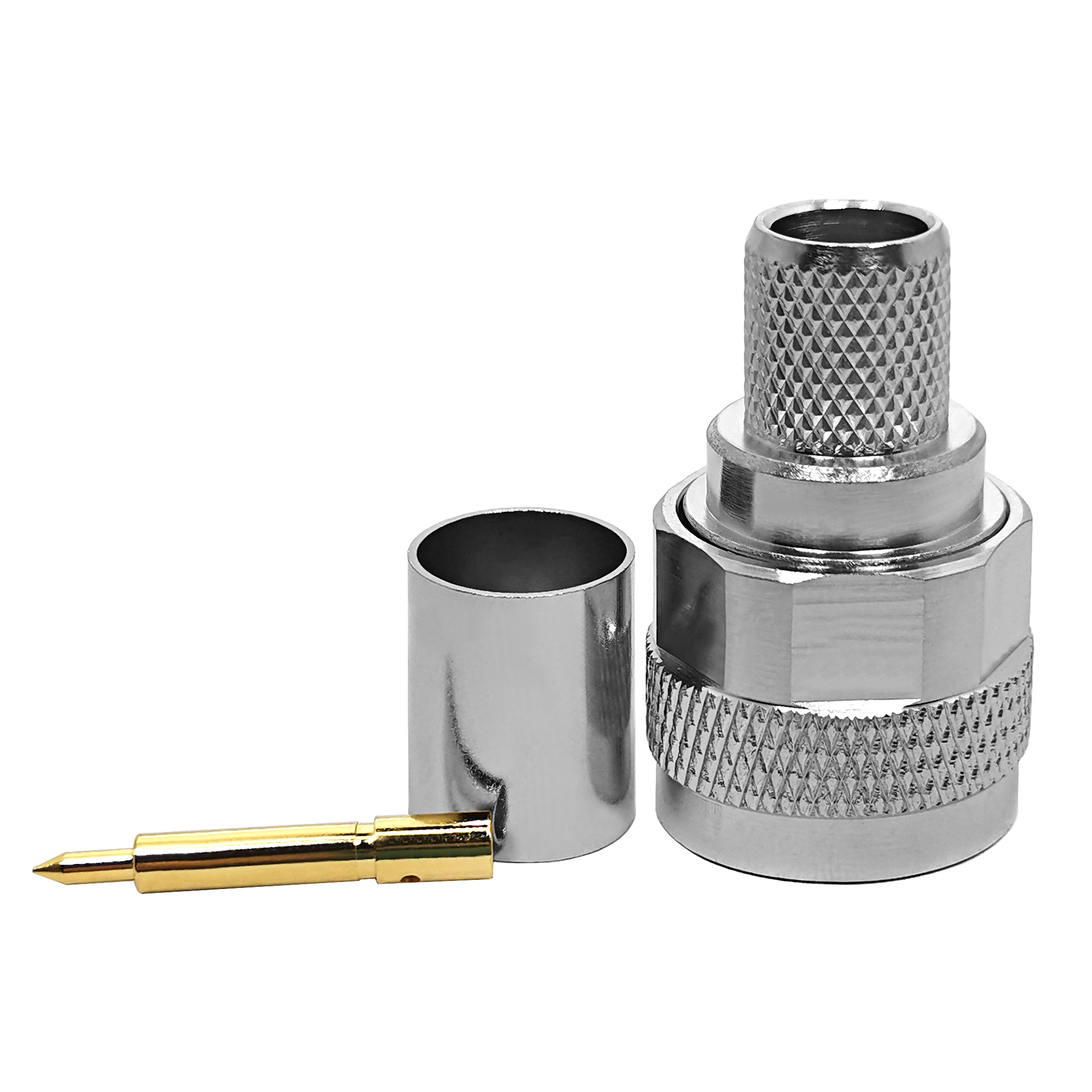
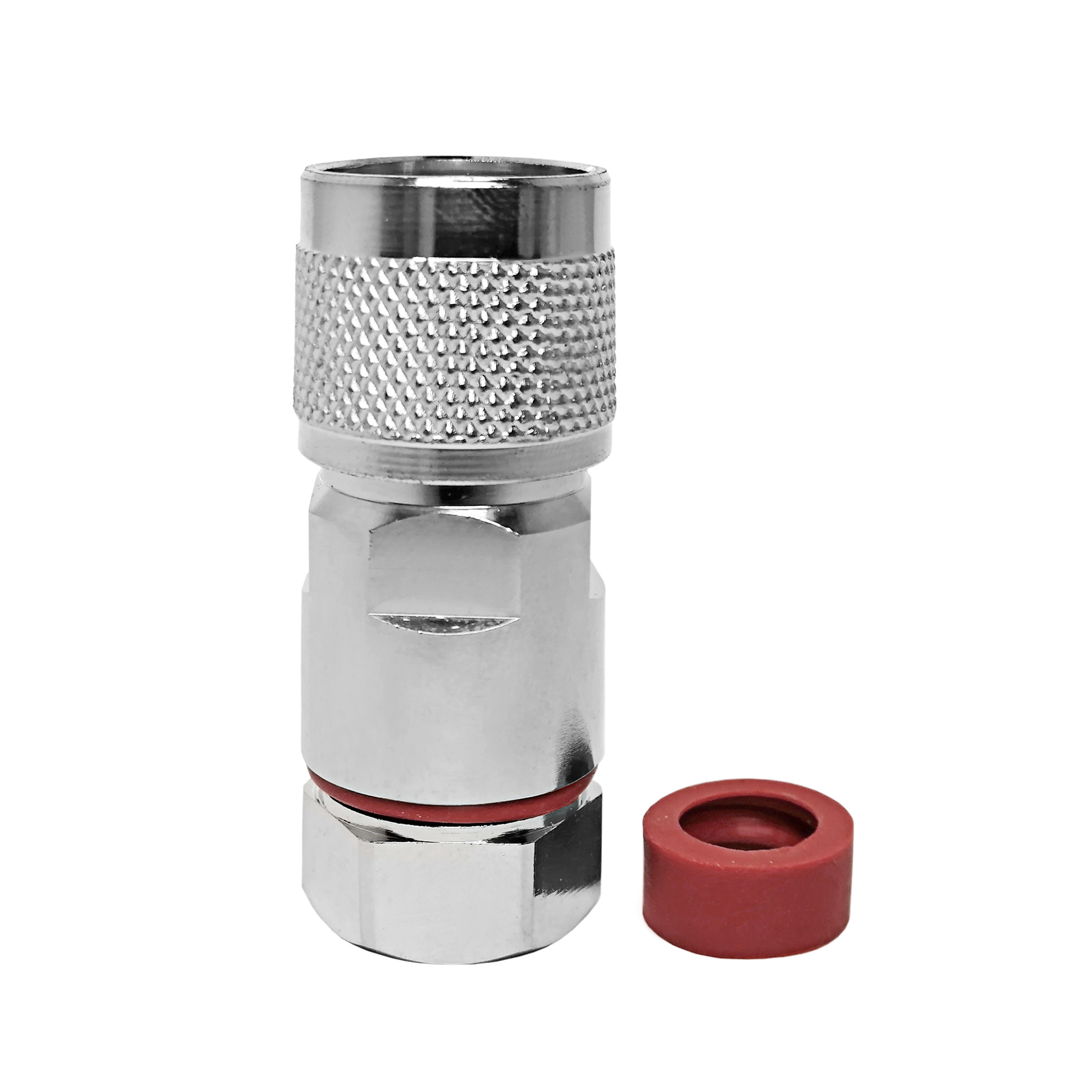
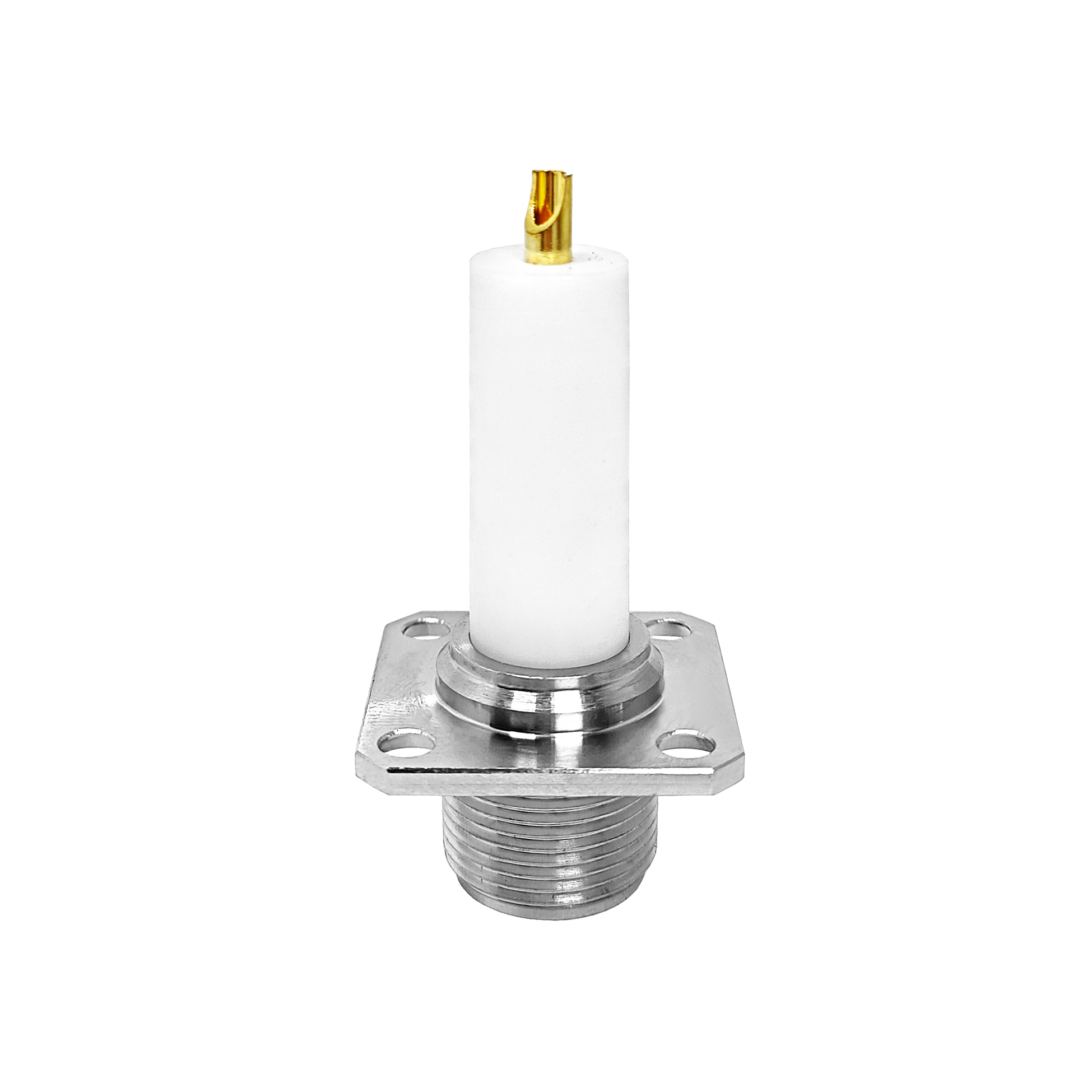
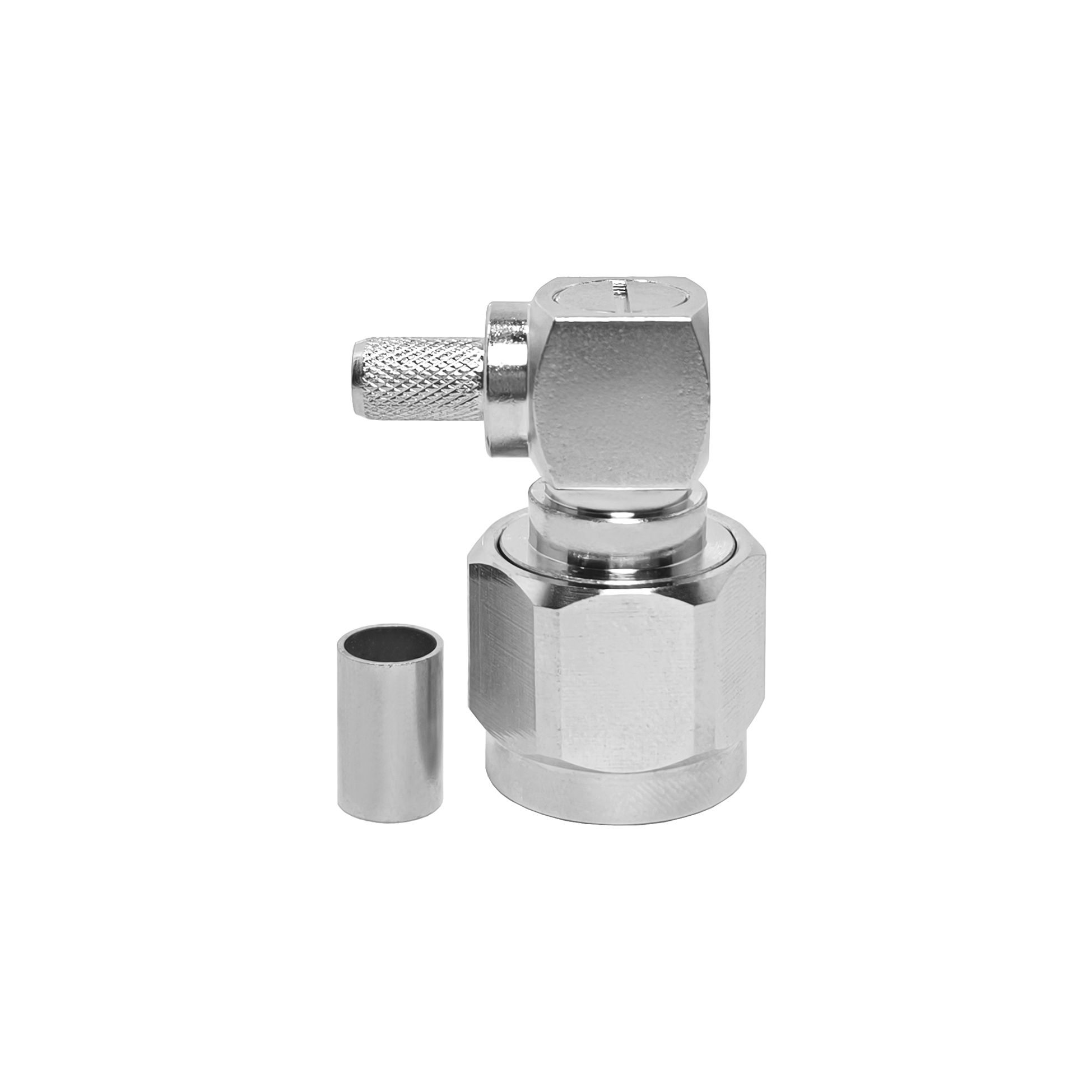
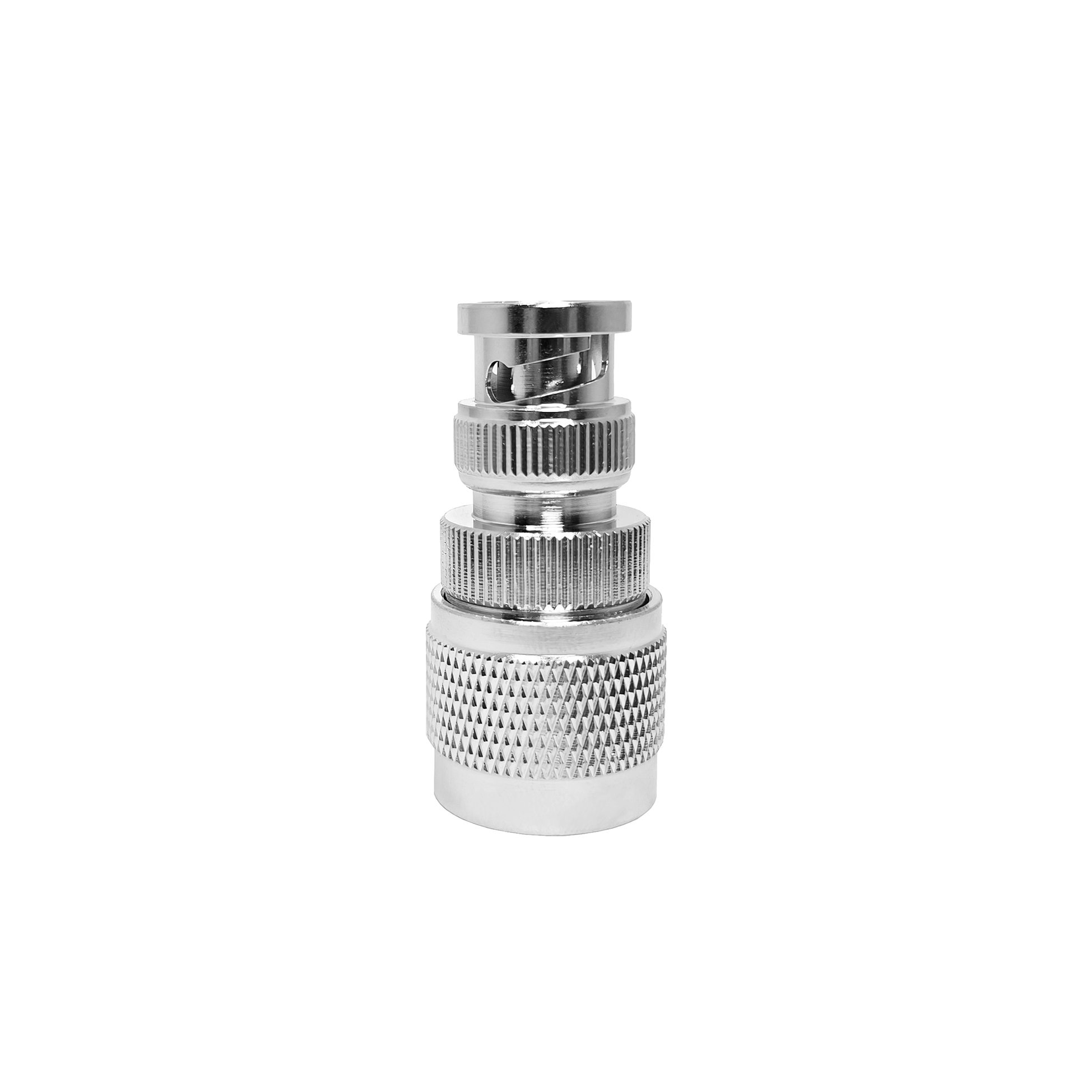
A N-type connector is a 50 Ω (75 Ω variants available) coaxial interface with threaded, 5/8-24 unef.
The most common application area is Cellular base stations – RRU-to-antenna jumpers and outdoor antenna feeders.
This page covers the interface, one reference specification, every interface in our range a N-type connector can be adapted to, and the cable families we pair with it.
Parameter |
Specification |
Interface |
N-type |
Impedance |
50 Ω (75 Ω variants available) |
Coupling |
Threaded, 5/8-24 UNEF |
Interface frequency class |
DC–11 GHz class in general-purpose grades; precision grades extend higher. The reference part quoted below is rated 0–3 GHz. |
Gender |
Male (centre pin) / Female (centre socket) |
Body styles |
Straight, right-angle, bulkhead, panel and clamp bodies |
Interface standard |
MIL-STD-348 / IEC 61169 series |
Performance data |
Full datasheet on request |
The figures below are a reference point for the series. They belong to one part – N male connector for LMR400 / RG8 cable, solderless – and are nominal factory values, not measured values. Other parts in the series differ.
Item |
Value |
Reference part |
N male connector for LMR400 / RG8 cable, solderless |
Drawing number |
Available on request |
Revision |
Current revision |
Parameter |
Value |
Impedance |
50 Ω |
Frequency range |
0–3 GHz |
VSWR |
≤ 1.15 |
Withstand voltage |
2500 V rms |
Working voltage |
1500 V |
Contact resistance – centre |
≤ 1 mΩ |
Contact resistance – outer |
≤ 1 mΩ |
Insulation resistance |
≥ 5000 MΩ |
Parameter |
Value |
Temperature range |
-55 °C to +155 °C |
Durability |
> 500 matings |
Part |
Base material |
Plating |
Body |
Brass |
Nickel plated |
Centre conductor |
Brass |
Gold plated |
Insulator |
PTFE |
— |
O-ring sealing |
6146 silastic |
— |
Crimping suite |
Copper alloy |
Nickel plated |
Source: WorldPeak factory specification sheet (nominal values, not measured). Interface capabilities quoted here describe the connector standard, not the performance of any particular part.
A N-type connector joins to almost every other interface we make. Which adapter you need depends on whether both ends sit in the same impedance system, which interface sets the frequency ceiling, and whether the joint is made on a rigid adapter or a pre-made pigtail. All 28 other interfaces are listed below.
⛔ N-type and UHF (PL-259) share a 5/8-24 thread. Never thread a PL-259 onto an N-type connector – the interface is not compatible and the centre contact will be damaged. Use an N male to UHF female (SO-239) adapter instead.
Interface |
Verdict |
Adapter required |
Typical use |
BNC |
✅ Direct |
BNC |
Test, video, lab |
HN type |
✅ Direct |
HN type |
High-voltage RF |
LC coaxial |
✅ Direct |
LC coaxial |
Legacy broadcast |
SC coaxial |
✅ Direct |
SC coaxial |
Legacy industrial RF |
TNC |
✅ Direct |
TNC |
Vehicle / marine radio |
UHF |
⛔ Do not force |
N male to UHF female (SO-239) |
Amateur / CB radio |
10-32 |
✅ Direct |
10-32 |
Compact panels |
BMA |
✅ Direct |
BMA |
Rack blind-mate / ATE |
MCX |
✅ Direct |
MCX |
GPS / wireless module |
NEX-10 |
✅ Direct |
NEX-10 |
5G small cell |
QMA |
✅ Direct |
QMA |
Dense RRU panels |
SMA |
✅ Direct |
SMA |
Test, Wi-Fi, GPS |
SMB |
✅ Direct |
SMB |
Rack / panel wiring |
SMC |
✅ Direct |
SMC |
Instrument panels |
SMP |
✅ Direct |
SMP |
Board-to-board blind mate |
SSMA |
✅ Direct |
SSMA |
Microwave modules |
FME |
✅ Direct |
FME |
Mobile antenna pigtail |
4.3-10 |
✅ Direct |
4.3-10 |
5G / 4G antenna port |
7/16 DIN |
✅ Direct |
7/16 DIN |
Macro site / broadcast |
1-5/8 EIA |
✅ Direct |
Flange to 1-5/8 EIA |
High-power feeder |
3-1/8 EIA |
✅ Direct |
Flange to 3-1/8 EIA |
High-power HF feeder |
7/8 EIA |
✅ Direct |
Flange to 7/8 EIA |
Base station feeder |
CRC9 |
⚠️ Conditions |
Pre-made pigtail |
Cellular dongle |
TS9 |
⚠️ Conditions |
Pre-made pigtail |
Cellular modem |
U.FL |
⚠️ Conditions |
Pre-made pigtail |
Wi-Fi / LTE module |
1.0/2.3 (75 Ω) |
⚠️ Conditions |
50/75 Ω matching pad |
Central office / DSL |
1.6/5.6 (75 Ω) |
⚠️ Conditions |
50/75 Ω matching pad |
Telecom 75 ohm |
F-type (75 Ω) |
⚠️ Conditions |
50/75 Ω matching pad |
CATV / satellite |
Frequency rule for N-type: the lower-rated interface wins, then the adapter caps it again. On a medium-size line the practical ceiling is often set by the cable rather than by either connector, so send us the band and the cable and we will confirm which end limits it.
Direct: 21 interfaces. With conditions: 6. Do not force: UHF.
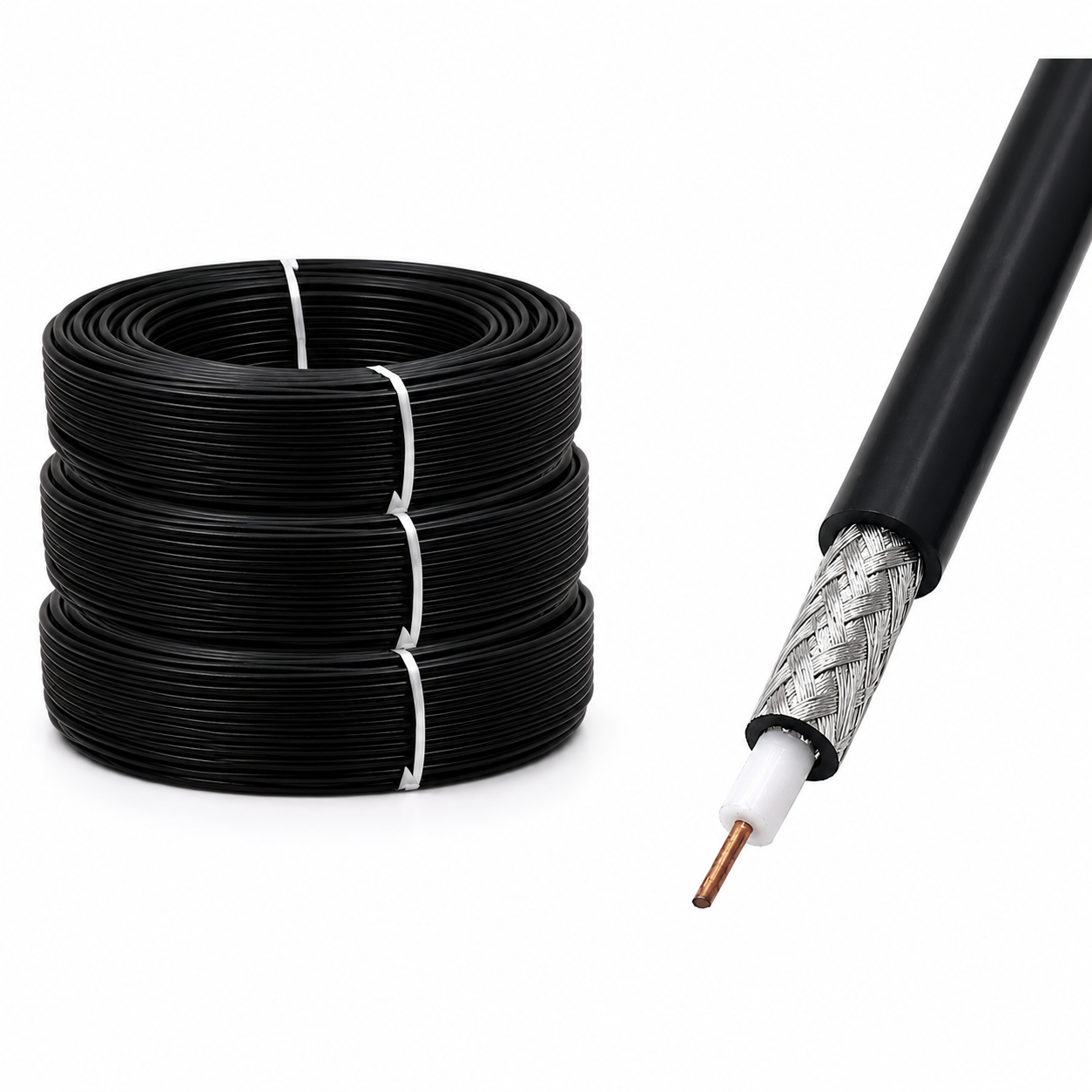
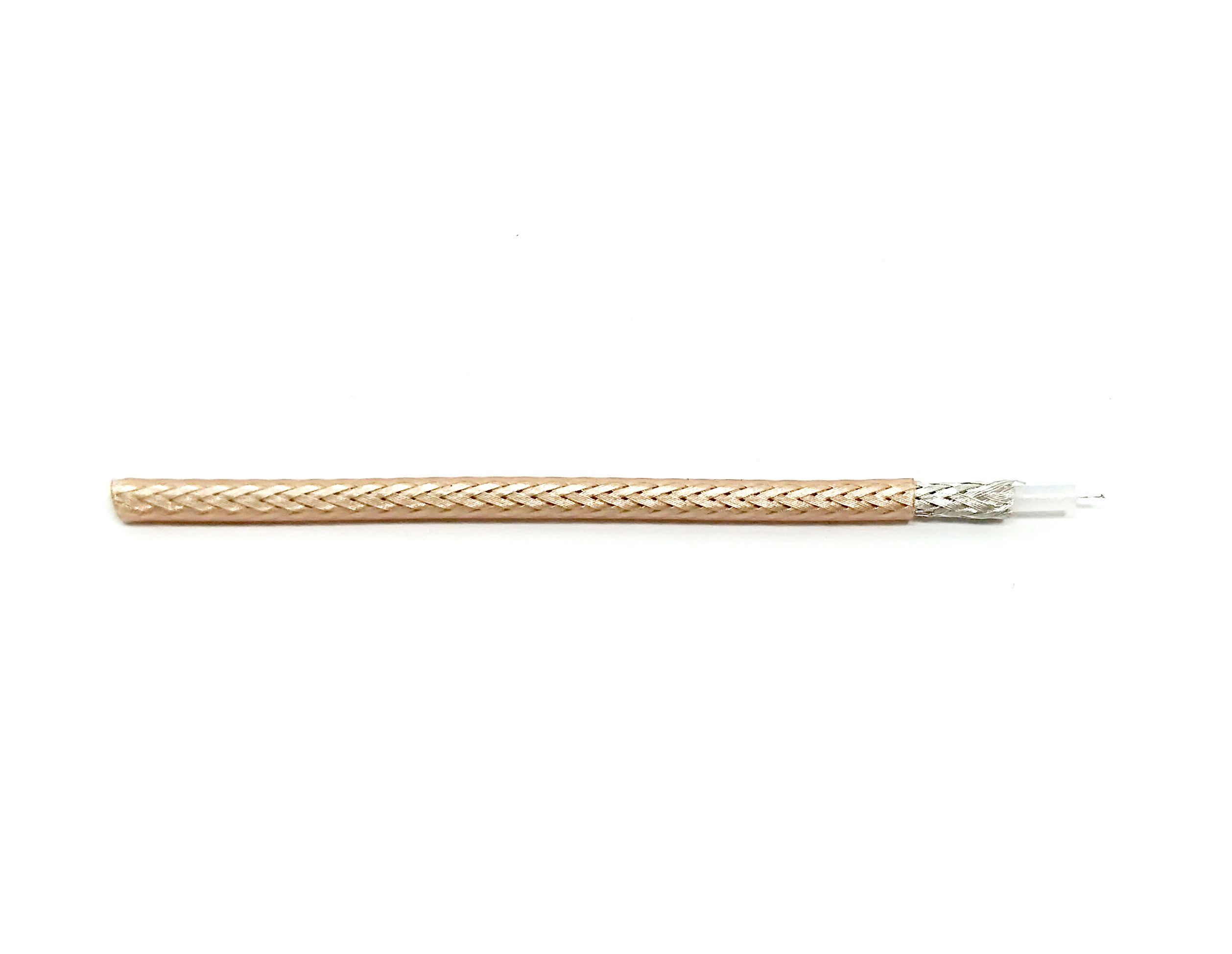
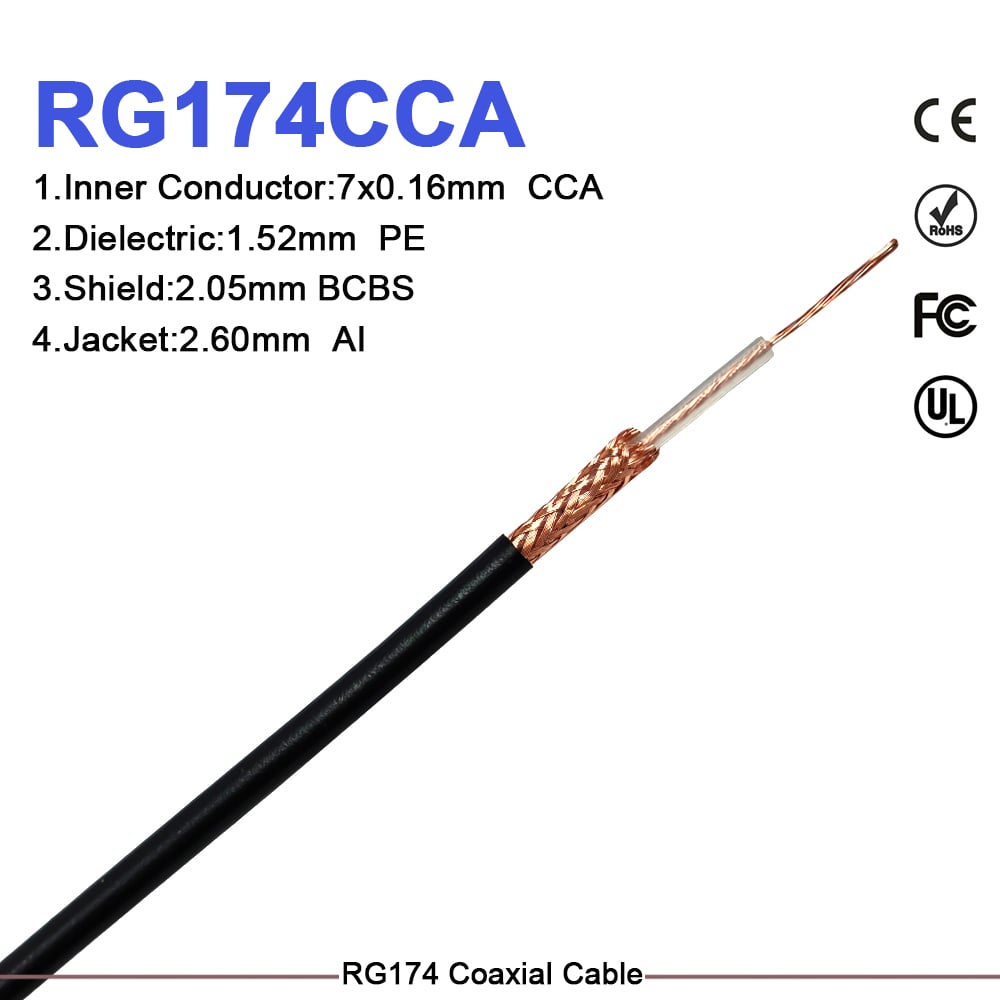
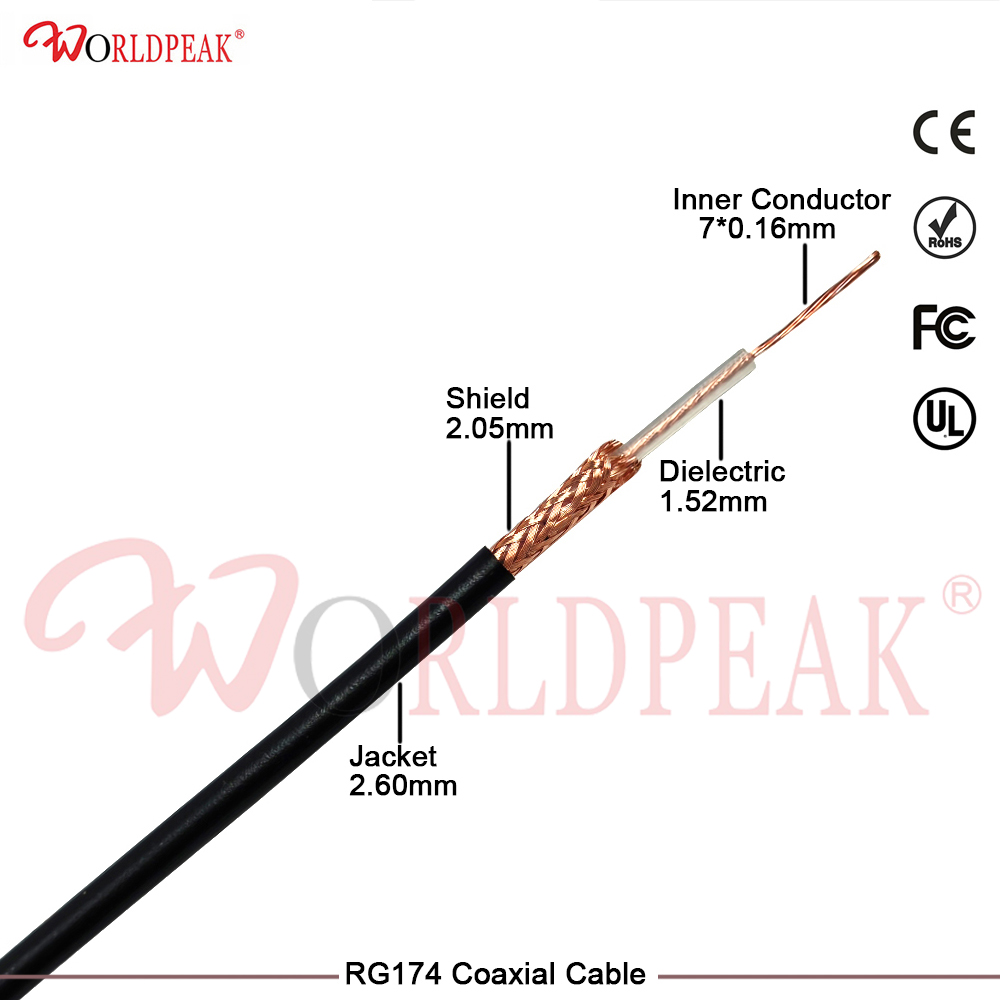
The cable sets the loss, the bend radius and the termination method. These are the families we normally pair with a N-type connector.
Cable family |
Typical use |
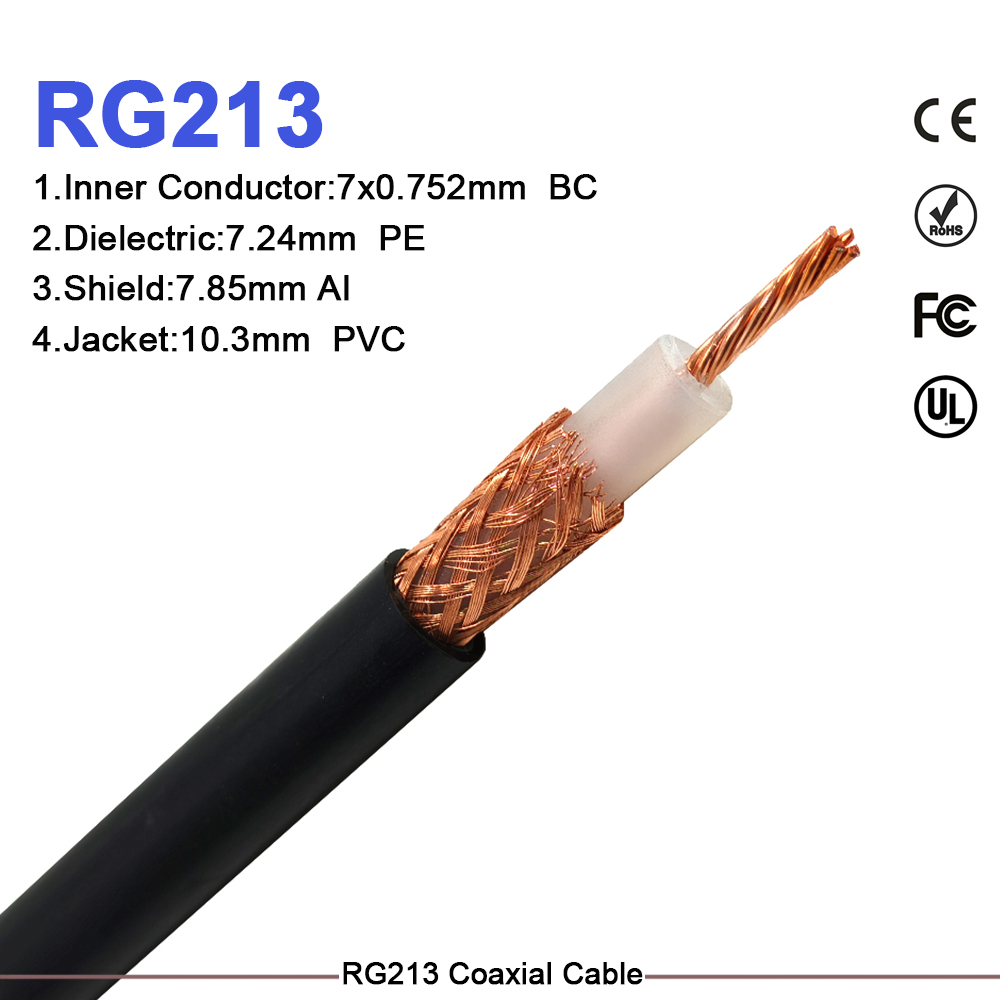
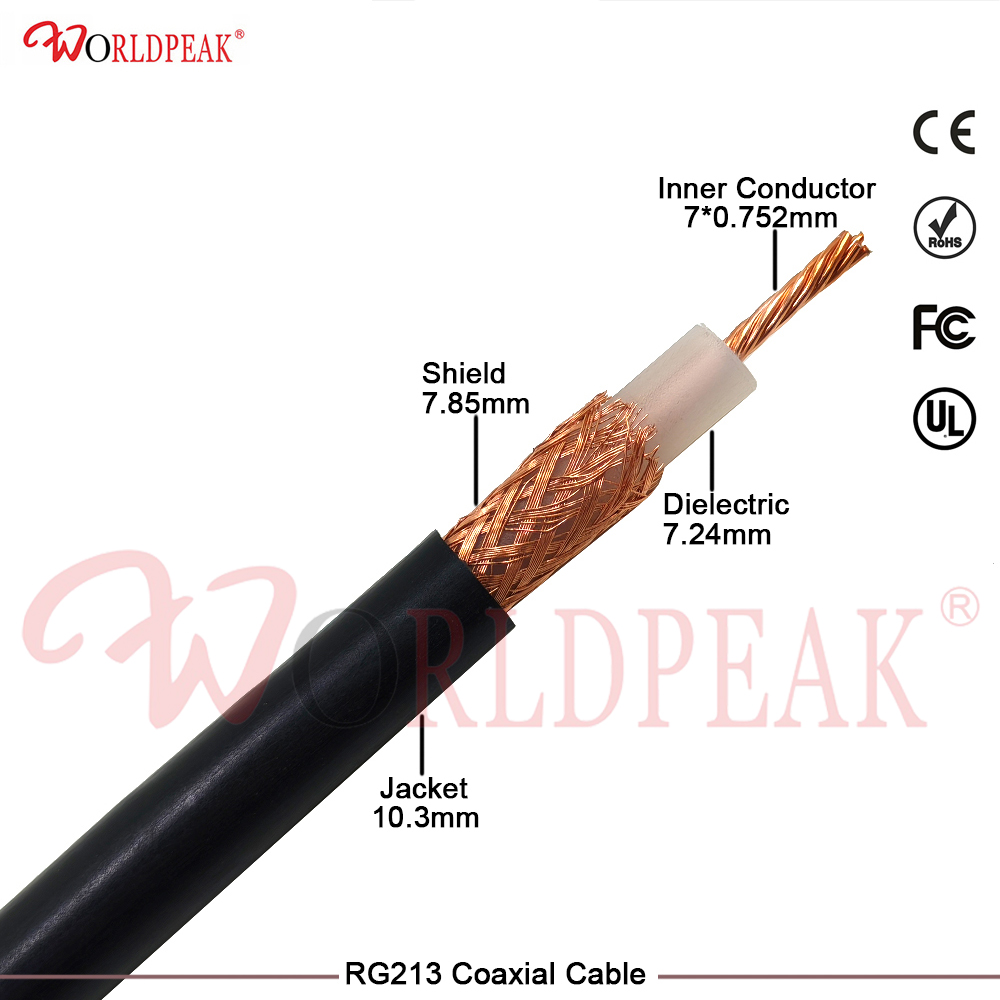
LMR400 / RG8 |
Solderless clamp bodies for base station jumpers and antenna feeders |
LMR600 |
Low-loss runs where a larger conductor is required |
LMR300 / LMR240 |
Short jumpers between equipment and antenna ports |
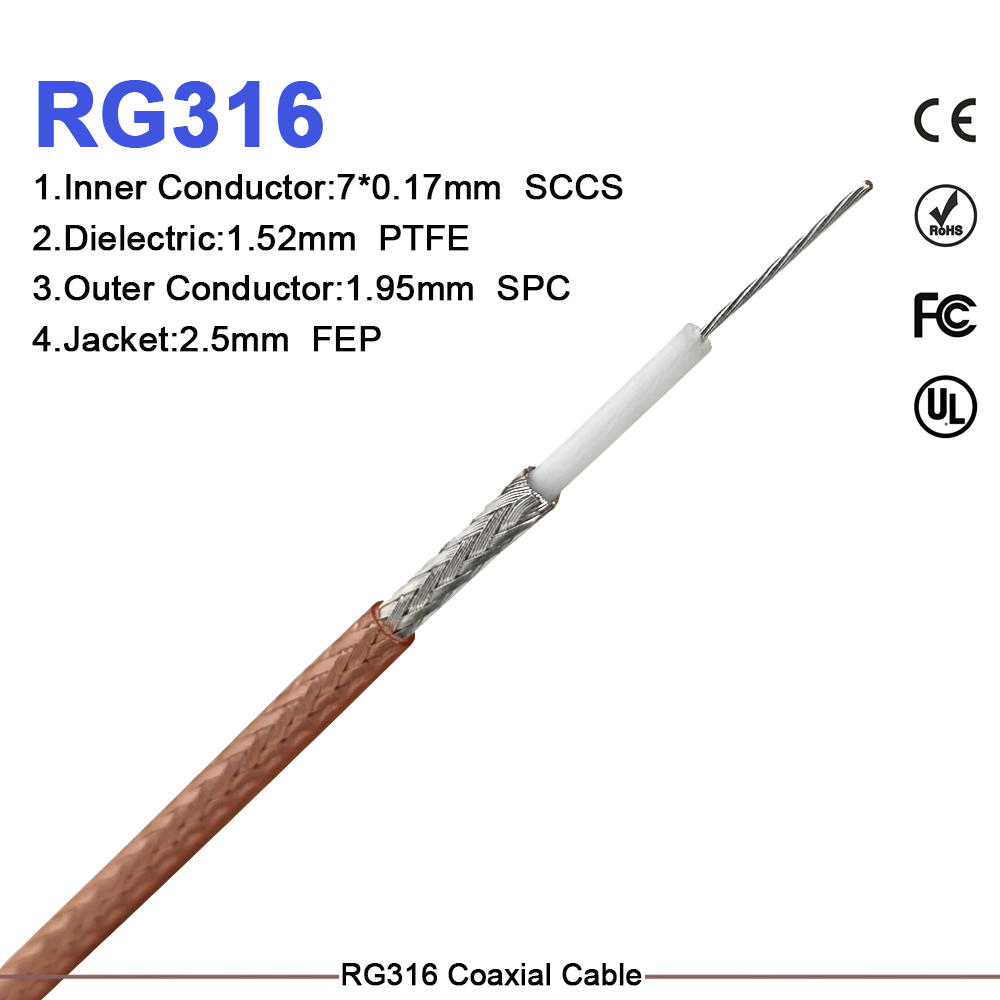
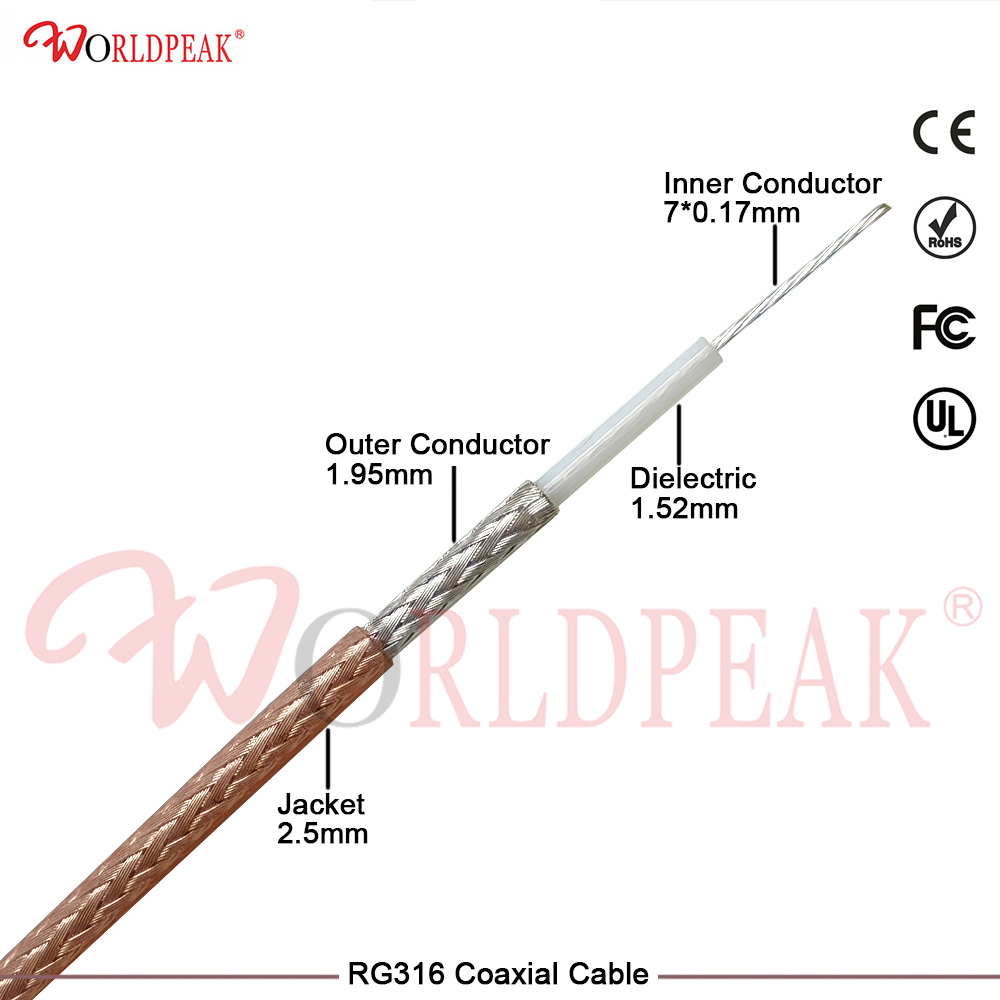
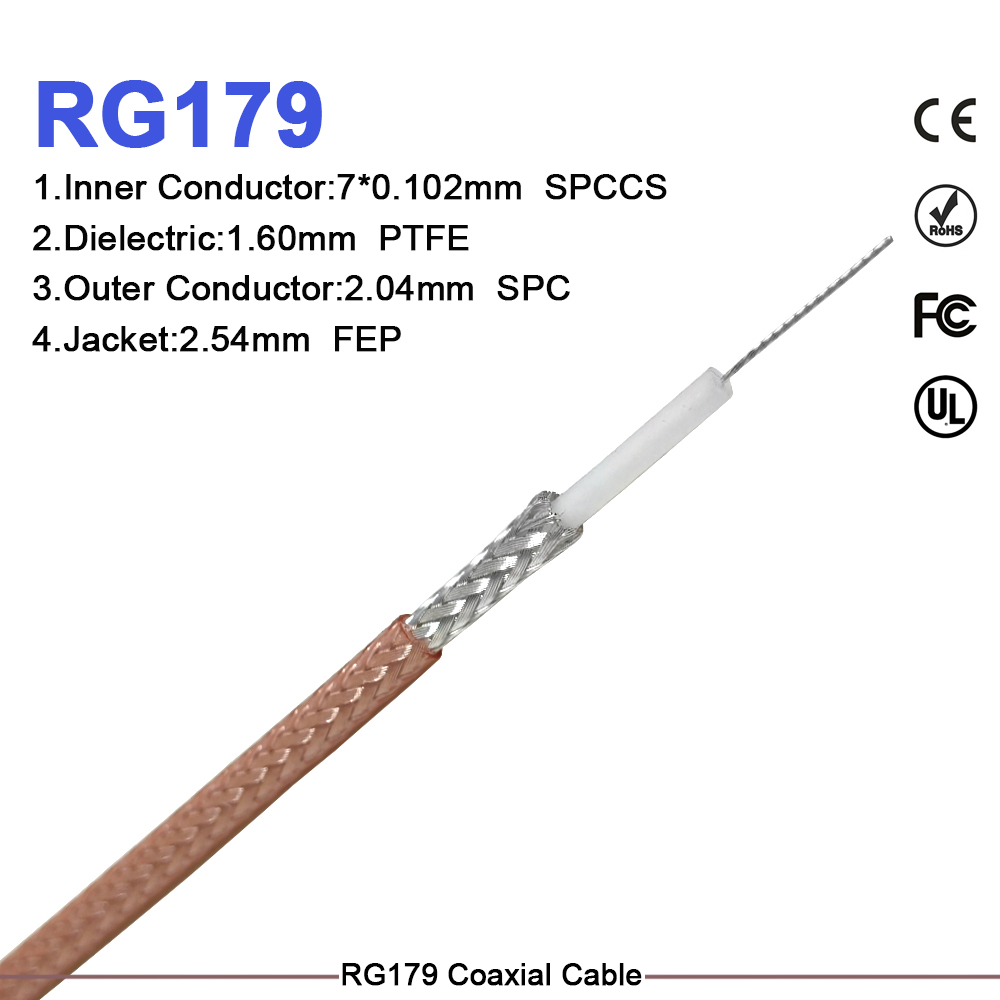
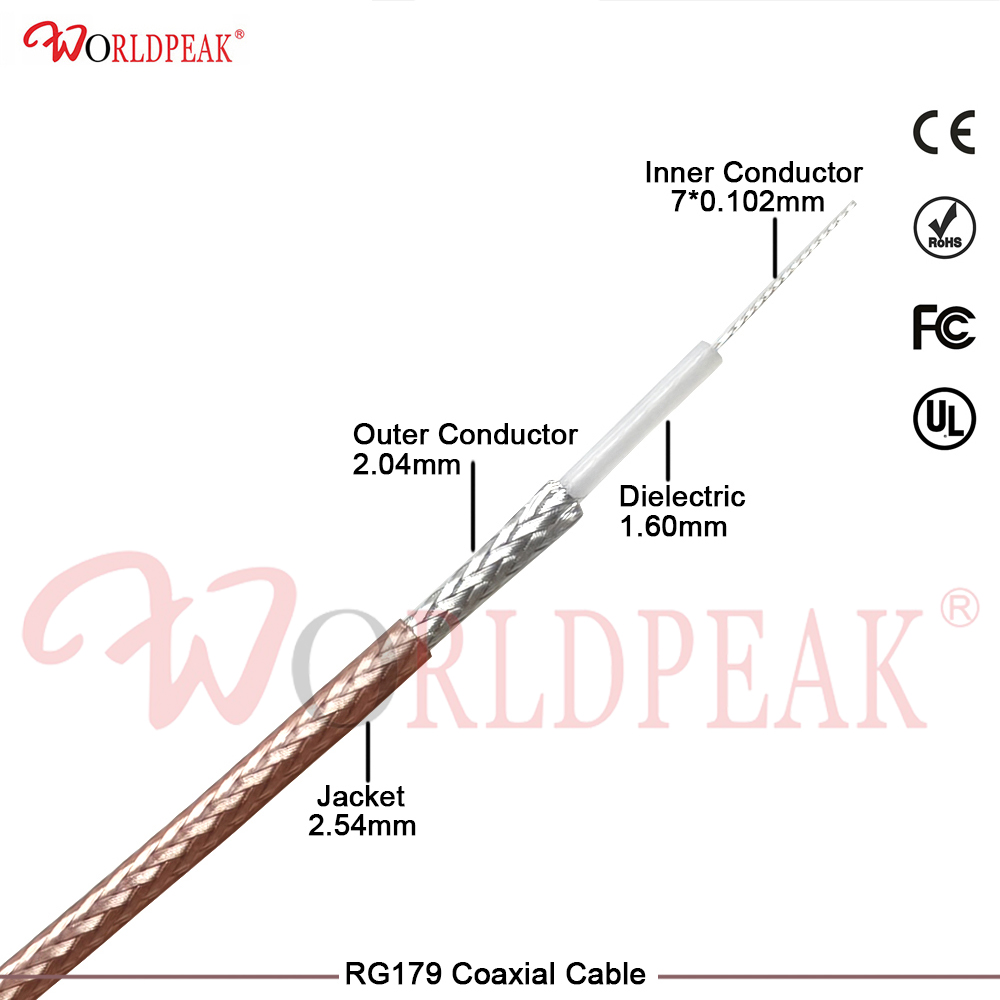
RG316 |
Flexible leads inside equipment cabinets |
1/2 in feeder and 1/2 in super flexible |
Feeders and jumper assemblies, clamp termination |
5D-FB / 7/8 in cable |
Outdoor feeders with clamp-terminated N bodies |
1/4 in super flexible |
Compact right-angle jumpers |
This interface also appears on drawings as N type – same interface, same series. Slash and hyphen spellings are interchangeable throughout our range. Send the drawing as it stands and we will confirm the N-type item against it.
WorldPeak (Zhenjiang WorldPeak Communication Co., Ltd.) builds medium-size coaxial interfaces for outdoor, vehicle and equipment-room work. We make the connector and terminate the cable, so the assembly arrives matched to the cable you already use.
This series is one of 29 we make. The interfaces most often paired with it are BNC, HN type, LC coaxial and SC coaxial.
Q. What does a N-type connector adapt to?
A. 21 interfaces directly and 6 with a condition (a matching pad, a flange chain or a pre-made pigtail). See the matrix above.
Q. Which cable should I use with a N-type connector?
A. Start with LMR400 / RG8 - solderless clamp bodies for base station jumpers and antenna feeders As an alternative, LMR600 suits low-loss runs where a larger conductor is required
Q. Why must I not thread a PL-259 onto an N-type connector?
A. PL-259 (UHF) and N-type share a 5/8-24 thread, so the plug starts to go on. The interface geometry differs and the centre contact is usually damaged. Use an N male to UHF female (SO-239) adapter.
Send us the two interfaces you need to join, the cable you are using and the frequency band. We will confirm the right N-type part, adapter or assembly and send the specification sheet for that exact part.
Request a quotation or a datasheet - OEM and ODM enquiries welcome.
Email [email protected] WhatsApp +86 139 5140 0893