EN
EN

worldpeak-rg179-75-ohm-coaxial-cable-engineering-data--selection-guide, worldpeak-rg179-75-ohm-coaxial-cable-engineering-data--selection-guide, /rg-coaxial-cable
EN
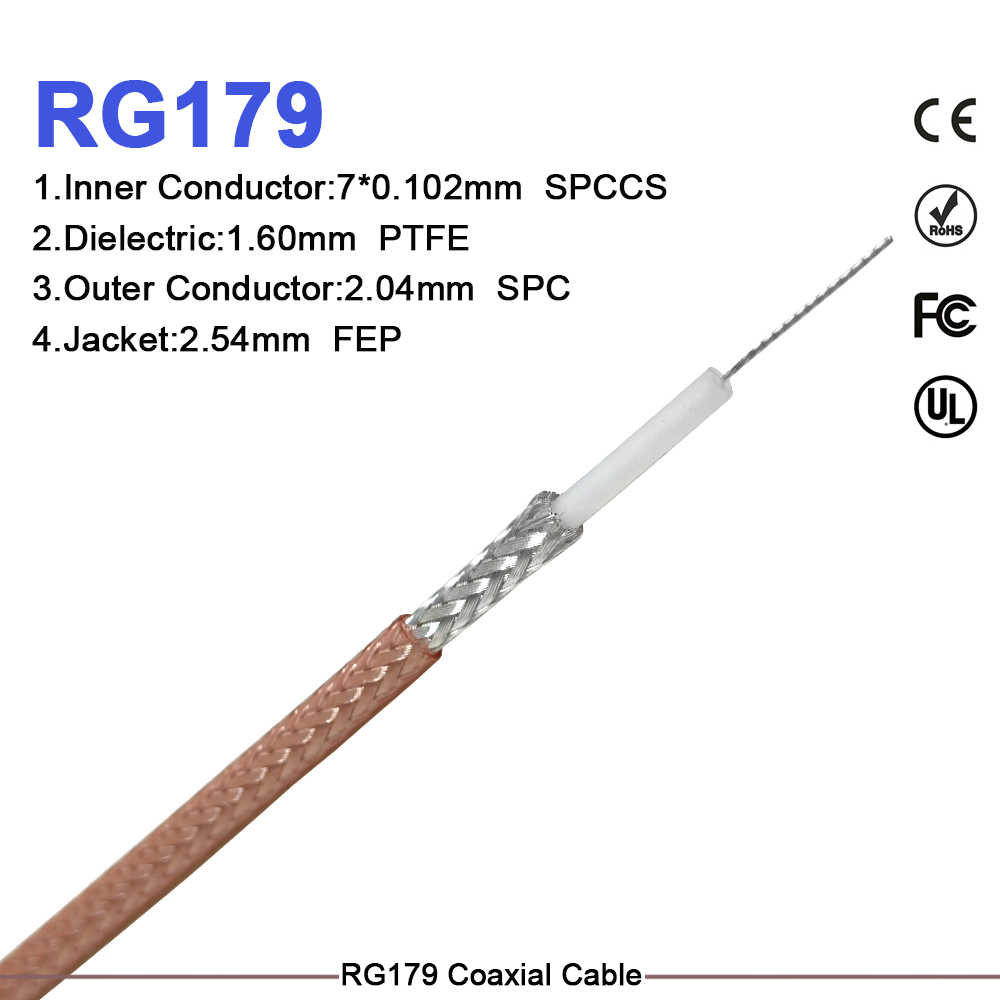
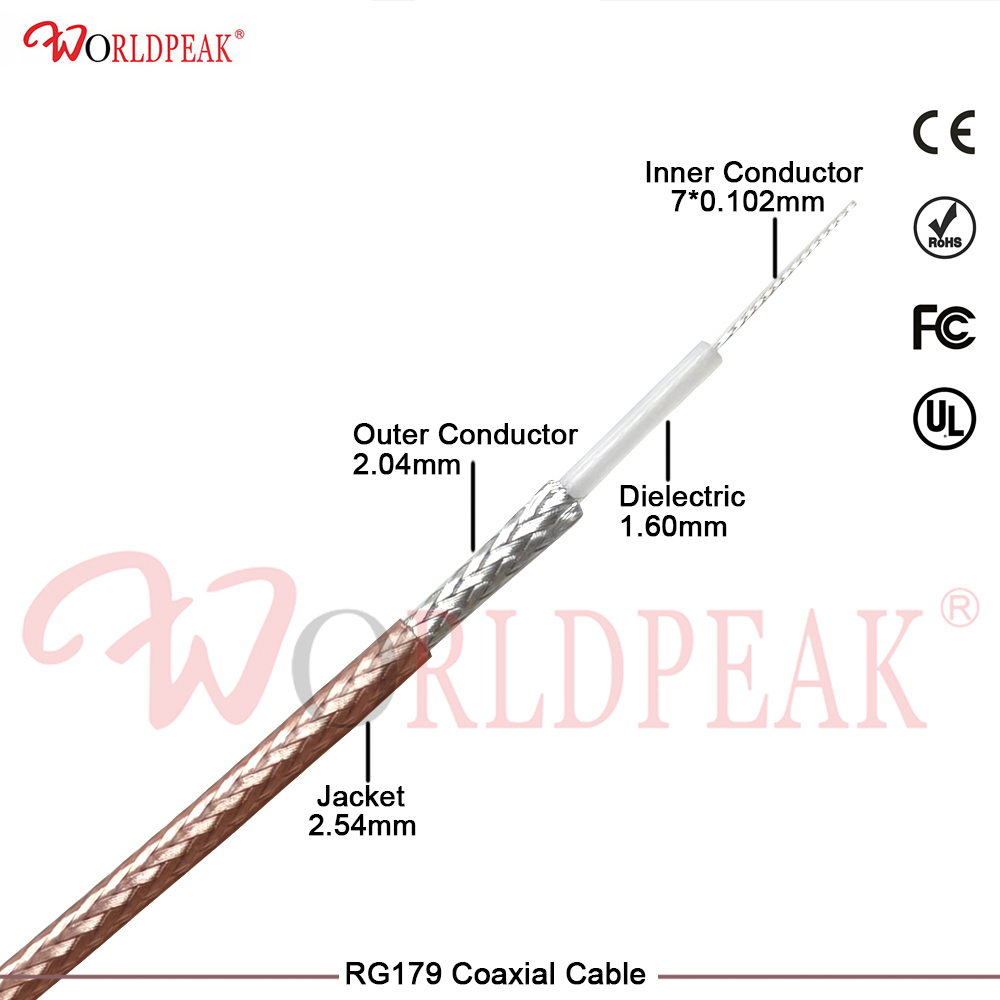
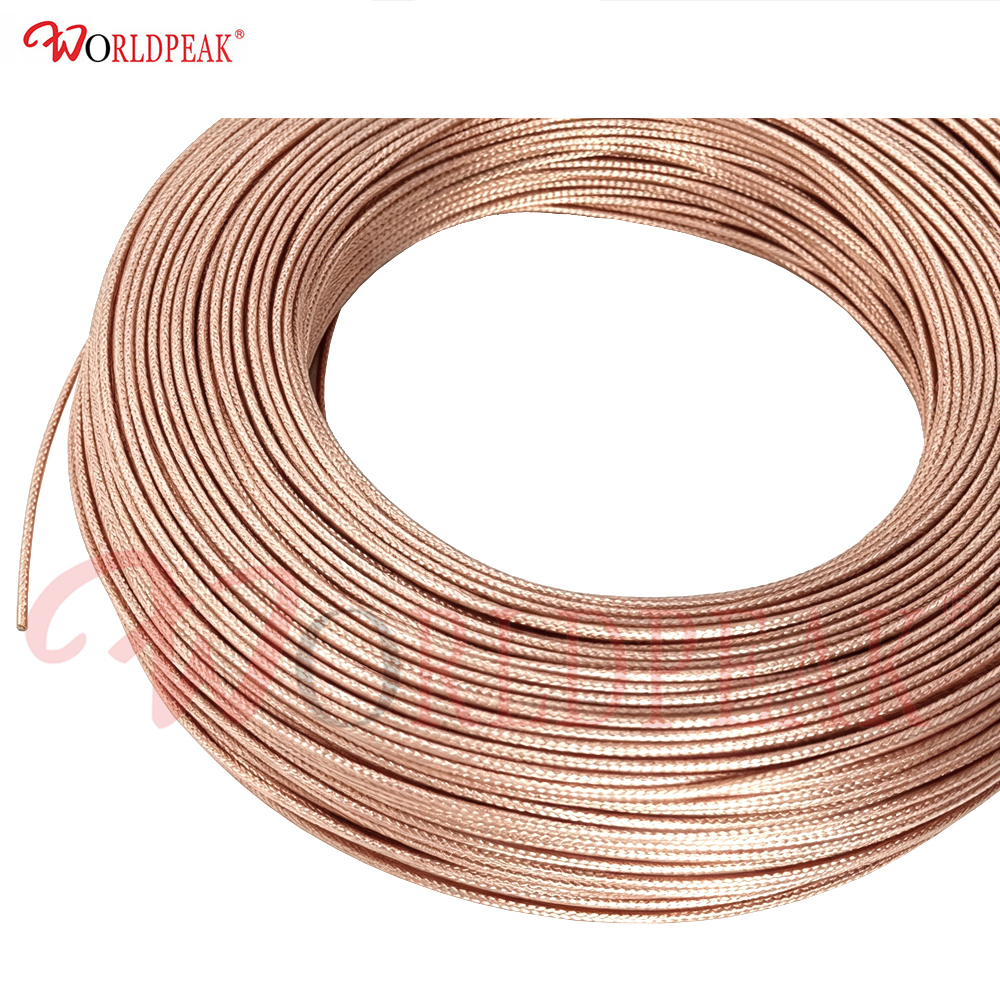
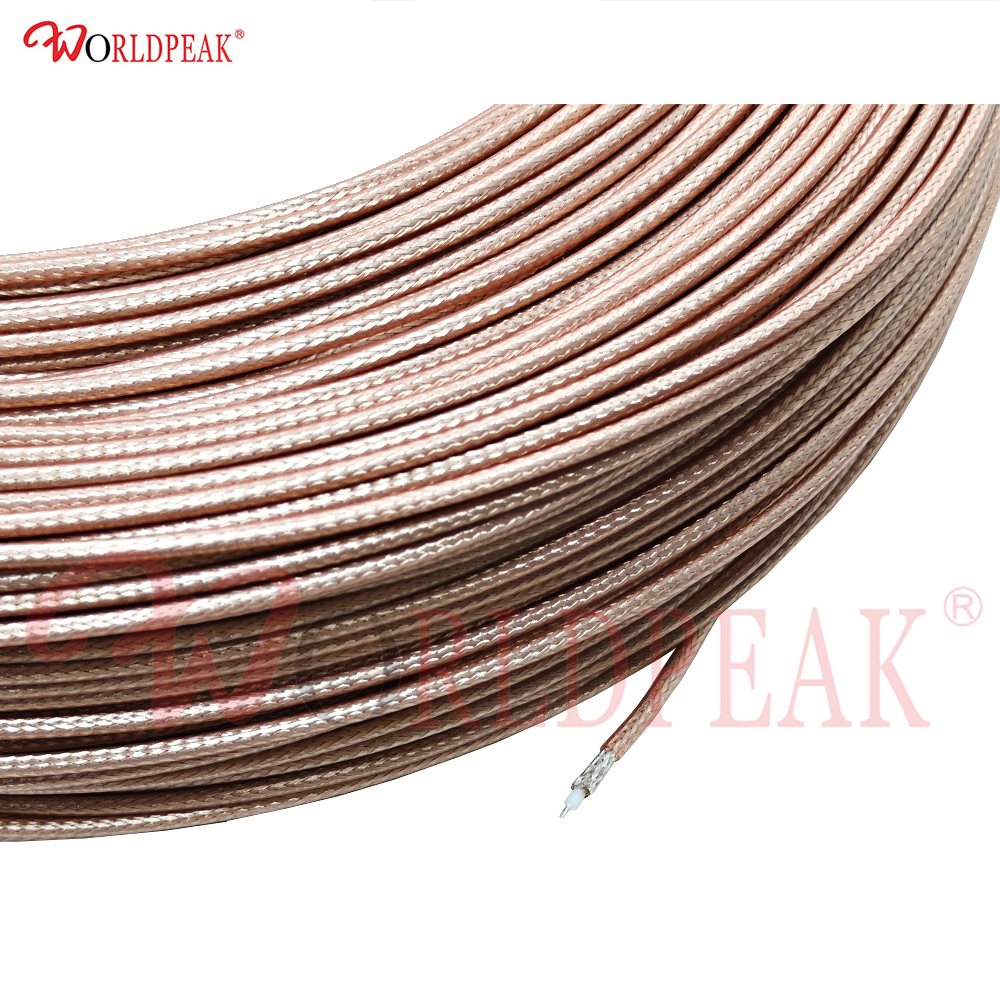
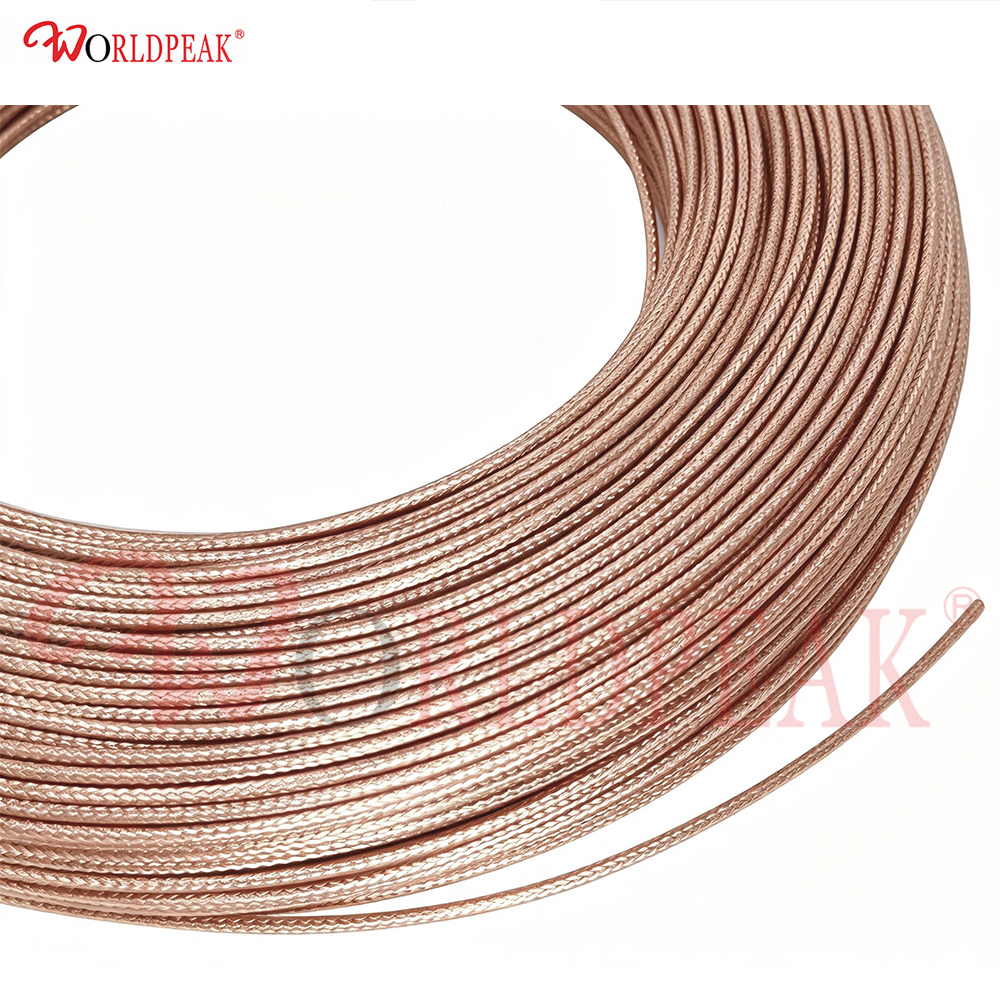
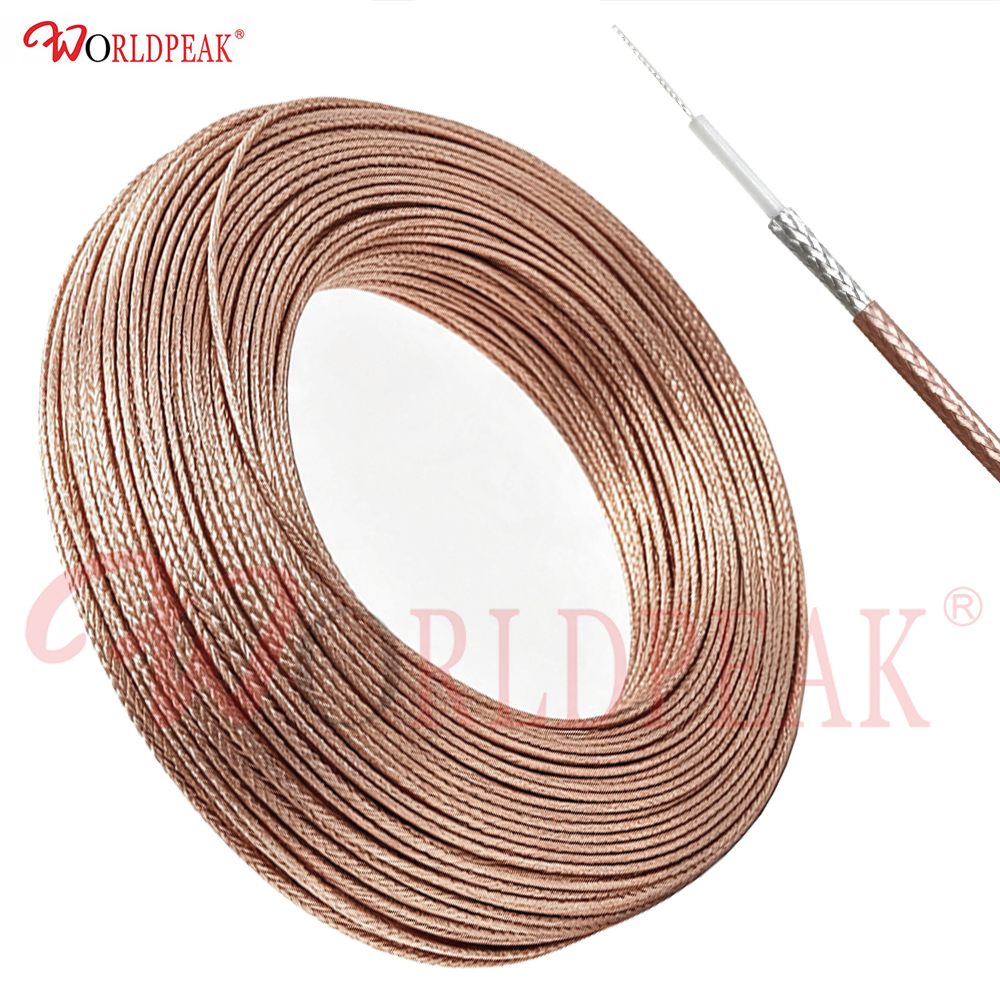
High-performance, ultra-flexible 75-Ohm RG179 miniature coaxial cable certified by ISO9001, CE, and RoHS. Engineered by Zhenjiang Worldpeak for high-density broadcast routing, CCTV gimbals, and digital audio, it features a >90% shield, premium PTFE/PE dielectric options, and full OEM customization to minimize return loss and ensure flawless signal integrity.
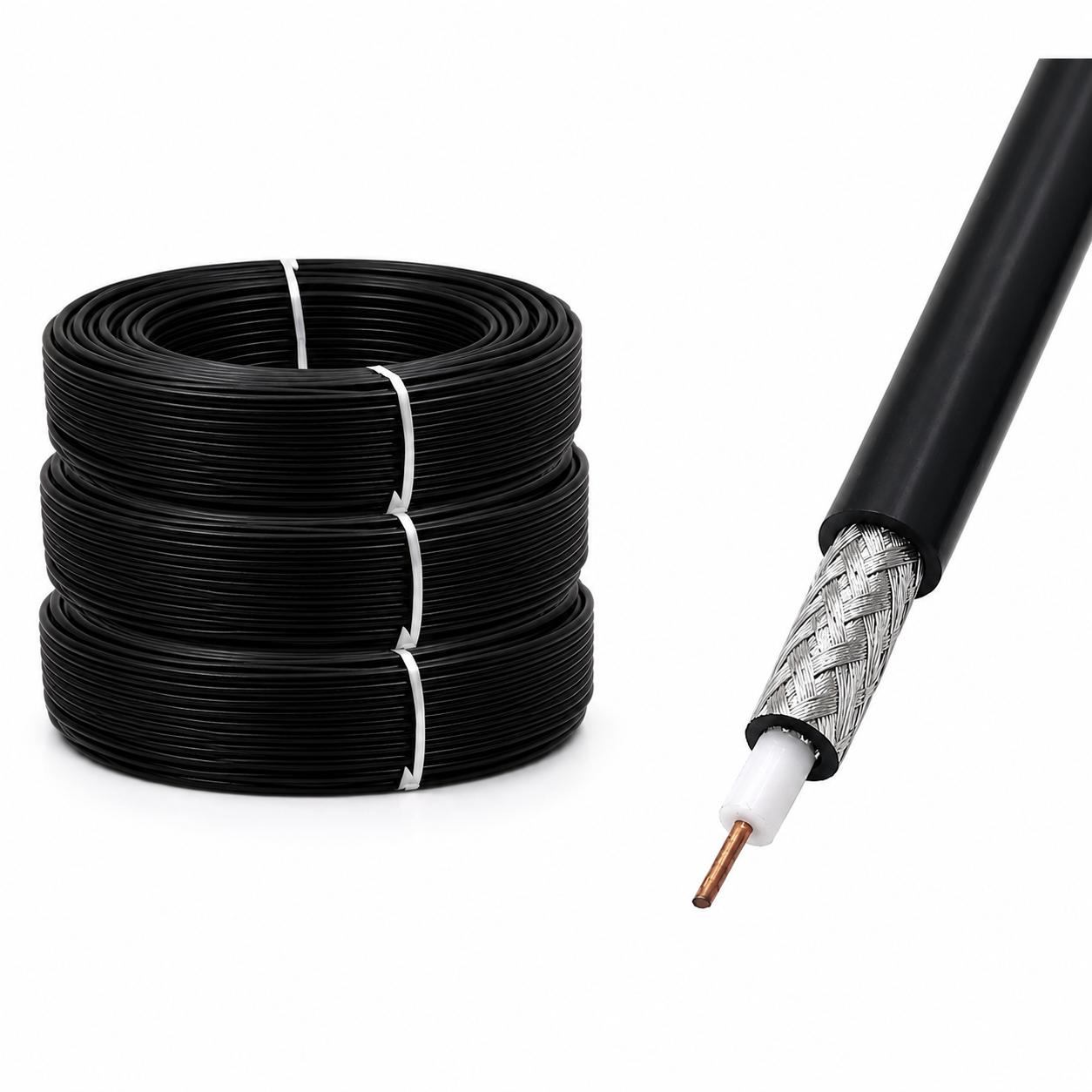
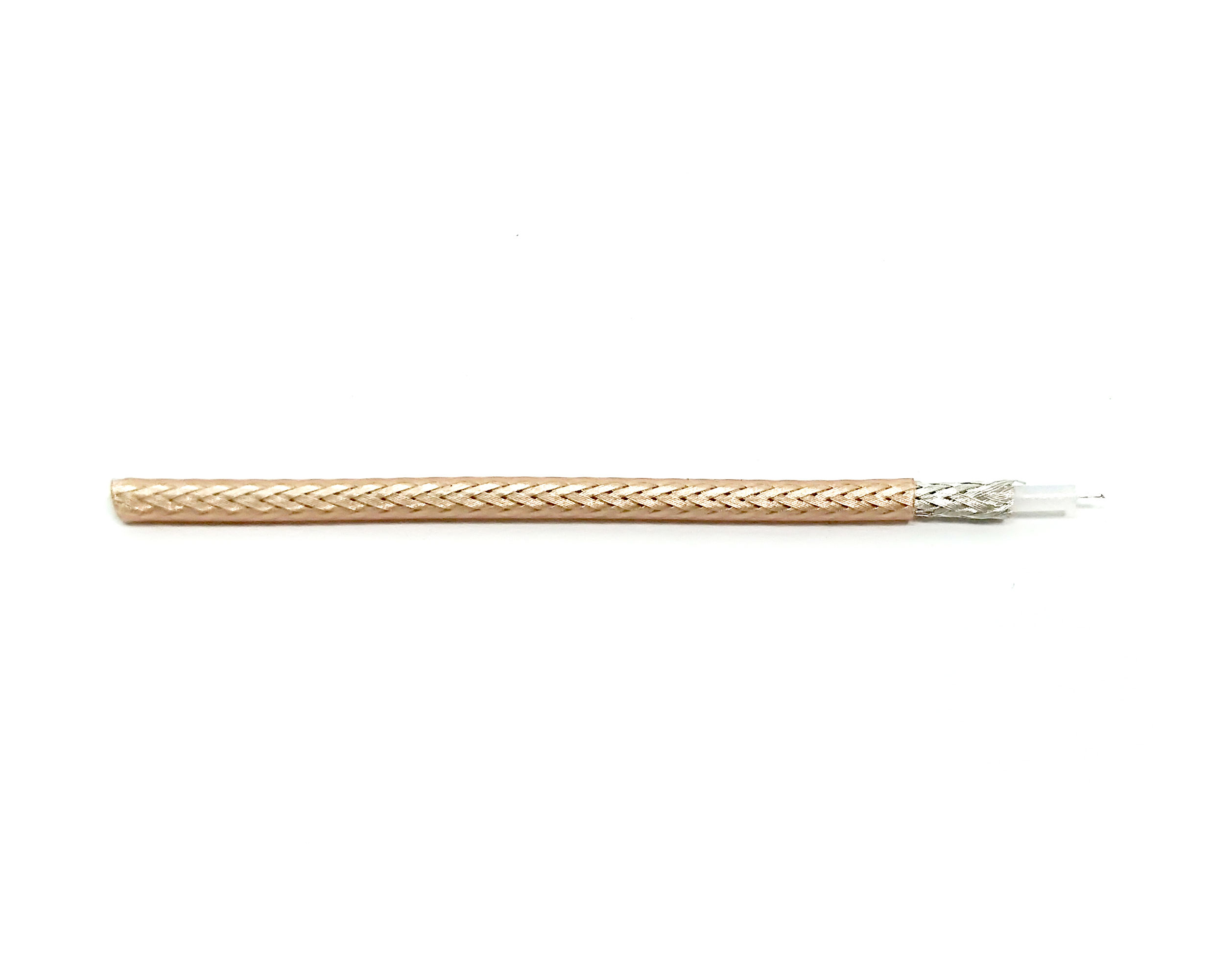
Zhenjiang Worldpeak Communication Co., Ltd. presents the premium RG179 75-Ohm Coaxial Cable, a high-performance miniature coaxial cable engineered specifically for high-density video routing and precision digital signal transmission. Featuring a compact 2.54 mm outer diameter, this flexible 75-ohm coaxial cable delivers space-saving benefits comparable to 50-ohm alternatives but is meticulously tailored for the strict requirements of broadcast coaxial cable networks. Designed with a high-density >90% copper braid shield and optional high-temperature PTFE dielectric configurations, this professional-grade 75 Ohm SDI cable minimizes return loss, eliminates digital jitter, and ensures reliable connectivity across critical CCTV, avionics, and broadcast infrastructures worldwide.
In modern telecommunications and commercial video distribution, balancing mechanical constraints with signal integrity is a critical challenge. The Worldpeak RG179 75-Ohm Coaxial Cable offers the definitive solution for engineers requiring a miniature coaxial cable without compromising structural impedance accuracy.
Unlike standard bulkier cables, the RG179 coaxial cable reduces the cross-sectional physical footprint by approximately 60% compared to traditional RG59 studio lines. This extreme miniaturization allows system integrators to route high-fidelity 75 Ohm BNC cable assemblies through ultra-narrow conduits, compact multi-channel DVR enclosures, and dynamic pan-tilt-zoom (PTZ) camera gimbals. Zhenjiang Worldpeak Communication Co., Ltd. builds these cables using custom-calibrated extrusion machinery to ensure that the critical internal geometry remains perfectly concentric, preventing the signal degradation commonly found in low-grade alternative cables.
Ultra-Compact Form Factor: The nominal 2.54 mm jacket outer diameter enables high-density video routing inside dense equipment racks and confined installation spaces.
Precision 75-Ohm Architecture: Engineered specifically for the 75-ohm impedance ecosystem to minimize insertion and return loss in professional video interfaces.
High-Flexibility Stranded Core: Utilizes a durable 7 x 0.10 mm stranded copper conductor, optimizing the cable for dynamic applications, robotic joints, and articulating camera arms.
Superior EMI Shielding: Equipped with a >=90% high-density copper braid shield to block low-frequency electromagnetic interference and cross-talk.
Dual Dielectric Configurations: Available in Solid PE for standard budgets or premium PTFE/FEP for extreme environmental resilience.
Maintaining a stable characteristic impedance in a miniature coaxial cable demands advanced manufacturing tolerances. The electrical impedance of a coaxial line relies strictly on the geometric ratio of its internal components. Because the dielectric wall thickness in an RG179 coaxial cable is limited to roughly 0.20 mm, even a minute eccentricity variation of 0.02 mm will shift the line impedance by up to 3 ohms. Zhenjiang Worldpeak Communication Co., Ltd. addresses this via real-time monitoring and specialized tooling during the extrusion process to secure a strict 75 ± 3 Ω window.
Furthermore, mixing a 50-ohm cable into a 75-ohm video signal chain creates severe impedance mismatches. A 50-ohm line used in place of a proper 75 Ohm SDI cable introduces a damaging 6 dB return loss at the connector interface, yielding analog ghosting or critical bit error rate (BER) spikes in digital Serial Digital Interfaces. Zhenjiang Worldpeak Communication Co., Ltd. eliminates these risks by providing certified, application-specific 75-ohm hardware, avoiding the cross-contamination of 50-ohm and 75-ohm tooling lines during factory fabrication.
| Engineering Parameter | Factory Specification (Level A/B)* | Engineering Tolerance & Notes |
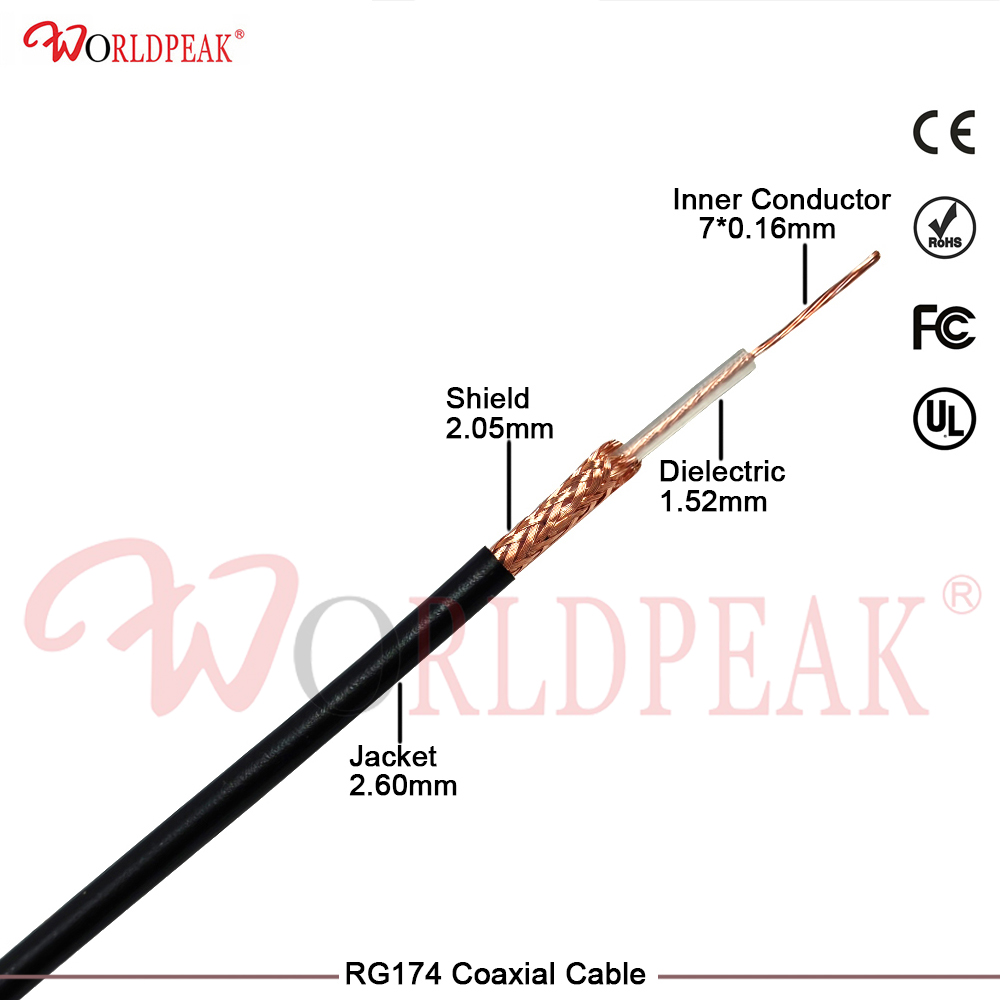
| Inner Conductor Construction | 7 x 0.10 mm Stranded Copper Core | Level A - Factory Verified Core |
| Conductor Material Type | Silver-plated or Tinned Copper | Level A - Subject to Ordering Variant |
| Dielectric Diameter | 1.60 mm Base | Level A - Tolerance Window ±0.04 mm |
| Dielectric Material Options | Solid PE or High-Performance PTFE | Level A - Material Set per Order Spec |
| Shield Construction | 2.00 mm Copper Braid Coverage (>=90%) | Level A - Single Shield Protection Standard |
| Outer Jacket Dimension | 2.54 mm Base Diameter | Level A - Tolerance Window ±0.10 mm |
| Jacket Material & Color | PVC or FEP Compounding | Level A - Standard Industrial Black Jacket |
| Nominal Characteristic Impedance | 75 Ohms | Level A - Monitored Real-Time (±3 Ω) |
| Velocity of Propagation (VoP) | 66% (PE Dielectric) / 70% (PTFE Dielectric) | Level B - Dielectric Dependent Value |
| Nominal System Capacitance | 67 pF per Meter | Level B - Standard Value Reference |
| Attenuation Factor @ 100 MHz | Approximately 20 to 22 dB per 100 Meters | Level B - Measured Baseline Performance |
| Attenuation Factor @ 400 MHz | Approximately 40 to 45 dB per 100 Meters | Level B - Measured Baseline Performance |
| Attenuation Factor @ 1 GHz | Approximately 65 to 70 dB per 100 Meters | Level B - Measured Baseline Performance |
| Minimum Allowable Bend Radius | Approximately 13 mm Radius | Level B - Calculated as 5 times Jacket OD |
| Operating Temperature Range | -25°C to +75°C (PVC) / -55°C to +200°C (PTFE) | Level B - Selected Jacket Dependent Limits |
| Compliance & Quality Standards | CE, RoHS, FCC, UL94, ISO9001 | Level A - Certified Factory Documentation |
*Level A: Factory Verified; Level B: Typical Industry Value.
CCTV & Security Infrastructure: Perfect for fabricating ultra-thin 75 Ohm BNC cable pigtails that link internal camera modules directly to DVR boards within crowded housing units.
Commercial Broadcast Equipment: Ideal for high-density video routing inside multi-channel studio routers, control consoles, and pan-tilt-zoom camera mechanisms.
Aerospace & Avionics Video Links: The high-temperature PTFE coaxial cable variant provides flame-retardant, lightweight video distribution for cockpit displays and inflight systems.
Digital Audio Interconnects: Serves as a reliable medium for AES3 and S/PDIF digital audio setups, minimizing clock jitter across short hardware spans.
BNC Interface Matching: A common field failure is crimping a 50-ohm BNC connector onto a 75-ohm miniature coaxial cable. They utilize different center pin dimensions. Ensure your connectors are verified 75-ohm units to prevent a 1.5:1 voltage standing wave ratio (VSWR) spike.
Precision Mechanical Stripping: Given the fragile 0.20 mm dielectric wall, manual wire strippers will nick the internal stranded copper. Zhenjiang Worldpeak Communication Co., Ltd. strongly advises thermal or automated laser stripping for commercial production runs.
Strict Attenuation Budgeting: At high frequencies (1.5 GHz), this miniature scale exhibits high loss (~4 dB per meter). For high-definition 75 Ohm SDI cable links, restrict total RG179 runs to under 300 mm, transitioning to heavier RG59 or RG6 variants for longer backbone runs.
Partnering with Zhenjiang Worldpeak Communication Co., Ltd. directly improves your supply chain efficiency and product quality. As an ISO9001-certified manufacturer, Zhenjiang Worldpeak Communication Co., Ltd. guarantees total material accountability, delivering complete Certificates of Conformance (CoC) alongside every shipment.
For high-volume global OEM requests, Zhenjiang Worldpeak Communication Co., Ltd. offers specialized custom options, including bespoke jacket branding, custom color-coded outer jackets, and pre-terminated, factory-tested 75 Ohm BNC cable assemblies. This eliminates on-site assembly errors, reduces deployment labor expenditures, and guarantees that your infrastructure complies fully with CE, RoHS, FCC, and UL94 testing parameters. Small production batches are also supported to accelerate your engineering prototypes and R&D design lifecycles.
Q: How can my engineers verify if our application requires a 50-ohm or a 75-ohm cable?
A: Check your hardware documentation or connector layouts. Digital broadcast video hardware, commercial security cameras, and SDI routers operate strictly on a 75-ohm architecture. Conversely, wireless modems, RF data transceivers, and Wi-Fi infrastructure use 50-ohm lines.
Q: Can this RG179 coaxial cable support composite analog video runs beyond 5 meters?
A: For basic closed-circuit surveillance monitoring, a 5-meter run works but introduces around 1.5 dB attenuation at 6 MHz. For broadcast-grade video fidelity or high-speed serial digital interfaces, Zhenjiang Worldpeak Communication Co., Ltd. suggests keeping the RG179 segment under 3 meters or upgrading the run to an RG59 cable.
Q: Does the premium PTFE coaxial cable version tolerate automated reflow soldering?
A: Yes. The high-performance PTFE dielectric and FEP outer jacket options supplied by Zhenjiang Worldpeak Communication Co., Ltd. withstand intense peak reflow temperatures up to +260°C. This allows technicians to solder the cable terminations directly onto a PCB assembly alongside automated surface-mount parts. Standard PE/PVC designs must be restricted to manual hand-soldering below +150°C.