EN
EN

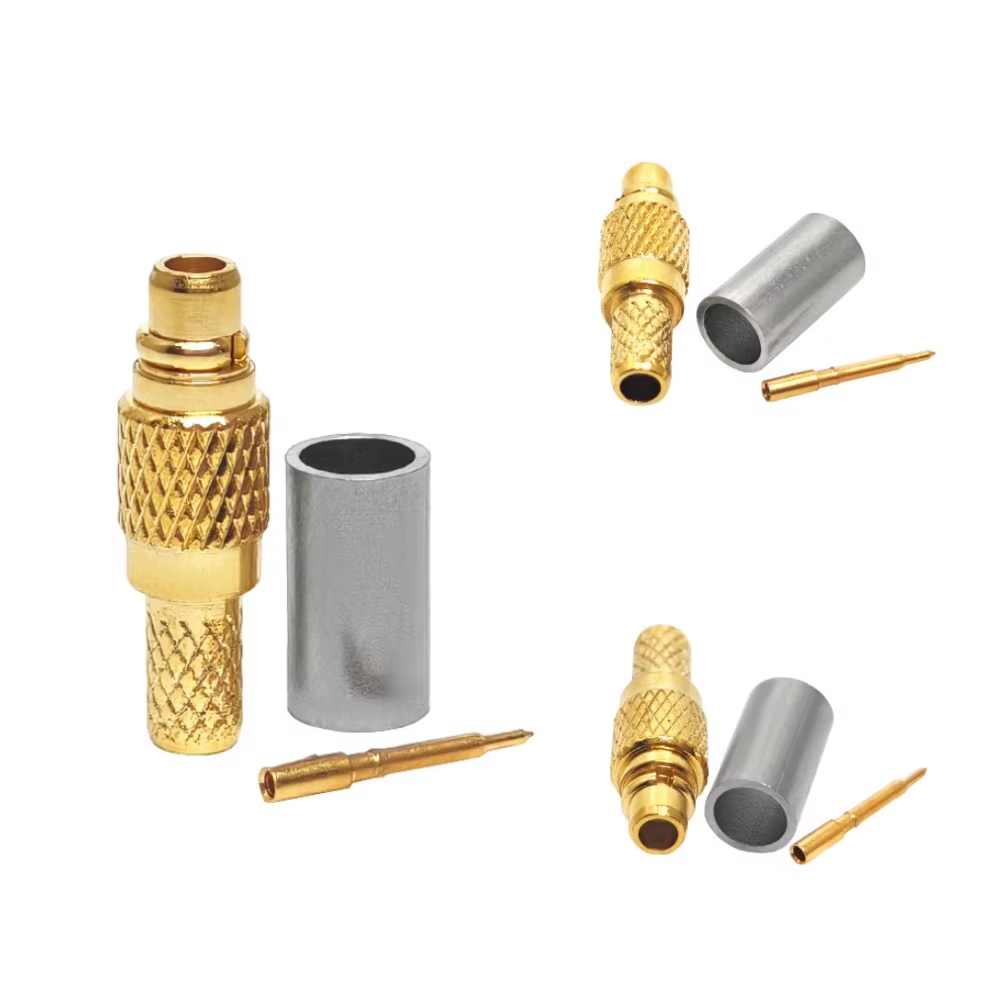
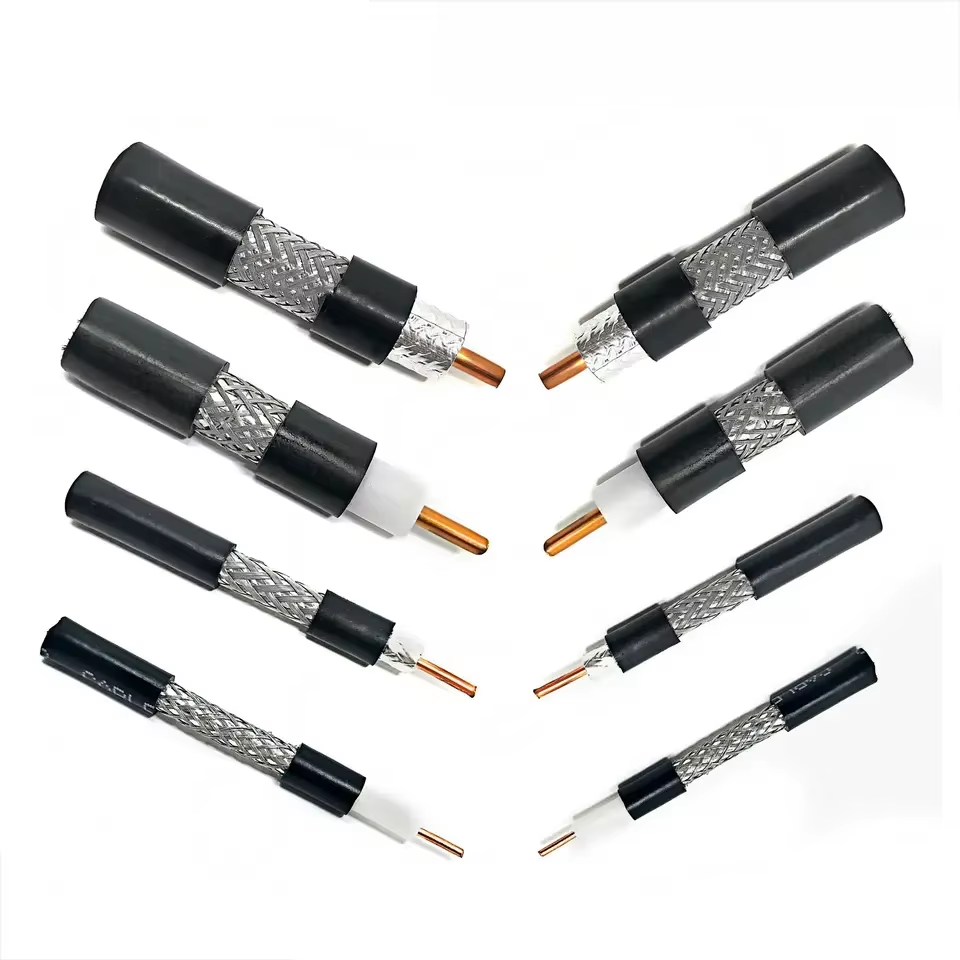
A small-scale RF development program can feature flawless circuit schematics and still grind to a sudden halt during procurement. The obstacle is rarely an incomplete CAD drawing; it is usually an aggressive Minimum Order Quantity (MOQ) imposed by component vendors. Heavy volume thresholds force engineering teams to commit to mature mass-production inventory before the mechanical or electrical interface has been validated. For procurement officers and hardware designers specifying custom RF connectors, a flexible supplier MOQ policy creates critical room to test pin geometries, machining tolerances, cable termination steps, and plating performance before capital is tied up in unproven inventory.
This risk-managed approach is vital for telecom infrastructure, automated test fixtures, industrial control panels, medical monitoring gear, and lab instruments where a connector acts as a critical link in a broader high-frequency signal chain. A small-volume ODM order should never imply lax quality control. Instead, commercial terms should mirror the natural engineering sequence: refine mechanical specifications, produce a controlled pilot batch, verify test data, and scale production only after design freeze.
Why High Minimum Order Quantities Compromise RF Engineering
While buyers often consider MOQ a strictly commercial metric, order thresholds directly influence core technical choices. When a component vendor demands a massive opening order, engineering teams are pressured to freeze drawings prematurely. This rushed timeline leaves programs vulnerable to buried design flaws—such as an suboptimal coupling thread angle, an awkward soldering access port, an overly tight cable ferrule, or a plating specification ill-suited for humid operating environments. Lower opening batch constraints let engineering teams uncover and fix these integration issues while modifications remain manageable and inexpensive.
For a controlled 50-ohm signal path, an RF connector is an active impedance-matching transition rather than a passive piece of mounting hardware. The chosen connector series, internal contact pins, cable dielectric interface, and mating hardware must align with system-level return loss budgets. Industry standards like IEC 61169 define universal interface dimensions for coaxial connector series, serving as a reliable benchmark during design reviews. However, generic standards cannot replace project-specific drawings, tailored test plans, or hands-on supplier qualification.
For procurement managers, unit cost at high volumes can be a deceptive metric. A low unit price at a 10,000-piece MOQ offers zero savings if a required revision renders the entire shipment unusable. Scrap costs, engineering delays, and missed production schedules far outweigh a modest pilot-batch setup premium.
What a Flexible MOQ Policy Enables in ODM Projects
A practical ODM policy goes beyond simply offering small batch production; it provides a controlled progression from raw prototype to mass manufacturing. Establishing a clear roadmap with an RF connector manufacturer defines which design parameters are locked at each milestone and which remain open for refinement:
-
Pre-Tooling Design Reviews: Reviewing interface series, target bandwidth, impedance limits, substrate thickness, panel cutouts, mating cycles, and environmental specs before cutting steel tooling highlights cost-drivers early.
-
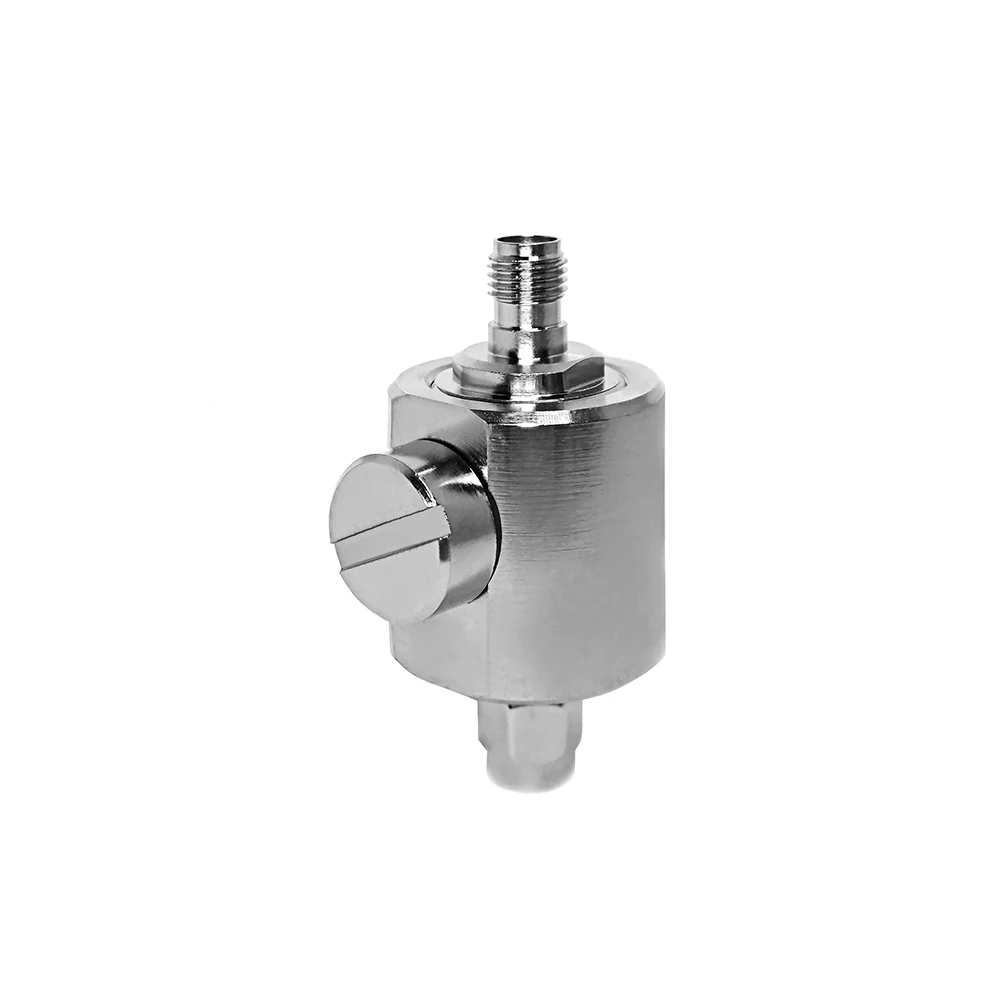
Engineering Sample Batches: Using initial sample runs to evaluate PCB footprints, hand-soldering access, and cable crimp retention allows custom center contact lengths or right-angle body transitions to be verified without inventory risk.
-
Empirical Evidence Verification: Setting acceptance criteria early ensures meaningful data collection. Cable assemblies require pre-shipment insertion-loss and VSWR sweep charts, while standalone board connectors focus on pin concentricity, plating thickness, and mating retention force.
-
Controlled Pilot Releases: Archiving initial drawing revisions, material certifications, plating reports, and approved fit deviations establishes a clear baseline, preventing prototype samples from being misconstrued as unreleased production standards.
-
Volume Scaling Triggers: Defining clear commercial transition triggers—such as formal sample sign-off, yield verification, and rolling demand forecasts—smooths the path from pilot runs to recurring volume orders.
Reducing Project Risk Without Compromising Quality Standards
Small-batch ODM engineering separates two distinct operational decisions: "Is this the correct connector configuration for our system?" and "How many finished parts should be stocked in the warehouse?" Disentangling these choices yields clearer feedback loops. Engineering teams evaluate real hardware in actual enclosures, while an RF connector manufacturer identifies which machining tolerances, material grades, or assembly fixtures require tightening prior to full-scale manufacturing.
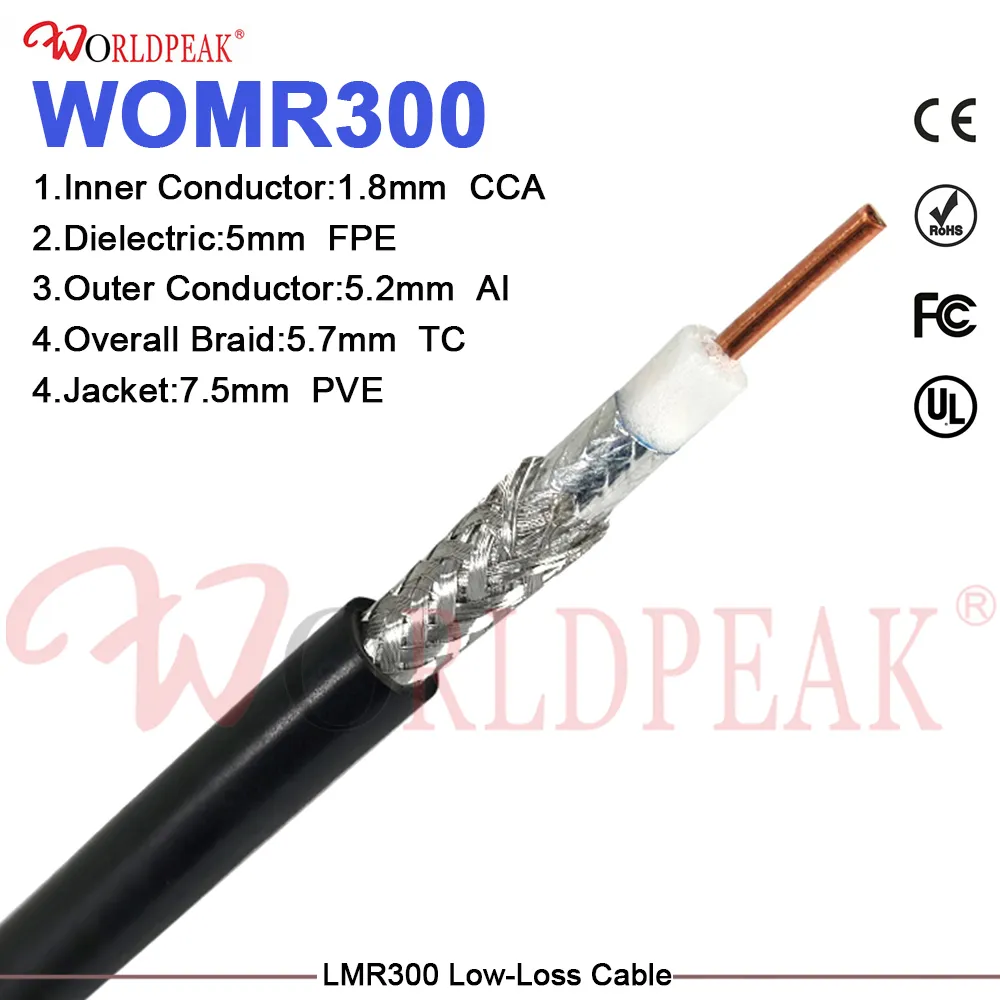
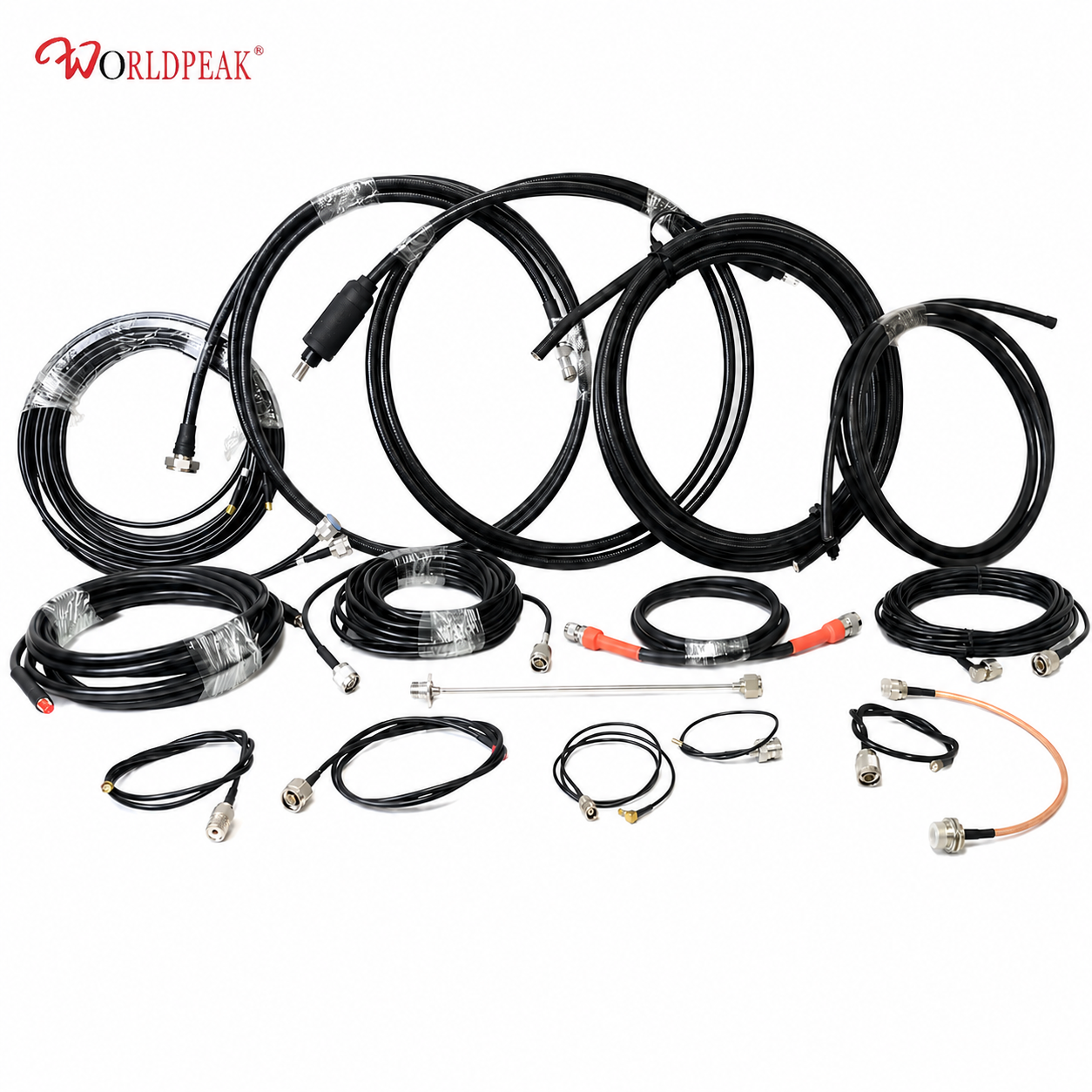
Working across frequencies from DC through 18 GHz demands consistent manufacturing discipline regardless of lot size. Evaluating a custom RF cable assembly or specialized PCB connector requires high-precision CNC lathe tolerances, tight dielectric pin containment, and automated electrical verification.
RFQ Checklist for Evaluating RF Connector Manufacturers
When evaluating potential manufacturing partners, use the RFQ stage to test technical transparency alongside unit pricing. A capable RF connector manufacturer who clearly explains the transition from engineering samples to mass production makes design adjustments seamless down the road.
-
Quantity Differentiation: Clearly separate prototype sample needs and initial pilot quantities from long-term volume forecasts.
-
Drawing & Footprint Release: Attach detailed CAD models, highlighting critical dimensions, impedance expectations, and mating interface standards.
-
Environmental Operating Specs: Document operating temperature ranges, vibration profiles, moisture exposure, or chemical washdown limits.
-
Tooling & Modification Limits: Clarify which feature changes can be made after first-article inspection without incurring new tooling or setup charges.
-
Pilot Acceptance Criteria: Agree on required validation documentation, including dimensional inspection reports, visual plating checks, or RF sweep charts.
-
Revision Traceability: Confirm formal change order procedures and drawing revision controls governing future production runs.
Eliminating Sourcing Ambiguity Before Batch Release
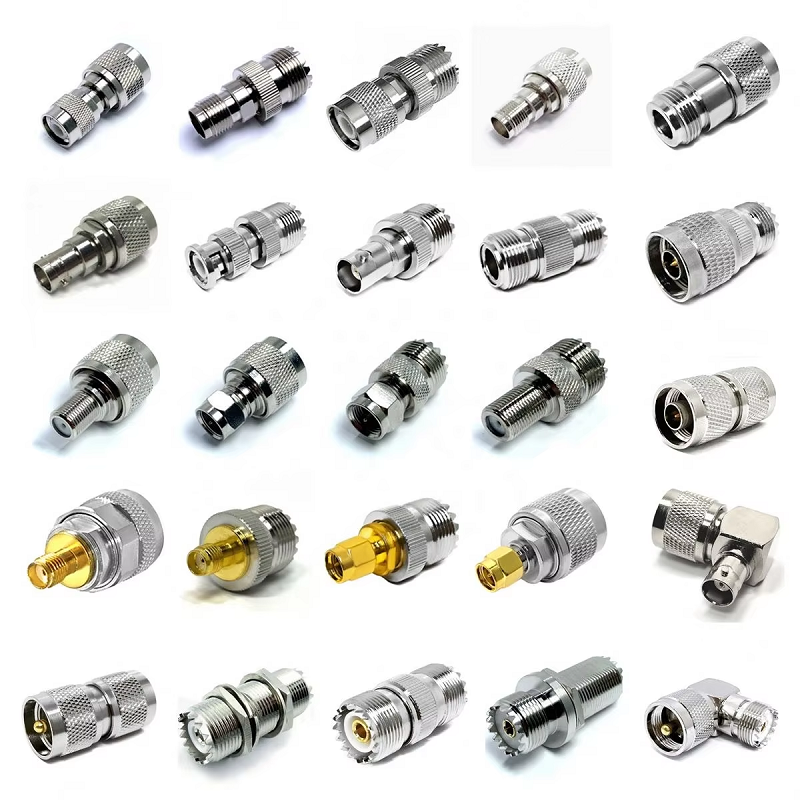
Flexible MOQ terms yield maximum value when procurement teams provide comprehensive technical parameters up front rather than treating a vendor as a quick-turn machine shop. Requesting "an SMA-style connector" provides far less utility than specifying the exact mating series, cable type, panel depth, frequency spectrum, and whether the component will be hand-soldered or automated via SMT reflow.
Before placing a pilot order for custom RF connectors, issue a joint release document outlining drawing revisions, approved mating counterparts, cable termination procedures, and acceptance test plans. This shared baseline prevents internal misalignment between design engineering, line operations, and procurement.
Request a clear breakdown of practical MOQs across each production stage: initial engineering samples, pilot runs, and volume production. Setup costs, raw bar stock purchasing, plating barrel minimums, and packaging setups scale differently. A transparent partner lays out these trade-offs clearly, allowing engineering teams to choose the quantity that provides rigorous validation without generating excess scrap.
Building Scalable Supply Chain Partnerships
Successfully navigating high-frequency hardware development depends on a supply chain structured to support iterative design without imposing unnecessary cost burdens. Working with a vendor that balances small-batch flexibility with robust production capacity allows technical programs to move from early prototyping to volume manufacturing seamlessly.
For specialized connector engineering, custom interface development, and verified high-frequency cable assemblies designed to support low-volume pilot builds or full mass production, consult the interconnect specialists at