 EN
EN

7/16 DIN Connector Guide: High-Power RF Standard
2026/09/24
Choose a 7 16 connector for high-power RF: compare DIN and Type N, protect PIM margin, and apply field installation checks.
2026/09/14
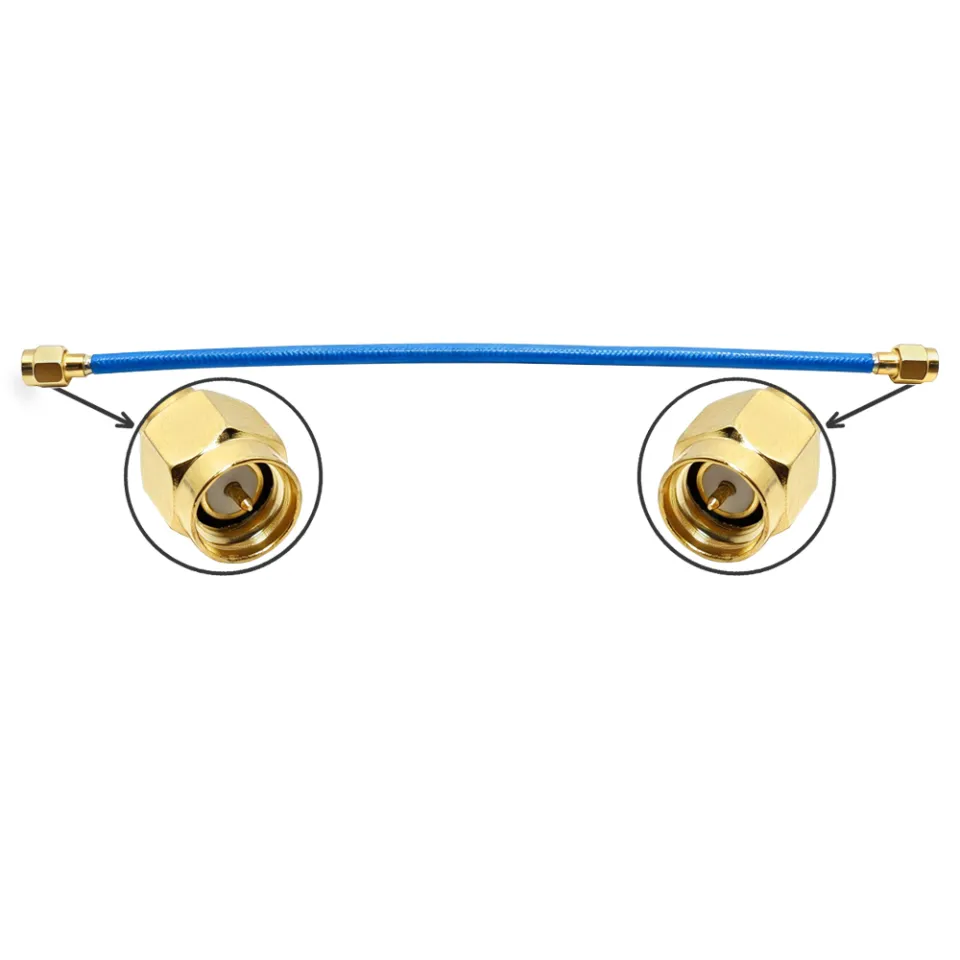
In professional broadcast, surveillance, and telecommunications environments, the BNC male connector remains the definitive quick-connect solution for coaxial signal paths. However, selecting a sub-standard coaxial connector or miscalculating impedance matching can quickly cause signal degradation, structural return loss, and costly downtime in high-frequency applications.
As a specialized manufacturer, WORLDPEAK designs and crafts each BNC connector to withstand demanding industrial stress while keeping signal attenuation at a minimum. This guide walks procurement officers and RF engineers through the technical specifications, physical assembly, and quality verification standards necessary to optimize every RF connector and video connector deployment.
A common pitfall during RF system integration is confusing 50 Ohm and 75 Ohm versions of the BNC male connector. Mismatched impedance creates standing waves, leads to high Voltage Standing Wave Ratio (VSWR), and causes reflection loss.
| Parameter | 50 Ohm BNC Male Connector | 75 Ohm BNC Male Connector |
|---|---|---|
| Primary Application | RF / Telecom / Test Equipment | HD Video / Broadcast / CCTV |
| Frequency Range | DC to 4 GHz | DC to 6 GHz (HD-SDI) |
| Dielectric Construction | Full Teflon / PTFE Insert | Reduced / Air Dielectric |
| Mating Compatibility | Mates with 50/75 Ohm female | Mates with 50/75 Ohm female |
| Typical Cable Types | RG58, RG142, LMR200 | RG59, RG6, Belden 1855A |
Mixing a 50 Ohm RF connector with a 75 Ohm coaxial connector path creates an impedance mismatch that severely impacts high-bitrate video streams, introducing ghosting and frame drops. For detailed overall system architectures, refer to the
The reliability of a BNC male connector depends directly on the metallurgy and plating specs chosen during manufacturing:
Achieving optimal performance with a video connector requires precise physical assembly. Improper stripping or loose crimping introduces moisture ingress and impedance spikes.
Stripping Preparation -> Insert Dielectric -> Crimp Pin -> Secure Ferrule -> VSWR Inspection
To guarantee zero-defect delivery for mass production orders, WORLDPEAK subjects every BNC male connector production batch to stringent quality assurance checks:
表格
| Inspection Phase | Test Equipment | Standard Criteria |
|---|---|---|
| Electrical Performance | Vector Network Analyzer (VNA) | VSWR < 1.15 @ 3 GHz; Insertion < 0.2dB |
| Mechanical Integrity | Pull-Force Tester | Retention Strength > 220 N |
| Environmental Endurance | Salt Spray Test Chamber | 48-Hour Corrosion-Free Pass |
| Contact Resistance | Micro-Ohm Meter | Center Pin Contact < 1.5 mOhm |
Every RF connector dispatched from our ISO9001-certified facility complies with RoHS and REACH environmental guidelines, ensuring seamless integration into global OEM projects.
Even high-grade coaxial connector units can suffer performance drops if poorly handled in the field. Below are common field failure modes and how to resolve them:
By pairing the correct 50 Ohm or 75 Ohm BNC connector with professional assembly tools and strict inspection workflows, broadcast operators and telecommunications engineers can guarantee long-term signal integrity across their network. For custom OEM cable assemblies, low MOQ requirements, and wholesale inquiries, contact the engineering support team at
2026/09/24
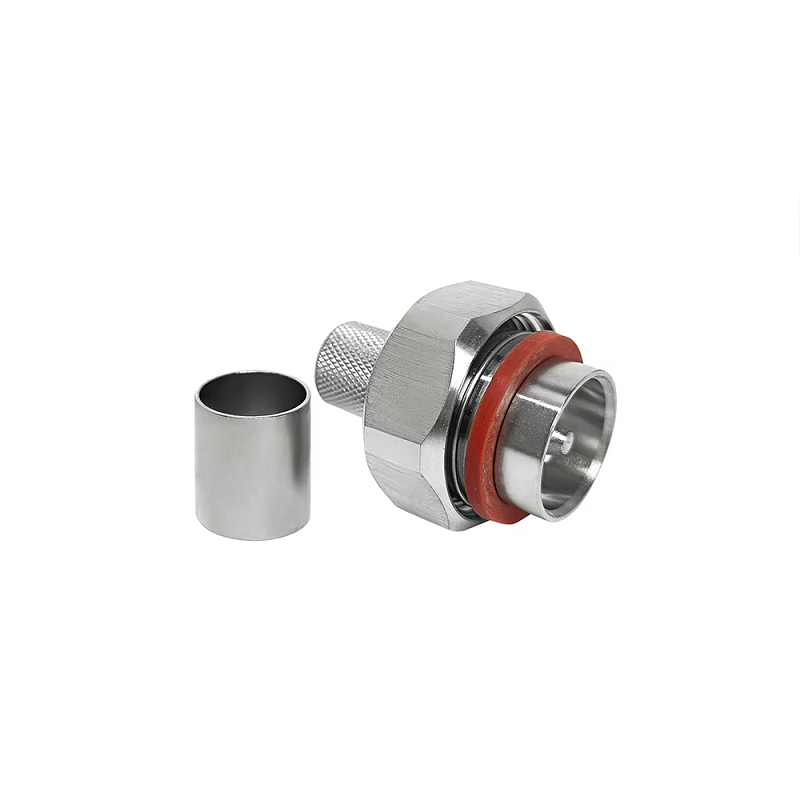
Choose a 7 16 connector for high-power RF: compare DIN and Type N, protect PIM margin, and apply field installation checks.
2026/09/24
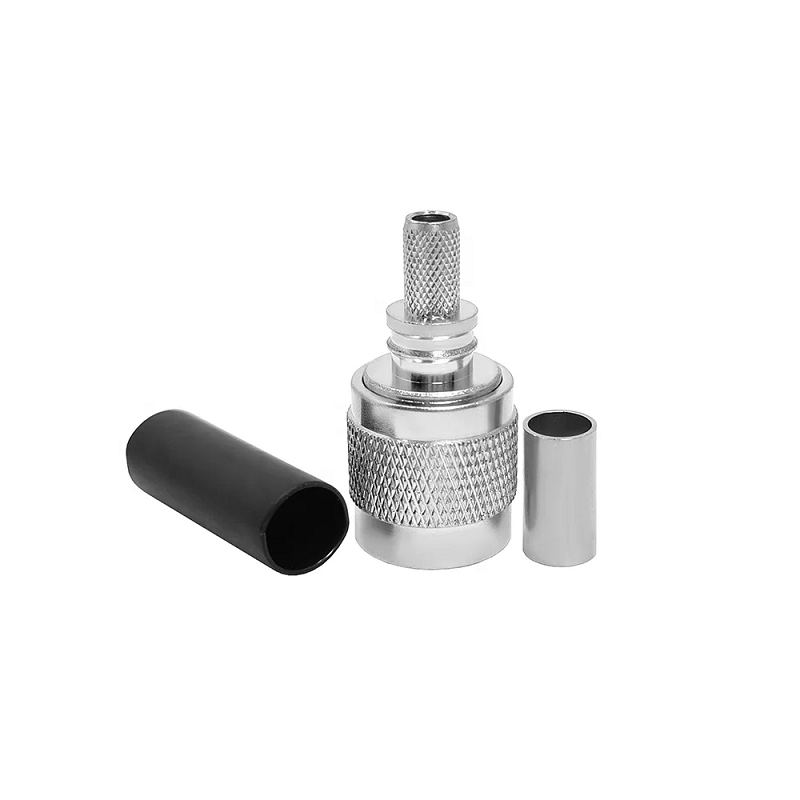
Compare TNC connector types, specs and applications, including RP-TNC, bulkhead options, vibration performance and adapter selection.
2026/09/24
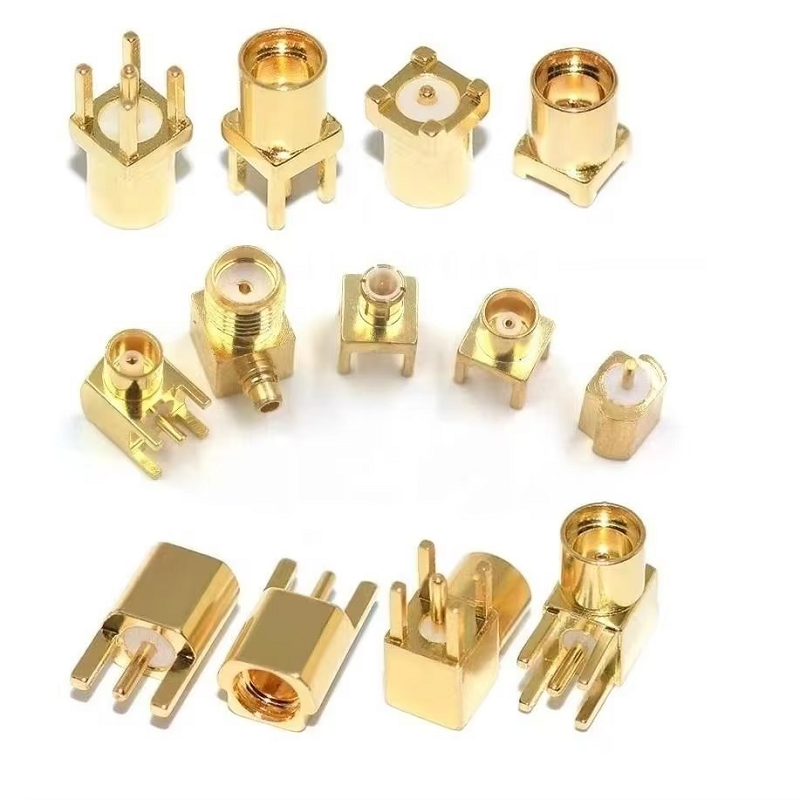
Understand MMCX connector basics, RF limits, and how to choose the right coaxial interface for compact systems.
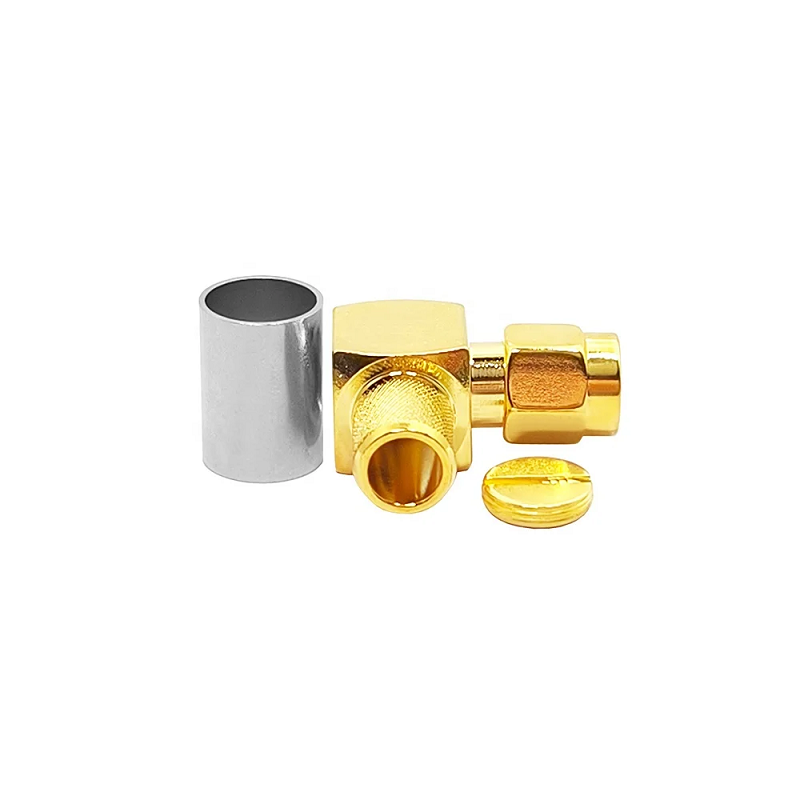
2026/09/24
Understand RP-SMA connector polarity, mating rules, frequency checks, and OEM termination options for reliable RF builds.
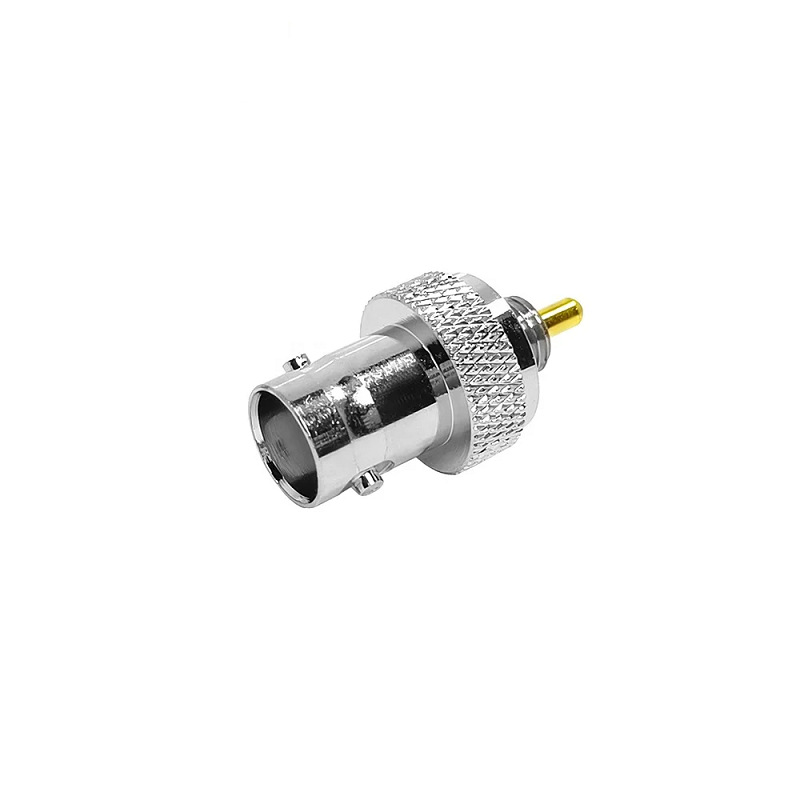
2026/09/24
Choose the right bnc male connector for RF, CCTV and test systems with clear 50Ω vs 75Ω, type and installation guidance.
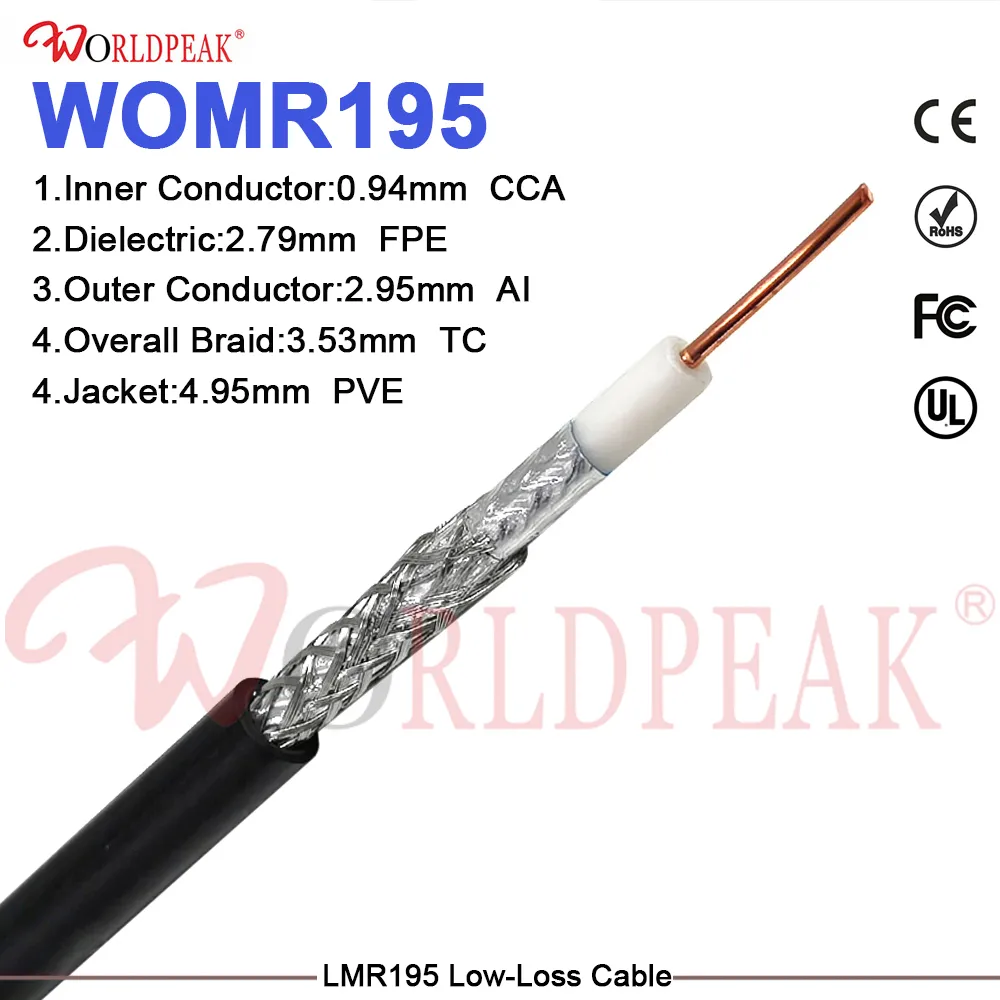
2026/09/24
Compare LMR400 specs, cable loss, uses, connectors and RG8/RG213 alternatives with a practical RF loss-budget method.