 EN
EN

7/16 DIN Connector Guide: High-Power RF Standard
2026/09/24
Choose a 7 16 connector for high-power RF: compare DIN and Type N, protect PIM margin, and apply field installation checks.
2026/09/14
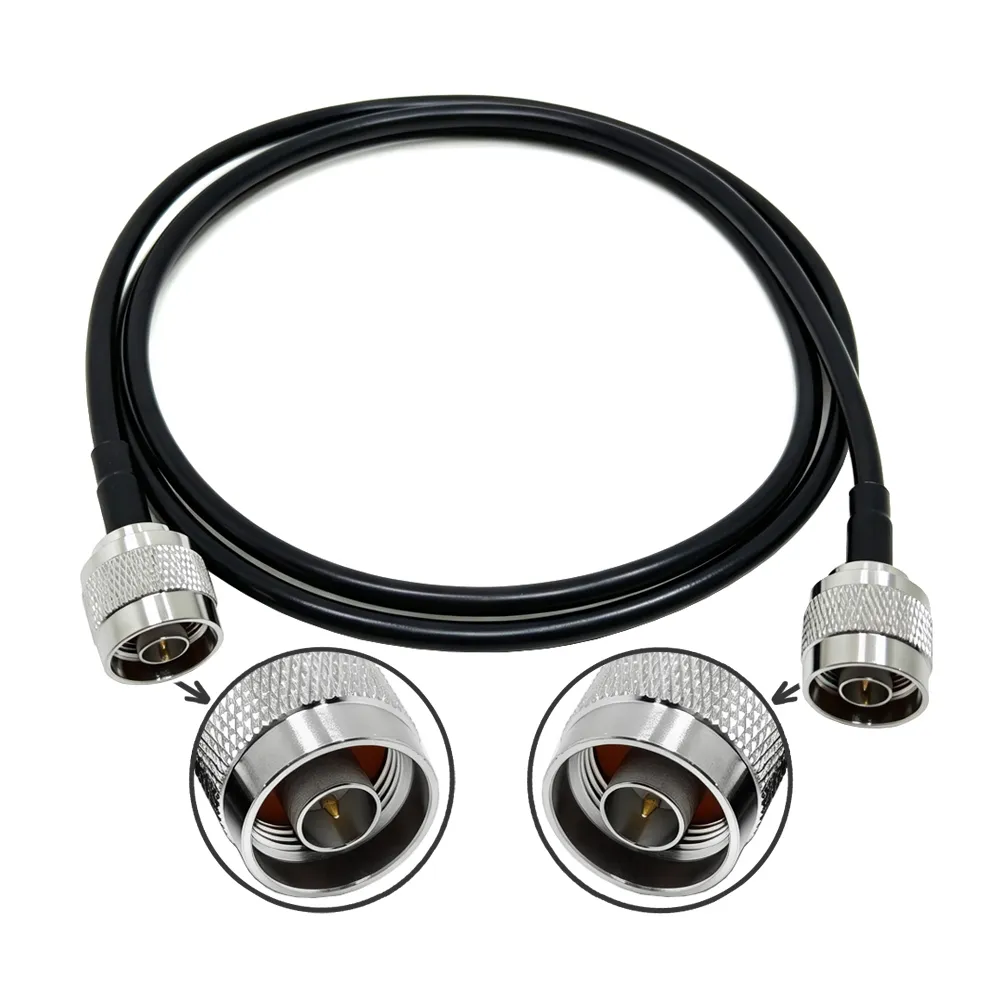
In modern wireless telecommunications, base station infrastructure, and high-frequency RF test systems, signal integrity is the single most critical operational parameter. System engineers and procurement specialists frequently evaluate component selection based on how an N-type female connector enhances overall RF connector performance. A high-precision N-type female connector is engineered to eliminate signal attenuation, eliminate reflections caused by poor impedance matching, and maintain mechanical stability in harsh environments. As a leading global RF interconnect manufacturer, WORLDPEAK manufactures precision-engineered connector solutions designed for mission-critical deployments where signal loss is unacceptable.
Understanding the direct link between mechanical design and RF connector performance allows engineering teams to optimize system efficiency, reduce downtime, and meet stringent compliance standards. This technical analysis explores how an N-type female connector improves signal performance across impedance matching, loss reduction, and outdoor durability.
The foundation of high-level RF connector performance is absolute impedance matching. When an RF signal transitions from a coaxial cable to an N-type female connector, any localized variance in internal dimensions disrupts the electromagnetic wave, leading to higher Voltage Standing Wave Ratio (VSWR) and signal reflection.
An N-type female connector achieves precise impedance matching through strictly controlled coaxial geometry. By maintaining an exact inner-to-outer conductor ratio filled with premium PTFE (Teflon) dielectric insulators, the N-type female connector stabilizes continuous 50-ohm transmission up to 11 GHz and extended 18 GHz frequencies.
By ensuring strict impedance matching, an N-type female connector prevents power back-reflection toward the transmitter module, optimizing power efficiency and protecting sensitive RF power amplifiers from thermal damage.
Insertion loss directly dictates how much signal power is wasted as heat during transmission. Utilizing a low insertion loss connector ensures that fragile signals from antennas or remote radio units (RRUs) arrive at the receiver with maximum strength. An optimized N-type female connector functions as a low insertion loss connector by minimizing both conductor and dielectric losses.
WORLDPEAK utilizes high-conductive beryllium copper or phosphor bronze for the central socket contact of each N-type female connector. Combined with heavy gold plating over nickel undercoats, this low insertion loss connector design drastically reduces surface skin-effect resistance at high frequencies.
| Key Performance Parameter | Standard Industry RF Connector | WORLDPEAK N-Type Female Connector | Technical Impact on Signal Integrity |
|---|---|---|---|
| Impedance Matching | 50 Ohm (± 2.5 Ω variance) | 50 Ohm (Strict ± 0.5 Ω tolerance) | Eliminates signal bounce-back and VSWR spikes |
| Insertion Loss (0–6 GHz) | ≤ 0.25 dB | ≤ 0.10 dB (Low insertion loss connector) | Maximizes RF coverage range and receiver sensitivity |
| VSWR (DC to 6 GHz) | ≤ 1.30 | ≤ 1.12 (Optimized RF connector performance) | Delivers seamless power transfer from cable to port |
| Weatherproof Rating | Unsealed / IP65 | IP67 / IP68 (Weatherproof RF connector) | Prevents moisture ingress and oxidation-induced PIM |
| Passive Intermodulation | -140 dBc | ≤ -160 dBc @ 2x43 dBm | Prevents carrier interference in 4G/5G networks |
Choosing a low insertion loss connector directly enhances RF connector performance across wireless base stations, DAS systems, and outdoor microwave links. Every fraction of a decibel saved by a low insertion loss connector translates into expanded wireless coverage and reduced energy consumption.
In outdoor wireless deployments, environmental degradation is the primary cause of signal degradation over time. Rain, humidity, saltwater spray, and extreme temperature cycling can oxidise internal contacts, leading to passive intermodulation (PIM) and extreme signal drop-offs. An N-type female connector engineered as a weatherproof RF connector eliminates these field failure risks.
A dedicated weatherproof RF connector incorporates internal silicone O-rings and precision-machined threaded interfaces that form a hermetic seal against liquid and dust ingress. WORLDPEAK integrates MIL-STD-202 compliant plating materials (such as Tri-Metal or Passivated Stainless Steel) on every N-type female connector, ensuring long-term anti-corrosion resilience.
By serving as a reliable weatherproof RF connector, the N-type female connector guarantees consistent impedance matching and stable low insertion loss connector capabilities even under aggressive outdoor weather conditions.
As modern cellular networks compress more frequency channels into tight spectra, Passive Intermodulation (PIM) has become a primary bottleneck for overall RF connector performance. Poor mechanical contact, non-linear materials, or micro-corrosion inside an N-type female connector generate unwanted signal harmonics, crippling network capacity.
To safeguard signal integrity, an N-type female connector must deliver exceptional Low PIM execution:
An OEM-grade N-type female connector manufactured under strict Quality Management Systems (ISO9001/RoHS) provides consistent Low PIM performance (≤ -160 dBc), ensuring clean multi-carrier transmission in 5G infrastructure.
When sourcing components for large-scale infrastructure projects, verifying the manufacturer's quality control workflow is critical for maintaining long-term RF connector performance. A high-spec N-type female connector relies on precise machining tolerances (within ±0.005mm) to maintain exact impedance matching across production batches.
For global buyers, partnering directly with experienced manufacturers like WORLDPEAK provides complete customization options, OEM/ODM flexibility, low MOQ thresholds, and transparent supply chain traceability. Upgrading to a precision-engineered N-type female connector ensures your RF systems achieve maximum signal performance, lower field maintenance costs, and long-term operational stability.
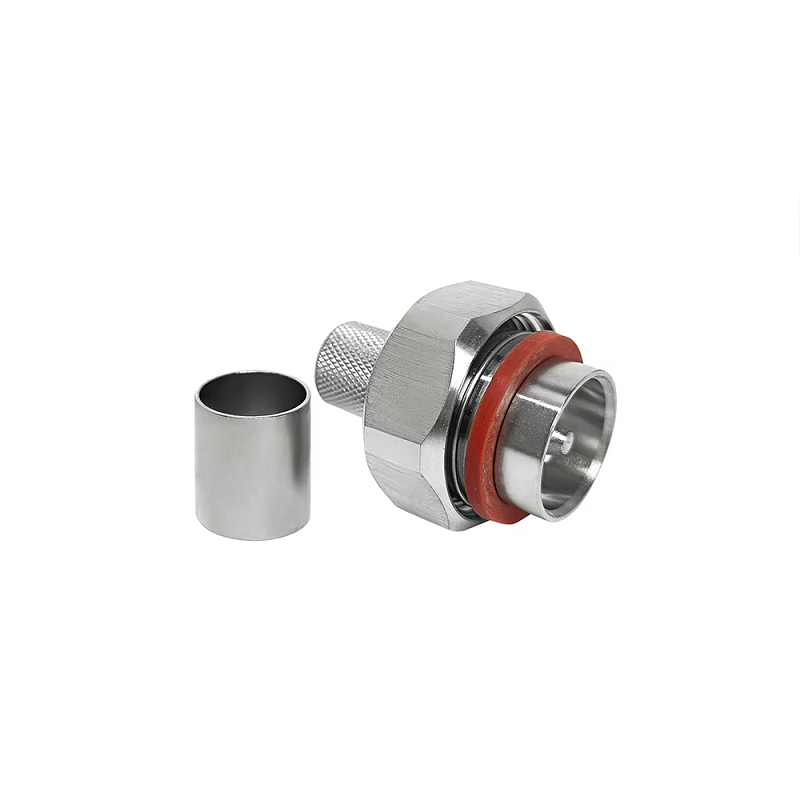
2026/09/24
Choose a 7 16 connector for high-power RF: compare DIN and Type N, protect PIM margin, and apply field installation checks.
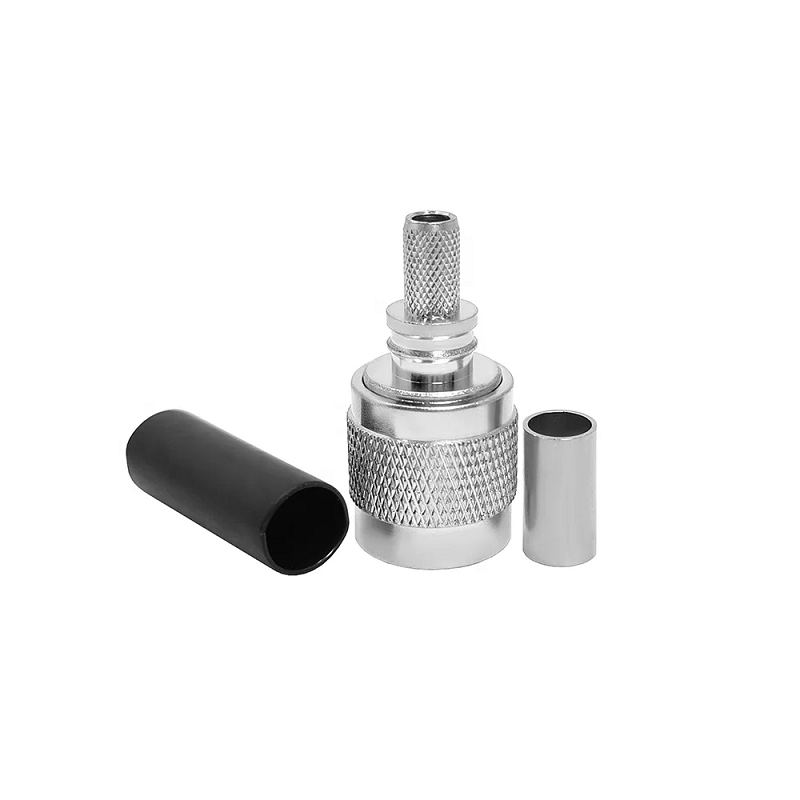
2026/09/24
Compare TNC connector types, specs and applications, including RP-TNC, bulkhead options, vibration performance and adapter selection.
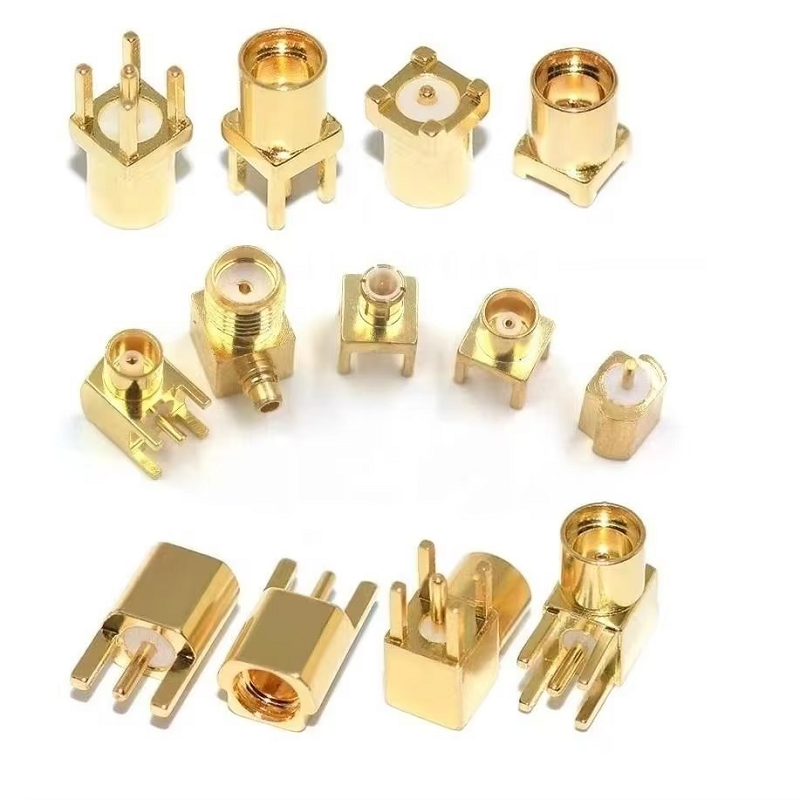
2026/09/24
Understand MMCX connector basics, RF limits, and how to choose the right coaxial interface for compact systems.
2026/09/24
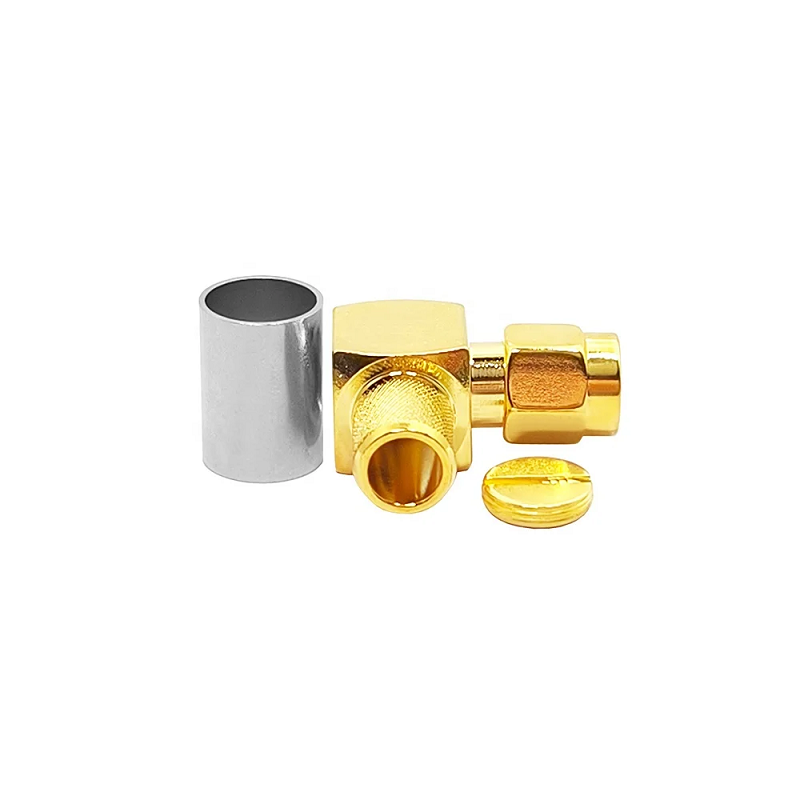
Understand RP-SMA connector polarity, mating rules, frequency checks, and OEM termination options for reliable RF builds.
2026/09/24
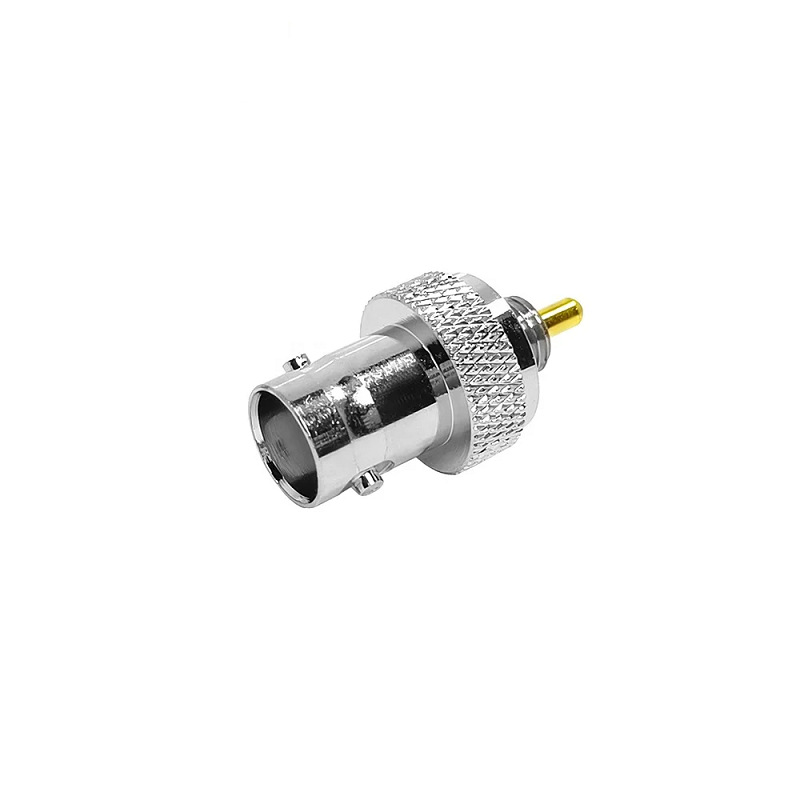
Choose the right bnc male connector for RF, CCTV and test systems with clear 50Ω vs 75Ω, type and installation guidance.
2026/09/24
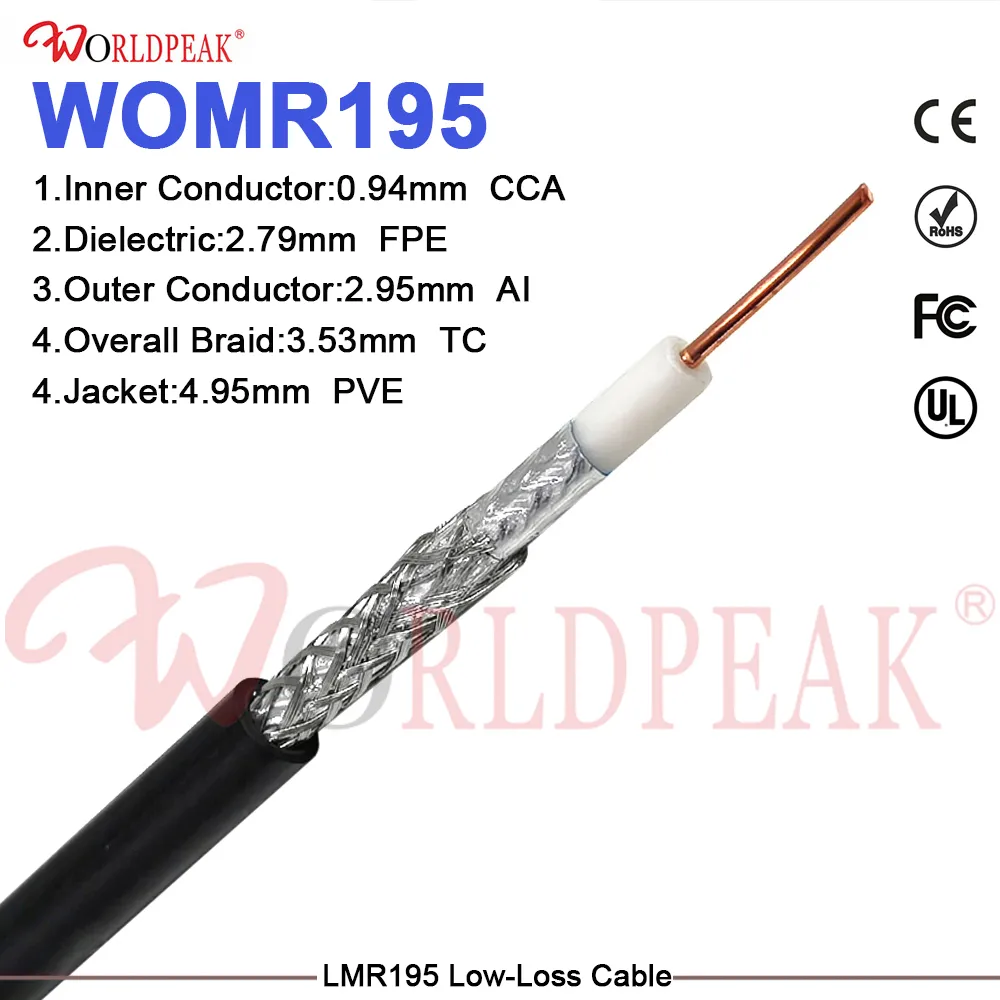
Compare LMR400 specs, cable loss, uses, connectors and RG8/RG213 alternatives with a practical RF loss-budget method.