 EN
EN

7/16 DIN Connector Guide: High-Power RF Standard
2026/09/24
Choose a 7 16 connector for high-power RF: compare DIN and Type N, protect PIM margin, and apply field installation checks.
2026/09/10
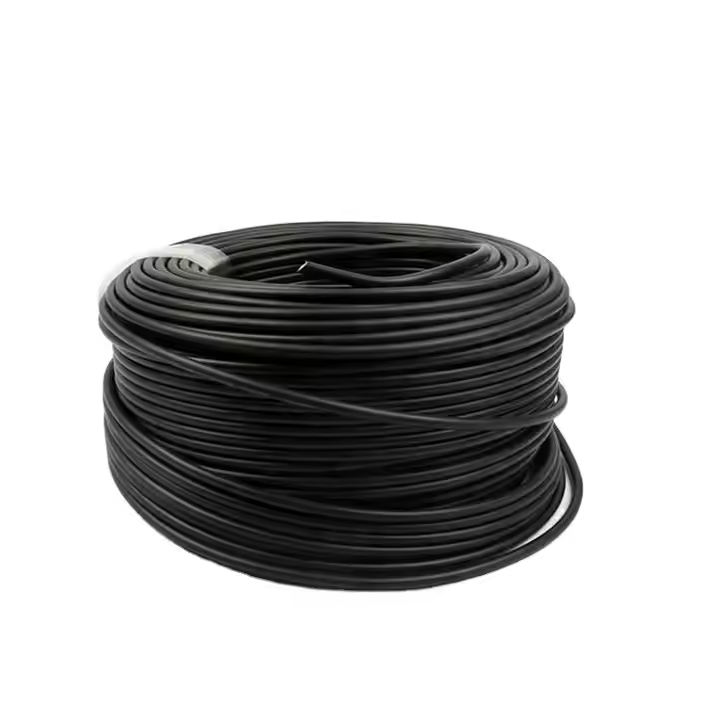
Radio frequency system architecture depends heavily on choosing the right transmission line for every interconnect. While heavy-duty rigid cables handle main tower feedlines and miniature micro-coax cables fit inside shielded PCB enclosures, intermediate station routing demands a practical compromise. Achieving flexible cable routing behind cramped equipment racks without incurring high signal attenuation remains a key goal for radio operators and RF engineers.
Among intermediate flexible transmission lines, the RG8X coax cable occupies a unique sweet spot. Offering significantly lower attenuation than thin alternatives like RG-58 or RG-316 while remaining vastly more bendable than thick RG-8 or LMR-400 lines, an RG-8X jumper provides an ideal solution for short-run interconnections. Understanding electrical attenuation parameters, connector termination options, and physical handling limits allows system integrators to build efficient signal pathways.
Evaluating the internal geometry and material composition of an RG8X coax line explains why it performs so well in short-distance signal routing. Featuring a stranded central conductor paired with foam insulation, this low loss coax jumper maintains low signal absorption across HF and VHF bands.
表格
| Physical & Electrical Parameter | Specification Standard | Technical Impact & Design Notes |
|---|---|---|
| Nominal Outer Diameter | 6.10 mm (0.240 inches) | Compact diameter fits tight radio rack gaps |
| Center Conductor Geometry | Stranded Tinned Copper (16 AWG) | High flex life; resists fatigue from vibration |
| Dielectric Material | Foam Polyethylene (FPE) | Lowers signal attenuation vs solid PE cores |
| Shield Braid Coverage | Tinned Copper (~95% Coverage) | Blocks localized interference and stray RF |
| Nominal Impedance | 50 Ohms | Standard impedance match for transceivers |
| Velocity of Propagation | ~78% to 82% | Higher velocity factor shortens physical runs |
| Power Handling Capacity | Up to 1000W PEP (sub-30 MHz) | Handles high-power HF linear amplifiers |
The foam polyethylene dielectric reduces overall dielectric loss compared to older solid polyethylene designs, giving an RG8X cable assembly an edge in transmission efficiency across short distances.
Signal attenuation increases linearly with line length and exponentially with operating frequency. Calculating cumulative dB loss prevents unexpected signal drops in critical receiver paths.
| Jumper Cable Length | Loss at 150 MHz (VHF) | Loss at 450 MHz (UHF) | Loss at 900 MHz (Cellular/ISM) |
|---|---|---|---|
| 1.0 Meter (~3.3 ft) | ~0.05 dB | ~0.08 dB | ~0.13 dB |
| 3.0 Meters (~9.8 ft) | ~0.14 dB | ~0.24 dB | ~0.38 dB |
| 5.0 Meters (~16.4 ft) | ~0.23 dB | ~0.40 dB | ~0.63 dB |
| 10.0 Meters (~32.8 ft) | ~0.46 dB | ~0.80 dB | ~1.25 dB |
For interconnections under three meters, high-quality rg8x coax jumpers add negligible insertion loss to the system, making them ideal for linking transceivers to antenna tuners, wattmeters, and power amplifiers. However, when main feedline runs exceed ten meters at UHF frequencies, upgrading to thicker coax types like RG-213 or LMR-400 limits line loss.
Choosing the right connector type for an RG8X cable assembly depends on environmental exposure, operating frequency, and mating interface requirements:
For exterior installations, specifying gold-plated or silver-plated center pins on an RG-8X jumper ensures maximum contact conductivity and long-term corrosion resistance.
In a multi-band radio station deployment, technicians required flexible interconnects to join transceivers, swr meters, low-pass filters, and linear amplifiers arranged inside a dense vertical equipment rack.
Using rigid or heavy coax lines like LMR-400 inside tight rack spaces placed severe strain on equipment chassis sockets, risking internal PCB solder fractures. By deploying customized 1.5-meter rg8x coax jumpers terminated with silver-plated PL-259 plugs, installers routed six clean interconnect paths behind the equipment stack.
The complete low loss coax jumper harness delivered a total insertion loss under 0.5 dB at 14 MHz while providing enough physical flexibility to allow fast equipment servicing without straining rear panel sockets.
Achieving maximum service life from intermediate flexible cables requires proper installation handling:
Delivering dependable high-frequency jumper lines requires automated cable stripping, precision contact crimping or soldering, and complete RF testing. Variations in braid density or improper connector seating lead to batch-to-batch performance discrepancies that disrupt system performance.
Worldpeak resolves these critical manufacturing challenges through advanced CNC machining, automated cable processing, and comprehensive quality testing standards. Supplying a complete range of rg8x coax jumpers, custom RG8X cable assembly options, low loss coax jumper leads, and precision RF adapters, Worldpeak manufactures products using premium brass bodies, heavy gold or silver contact plating, and high-purity foam dielectrics.
Available with customized lengths and pre-installed weatherproofing boots, every Worldpeak RG-8X jumper undergoes 100% automated continuity and VSWR testing to guarantee performance below 1.3:1 across designated bands. Whether equipping commercial radio stations, scaling marine communications networks, or sourcing high-volume industrial interconnects, partnering with an established manufacturer like Worldpeak ensures long-term signal clarity, thermal durability, and supply chain consistency.
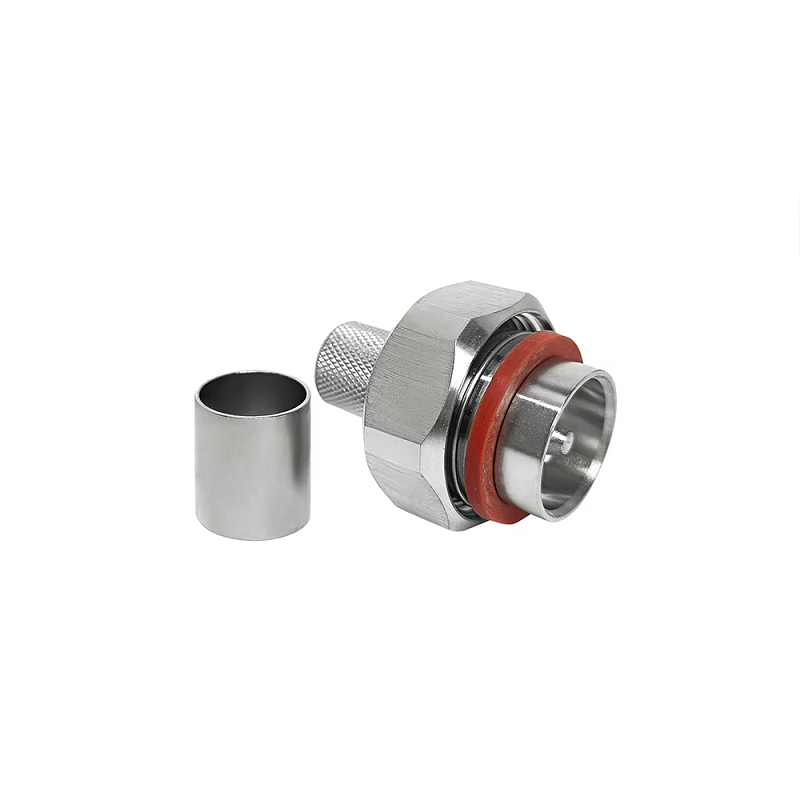
2026/09/24
Choose a 7 16 connector for high-power RF: compare DIN and Type N, protect PIM margin, and apply field installation checks.
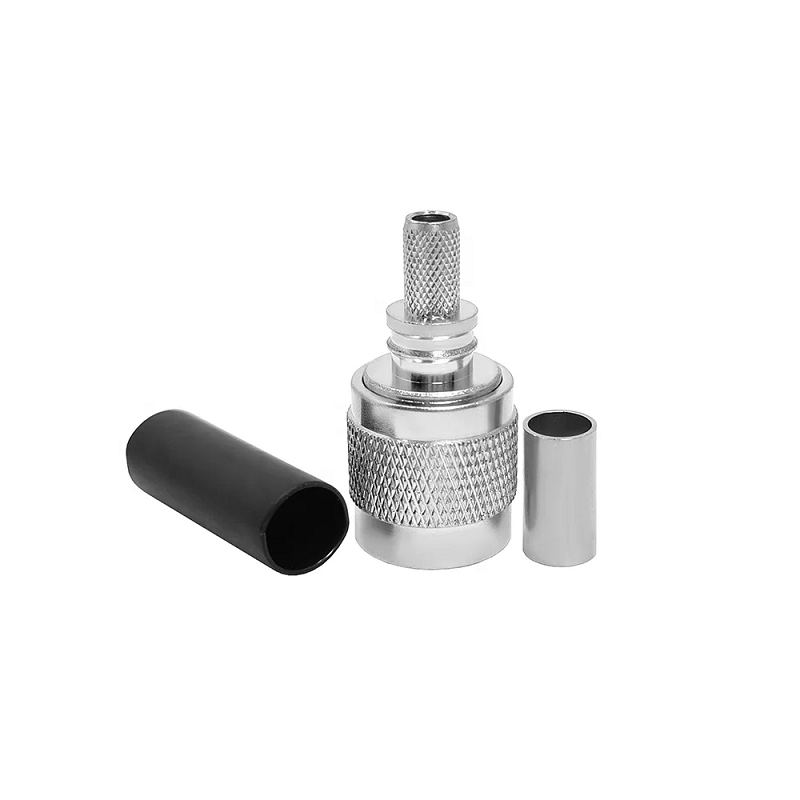
2026/09/24
Compare TNC connector types, specs and applications, including RP-TNC, bulkhead options, vibration performance and adapter selection.
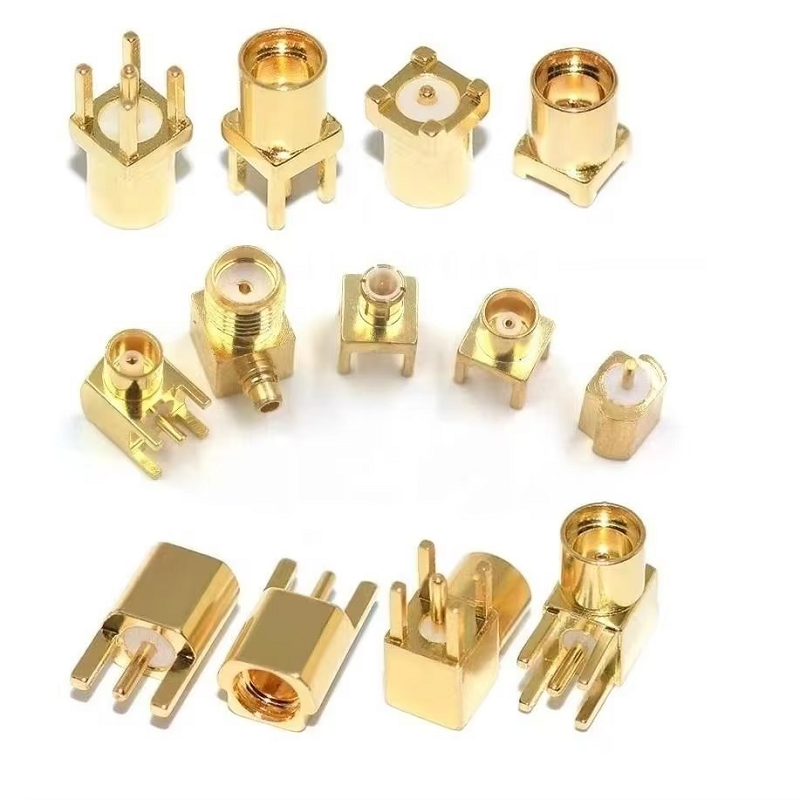
2026/09/24
Understand MMCX connector basics, RF limits, and how to choose the right coaxial interface for compact systems.
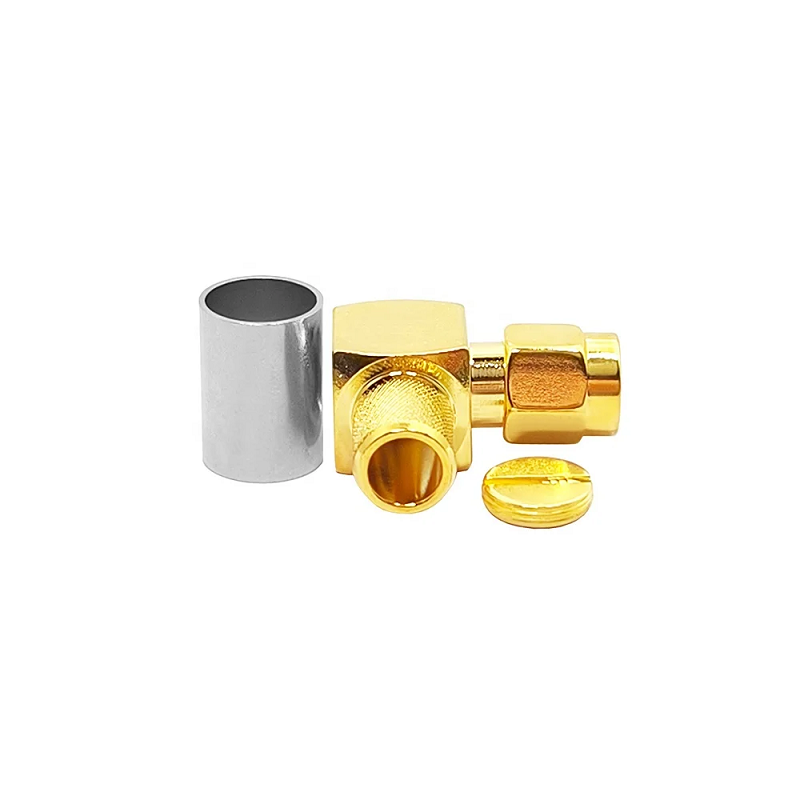
2026/09/24
Understand RP-SMA connector polarity, mating rules, frequency checks, and OEM termination options for reliable RF builds.
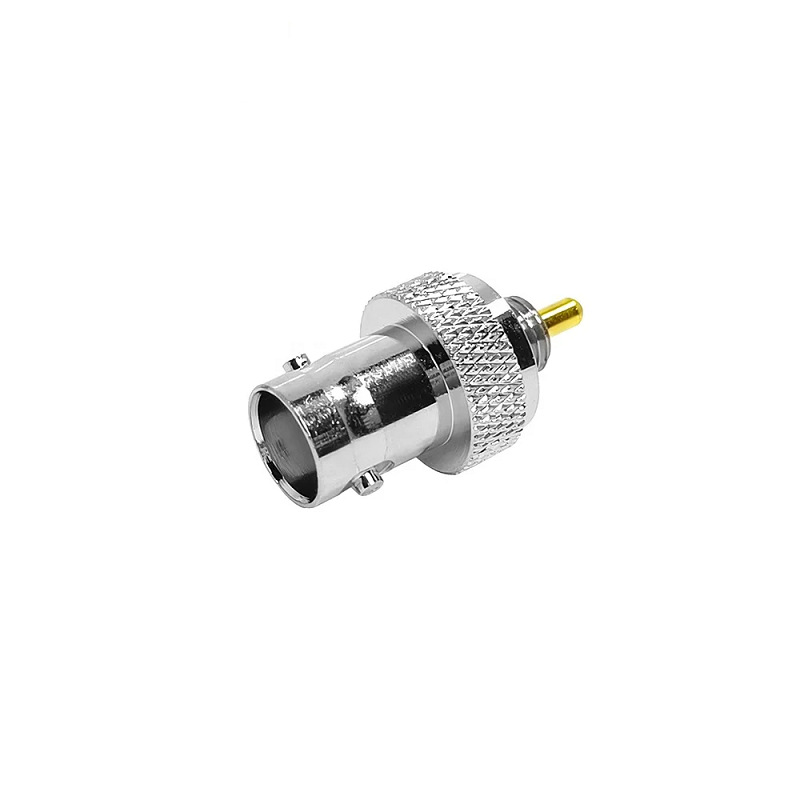
2026/09/24
Choose the right bnc male connector for RF, CCTV and test systems with clear 50Ω vs 75Ω, type and installation guidance.
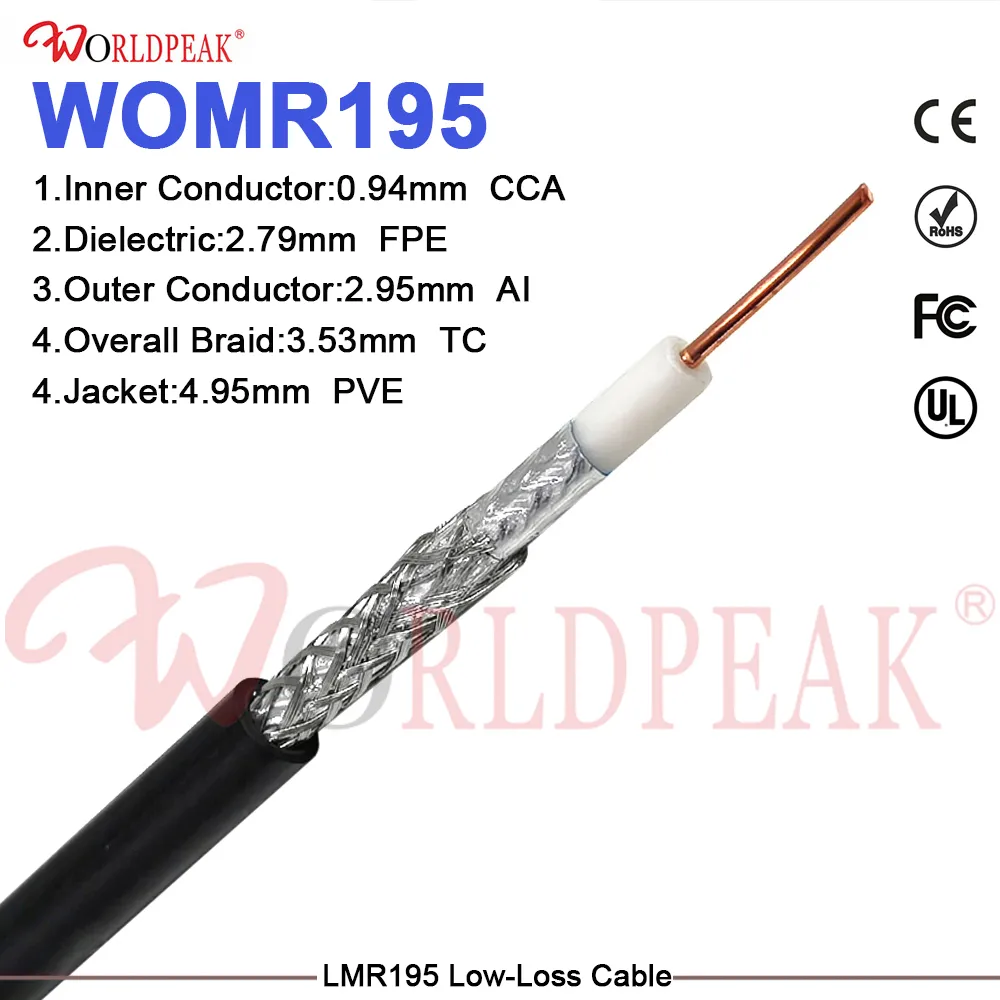
2026/09/24
Compare LMR400 specs, cable loss, uses, connectors and RG8/RG213 alternatives with a practical RF loss-budget method.