 EN
EN

7/16 DIN Connector Guide: High-Power RF Standard
2026/09/24
Choose a 7 16 connector for high-power RF: compare DIN and Type N, protect PIM margin, and apply field installation checks.
2026/09/10
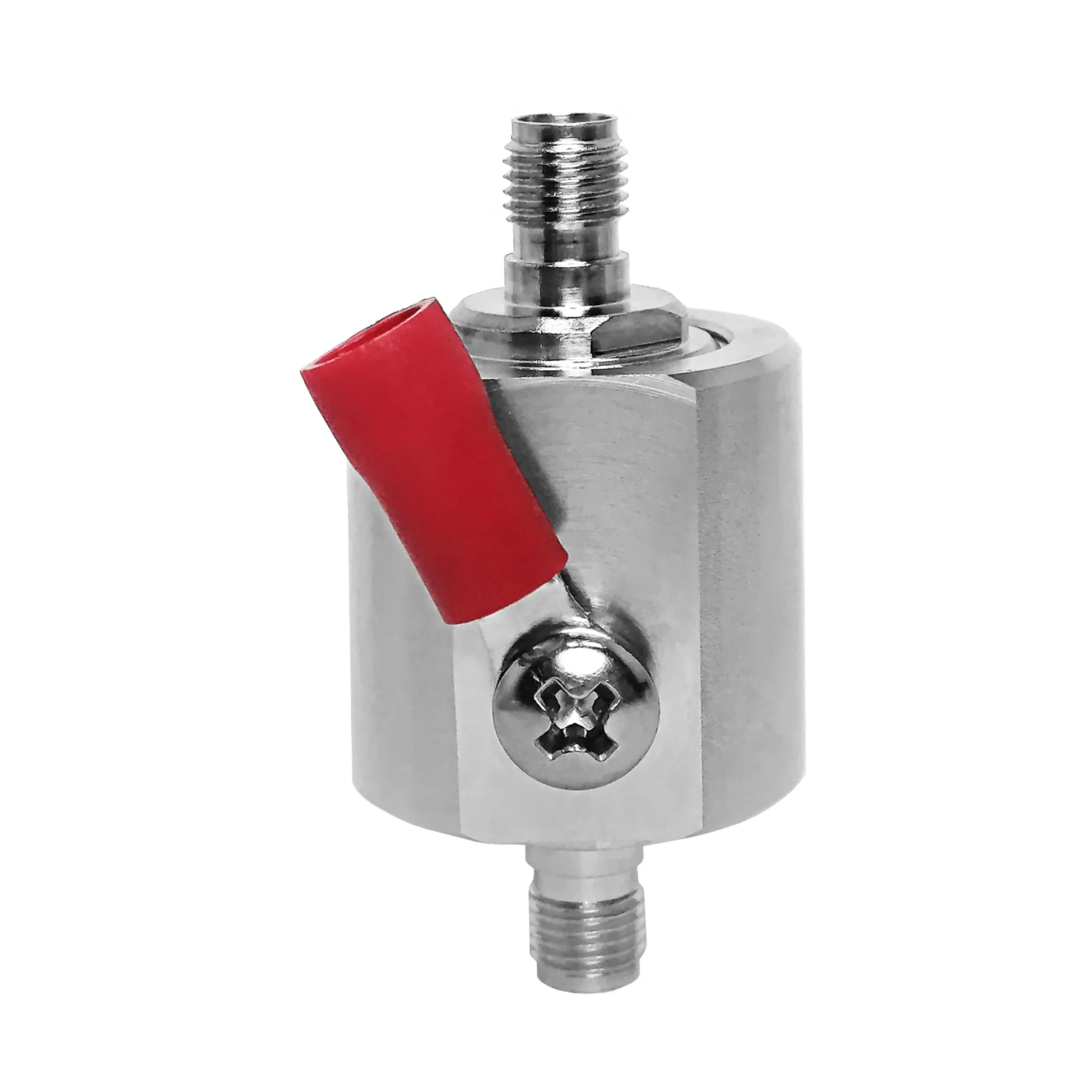
Modern wireless electronic design increasingly requires balancing miniaturization with high-performance RF communication. As compact circuit boards shrink to fit inside smart home sensors, wearable medical devices, and handheld industrial readers, internal component footprint becomes critical. Engineers frequently deploy ultra-miniature surface-mount interconnects on high-density printed circuit boards while relying on standard threaded connectors for external antenna interfaces.
Bridging these two distinct mechanical worlds requires a specialized jumper assembly. Connecting a micro-miniature IPEX connector socket on a radio module to an external panel-mount SMA jack depends on a reliable U.FL to SMA pigtail. Choosing the proper cable diameter, managing bend radiuses, and understanding mating cycle limitations ensures stable wireless coverage and prevents premature signal degradation in field-deployed devices.
To optimize high-frequency transmission paths, hardware engineers must match interface properties to the mechanical constraints of the product enclosure. The U.FL interface—often called an IPEX connector—serves as a miniature board-to-board or board-to-cable interconnect, whereas the standard SMA interface provides a heavy-duty, threaded connection for external antennas.
| Interface Metric | U.FL / IPEX Interface | Standard SMA Interface | Engineering Impact |
|---|---|---|---|
| Mating Profile Height | 2.0 mm to 2.5 mm | N/A (Threaded Coupling) | IPEX fits under tight shield cans |
| Operating Frequency | DC to 6 GHz | DC to 18 GHz | Covers Wi-Fi, Bluetooth, 5G NR |
| Rated Mating Cycles | ~30 Cycles | 500+ Cycles | U.FL is for fixed internal links |
| Coupling Mechanism | Snap-On Retention | 1/4-36 Threaded Engagement | SMA withstands external strain |
| Primary Deployment | PCB Module Output | External Panel Antenna Mount | Bridges internal PCB to chassis |
While a standard ufl sma connector assembly easily accommodates Wi-Fi 6E, Bluetooth Low Energy, and sub-6 GHz cellular bands, special care must be taken during assembly. Because a miniature IPEX connector features a delicate spring contact rated for approximately thirty mating cycles, repeated plugging during prototyping can loosen retention force, causing intermittent RF disconnections.
The flexible cable linking the internal snap-on socket to the external panel jack directly dictates insertion loss and physical routing ease inside compact housings. Choosing the right coax construction prevents sharp bends that cause impedance drops.
For short internal runs under 100 millimeters, a 1.13 mm ufl to sma lead adds negligible attenuation, making its tight bending capability a huge advantage for sleek product enclosures.
The ufl to sma interface jumper serves as a crucial signal link across numerous commercial and industrial wireless applications:
During a smart home gateway redesign utilizing an ESP32-S3 Wi-Fi module, engineers routed a 100 mm ufl sma connector lead along the outer chassis wall. By maintaining a clean bend radius and securing the cable near the SMA panel jack, the product comfortably passed three-meter drop tests and FCC compliance testing on the first attempt.
Handling micro-miniature RF components requires precise tools and disciplined assembly procedures to avoid damaging tiny circuit board pads:
Building reliable micro-coaxial assemblies requires high-precision automated stripping, delicate hand or automated soldering, and strict quality control. Minor variations in braid crimping or center pin alignment can cause severe VSWR spikes at five gigahertz.
Worldpeak meets these exacting hardware standards through automated precision assembly, advanced optical inspection, and complete high-frequency test protocols. Supplying a comprehensive catalog of ufl sma connector assemblies, custom ufl to sma jumper leads, panel-mount U.FL to SMA pigtail options, and precision compact RF adapter hardware, Worldpeak utilizes premium materials including gold-plated brass or stainless steel bodies, high-purity copper conductors, and durable PTFE dielectrics.
Available with standard or reverse-polarity SMA configurations, every Worldpeak micro-coaxial jumper undergoes 100% automated continuity and VSWR testing prior to packaging. Whether developing next-generation IoT gateways, upgrading industrial telemetry systems, or sourcing high-volume wireless interconnects, partnering with an established manufacturer like Worldpeak ensures low-loss transmission, mechanical durability, and seamless production scaling.
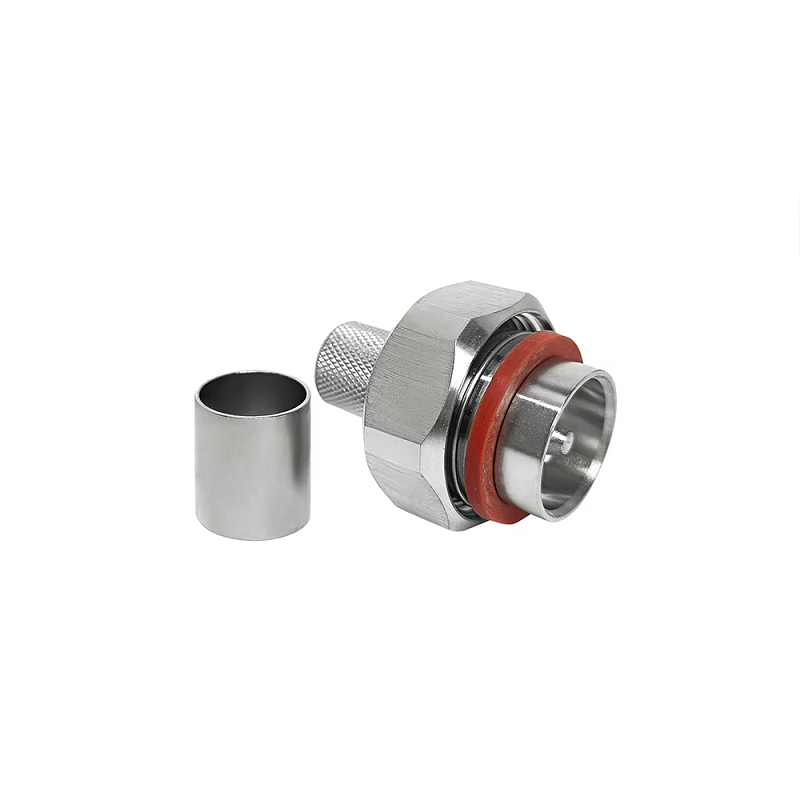
2026/09/24
Choose a 7 16 connector for high-power RF: compare DIN and Type N, protect PIM margin, and apply field installation checks.
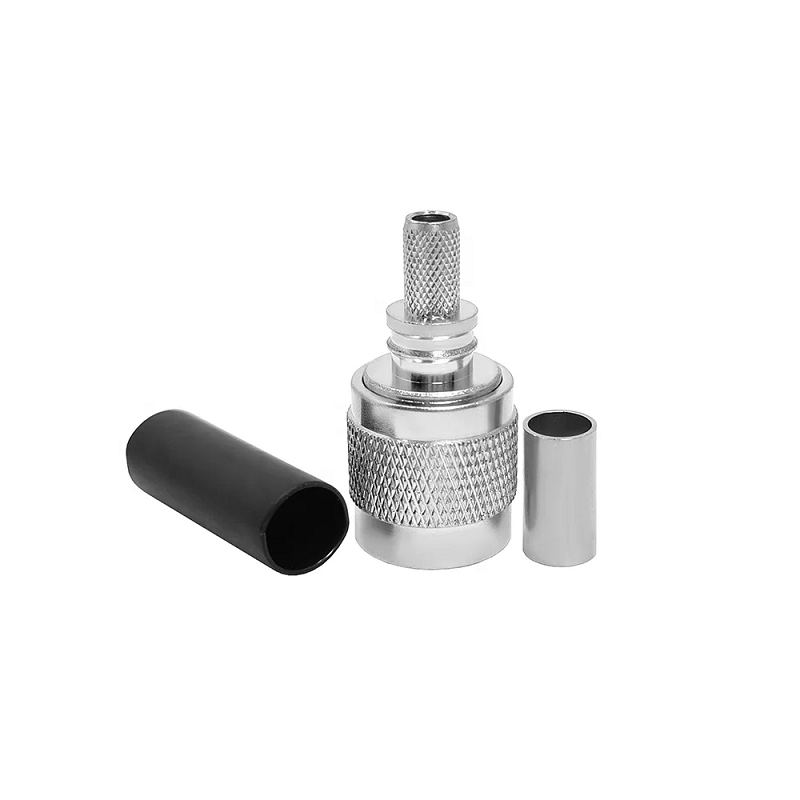
2026/09/24
Compare TNC connector types, specs and applications, including RP-TNC, bulkhead options, vibration performance and adapter selection.
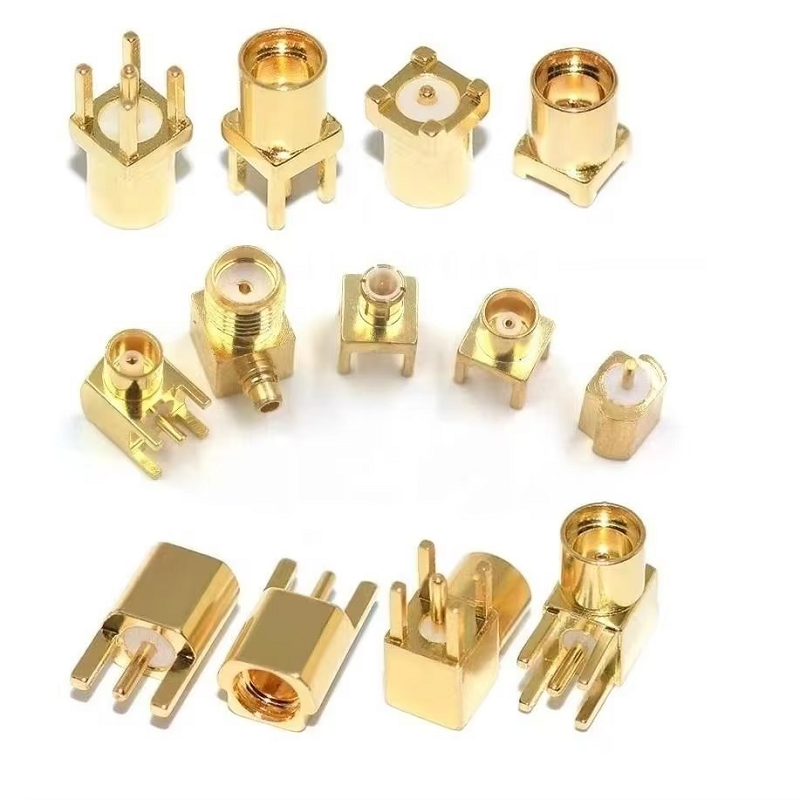
2026/09/24
Understand MMCX connector basics, RF limits, and how to choose the right coaxial interface for compact systems.
2026/09/24
Understand RP-SMA connector polarity, mating rules, frequency checks, and OEM termination options for reliable RF builds.
2026/09/24
Choose the right bnc male connector for RF, CCTV and test systems with clear 50Ω vs 75Ω, type and installation guidance.
2026/09/24
Compare LMR400 specs, cable loss, uses, connectors and RG8/RG213 alternatives with a practical RF loss-budget method.