 EN
EN

7/16 DIN Connector Guide: High-Power RF Standard
2026/09/24
Choose a 7 16 connector for high-power RF: compare DIN and Type N, protect PIM margin, and apply field installation checks.
2026/06/25
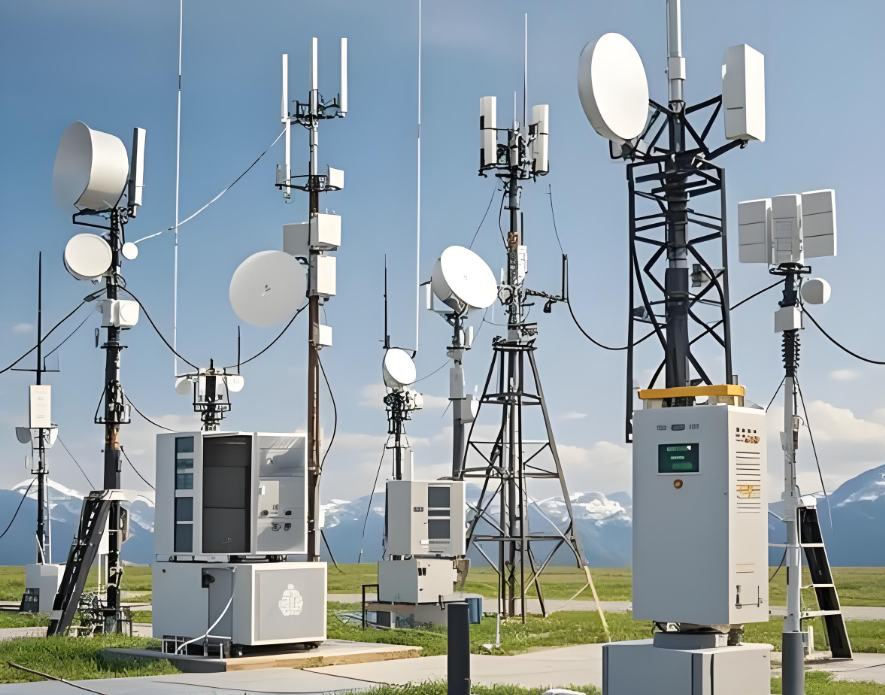
Lightning-related damage to communication facilities is a commonly underestimated yet extremely destructive hidden danger in modern wireless communication systems. Many engineering operators and equipment managers often focus on signal transmission efficiency and equipment operating stability while ignoring lightning surge risks. In fact, a single lightning strike or induced lightning surge is sufficient to paralyze and even completely destroy a full set of precision communication systems in an instant. Installing professional antenna-feeder surge protectors has therefore become a necessary guarantee to maintain unobstructed, stable, and low-loss RF signal transmission under extreme thunderstorm and surge interference environments.
With the comprehensive popularization and rapid iterative development of 5G mobile communication technology, various wireless signal systems including full-coverage wireless networks, long-distance satellite communication systems, high-precision GPS positioning systems, and wireless broadcast transmission networks have been widely deployed across multiple key fields. These RF-dependent systems serve as the core infrastructure of modern society, supporting the normal operation of communication base station clusters, smart city IoT terminals, urban traffic real-time monitoring systems, and emergency rescue communication equipment. Their stable operation directly determines the reliability of public communication and social intelligent operation.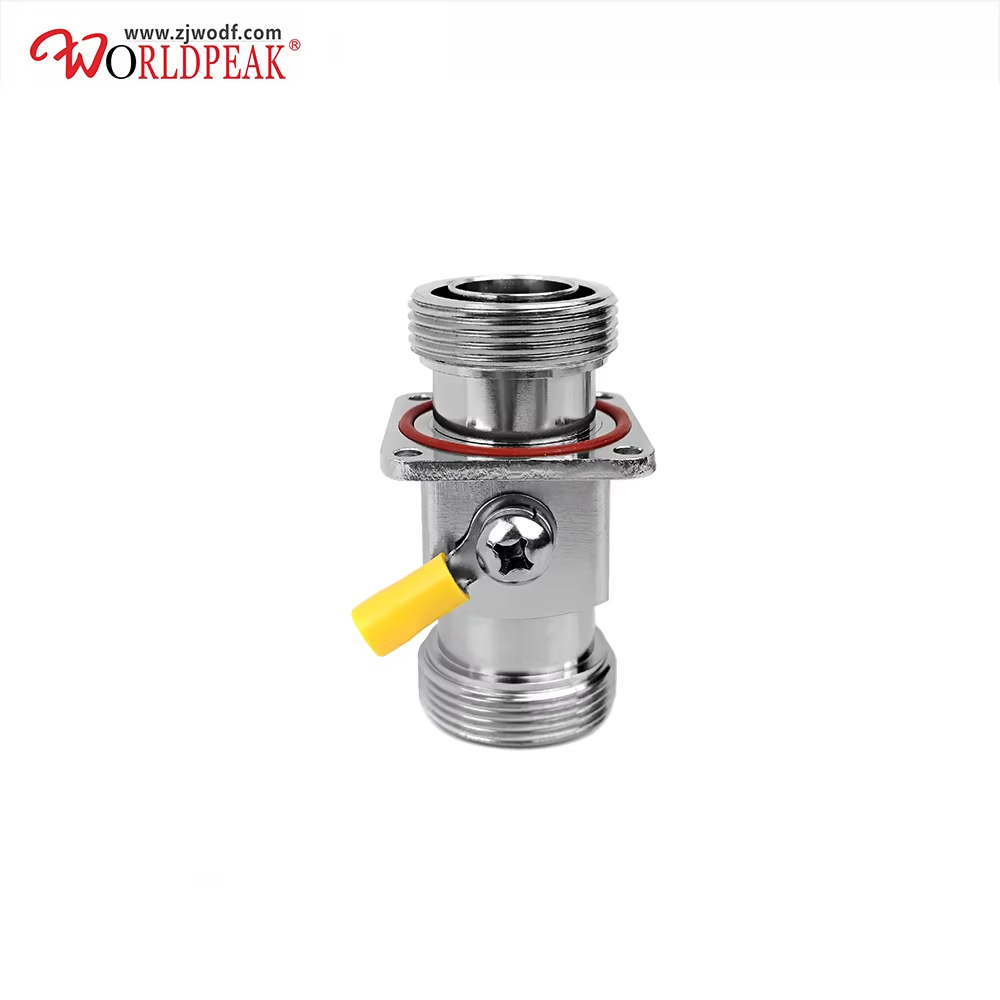
However, in the actual construction and operation of communication projects, most users and engineers prioritize equipment hardware performance, network signal coverage density, and transmission bandwidth, while easily overlooking the critical security risk posed by lightning overvoltage to RF antenna-feeder systems. This long-term neglected hidden danger often leads to sudden equipment failures in thunderstorm seasons, causing unpredictable losses to communication operation.
When outdoor antenna-feeder transmission lines are exposed to lightning induction or intense lightning electromagnetic pulses (LEMP), the generated transient high voltage will spread rapidly along the line. The mild consequence is temporary communication signal interruption and data transmission failure, while severe cases will cause permanent burnout and damage of core precision components such as RF transceiver modules, power amplifiers, and baseband processing equipment, even triggering the overall paralysis of the entire communication system. For this reason, equipping professional and high-precision antenna-feeder surge protectors for all outdoor RF lines has become an indispensable standard configuration in the construction and upgrading of modern communication systems.
Why Are RF Systems Susceptible to Lightning Strikes?
A complete antenna-feeder RF system is composed of four core parts: external signal receiving and transmitting antennas, connecting feeder cables, terminal RF communication equipment, and auxiliary grounding protection systems. The special installation form of this system determines its inherent vulnerability to lightning surges.
Antennas, as the signal receiving and transmitting terminals of the entire system, are usually installed in high-altitude and open positions such as building rooftops, communication iron towers, and base station masts to ensure unobstructed signal reception and transmission. Such high-exposure installation environments make antennas the most vulnerable coupling channels for lightning energy in outdoor communication facilities.
It is worth noting that RF system damage is not only caused by direct lightning strikes. In most practical engineering scenarios, indirect lightning interference is the main cause of frequent equipment failures. Multiple invisible surge hazards will continuously threaten the safety of RF equipment: strong electromagnetic field induction generated by Lightning Electromagnetic Pulses (LEMP) during lightning activities; transient induced overvoltage triggered by lightning strikes in adjacent areas; periodic switching overvoltage generated during the switching operation of urban power supply systems; and cross-line electromagnetic coupling interference between densely arranged communication lines.
These instantaneous high-energy transient overvoltages will quickly invade internal communication equipment along feeder cables, directly impacting precision and fragile core components including RF transceiver modules, baseband processing units, and power amplifier devices. In addition, modern communication equipment is developing toward high integration, miniaturization, and high precision. While improving transmission performance, the overvoltage tolerance of internal electronic components is continuously reduced, which puts forward higher and stricter requirements for the lightning protection and surge suppression capability of supporting protection equipment.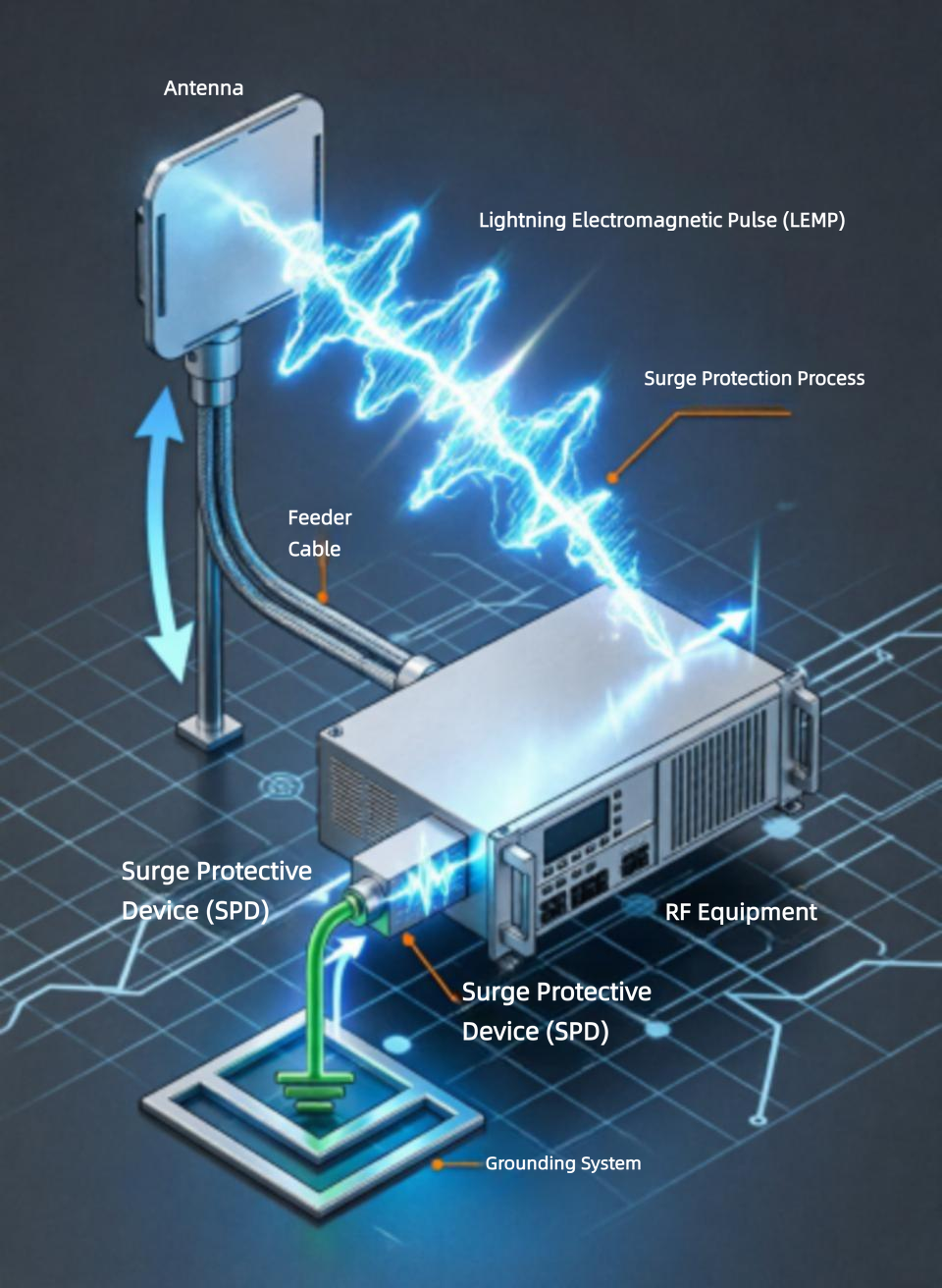
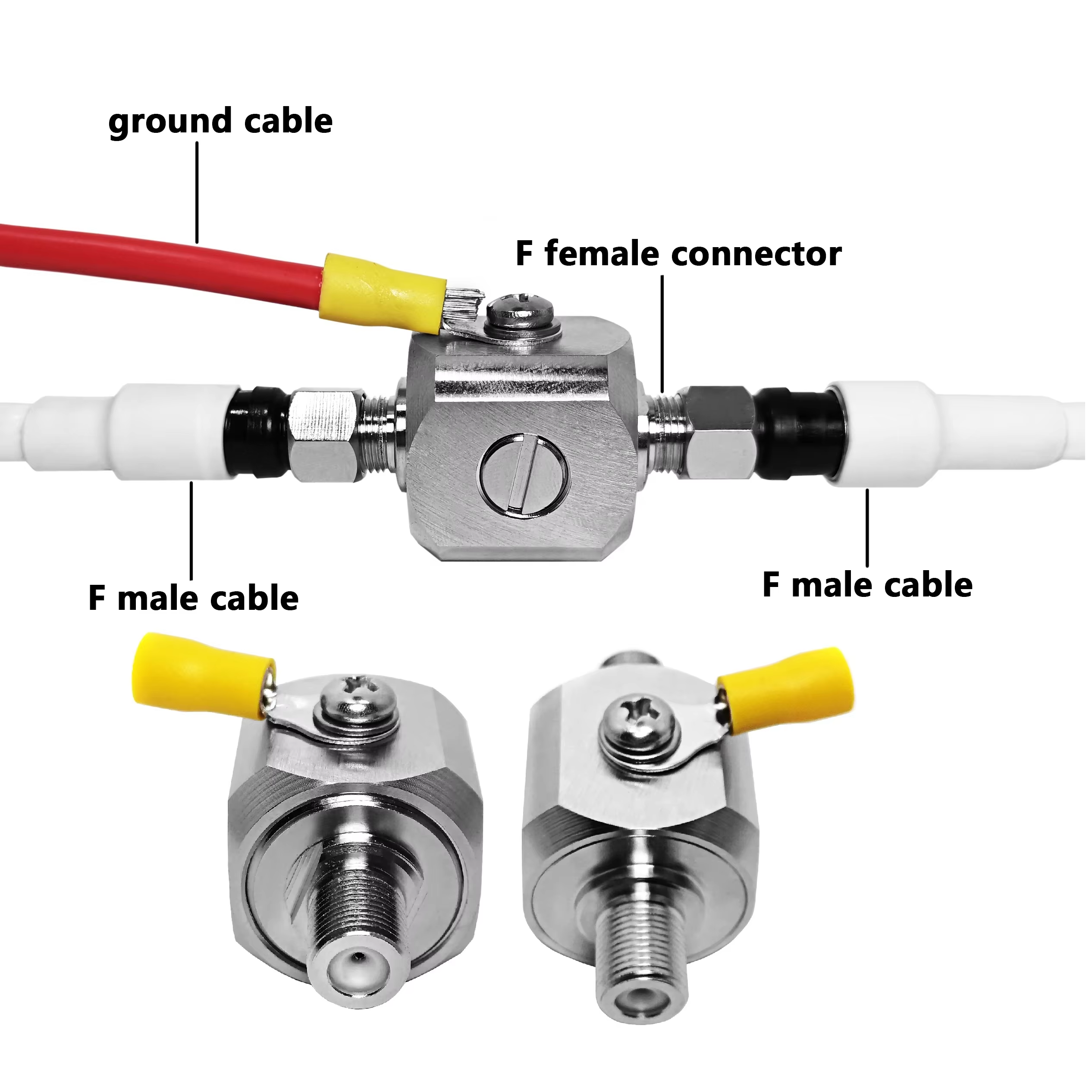
Working Principle of Antenna-Feeder Switching Surge Protectors
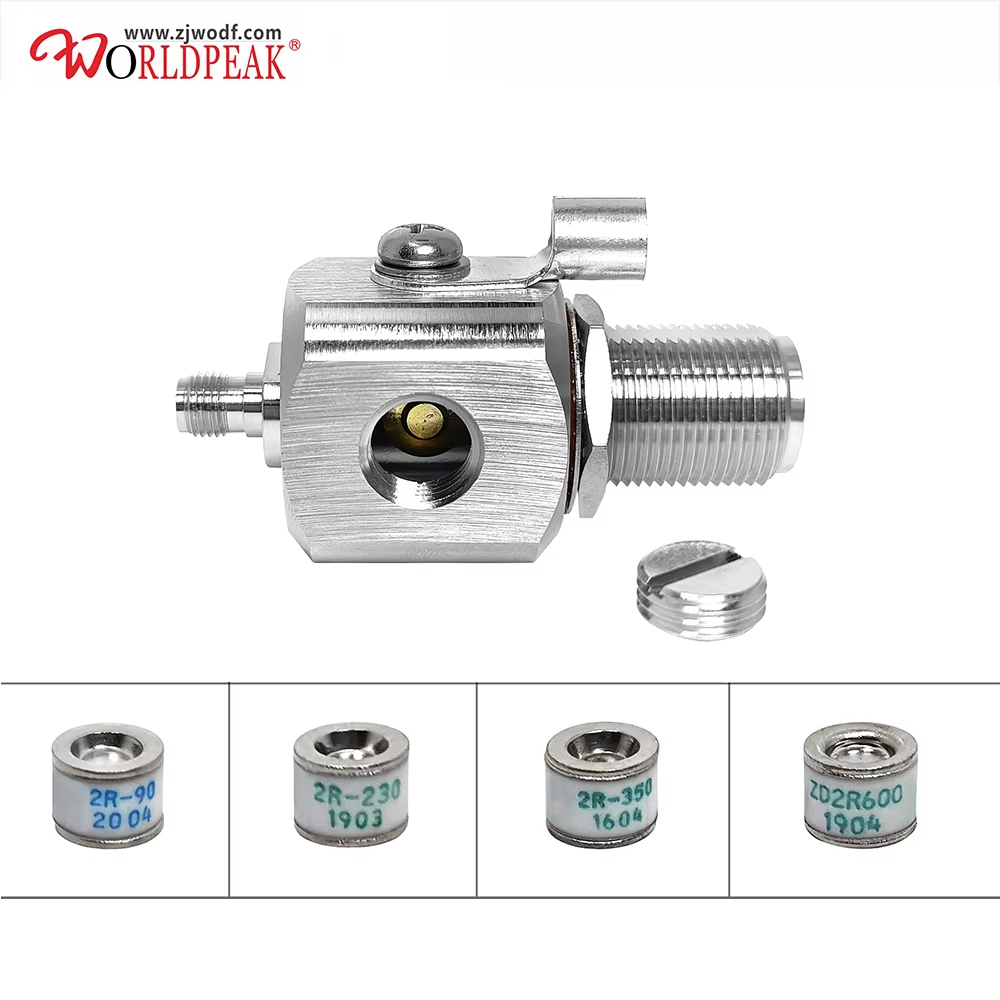
The WDF series antenna-feeder switching surge protectors are professionally customized and developed for full-band RF signal transmission systems. Targeted at the pain points of lightning electromagnetic pulse interference, lightning induced overvoltage, and power system switching overvoltage in communication lines, this series of products can achieve efficient surge suppression and all-round equipment protection without affecting normal signal transmission.
Its intelligent adaptive protection working principle can be divided into two working states, realizing the perfect balance between signal transmission and surge protection. Under conventional normal line operating conditions, the surge protector maintains excellent high-frequency low-loss transmission characteristics. It will not produce signal attenuation, impedance fluctuation or signal distortion during RF signal transmission, ensuring the integrity and smoothness of high-frequency communication signals.
Once a lightning surge or transient overvoltage appears on the line, the internal high-sensitivity protection components of the protector will be triggered instantly and start rapid response. The equipment will quickly conduct and release the instantaneous surge current to the reliable grounding system, effectively clamping and limiting the overvoltage amplitude at the front end of the terminal equipment. This isolates high-energy surge impact and protects the backend RF communication equipment from breakdown and burnout.
The whole protection process features ultra-fast response efficiency, completing surge detection, switching action and current discharge in microseconds or even nanoseconds. It can accurately intercept instantaneous lightning surges that are difficult to capture by conventional protection devices, ensuring zero-delay protection of precision communication equipment and maintaining the long-term stable and safe operation of the entire RF antenna-feeder system.
2026/09/24
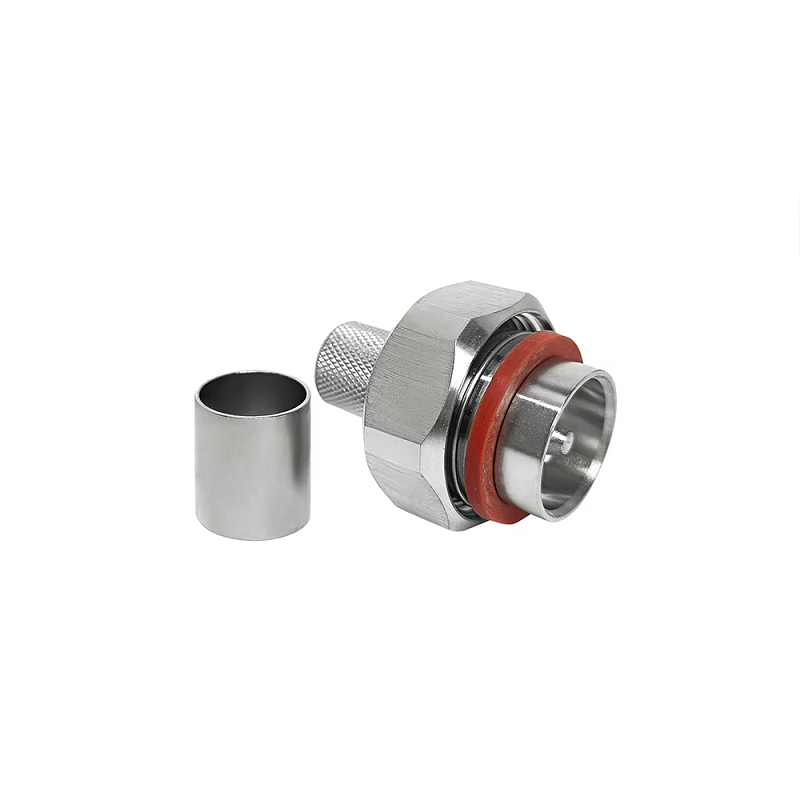
Choose a 7 16 connector for high-power RF: compare DIN and Type N, protect PIM margin, and apply field installation checks.
2026/09/24
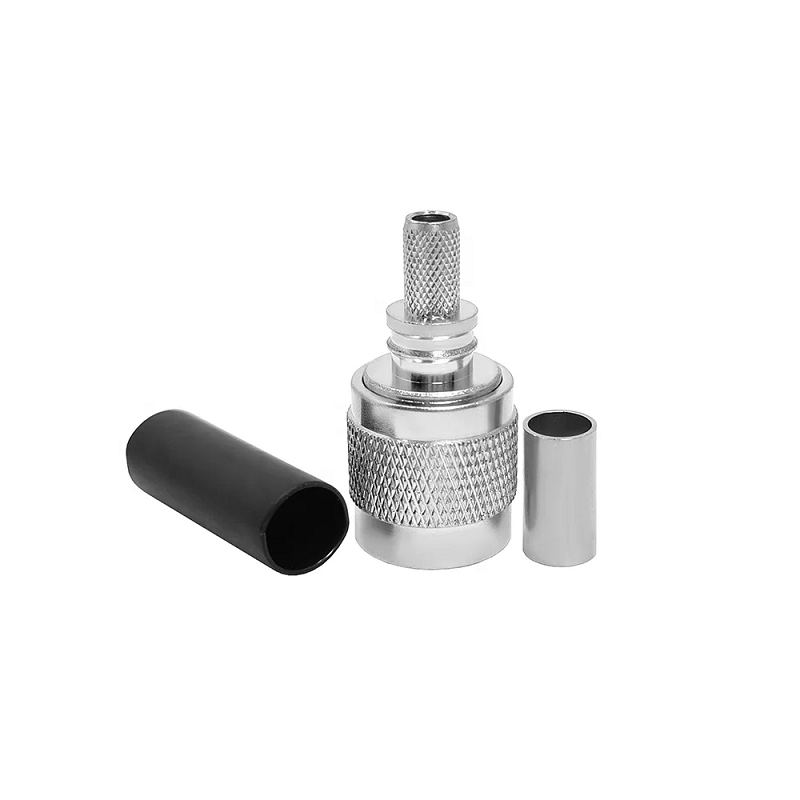
Compare TNC connector types, specs and applications, including RP-TNC, bulkhead options, vibration performance and adapter selection.

2026/09/24
Understand MMCX connector basics, RF limits, and how to choose the right coaxial interface for compact systems.
2026/09/24
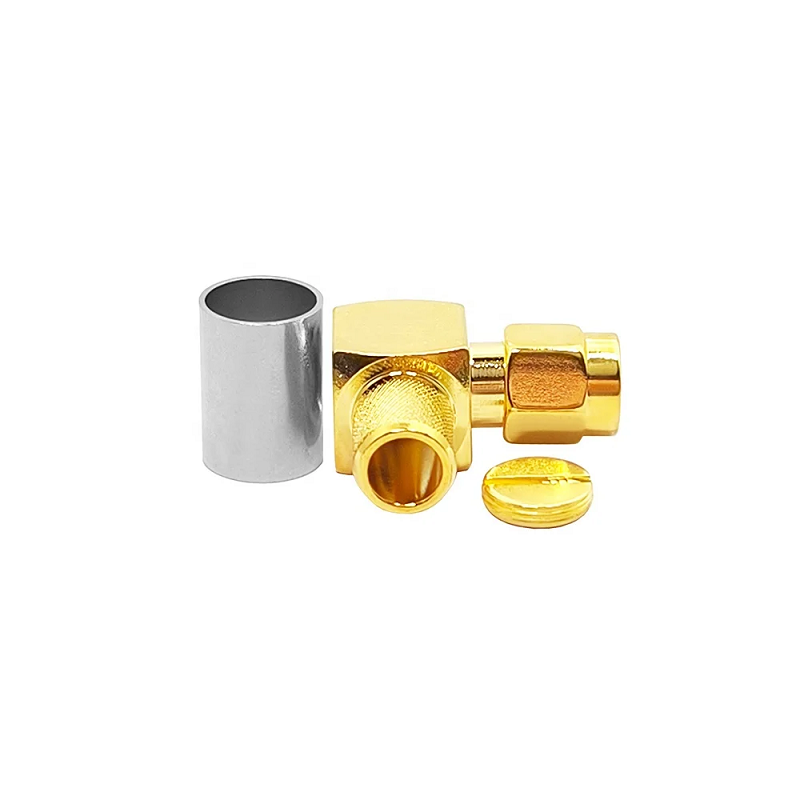
Understand RP-SMA connector polarity, mating rules, frequency checks, and OEM termination options for reliable RF builds.
2026/09/24
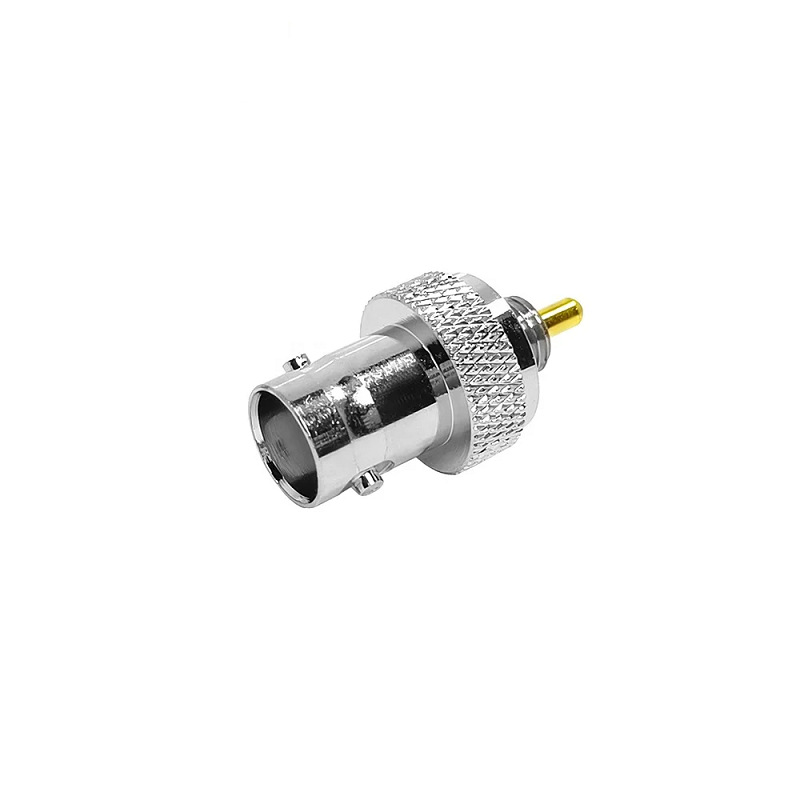
Choose the right bnc male connector for RF, CCTV and test systems with clear 50Ω vs 75Ω, type and installation guidance.
2026/09/24
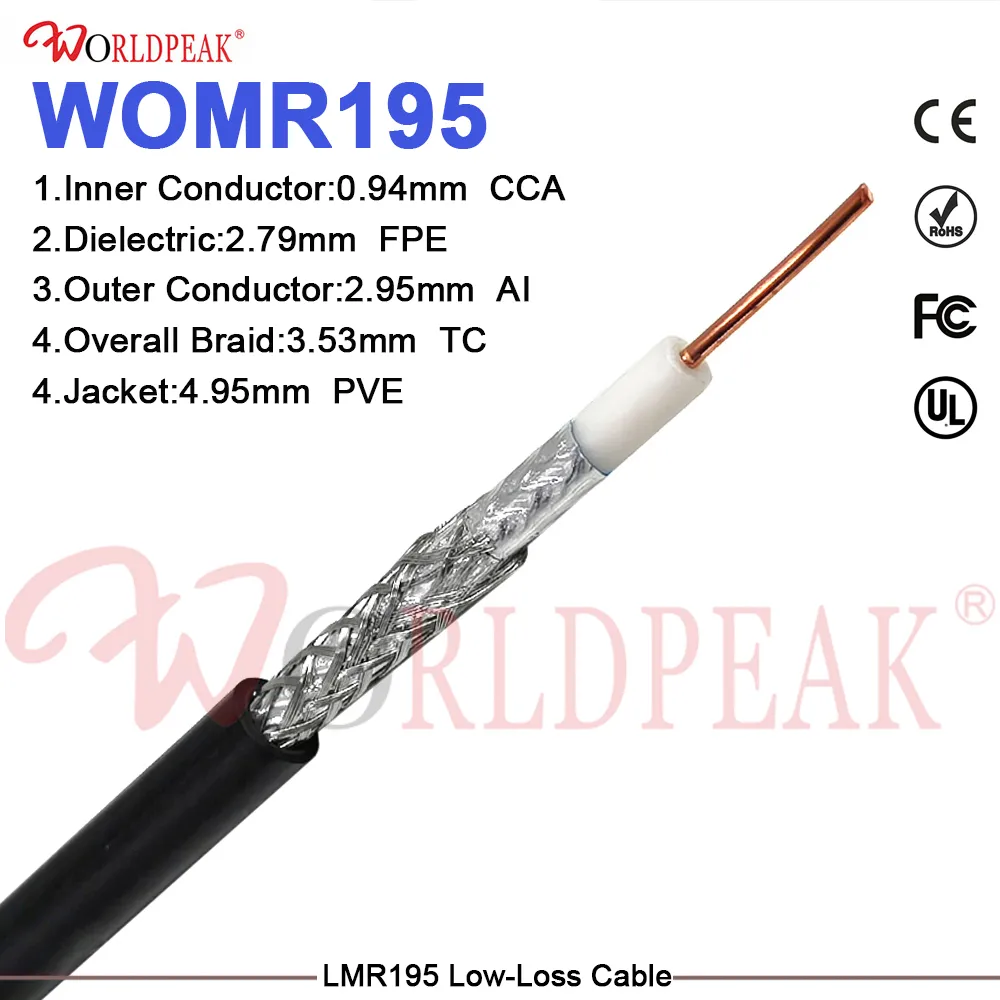
Compare LMR400 specs, cable loss, uses, connectors and RG8/RG213 alternatives with a practical RF loss-budget method.