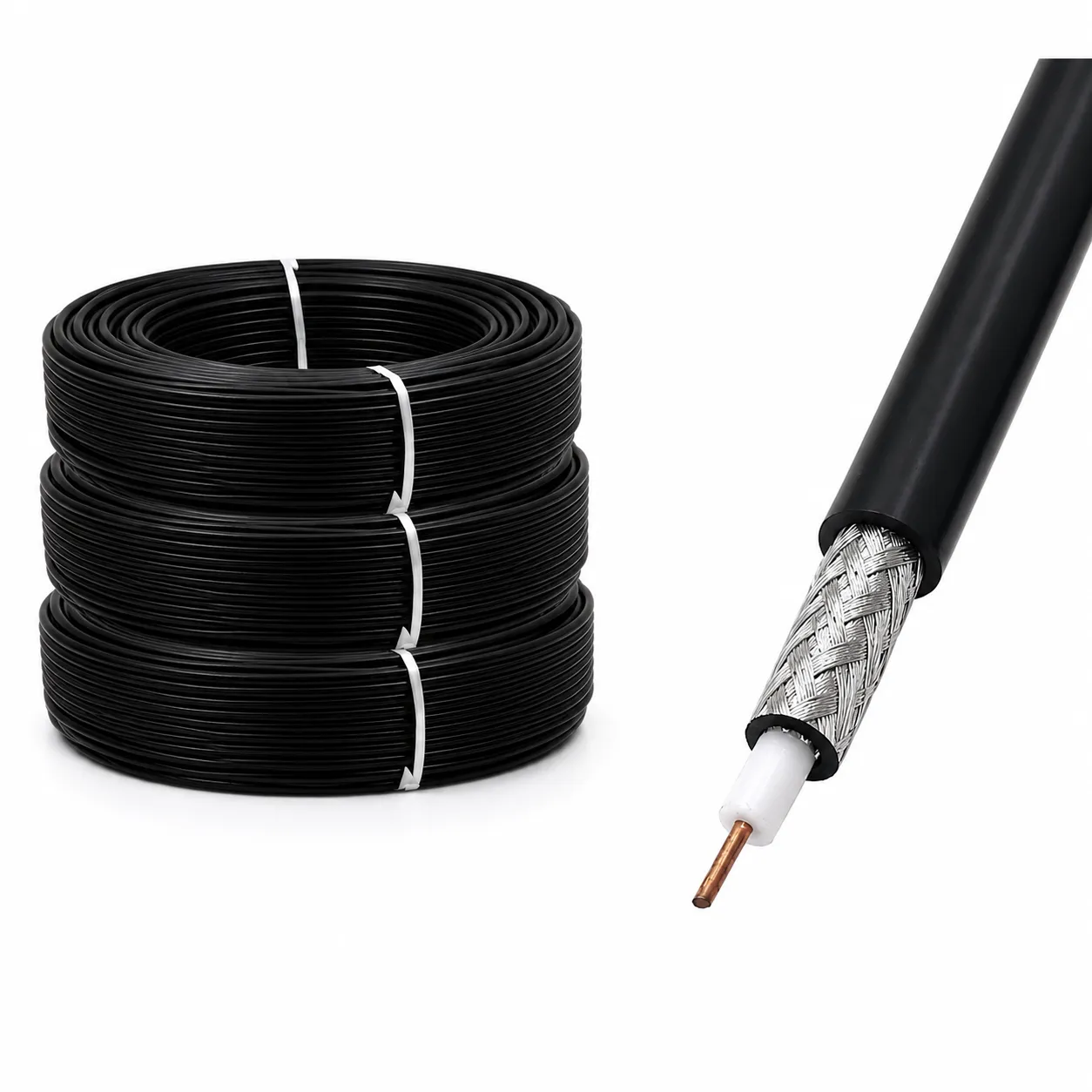
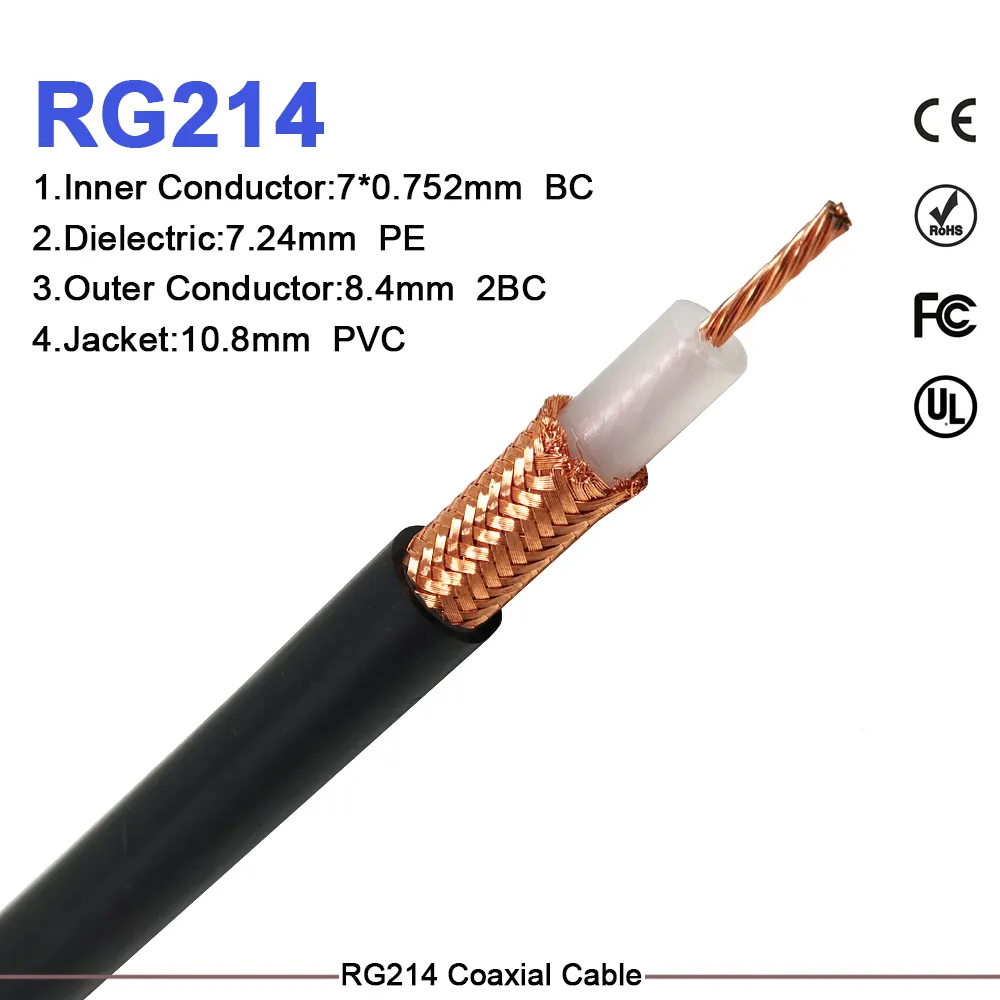
In wireless infrastructure, distance is the enemy of signal integrity. When cable runs exceed 15 meters at microwave frequencies, standard mid-size cables like LMR-240 begin to introduce unacceptable attenuation. For decades, engineers were forced to choose between lossy RG-8/RG-213 or expensive, difficult-to-install semi-rigid lines. LMR-400 changed that equation entirely. As the industry’s most widely adopted long-haul flexible feeder, it delivers ultra-low loss, exceptional power handling, and field-friendly flexibility in a single, cost-effective package.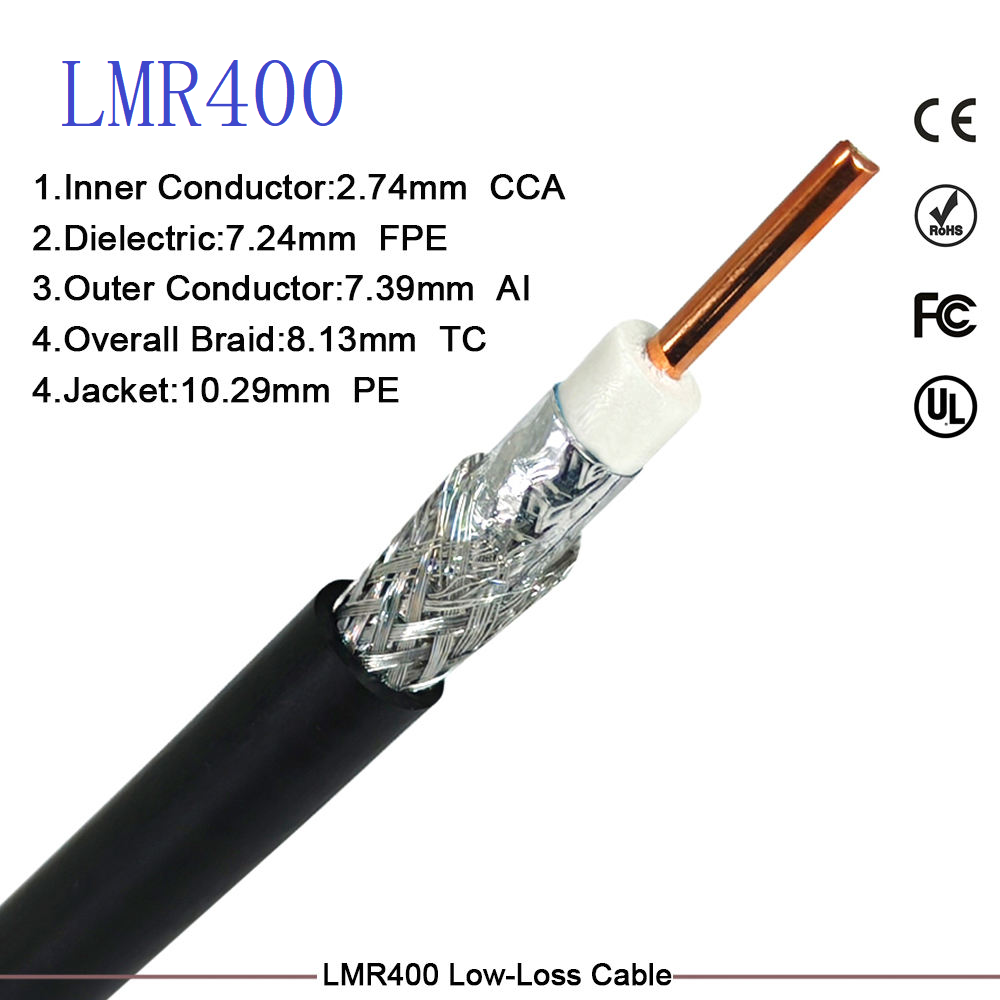
What Is LMR-400?
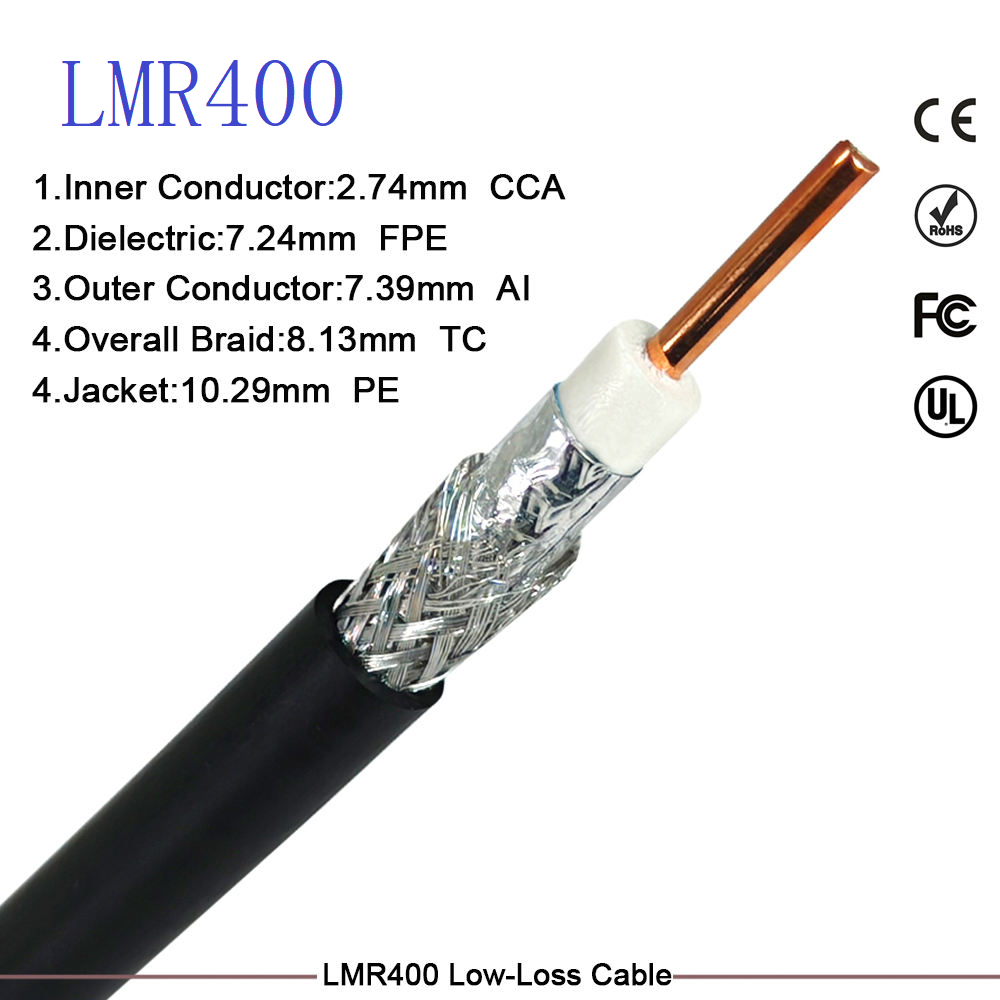
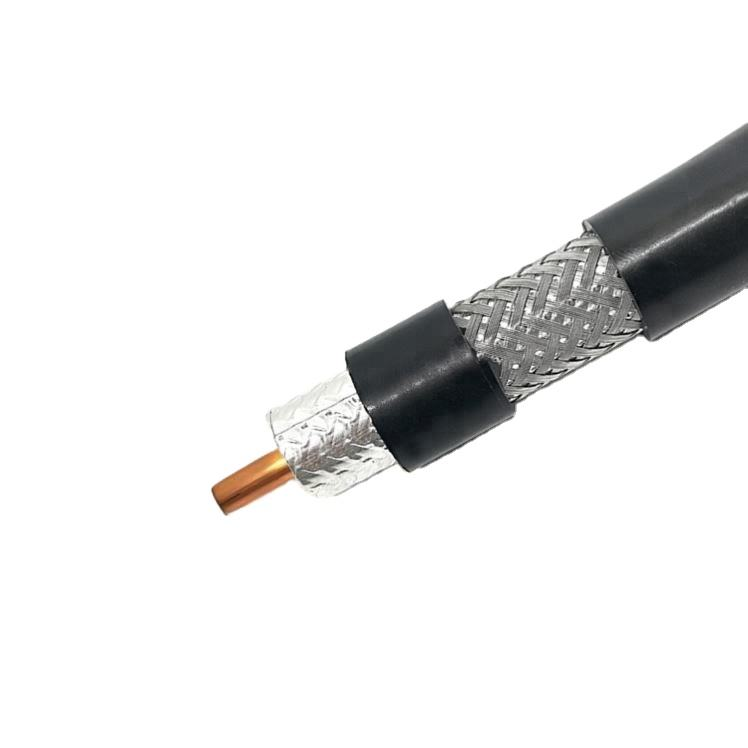
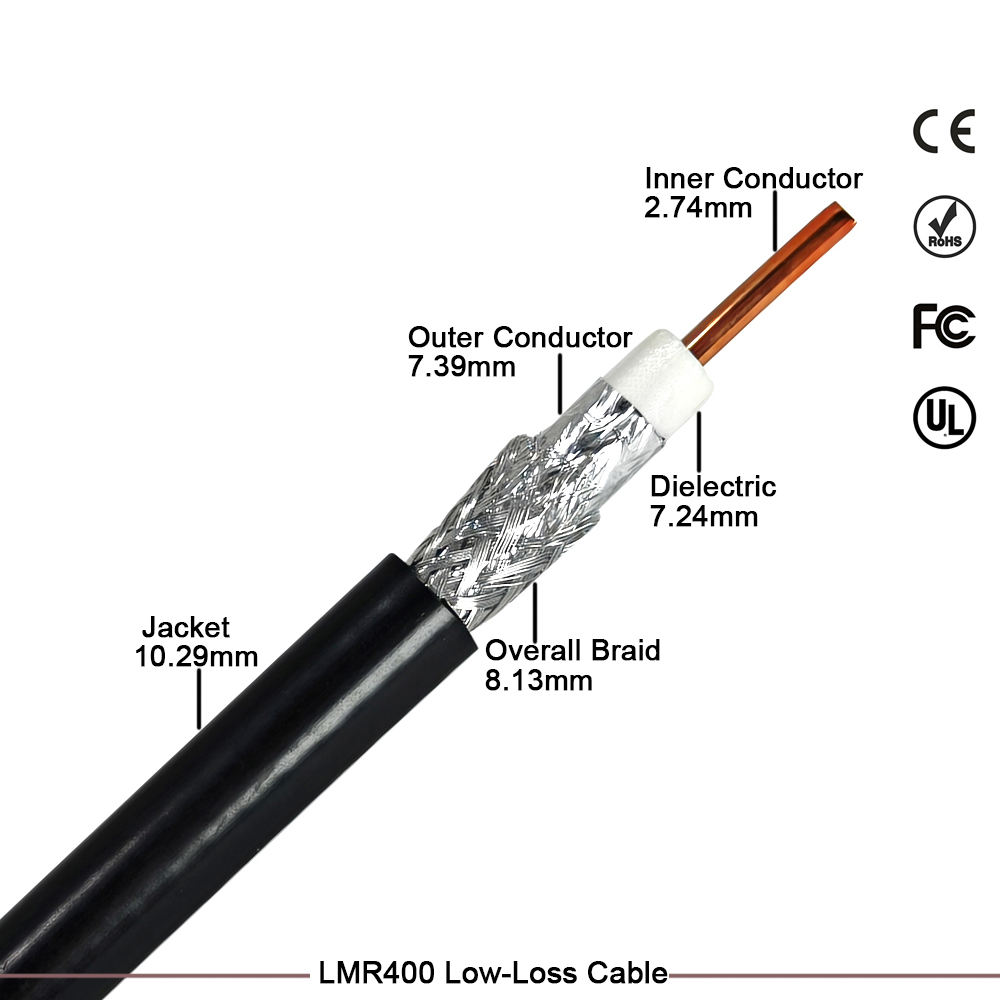
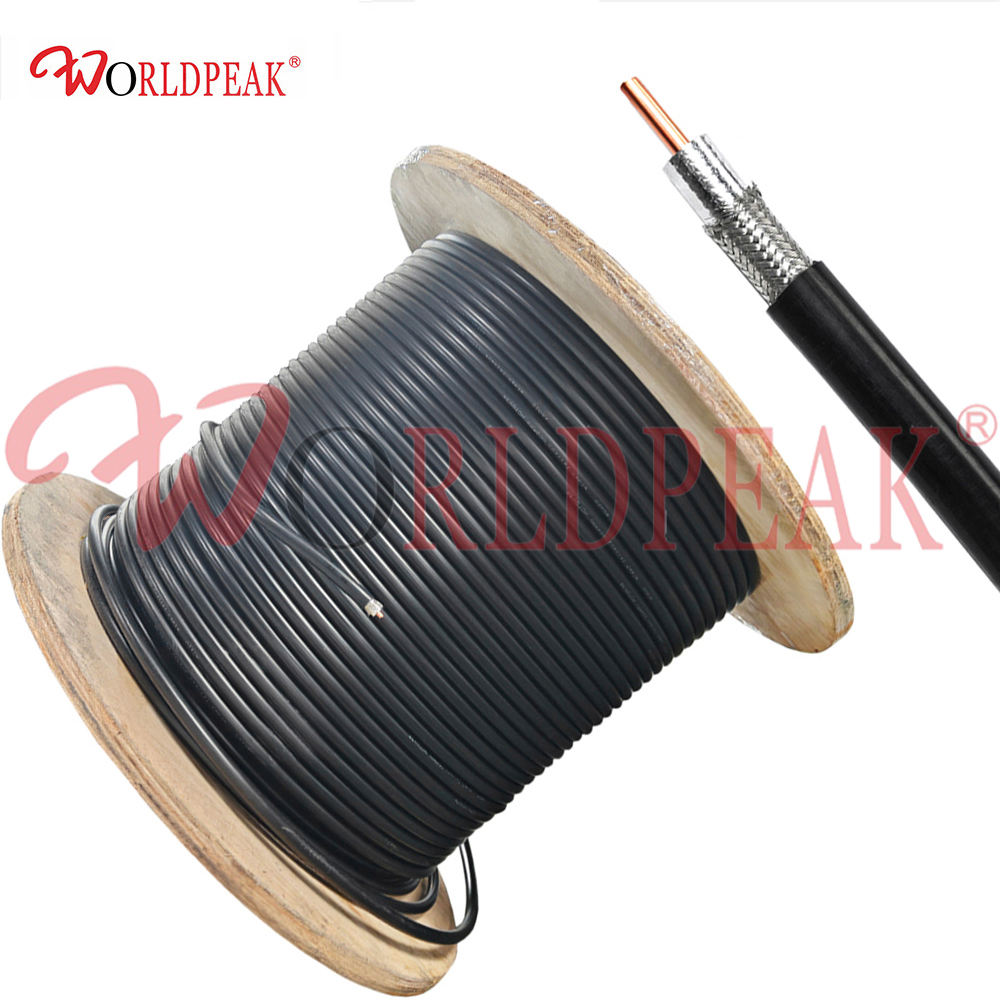
LMR-400 is a 50-ohm, ultra-low-loss flexible coaxial cable with an outer diameter of 0.405 inches (10.3 mm). Developed by Times Microwave Systems (now Amphenol), it features a large-diameter solid bare copper-clad aluminum (BCC) center conductor, high-performance foam PE dielectric, and bonded dual shielding. It was specifically engineered to replace RG-8, RG-213, and other legacy 0.4"-class cables while offering dramatically superior electrical performance.
Key Technical Advantages
1. Ultra-Low Attenuation for Extended Runs
At 2.4 GHz, LMR-400 exhibits approximately 41% lower loss than LMR-240 and ~80% lower loss than RG-213. This enables reliable signal transmission over 30–50 meter runs at Wi-Fi and cellular frequencies without requiring inline amplifiers or active repeaters.
2. High Power Handling Capacity
With a peak operating voltage of 4,000 Vrms and average power rating exceeding 1,200W at 1 GHz, LMR-400 safely handles high-power transmitter outputs for amateur radio repeaters, broadcast links, and radar systems where thinner cables would overheat or arc.
3. Field-Proven Outdoor Durability
The UV-stabilized black PE jacket is rated for direct burial, aerial lashing, and continuous outdoor exposure across -40°C to +85°C. Unlike older non-bonded shield designs, LMR-400’s bonded foil prevents moisture migration along the shield interface—a common failure point in legacy RG-8 installations.
4. Flexible Enough for Real-World Installation
Despite its 0.405" OD, LMR-400 maintains a repeated bend radius of just 4 inches (102 mm). This allows routing around tower legs, through conduit bends, and into equipment shelters without the kinking risks associated with semi-rigid or corrugated alternatives.
Quick Specifications at a Glance
|
Parameter
|
Specification
|
|
Impedance
|
50 Ω
|
|
Outer Diameter
|
0.405" (10.3 mm)
|
|
Center Conductor
|
Solid BCC, 0.108" (2.74 mm)
|
|
Dielectric
|
Foam PE
|
|
Shielding
|
Bonded Foil + Tinned Copper Braid (>90 dB)
|
|
Frequency Range
|
DC – 6 GHz (usable to 8 GHz)
|
|
Velocity of Propagation
|
85%
|
|
Attenuation @ 900 MHz
|
~3.9 dB/100 ft (12.8 dB/100 m)
|
|
Attenuation @ 2.4 GHz
|
~6.8 dB/100 ft (22.3 dB/100 m)
|
|
Min. Bend Radius (Repeated)
|
4.0" (102 mm)
|
|
Peak Operating Voltage
|
4,000 Vrms
|
Note: Always verify against your supplier’s official datasheet. Genuine Amphenol/Times Microwave LMR-400 specifications may differ from generic equivalents.
Primary Applications
- Cellular Macro Sites & Towers: Main feeder lines for 4G LTE and 5G NR base station antennas (20–50m runs).
- Enterprise & Stadium Wi-Fi: Long-distance AP feeder trunks where distributed antenna systems are impractical.
- Amateur Radio Repeaters & EME: High-power VHF/UHF/SHF station feeds and moonbounce arrays.
- Broadcast & Land Mobile Radio: FM/TV translator links, public safety trunking site interconnects.
- GPS/GNSS Master Distribution: Campus-wide timing distribution from central receiver to remote equipment racks.
- Industrial Radar & Sensing: Long-range detection system antenna feeds in harsh environments.
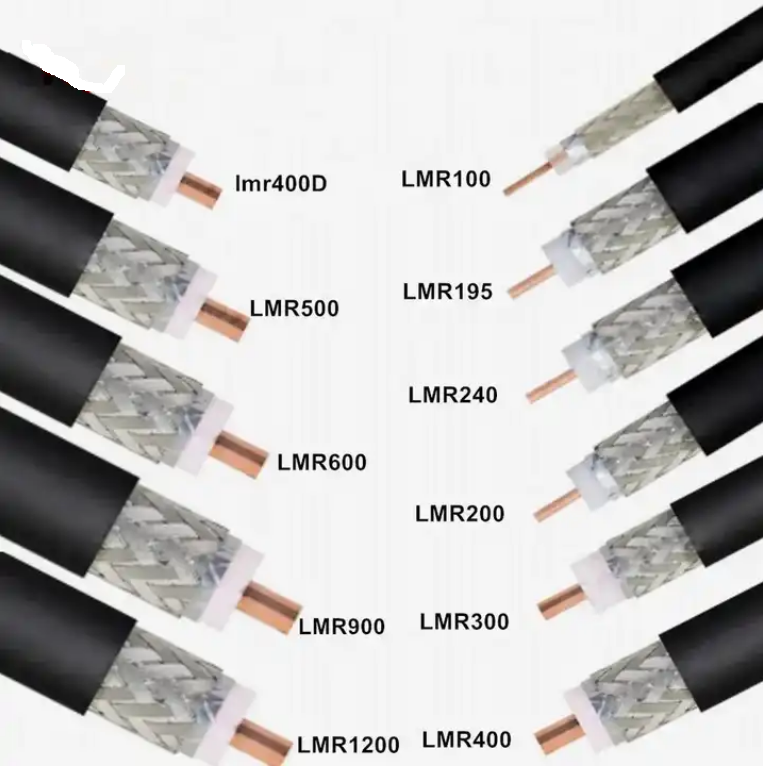
LMR-400 in Context: Complete LMR Family Comparison
|
Model
|
OD
|
Loss @2.4GHz
|
Flexibility
|
Max Practical Run @2.4GHz
|
Role
|
|
LMR-195
|
0.195"
|
18.5 dB/100ft
|
★★★★★
|
≤3 m
|
Jumper / Pigtail
|
|
LMR-200
|
0.240"
|
14.5 dB/100ft
|
★★★★☆
|
3–8 m
|
Compact Low-Loss Feed
|
|
LMR-240
|
0.280"
|
11.5 dB/100ft
|
★★★☆☆
|
5–15 m
|
Mid-Range Trunk
|
|
LMR-400
|
0.405"
|
6.8 dB/100ft
|
★★☆☆☆
|
15–50 m
|
Long-Haul Main Feeder
|
|
LMR-600
|
0.590"
|
4.3 dB/100ft
|
★☆☆☆☆
|
50–100 m
|
Extra-Long Haul / High Power
|
|
RG-213
|
0.405"
|
~13 dB/100ft
|
★★☆☆☆
|
≤10 m
|
Legacy (Obsolete for New Installs)
|
Critical Engineering & Installation Notes
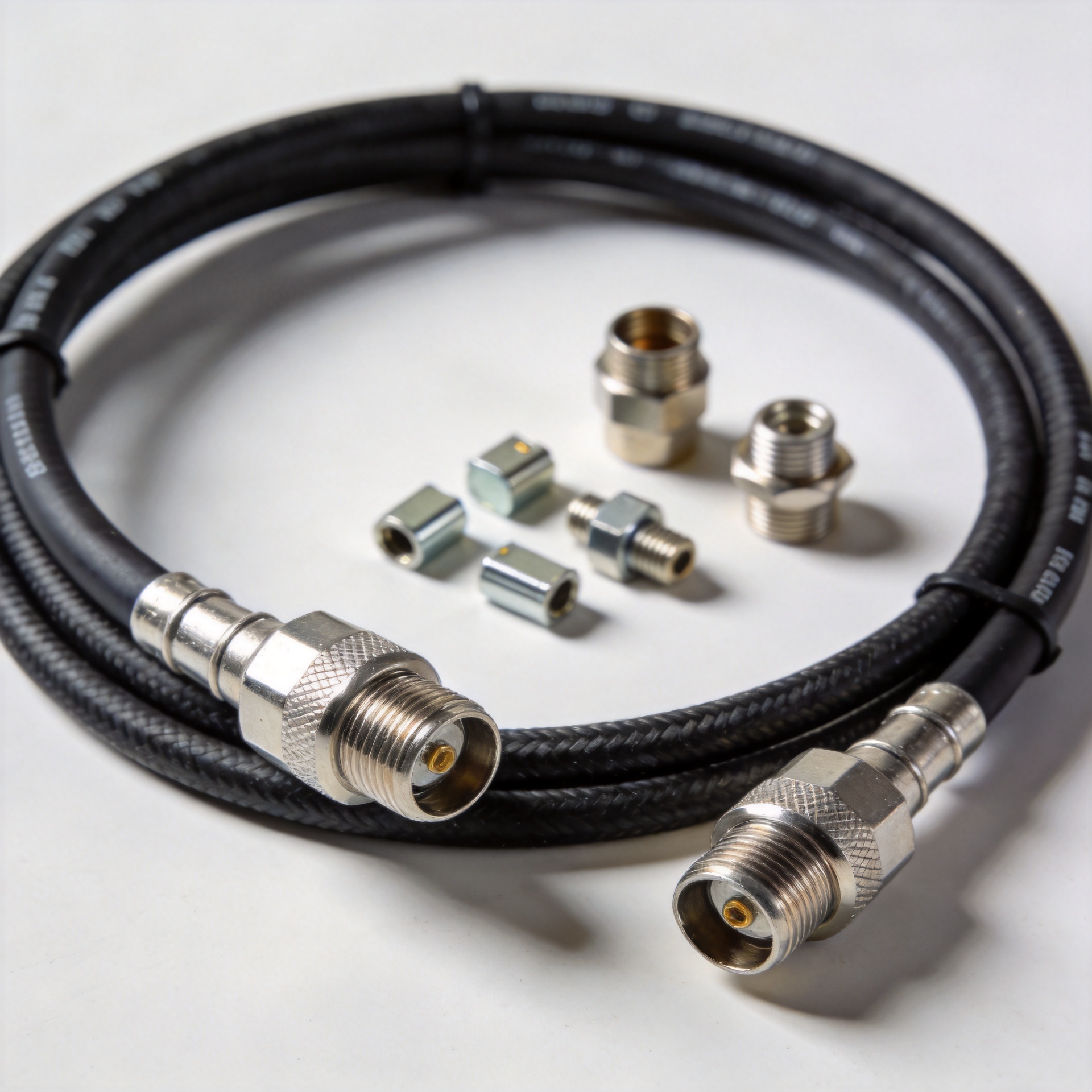
- Never Reuse RG-8/RG-213 Connectors: Despite identical outer dimensions, LMR-400 has a larger center conductor (0.108" vs. 0.090" for RG-213) and different dielectric properties. Using legacy connectors will cause catastrophic VSWR, arcing, and potential transmitter damage. Always use LMR-400-specific crimp or clamp connectors.
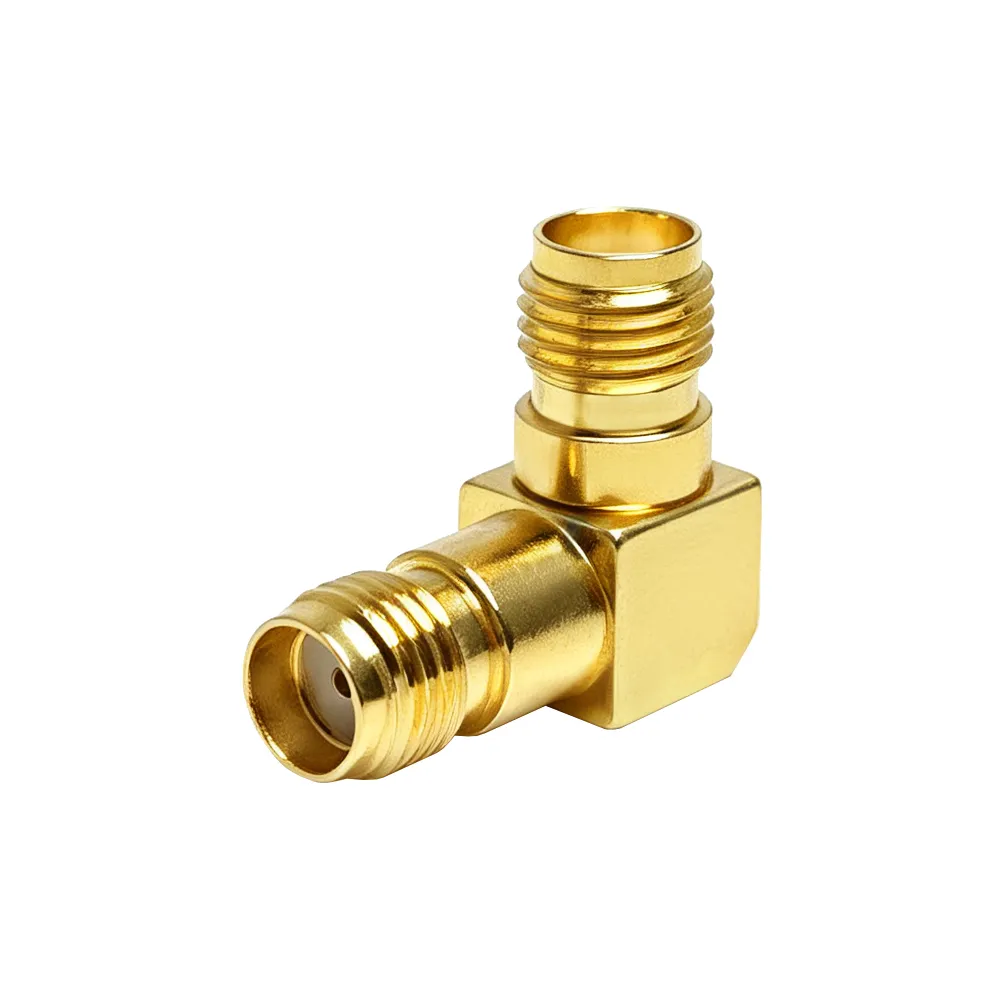
- Respect Minimum Bend Radius: Exceeding the 4" (102 mm) repeated bend radius compresses the foam dielectric asymmetrically, creating permanent impedance discontinuities. Use pre-formed right-angle assemblies or sweeping bends for tight spaces.
- Grounding & Lightning Protection: For outdoor tower installations, always install surge suppressors at both ends and ground the cable shield per local electrical codes. LMR-400’s bonded shield provides excellent lightning current carrying capacity when properly terminated.
- PIM-Sensitive Deployments: For multi-carrier DAS or 5G sites requiring passive intermodulation performance below -150 dBc, specify Low-PIM LMR-400 variants with silver-plated conductors and precision interfaces. Standard LMR-400 is suitable for single-carrier Wi-Fi, amateur radio, and non-critical links.
- Cable Authentication: Counterfeit LMR-400 is prevalent in the market. Inferior copies often use undersized center conductors, non-bonded shields, and recycled dielectric materials. Source only from authorized distributors or verified equivalent manufacturers (e.g., Pasternack PE-C400, MPD LMR-400-EQ) with full test reports.
Conclusion
LMR-400 remains the benchmark for long-distance flexible RF feeder cables because it solves the fundamental engineering trilemma: low loss, high power, and practical installability. No other cable in its class offers this combination of proven field reliability, broad ecosystem support, and cost efficiency. For any sub-6 GHz installation requiring dependable signal delivery beyond 15 meters, LMR-400 continues to be the default specification for professionals worldwide.
Planning a long-haul RF deployment? [Explore our LMR-400 Cable Assemblies] or [Request a Link Budget Analysis] from our engineering team. We stock genuine LMR-400 bulk cable, certified connectors, and professional crimp tools for immediate shipment.
 EN