EN
EN

What Surface Treatment Options Are Available for ODM N Type Connector?
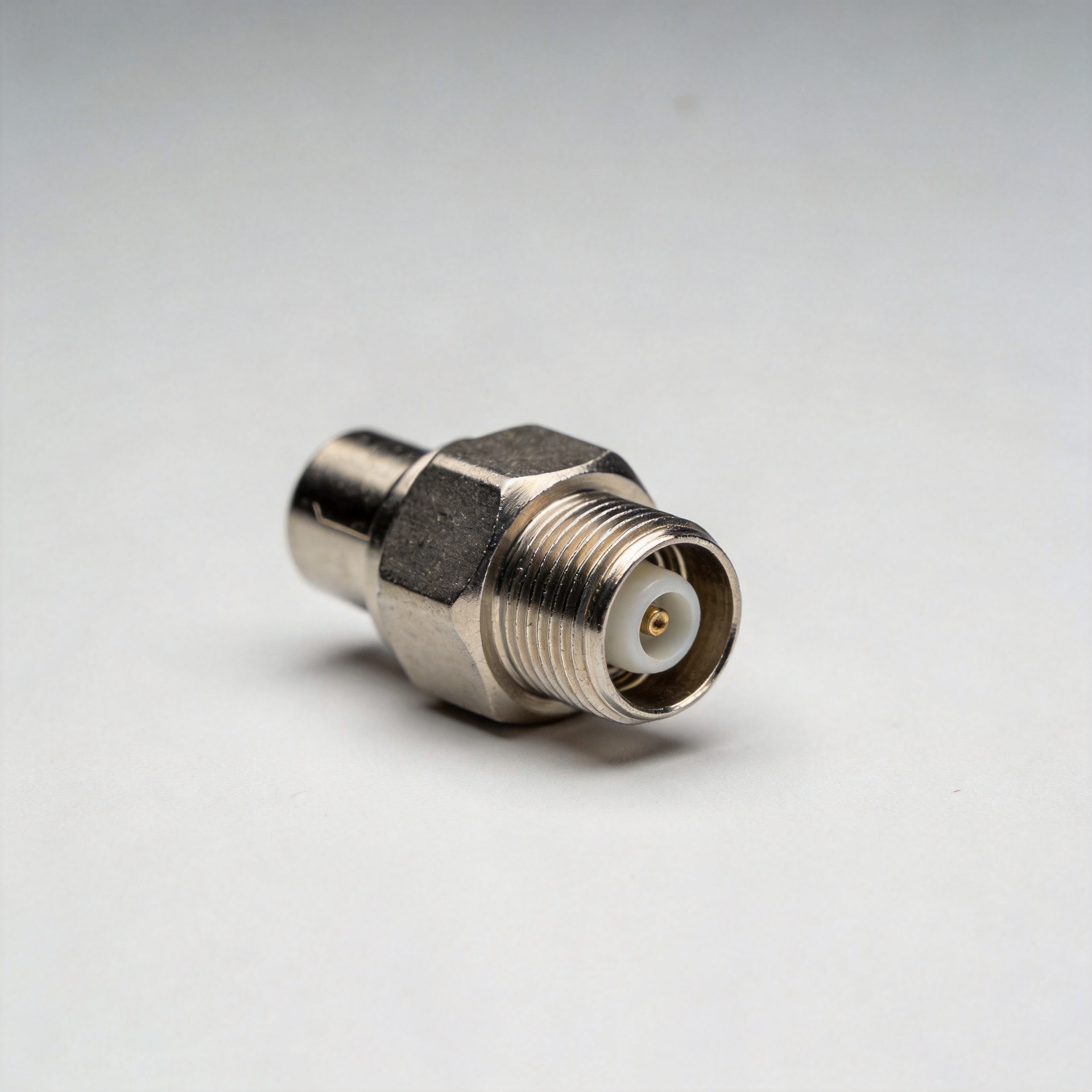
For an ODM project, surface treatment is not a decorative line item on an RF drawing. It affects how an n type male connector handles corrosion, mating wear, contact stability, soldering or crimping operations, and the appearance expected at receiving inspection. The practical question is not simply “gold or nickel?” It is which finish belongs on which feature of the connector, in which environment, and with what inspection requirement.
As a quality reviewer for RF interconnects, I treat plating as part of the functional stack-up. A threaded N interface may look robust in a catalog, but a poor choice of body coating, contact finish, or process control can create trouble after storage, repeated mating, humidity exposure, or outdoor installation. An n type male connector should therefore be specified by function rather than by a single blanket finish callout.
Start by Separating the Connector Surfaces
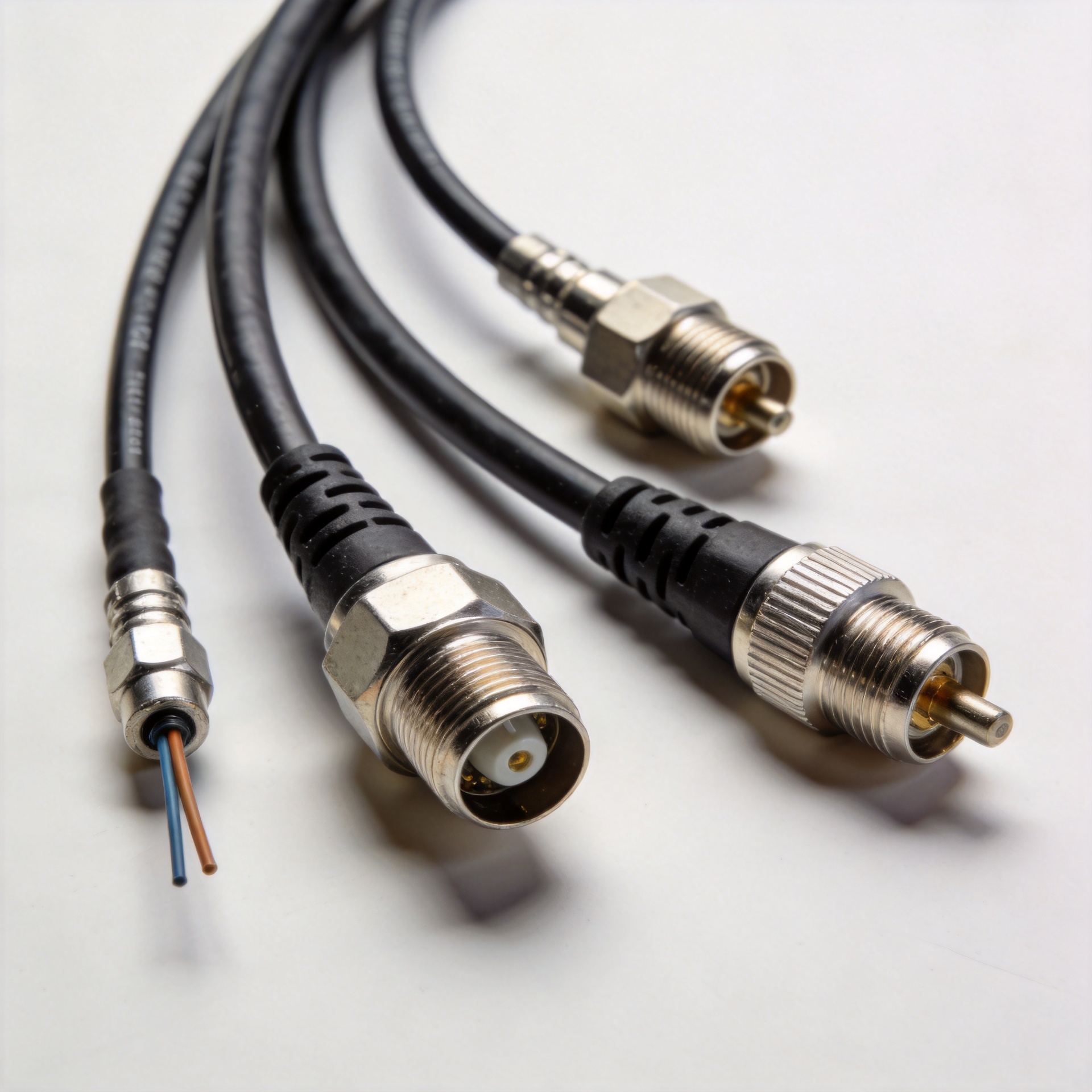
An N connector contains surfaces with different jobs: the outer body and coupling nut provide mechanical protection; the threads must mate smoothly; the center contact carries the RF signal; and the cable-termination area must remain compatible with the chosen assembly process. One finish seldom optimizes every surface equally.
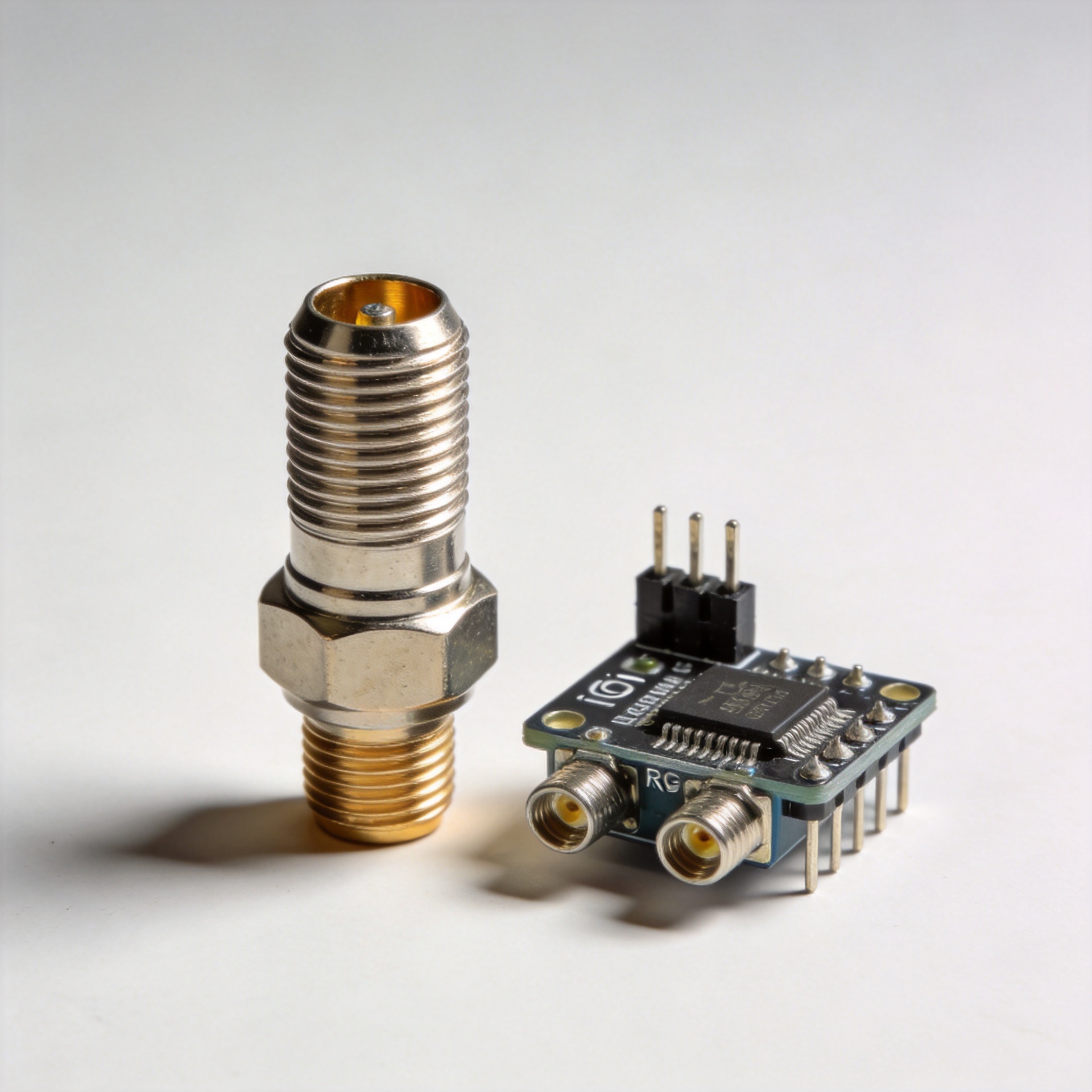
This distinction matters when an n type male connector will mate with an n type female connector in a sealed outdoor line. The exposed body needs corrosion resistance, while the signal contact needs a stable, low-resistance interface. For an indoor rack or laboratory fixture, corrosion exposure may be lower, but mating frequency and measurement repeatability may be more important.
Common ODM Surface-Treatment Options
Nickel plating
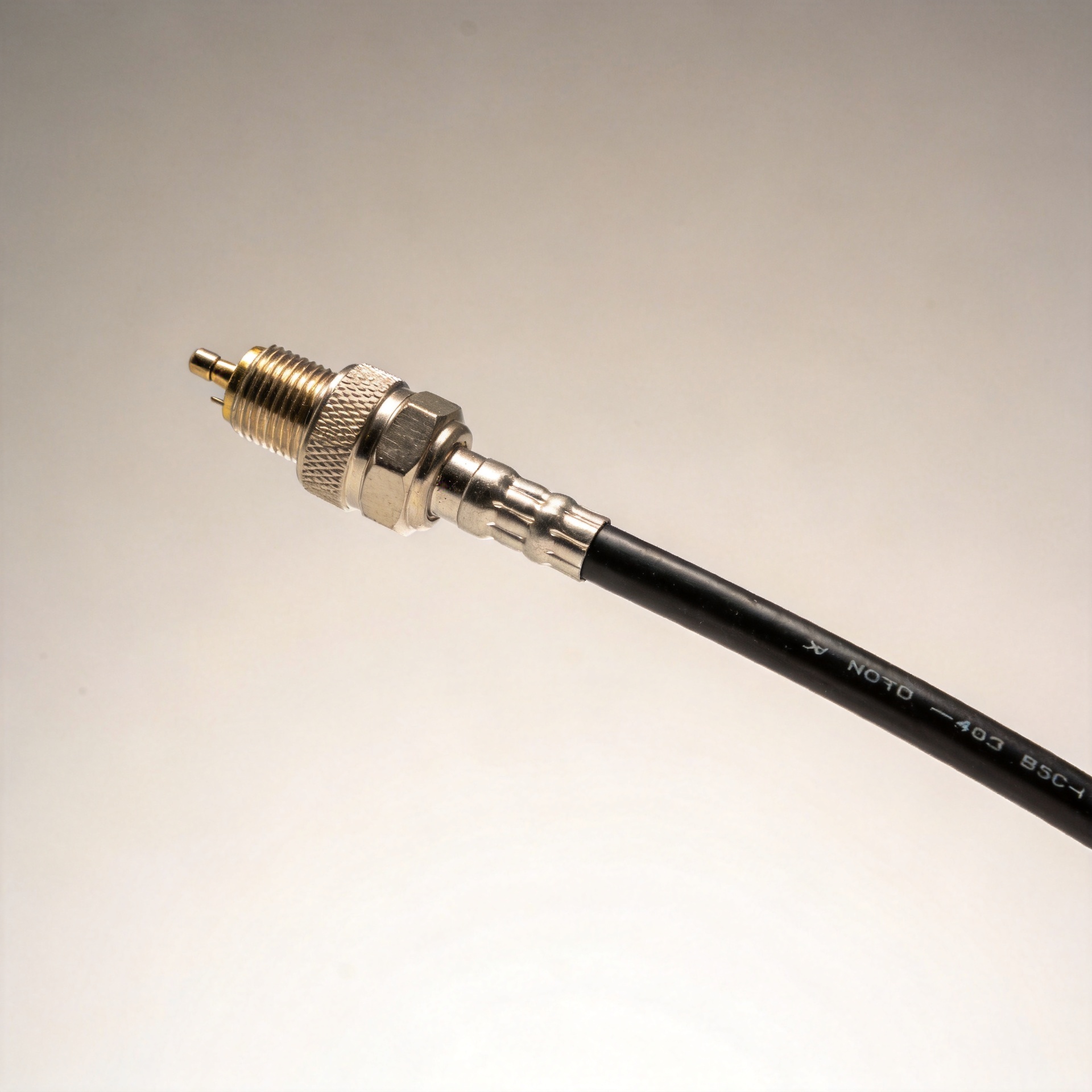
Nickel is a common finish for connector bodies, shells, and coupling nuts because it provides a hard, durable surface and a practical barrier against corrosion. It is often selected for general-purpose indoor equipment, protected telecom cabinets, and many industrial applications. Nickel can also serve as an underlayer in a multilayer plating system.
For an n type male connector, nickel is usually a sensible body-finish candidate when mechanical durability and appearance consistency matter. It should not, however, be assumed to answer every contact-performance requirement. Ask whether the center conductor will use a different finish and whether the mating environment includes salt, condensation, sulfur-bearing contaminants, or frequent unmating.
Silver plating
Silver is valued in RF hardware for high electrical conductivity. It can be appropriate on selected conductive parts where low RF loss and good contact behavior are priorities. The trade-off is that silver can tarnish in some service environments. Tarnish does not automatically mean a connector has failed, but it is a reason to align the finish with packaging, storage controls, mating frequency, and the actual atmosphere around the assembly.
Silver may be worth considering for a performance-driven n type male connector used in a controlled environment or in a design where the supplier can document the specified plating system. If the unit will spend long periods outdoors or in a corrosive atmosphere, require the supplier to explain how the chosen finish, seals, and mating interface work together instead of relying on conductivity alone.
Gold over nickel
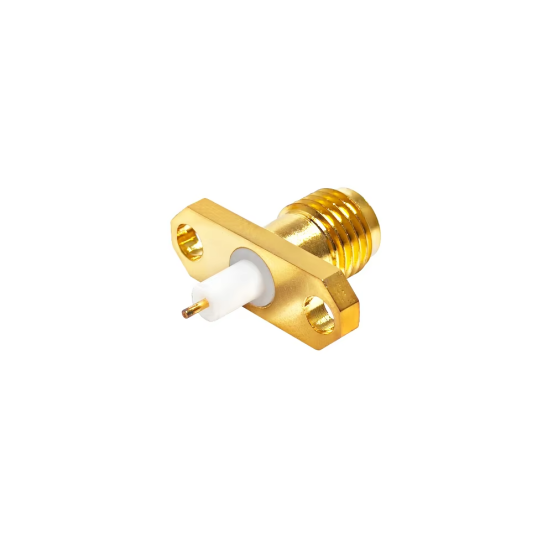
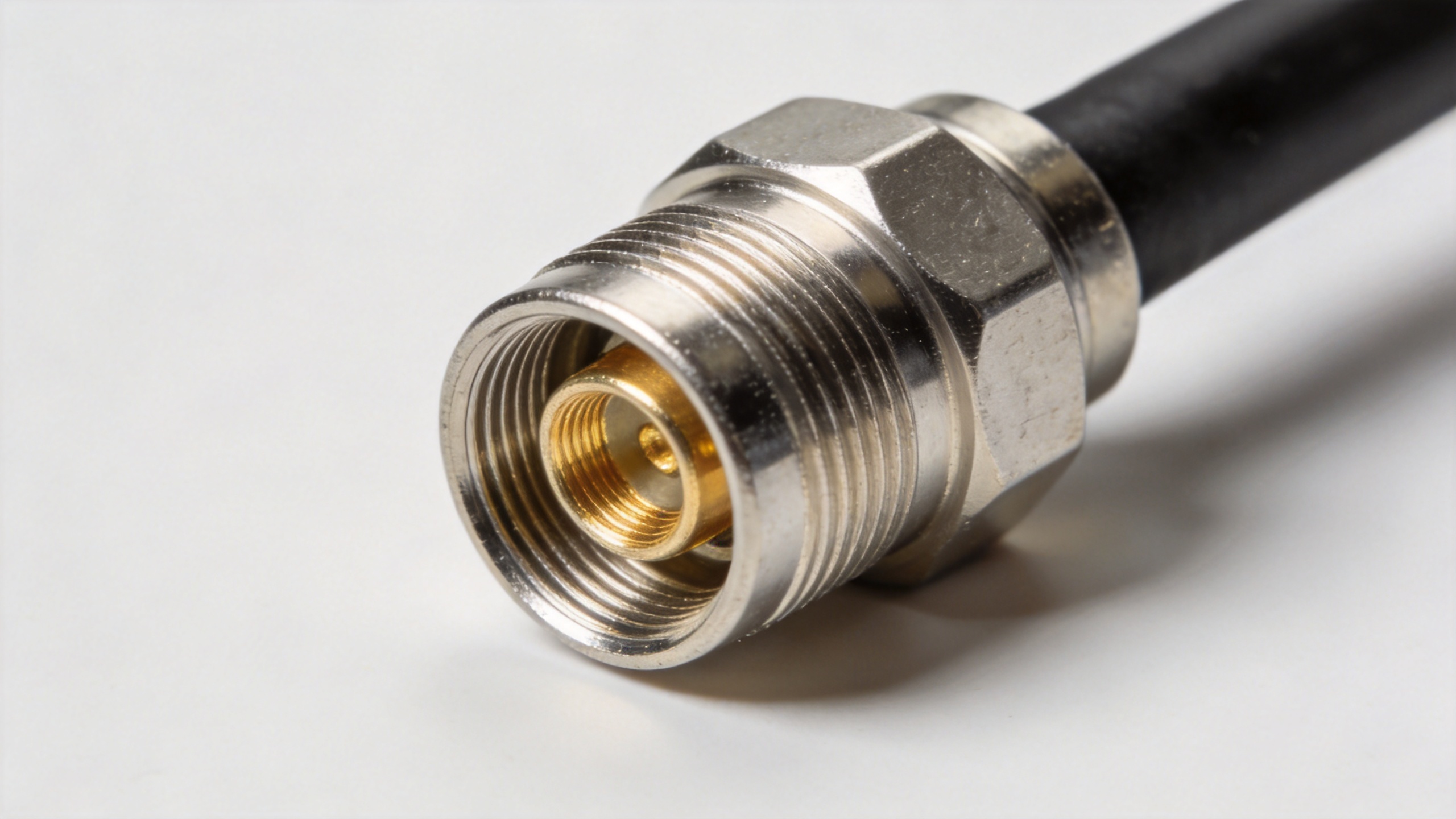
Gold is commonly used on contact areas because it resists oxidation and supports stable electrical contact. In many connector designs, gold is applied over a nickel barrier layer rather than used as a full-body treatment. This layered approach separates the hard, protective underlayer from the contact surface selected for conductivity and corrosion resistance.
Gold contact plating is often a rational option when an n type male connector will see repeat mating, low-level signal work, precision test duties, or long storage before installation. It is tempting to call it the universal premium solution, but that is too simple. Gold thickness, base material, underplate, contact geometry, and the finish on the n type female connector all influence the result. Specify the contact finish and verification method rather than requesting “gold plated” without detail.
Passivation and stainless-steel surface treatment
Where the connector body is stainless steel, passivation may be used to support corrosion resistance by cleaning and conditioning the surface rather than adding a conventional decorative metal layer. Stainless options can be useful in demanding industrial, marine-adjacent, or high-humidity installations, provided the full assembly design—including seals, cable entry, and the mating half—is evaluated.
A stainless or passivated solution can add value where the exterior is the dominant corrosion concern. It does not remove the need to specify the center-contact plating. In other words, an exterior that survives humidity does not guarantee that the RF contact remains stable if the contact system is under-specified.
Other finish systems and custom combinations
Depending on materials and manufacturing processes, ODM suppliers may propose tin-based finishes for particular solderable features, copper-alloy preparation layers, or other multilayer systems. These options should be evaluated against the connector’s location and purpose. A finish suitable for a protected soldering feature may not be suitable for a repeatedly mated RF contact.
Choose by Environment, Not by Finish Name Alone
| Application condition | What to prioritize | ODM discussion point |
|---|---|---|
| Indoor equipment or protected enclosure | Body durability, contact compatibility, handling appearance | Nickel body treatment with a separately specified contact finish may be appropriate. |
| Outdoor antenna or feeder installation | Corrosion resistance, sealing interface, compatible mating finishes | Review the complete mated assembly, not only the connector body. |
| Lab, test, or repeated-mate use | Contact stability, wear behavior, repeatability | Request contact-finish details and mating-cycle validation criteria. |
| High-humidity or industrial atmosphere | Environmental exposure, storage, packaging, inspection | Define corrosion-test expectations and documentation before production. |
No single n type male connector finish fits every deployment. If coastal exposure is the main constraint, corrosion protection and sealing carry more weight. If the part is for a calibrated bench, contact condition and repeatable mating may matter more. The same logic applies to the matching n type female connector: the two sides should be treated as one interface, not as unrelated parts.
What to Put in an ODM RFQ
- Identify the base material for the body, coupling nut, center contact, and termination components.
- State the finish for each functional surface, including whether a barrier or underplate is required.
- Define the intended environment: indoor, protected outdoor, direct weather exposure, high humidity, or industrial contamination.
- Specify the mating counterpart, including whether it is an n type female connector and the expected finish compatibility.
- Request measurable acceptance criteria such as appearance, adhesion, corrosion-test method where applicable, and contact or RF verification after the relevant exposure.
- Ask for batch traceability and a first-article confirmation before volume release.
In my experience, plating uniformity becomes most visible during handling: the coupling nut should turn smoothly, threads should not show inconsistent discoloration, and the specified contact surface should be protected through packing and transport. Those observations are not a substitute for testing, but they are useful receiving-inspection signals.
A Practical Recommendation
For most ODM N-interface projects, begin with a functional split: select a durable corrosion-conscious treatment for the body, then specify the center-contact finish separately for the electrical and mating duty. Add an environmental condition, a mating counterpart, and acceptance evidence to the RFQ. This turns “surface treatment” from an ambiguous catalog choice into a controlled manufacturing requirement.
Worldpeak supports RF connector and cable-assembly discussions across N-type and other major RF interfaces. For a custom n type male connector, provide the base material, operating environment, mating requirements, cable or panel configuration, and any inspection standard so the proposed finish system can be reviewed against the actual application.