EN
EN

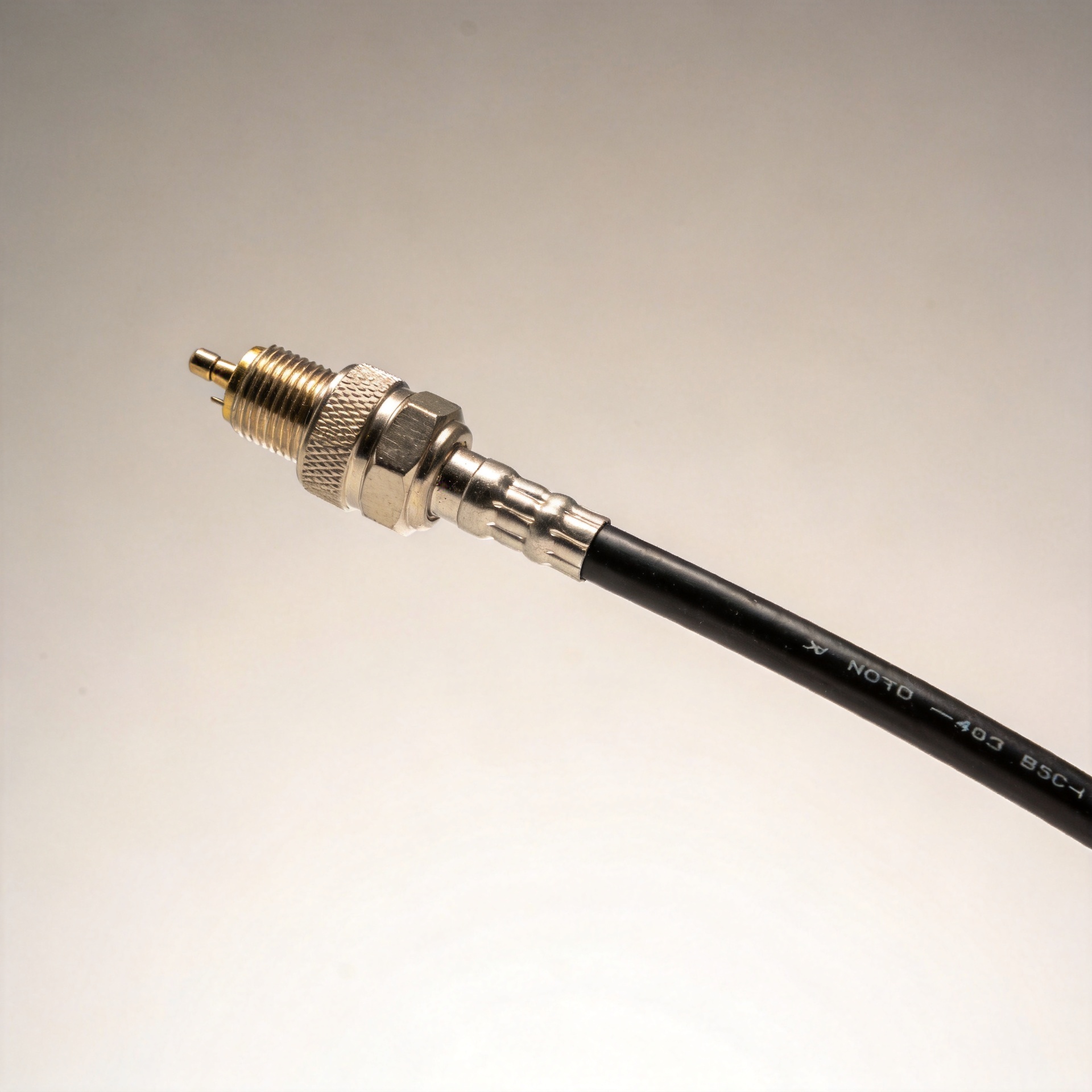
Why Bulk ODM RF Cable Orders Get More Flexible Supply Chain Support
For a procurement team, an rf coaxial cable order is rarely just a cable purchase. It can affect antenna placement, enclosure layouts, connector selection, test planning, and the date a system is ready to ship. When volumes rise, a bulk ODM program can give buyers more room to manage those moving parts than a series of isolated spot buys.
The advantage is not simply “more cable for less money.” It is the chance to turn a recurring requirement into a managed supply plan: one that defines the approved construction, captures changes early, and releases material in stages that match production reality. This matters especially when an rf flexible cable must route through tight spaces or move with a door, arm, or compact assembly.
Bulk changes the conversation from availability to planning
A small order often starts with a finished part number and a short delivery question. A bulk ODM request starts earlier. The buyer can explain the operating environment, target routing, connector interfaces, expected annual demand, and acceptable lot sizes. That gives the supplier a clearer basis for proposing a stable build and a practical release schedule.
For an rf coaxial cable program, the useful planning details include the frequency range, bend needs, cable length tolerance, connector orientation, labeling, packaging, and the points at which the assembly will be tested. These details do not need to be overengineered. They do need to be written down before a production ramp turns a minor ambiguity into repeated rework.
Where supply-chain flexibility actually comes from
1. A defined bill of materials can be reserved and reviewed
Once an ODM cable assembly is qualified, the supplier can work from an agreed construction rather than reinterpreting each purchase order. That may make it easier to review material availability, identify alternate options before they are needed, and keep connector, cable, heat-shrink, and packaging choices consistent across releases. It does not guarantee that every component will be available in every circumstance, but it creates an earlier warning path.
2. Forecasts support staged deliveries instead of one large drop
Bulk does not have to mean receiving every finished rf coaxial cable assembly on the same day. Buyers can discuss phased releases that align with pilot builds, regional deployments, or contract manufacturing windows. The important point is to document forecast horizons, firm-order periods, minimum release quantities, and change-notice expectations. That gives both sides a shared calendar instead of a last-minute expediter request.
3. Design changes can be handled through a repeatable process
Field feedback may lead to a revised cable exit angle, a different connector plating option, or a more suitable rf flexible cable route. In a bulk ODM relationship, those requests can move through a defined sample-and-approval loop. A sound process separates existing approved stock from the new revision, records the effective date, and confirms whether retesting is needed. This is far easier to control than mixing revisions across unrelated purchases.
What buyers should specify before asking for a quotation
A productive RF cable request is specific enough to support engineering review but practical enough for purchasing to maintain. Start with a short requirements sheet covering:
- system use and the applicable frequency range;
- required cable length, routing constraints, and bend expectations;
- connector series, gender, termination style, and clocking where relevant;
- electrical checks to be confirmed, such as continuity or VSWR requirements;
- environmental or documentation requirements that apply to the program;
- forecast volume, first-build quantity, and preferred delivery cadence; and
- packaging, labeling, and traceability needs for receiving and production.
This information helps the supplier distinguish a one-off cable from a program that needs manufacturing controls. It also helps a buyer compare quotations on a like-for-like basis rather than focusing only on unit price.
Use qualification to protect flexibility, not slow it down
Qualification is sometimes treated as a delay. In practice, a focused qualification plan is what makes later changes safer. Confirm the physical fit, electrical test method, labeling, packaging, and acceptance criteria on representative samples. Then keep the approved drawing or build specification tied to the purchase order. If something changes, the team can identify the affected revision rather than reopening every assumption.
Worldpeak’s site describes RF connector, adapter, and antenna manufacturing along with 100% VSWR and salt-spray testing. For buyers, statements like these are a starting point for a discussion, not a substitute for program-specific verification. Ask which checks apply to the proposed assembly, how results are recorded, and what documentation can travel with each shipment.
A practical release model for bulk RF cable programs
| Stage | Buyer focus | Supplier coordination point |
|---|---|---|
| Requirements | Define the application, interfaces, and forecast. | Review build feasibility and clarify open technical items. |
| Sample approval | Verify fit, routing, and agreed tests. | Document the approved construction and revision. |
| Ramp planning | Set firm releases and forecast windows. | Check material readiness and production capacity. |
| Ongoing supply | Share demand changes early. | Separate revisions, communicate constraints, and schedule releases. |
This model does not remove the need for demand discipline. It does give the buyer a way to manage uncertainty: an rf coaxial cable supplier sees the likely volume and timing, while the buyer gains earlier visibility into constraints and change implications.
Questions that reveal whether an ODM supplier can support the program
- Can the supplier review a drawing or requirements sheet before quoting?
- Which elements of the assembly are controlled by the approved build specification?
- How are samples, revision changes, and mixed stock separated?
- What test records or inspection information are available for the agreed scope?
- Can deliveries be scheduled in releases, and what forecast information is needed?
- Who flags a material or lead-time concern, and how early can alternatives be reviewed?
The answers help a purchasing manager judge more than production capability. They show whether the supplier has a communication rhythm that suits a long-running rf flexible cable or rf coaxial cable program.
Make bulk buying a coordination tool
The most flexible bulk ODM arrangement is built on shared information, not vague promises. Clear requirements, a controlled approved build, staged releases, and an agreed change process let buyers respond to shifting schedules without losing track of what is being made. For teams sourcing rf coaxial cable assemblies, that structure can be more valuable than a low headline price because it makes supply decisions easier to repeat, audit, and adjust.