 EN
EN

7/16 DIN Connector Guide: High-Power RF Standard
2026/09/24
Choose a 7 16 connector for high-power RF: compare DIN and Type N, protect PIM margin, and apply field installation checks.
2026/09/12
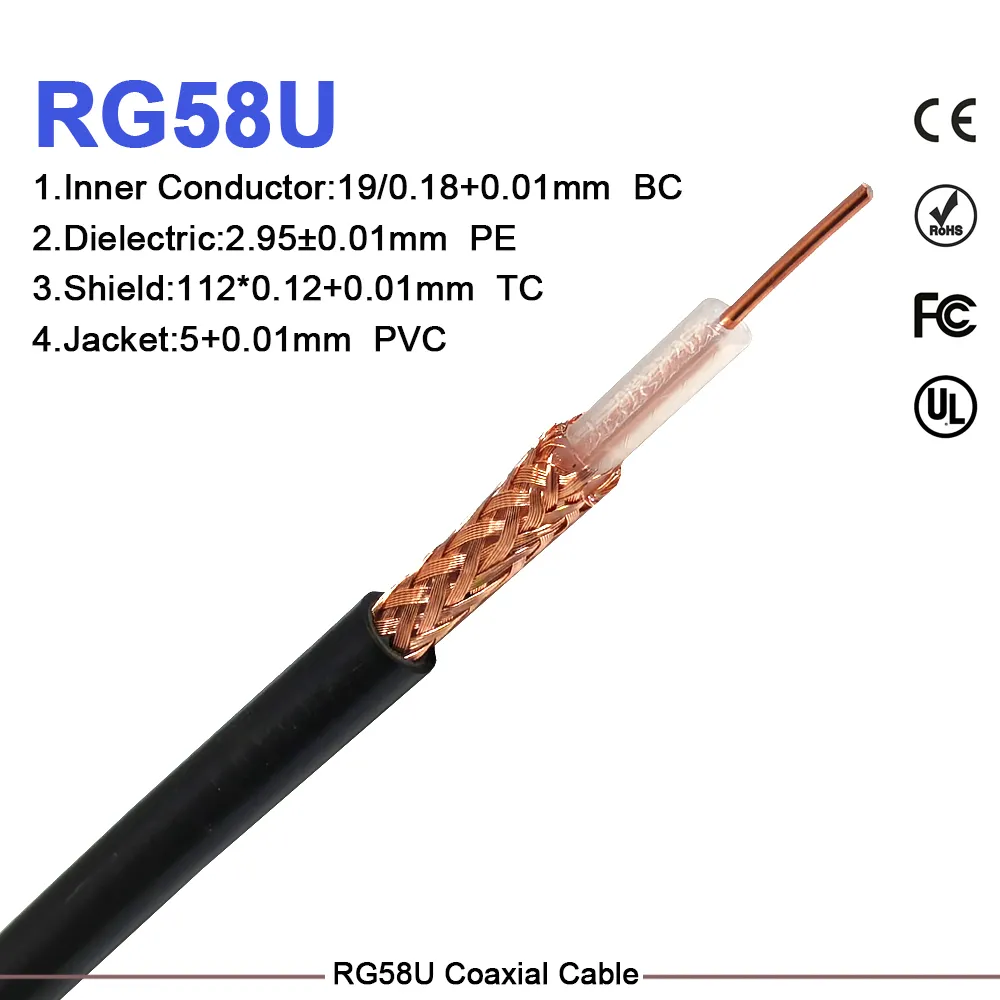
In precision RF engineering, selecting the right RG58 jumper cable directly dictates signal integrity, insertion loss parameters, and systemic reliability. A high-quality RG58 jumper cable acts as the crucial low-loss RF interconnect across test environments, wireless base stations, and industrial transceiver setups. Many design teams underestimate the impact of cheap, poorly terminated coax jumpers, which can introduce unwanted reflections, phase instability, and measurement drift that invalidate entire RF test campaigns. At WORLDPEAK, we engineer every RF coaxial jumper to eliminate impedance mismatches and minimize attenuation across high-frequency applications, ensuring consistent and repeatable performance even under continuous operation and harsh environmental conditions.
When choosing an RG58 coaxial cable for an RF test interconnect, engineering teams must evaluate dielectric composition, conductor plating, and shielding coverage. Standard RG58 variants typically feature a 50-ohm characteristic impedance optimized for general-purpose high-frequency data transmission. The difference between commodity RG58 and engineered low-loss RG58 lies deep within the cable construction, not only in the raw material quality but also in how each layer interacts to preserve RF wave propagation.
| Parameter | Standard RG58 Cable | WORLDPEAK Low-Loss RG58 Jumper Cable |
|---|---|---|
| Impedance | 50 ± 2 Ω | 50 ± 1 Ω |
| Dielectric Material | Solid Polyethylene (PE) | Physical Foam Polyethylene (FPE) |
| Shielding Coverage | 85% Tinned Copper Braid | Double Shielded (Al Foil + 95% Tinned Braid) |
| Attenuation (1000 MHz) | ~46 dB/100m | ~32 dB/100m |
| Velocity of Propagation (Vp) | 66% | 80%–85% |
| Max Operating Frequency | 1 GHz | 3 GHz |
The structural advantage of a premium RG58 jumper cable lies in its physical foam dielectric, which reduces dielectric loss while maintaining mechanical flexibility during repeated bending cycles in laboratory testing. Solid PE dielectric absorbs more RF energy at elevated frequencies, leading to higher signal heating and increased attenuation over longer cable lengths. Foam polyethylene lowers the effective dielectric constant, allowing faster wave velocity and reducing signal power dissipation, which is especially valuable for phase-sensitive test systems and time-domain measurement work.
Achieving a true low-loss RF interconnect requires balancing attenuation, VSWR (Voltage Standing Wave Ratio), and connector termination quality. An improper termination converting an RG58 coaxial cable into an RF coaxial jumper creates signal reflections that damage transmitter modules and compromise test accuracy. Even small impedance discontinuities at the cable-connector junction can create standing waves, causing power fluctuations and unreliable readings in calibrated RF measurement equipment.
The versatile architecture of the RG58 coaxial cable makes it an industry standard across multiple high-reliability sector deployments. Its balanced trade-off between size, flexibility, electrical performance and cost keeps RG58 relevant for many wireless and test applications despite newer low-loss coax alternatives.
WORLDPEAK adheres to rigorous international quality control standards to ensure every RG58 jumper cable shipped meets industrial-grade performance benchmarks. Every production step is tracked and documented, so customers can trace finished assemblies back to raw cable batches and component lots.
Raw RG58 Coaxial Cable Inspection → Precision Automated Stripping & Pin Crimping → 360° Induction Soldering / Crimp Seal → Dual-Wall Adhesive Heat-Shrink Application → 100% VNA Test: Impedance, VSWR, Insertion Loss → Final Inspection & Anti-Static Packaging
Procuring an RG58 jumper cable directly from an established OEM manufacturer like WORLDPEAK guarantees transparent component traceability and bulk cost efficiency. Working directly with the cable assembly manufacturer removes middleman markup and shortens communication loops for technical modifications.
Partner with WORLDPEAK for your next low-loss RF interconnect project to ensure reliable, high-frequency signal delivery across every deployment. Contact our engineering support team today to request custom quotes and technical samples.
2026/09/24
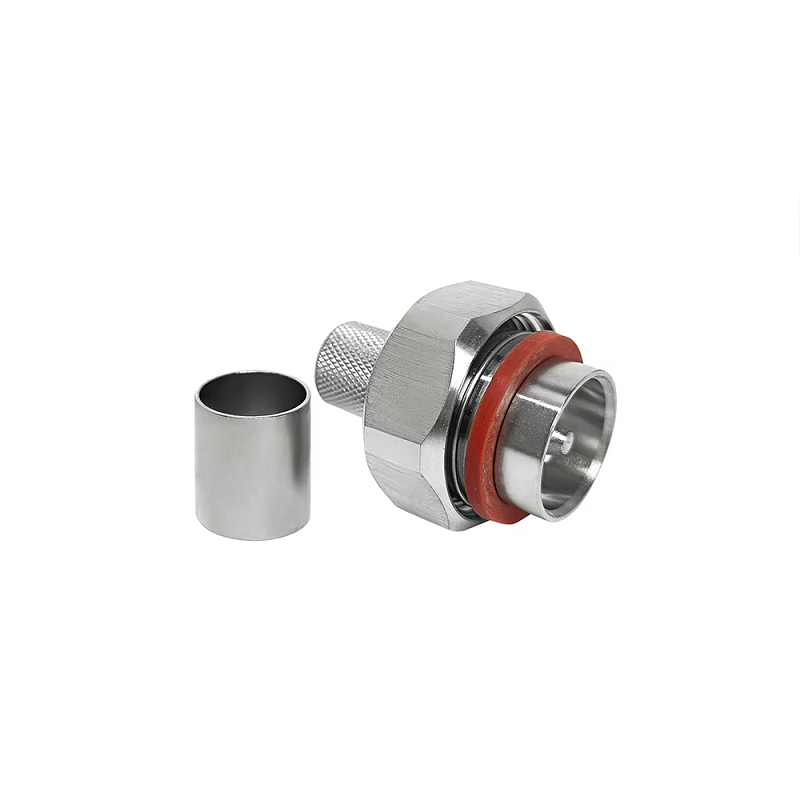
Choose a 7 16 connector for high-power RF: compare DIN and Type N, protect PIM margin, and apply field installation checks.
2026/09/24
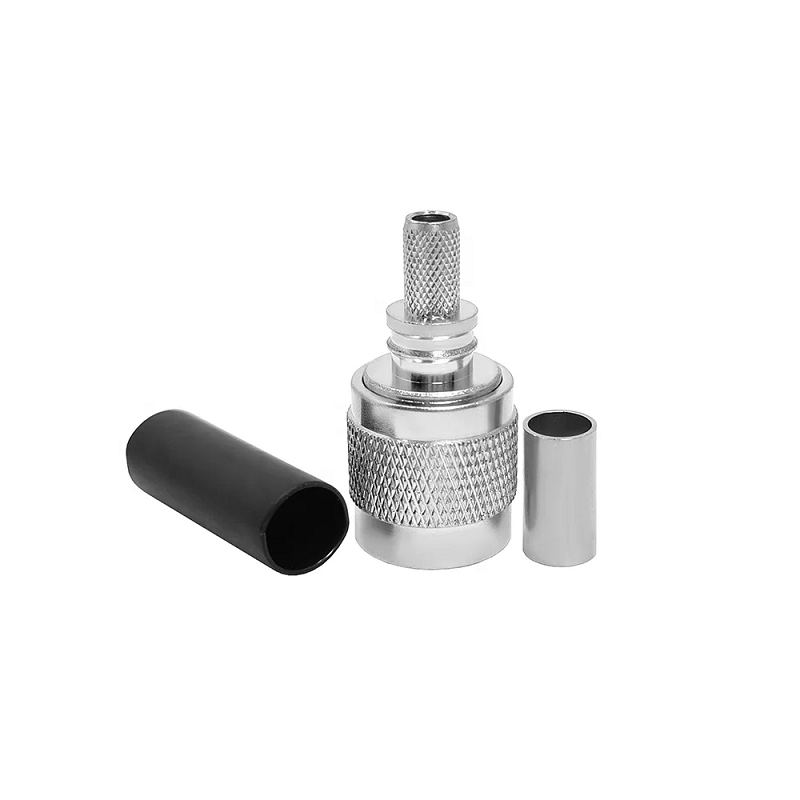
Compare TNC connector types, specs and applications, including RP-TNC, bulkhead options, vibration performance and adapter selection.
2026/09/24
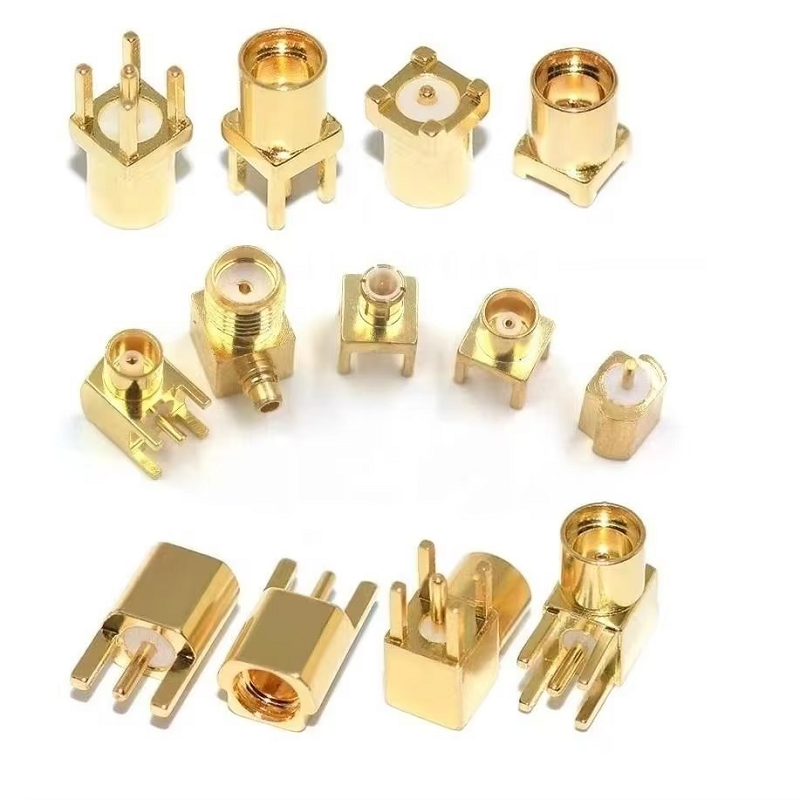
Understand MMCX connector basics, RF limits, and how to choose the right coaxial interface for compact systems.
2026/09/24
Understand RP-SMA connector polarity, mating rules, frequency checks, and OEM termination options for reliable RF builds.
2026/09/24
Choose the right bnc male connector for RF, CCTV and test systems with clear 50Ω vs 75Ω, type and installation guidance.
2026/09/24
Compare LMR400 specs, cable loss, uses, connectors and RG8/RG213 alternatives with a practical RF loss-budget method.