EN
EN

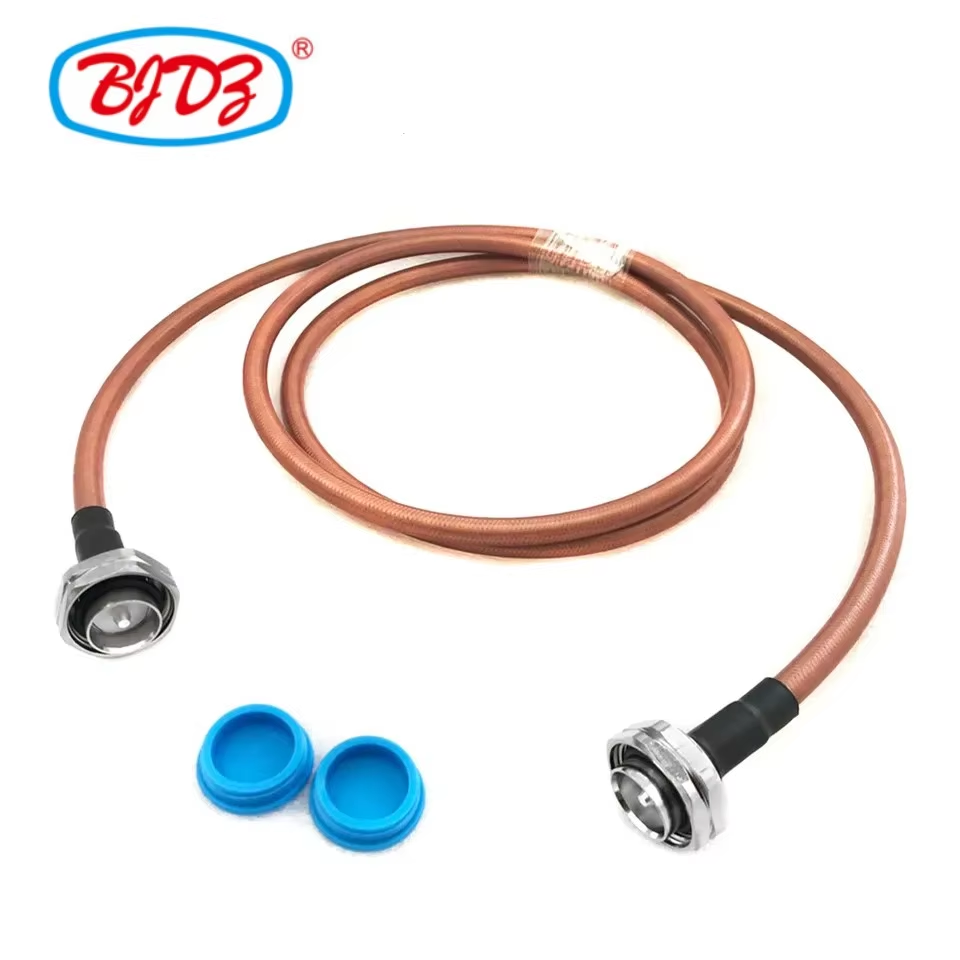
When an equipment manufacturing line aims to accelerate throughput, a cable assembly often gets treated as a minor purchasing afterthought. In high-frequency production environments, a poorly specified jumper halts a build just as effectively as a missing board or a misaligned mounting bracket. Working with a dedicated coaxial jumper manufacturer resolves these assembly bottlenecks before components reach the production floor. Delivering a custom coaxial jumper assembly tailored for exact port locations, routing paths, handling routines, and quality checks turns a basic wire link into an engineered line item.
For engineering and operations teams building telecom units, automated test fixtures, industrial control racks, data-center RF subsystems, or precision laboratory instruments, customized jumpers replace ambiguous line-side choices with controlled, repeatable specifications. The measurable outcome is not merely a theoretical promise of speed. It means fewer mid-assembly decisions, zero emergency adapter swaps, clearer receiving inspections, and zero pinched jackets when the enclosure covers finally lock into place.
Common Line-Side Jumper Issues
-
Cable Excess / Pinching: Caused by generic length specifications
-
Mating Interface Conflict: Unspecified gender, polarity, or clock orientation
-
Assembly Line Confusion: Missing part numbers, revision levels, or tags
-
Post-Assembly RF Failure: Unverified loss/VSWR prior to enclosure sealing
Why Standard Off-the-Shelf Jumpers Cause Production Delays
A stock off-the-shelf cable might pass basic electrical continuity testing, yet it frequently causes friction on an active assembly line. Common issues include:
-
Excessive cable length that forces tight bends and compromises cabinet space.
-
Insufficient slack that places constant strain on delicate board-mounted connectors.
-
Straight connectors where a right-angle body style is mandatory for tight bulkhead clearances.
-
Missing labels that leave assembly line technicians guessing which port pairs to link.
Every unexpected variation forces an operator to stop, search for adapters, modify routing paths, or escalate to engineering.
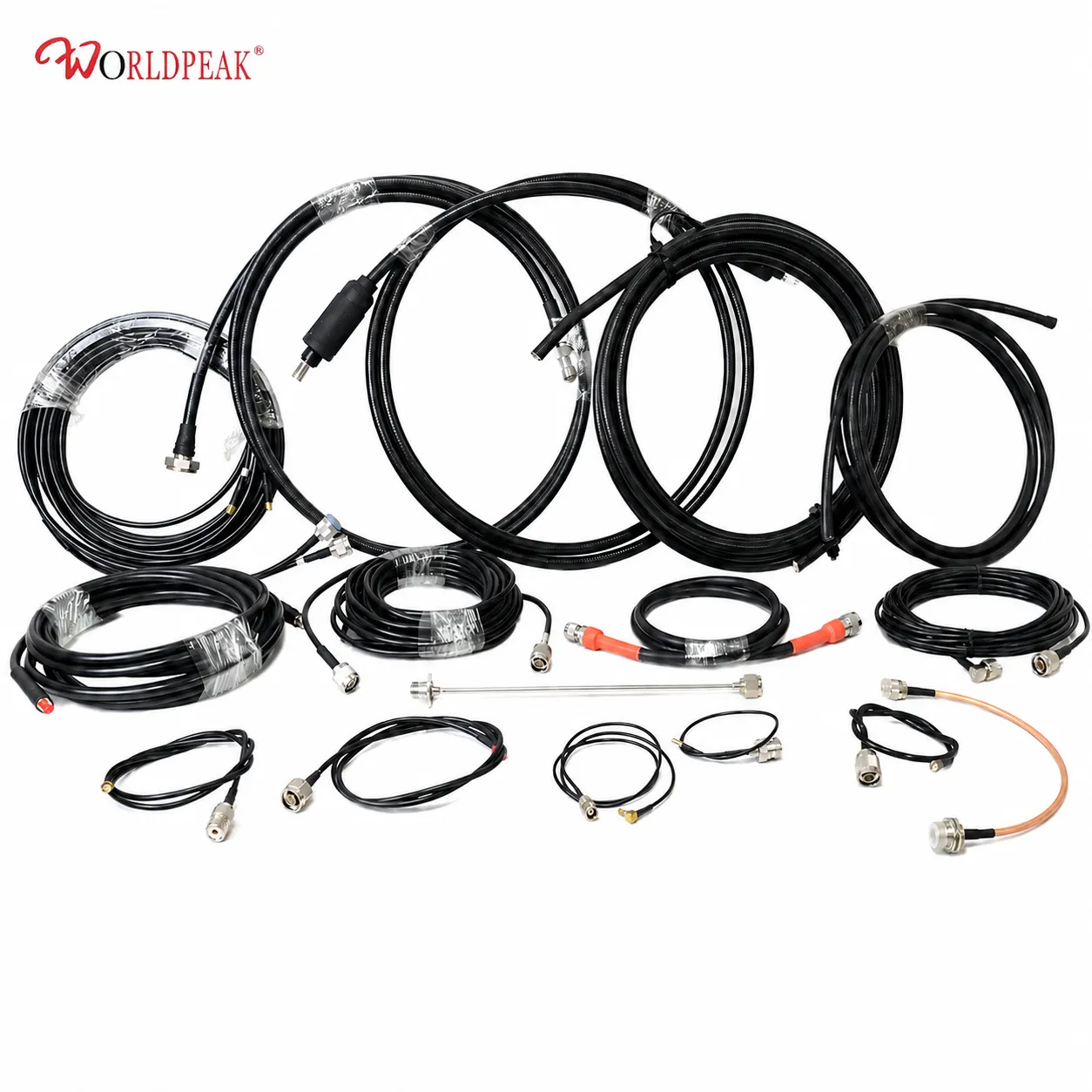
A specialized coaxial jumper manufacturer integrates directly into the production workflow rather than acting as a distant component supplier. By converting CAD models and detailed bills of materials into standardized cable families, every critical variable—cable type, precision cut length, connector series, gender, orientation angle, jacket material, labeling scheme, and test criteria—is predetermined. A fully connectorized coaxial jumper arrives as a ready-to-install build item rather than an ambiguous spare part.
A persistent integration challenge involves connector specification gaps. A procurement document that specifies an interface family (such as SMA or N-type) while omitting gender, reverse polarity, or connector clocking introduces immediate risk. Defining both ends within the release documentation eliminates guesswork at the technician's workstation.
Precision Customization Points That Optimize Assembly Flow
Controlled Length and Spatial Routing Allowances
Length governs both signal integrity and mechanical fit. An ideal specification accounts for the complete spatial pathway, structural bend radii, and necessary service loops rather than relying on point-to-point pin distance estimates.
Spatial Path Routing: Port A (Internal Subsystem) → Defined Bend Radius & Strain Relief → Custom Coaxial Jumper Route → Service Loop for Maintenance Clearance → Port B (Bulkhead / Enclosure Exit)
Before locking in drawing specifications, evaluate the operational cycle: Will the connectorized coaxial jumper remain fixed permanently after installation, or must it withstand disconnects during routine calibration, system diagnostics, or field upgrades? Answering this dictates whether a flexible cable construction, extra strain-relief boots, or specialized right-angle connector exits are necessary.
Connector Interface Selection and Mechanical Orientation
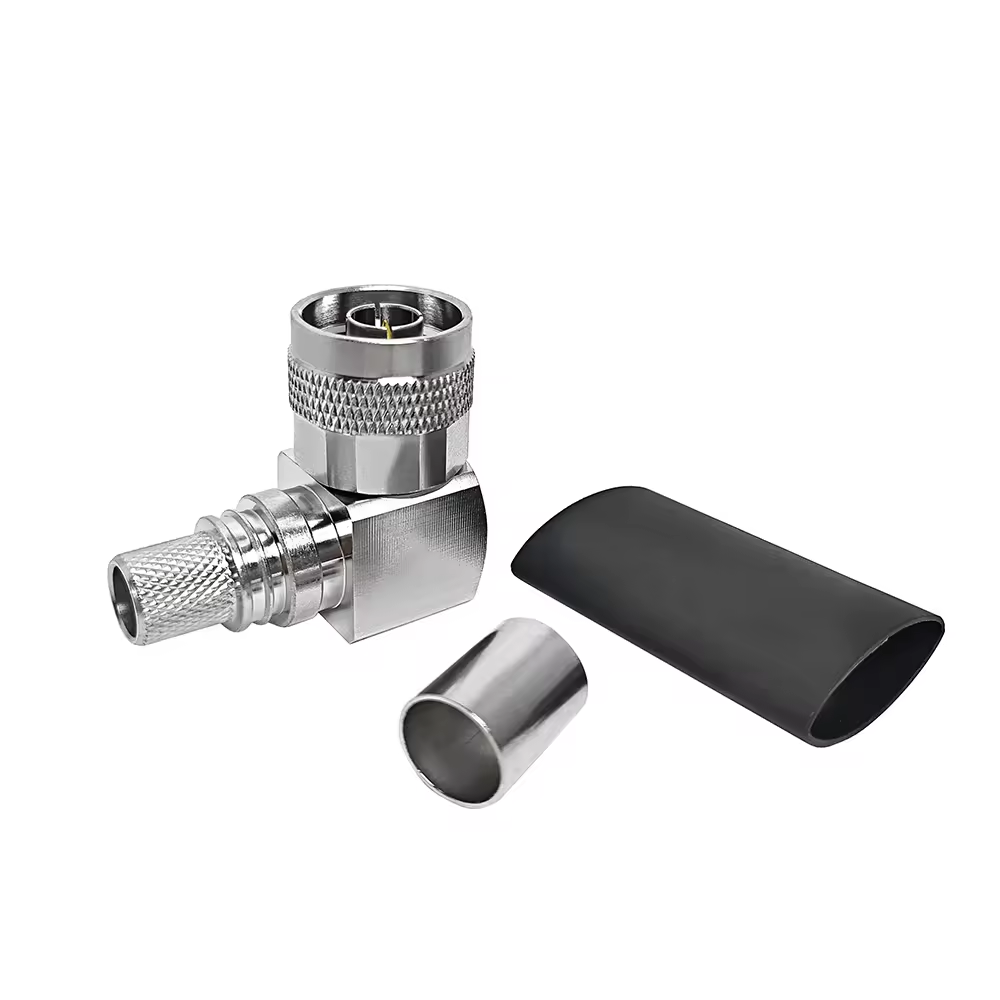
Connector selection serves a dual purpose: preserving target RF performance metrics and enabling seamless mechanical assembly without physical interference. Utilizing right-angle connector bodies, keyed interfaces, or predetermined clock positions eliminates awkward cable twisting near crowded panel housings. Connector choices must account for operational frequency, spatial clearance, mating cycle life, and real-world routing geometry.
Specifying a custom coaxial jumper assembly requires defining the complete interface pairing:
-
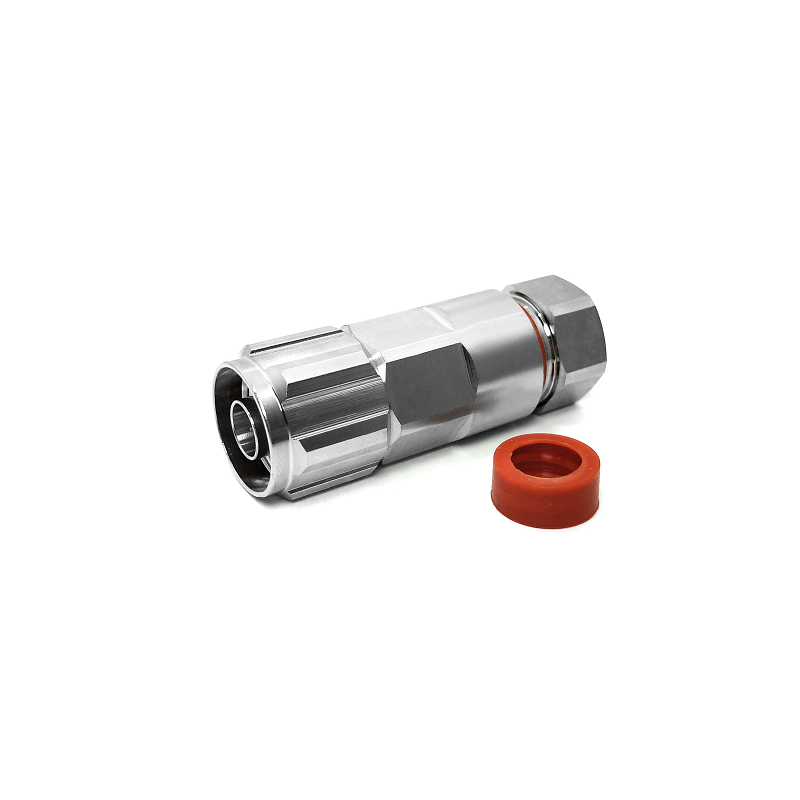
Connector series (e.g., SMA, N-Type, BNC, TNC, 4.3-10)
-
Mechanical configuration (plug or jack)
-
Gender and polarity parameters (standard vs. reverse polarity)
-
Termination technique (crimp, solder, clamp)
-
Physical orientation (straight, 90-degree right angle, 45-degree angle)
Repeatable Identification and Strategic Kitting
Labels speed up line operations when they match assembly documentation exactly. Production-ready labels include the internal part number, revision level, source/destination port tags, and overall length. For assembly kits containing similar RF lines, color-coded sleeving or distinct bag tags prevent incorrect cable insertion into adjacent ports.
Packaging design directly impacts handling speed. Coiling diameter, protective bagging, and batch counts must preserve mechanical integrity while making components easy to unbox. The goal is straightforward: allow technicians to select the designated connectorized coaxial jumper, confirm its part number instantly, and execute the installation without untangling bundled leads.
How Rigorous Specifications Prevent Post-Assembly Rework
Rework usually stems from treating high-frequency interconnects as interchangeable commodities. A qualified coaxial jumper manufacturer reduces this risk by locking down assembly configurations. Work orders, connector terminations, cable lengths, and labels remain consistent across every production batch. Receiving teams inspect shipments against a fixed drawing rather than interpreting vague supplier descriptions.
Custom Jumper Production Flow:
-
CAD & Spatial Path Mapping: Defines length, bend radii, & clearance
-
Connector Interface Definition: Locks series, gender, & exit angle
-
High-Precision Assembly: Controlled crimping & strain relief
-
RF Performance Verification: Pre-shipment insertion loss & VSWR sweep
-
Standardized Kit Tagging: Part numbers, port IDs, & custom packaging
Pre-shipment electrical validation serves as a vital quality gate. Comprehensive pre-shipment insertion loss and VSWR (Return Loss) sweep measurements confirm high-frequency performance prior to dispatch, providing full test documentation alongside shipments. Specifying frequency limits and report formats in advance ensures the delivered custom coaxial jumper assembly meets operational RF standards before installation.
Engineering Release Checklist for Coaxial Jumpers
Before releasing a new jumper assembly design to production, verify the following parameters:
-
Endpoint Definitions: Complete connector series, gender/polarity specifications, and exit angles for both termination points.
-
Routing Geometry: Usable length, minimum dynamic/static bend radius, strain relief provisions, and service loop requirements.
-
Environmental Factors: Operating temperature limits, exposure to mechanical vibration, outdoor UV resistance, or chemical exposure.
-
Labeling and Kitting: Part identification schema, revision coding, visual color markers, and workstation package counts.
-
RF Test Requirements: Working frequency range, maximum allowable insertion loss, VSWR thresholds, and test documentation formats.
-
Prototype Approval: First-article validation procedure prior to authorizing full production volumes.
Following this structured checklist ensures clear technical communication with a coaxial jumper manufacturer. Replacing generic cable requests with controlled engineering definitions leads to predictable quoting, smooth technical reviews, and dependable assembly line replenishment.
Optimizing Component Manufacturing and Supply Chain Capabilities
Achieving consistent output on high-density equipment assembly lines relies on a supply chain capable of scaling precision assembly alongside rigorous quality assurance. Manufacturing partners specializing in connectorization provide extensive technical resources to help build clean, repeatable interconnect systems.
To explore tailored RF interconnect designs, custom connector choices, and pre-tested cable assemblies that integrate directly into technical assembly workflows, visit